
Before buying Pokémon cards from online deals, you need to understand that counterfeits have infiltrated the market at an unprecedented scale. In 2025 alone, 56.3% of all counterfeit trading cards seized globally were Pokémon TCG products—a 250% increase over 2024. This means that when you’re browsing a seemingly good deal on Facebook Marketplace, AliExpress, or even eBay, there’s a real statistical probability you’re looking at a counterfeit product designed to fool even experienced collectors. The financial risk is substantial: collectors lose between $5 million and $10 million annually to Pokémon card fraud, and the broader market has intercepted over $200 million in counterfeit cards.
Before you complete a single purchase, you need to know where the safest places to buy are, how to spot fakes, and which seller profiles represent genuine risks. The good news is that buying authentic cards online is entirely possible if you understand the landscape. The secondary market for Pokémon cards reached $2.1 billion by mid-2026, and legitimate platforms like TCGPlayer, eBay, and the official Pokémon Center operate with systems designed to protect buyers. What separates a smart purchase from a potential loss comes down to understanding which platforms offer authentic inventory, knowing what seller metrics matter, and recognizing which deal structures are inherently risky. This guide walks you through the exact information you need before spending money on cards online.
Table of Contents
- How Serious Is the Counterfeit Problem in the Pokémon Card Market?
- Where Are Most Counterfeit Pokémon Cards Coming From?
- How to Identify Counterfeit Pokémon Cards Before You Buy
- Which Online Platforms Are Safest for Buying Pokémon Cards?
- Platform-Specific Protections and Risks You Need to Understand
- Market Pricing and Understanding Fair Deal Pricing in 2026
- Building a Long-Term Strategy for Safe Online Pokémon Card Purchases
- Conclusion
How Serious Is the Counterfeit Problem in the Pokémon Card Market?
The counterfeit problem in pokémon cards has reached crisis levels for collectors. Counterfeit submissions to authentication services rose 45.3% year-over-year, but Pokémon specifically experienced a 125% jump—meaning fakes are being produced at an accelerating rate. The $200 million in intercepted counterfeits represents only what authorities have caught; the actual volume circulating through online marketplaces is likely substantially higher. Most of these fakes are sophisticated enough to pass initial visual inspection by casual collectors, which is why the problem persists even on platforms that attempt to monitor listings.
The scale of production suggests this isn’t just backyard operations anymore. Organized counterfeiting networks are manufacturing booster boxes, single cards, and sealed products in industrial quantities, then distributing them through multiple online channels. A collector who buys five packs from a suspicious eBay listing thinking they got a deal might not discover the cards are counterfeit until they’re already opened, at which point the return window may have passed or the seller may have disappeared entirely. The reality is that counterfeits have become common enough that any online purchase carries risk if you don’t verify the seller and source carefully.

Where Are Most Counterfeit Pokémon Cards Coming From?
Approximately 80% of confirmed counterfeit Pokémon cards trace to a specific set of high-risk online channels. These include cheap booster boxes on AliExpress and Wish that are priced far below MSRP, raw singles sold by Facebook Marketplace sellers with fewer than 50 friends in their network, unauthenticated single cards on eBay from sellers with fewer than 100 feedback ratings (particularly those priced under $50), and Discord “bundle deals” that promise discounted lots without any escrow or platform protection. Each of these channels has a different risk profile, but they all share a common thread: minimal accountability and no verification systems for product authenticity. The limitation of relying on price as a red flag is that legitimate discounts do exist in this market.
A seller might offer cards below retail because they’re moving inventory quickly or liquidating a collection. However, the combination of price, seller history, and channel matters significantly. A $30 booster box on AliExpress with shipping from China is virtually certain to be counterfeit; the same booster box at $45 from a local eBay seller with 500+ positive feedback and an established history is far more likely to be legitimate. The key is that the legitimate channels have built-in accountability mechanisms, while the high-risk channels lack any meaningful way to trace products back to an identifiable seller with a reputation at stake.
How to Identify Counterfeit Pokémon Cards Before You Buy
Visual inspection of online listings can catch some obvious red flags before you make a purchase. Counterfeit booster boxes often have printing quality issues, slightly off font rendering, or wrong paper texture than authentic products. Cards themselves may have centering problems, off-color printing, or incorrect card stock feel. However, the most sophisticated fakes are becoming harder to distinguish from photos alone, which is why relying solely on images is dangerous.
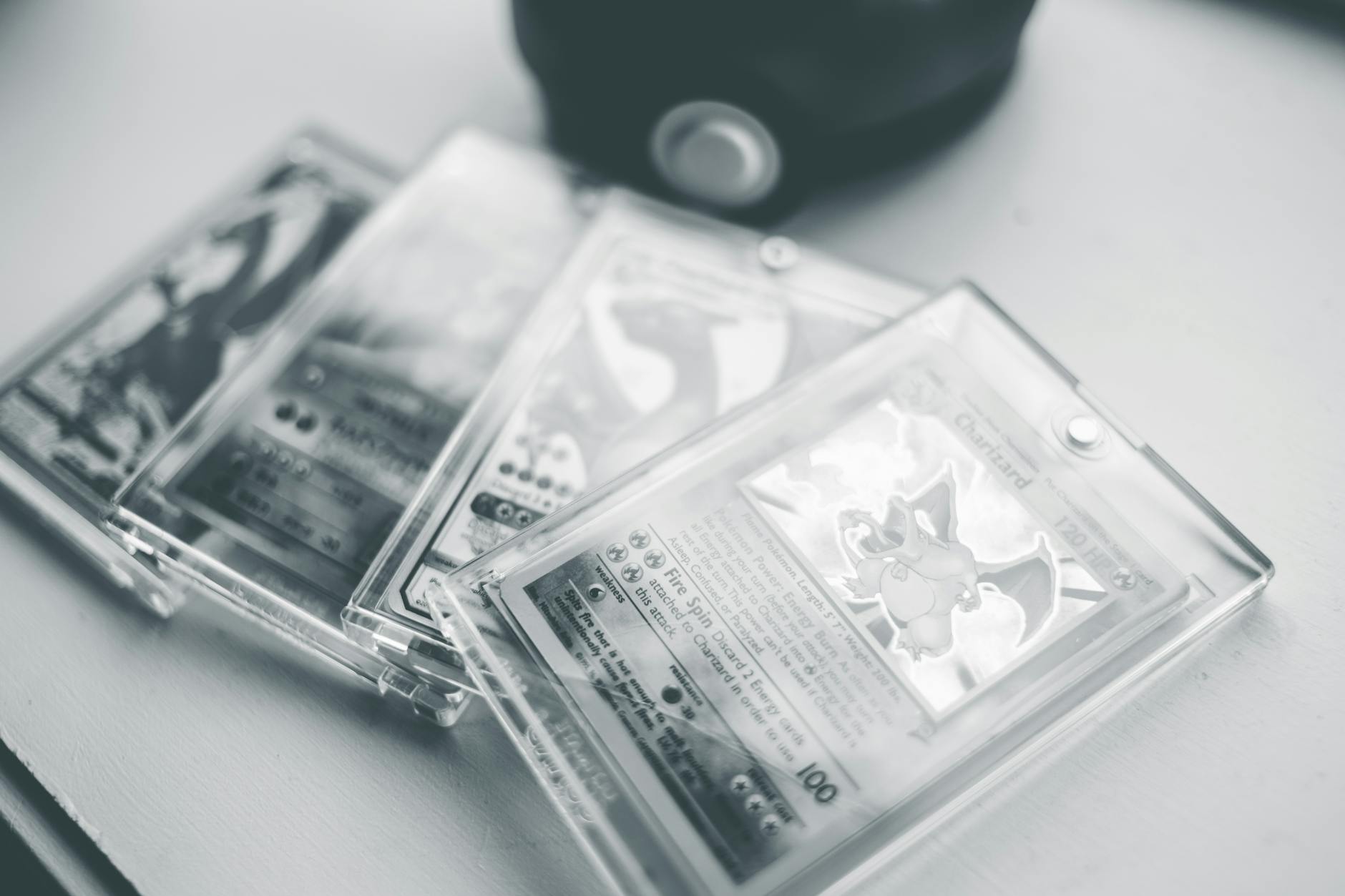
The official Pokémon Support page provides a detailed guide on identifying counterfeits, but even that guidance is increasingly insufficient as fakes improve in quality. Charizard cards deserve special attention because they’re the most counterfeited Pokémon card in existence. Sellers know that Charizard has significant collectible value, and counterfeiters specifically target this card because even a imperfect fake can be sold to less experienced buyers. If you’re buying a high-value Charizard—whether it’s a base set holofoil, a first edition, or any sought-after version—you should always insist on purchasing from a platform that offers independent authentication or from sellers with substantial verified track records. The risk-to-reward calculation changes dramatically when the card in question is a known counterfeit target.

Which Online Platforms Are Safest for Buying Pokémon Cards?
Pokémon Center is the only primary MSRP source for guaranteed authentic new releases, making it the safest choice if you’re buying current products like booster boxes or theme decks. You’ll pay full retail price, but you eliminate counterfeiting risk entirely. For sealed vintage products and singles, eBay dominates both liquidity and visual verification—the platform allows you to see detailed photos, and sellers who deal in high-volume singles have established reputations based on feedback scores. eBay also has buyer protection mechanisms, though these are more effective when dealing with amounts under a few hundred dollars.
TCGPlayer is the gold standard for singles pricing and inventory, with a vast marketplace of individual card sellers. The platform implements a feedback system and individual card grading tools that help you compare pricing across multiple sellers. The limitation here is that TCGPlayer is best for modern cards and recent releases; if you’re hunting for vintage or rare vintage cards, the inventory may be more limited compared to eBay. For new booster boxes and sealed products between releases, authorized retailers like Target or Walmart can work, though inventory is often inconsistent and items sell out quickly. New expansions release every couple of months and sell out rapidly at retail, so buying from official channels during initial release windows is often the only way to guarantee MSRP pricing and authenticity.
Platform-Specific Protections and Risks You Need to Understand
eBay requires independent specialist verification for high-value cards priced at $250 or more before the item is delivered to you. This is a critical protection for expensive purchases, but it also means your order will be delayed while authentication occurs. Never buy from eBay sellers with less than 98% positive feedback if you’re spending over $50, because the risk of dealing with a problematic seller increases dramatically as feedback scores decline. Sellers with under 100 feedback ratings should be approached with extreme caution—these accounts may be new, and counterfeiters often use fresh accounts to avoid detection.
Facebook Marketplace offers almost no seller accountability, which makes it inherently risky for cards beyond a few dollars in value. The platform allows you to meet sellers in person, which can be useful for visual inspection, but many online deals through Messenger never involve in-person meetings. Discord servers and private seller networks have become increasingly popular, but these lack any platform-level protection. If you choose to buy through Discord, use escrow services (where a third party holds the money until authentication), and only deal with sellers who have established reputations within the community. The tradeoff is convenience: these channels are faster and have lower fees, but they shift all trust responsibility onto you as the buyer.
Market Pricing and Understanding Fair Deal Pricing in 2026
The secondary market for Pokémon cards reached $2.1 billion by mid-2026, which means robust pricing data is available if you know where to look. Before making any purchase, check TCGPlayer’s average sale price for the card you’re buying, and use that as your baseline. If a listing is significantly cheaper than the average, investigate why—is it because the card has some flaw, or is the seller just trying to move inventory quickly? Booster boxes should typically be within 10-15% of MSRP for recent sets; anything cheaper usually indicates either a clearance by a retailer or a counterfeit product. For vintage cards and first editions, pricing becomes more variable, but rare cards above $200 have enough sales volume that you can see historical pricing trends.
Upcoming releases provide opportunities to buy at MSRP if you plan ahead. Mega Evolution – Pitch Black Night releases on July 17, 2026, and other expansions are scheduled throughout the year. Pre-ordering from legitimate retailers during the pre-release window gives you a chance to secure authentic products at retail price before secondary market markup begins. This is particularly valuable for sealed booster boxes, which often increase 30-50% in value within weeks of release as they become harder to find at MSRP.
Building a Long-Term Strategy for Safe Online Pokémon Card Purchases
The Pokémon card market continues to evolve, with new releases arriving regularly and secondary market pricing becoming more sophisticated. The most resilient approach combines multiple strategies: buy current releases from official sources or authorized retailers to guarantee authenticity, use established platforms like TCGPlayer and eBay for singles purchases with documented seller ratings, and reserve purchases from less-established channels only for low-value cards where the risk-to-reward calculation makes sense. As counterfeiting technology improves, authentication services like PSA and other grading companies are increasingly important—slabbed and graded cards provide verification that extends beyond the initial purchase.
Looking forward, buying Pokémon cards online will likely require more due diligence as counterfeits continue to improve in quality. The infrastructure of trusted platforms and feedback systems is your primary protection. Focus on sellers with established histories, use platforms with built-in protections for high-value purchases, and don’t assume that a good price on an unfamiliar platform is worth the authentication risk.
Conclusion
Before you buy Pokémon cards from any online deal, verify three things: the platform’s built-in protections, the seller’s history and feedback score, and whether the price is realistic for the product. Counterfeit cards represent a genuine financial risk in this market, with 56% of all fake trading cards being Pokémon and collectors losing millions annually. The good news is that legitimate buying options exist on platforms like TCGPlayer, eBay, and Pokémon Center, and these platforms have systems designed to protect you if you follow basic precautions.
Start your next purchase by checking TCGPlayer for fair market pricing, considering Pokémon Center for current releases, and avoiding the 80% of counterfeits that flow through AliExpress, unvetted Facebook sellers, and no-escrow Discord deals. The difference between a smart buy and a costly mistake often comes down to spending an extra five minutes verifying the seller and checking feedback scores. In a $2.1 billion market with new releases arriving every couple of months, there will always be another opportunity to buy—don’t rush into deals that feel risky.
You Might Also Like
- What Collectors Should Check Before Buying Pokémon TCG Deals Online
- What Makes a Pokémon TCG Deal Actually Worth Buying
- Why Japan Exclusive Pokémon Drops Create Global FOMO