Pokémon popularity polls go viral because they tap into one of the franchise’s greatest assets: an unusually passionate, multigenerational fanbase with deep emotional attachments to specific creatures. A single poll asking fans to choose their favorite Pokémon generates millions of votes and thousands of social media posts because the question feels personal—fans aren’t just ranking designs or stats, they’re defending childhood memories and validating their identity as players. The 2020 Pokémon of the Year poll saw over 4 million votes, with thousands of users creating fan art, arguments, and trend-baiting content around their chosen favorites.
This viral potential exists nowhere else in gaming culture quite like it does for Pokémon. The combination of 1,000+ creatures to choose from, 30 years of generational preferences, and the legitimately difficult choices required all fuel organic sharing. When a poll asks whether Pikachu, Charizard, Gyarados, or Articuno ranks higher, it’s forcing fans to make real tradeoffs between nostalgia, competitive viability, aesthetic preference, and cultural significance—and people cannot resist debating these decisions publicly.
Table of Contents
- What Makes Pokémon Polls More Shareable Than Other Franchises?
- The Psychology Behind Why Fans Defend Their Choices
- How Social Media Algorithms Amplify Pokémon Poll Engagement
- The Card Collecting Connection and Price Impact
- The Limitations of Using Popularity Polls for Actual Preference Data
- Generational Divides in Pokémon Poll Results
- The Future of Pokémon Polls in a Crowded Media Landscape
- Conclusion
- Frequently Asked Questions
What Makes Pokémon Polls More Shareable Than Other Franchises?
pokémon attracts an exceptionally broad demographic that still engages like a niche enthusiast community. Someone who played Red and Blue in 1998, someone who started with Sword and Shield in 2020, and someone who collects cards but never played any game can all participate in the same poll and feel equally invested. Marvel polls, by contrast, often split along comic readers vs. MCU movie fans.
Pokémon polls reach across generational lines because the Pokédex is effectively a shared cultural resource that transcends which era you entered the franchise. The accessibility of Pokémon also matters. You don’t need to understand competitive battling, card mechanics, or storyline context to have an opinion on whether Alakazam or Machamp looks cooler. A casual fan and a tournament player are equally valid voters, and that removes barriers to participation. Contrast this with something like a Dark Souls or Final Fantasy poll, which often assumes deep knowledge of lore or gameplay systems that newer fans may not possess.

The Psychology Behind Why Fans Defend Their Choices
Pokémon preferences are surprisingly identity-based in ways other franchises rarely achieve. Someone’s favorite Pokémon often connects directly to their first playthrough, their friend group in elementary school, or a specific card they own. When a poll ranks your favorite low, it registers as a slight against your taste and judgment, not just a character preference. This generates defensive engagement—fans don’t just vote, they argue why their choice is legitimate, post comparison photos, and try to persuade others.
That emotional investment drives resharing. The limitation here is that viral polls often measure passion, not actual popularity. A creature like Samurott might finish surprisingly low in a general poll despite being genuinely beloved by many players, simply because its supporters are quieter than Charizard’s army of defenders. Competitive players might rank Landorus Therian as their favorite for pure utility, but it will never outpace Gengar in a casual poll. The virality captures noise and sentiment more accurately than preference data.
How Social Media Algorithms Amplify Pokémon Poll Engagement
Social media platforms’ recommendation systems favor content that generates debate and emotion, and Pokémon polls are nearly perfect at triggering both. When someone posts a poll or shares results, fans in the comments create extended arguments, which signals high engagement and causes the platform to show the post to more people. A controversial ranking—like Pikachu placing outside the top ten, or a Garbodor fan making an earnest case—amplifies visibility further.
Twitter and TikTok’s retweet and share mechanics specifically reward Pokémon polls because they invite subjective takes. Retweeting a poll with a quip like “everyone who voted for Machamp is wrong” extends its reach. The same algorithm that surfaces your friend’s response to a poll shows that thread to their followers, creating exponential growth. During major poll events, this creates genuine cultural moments where non-fans see the poll in trending sections and become curious enough to vote or share.

The Card Collecting Connection and Price Impact
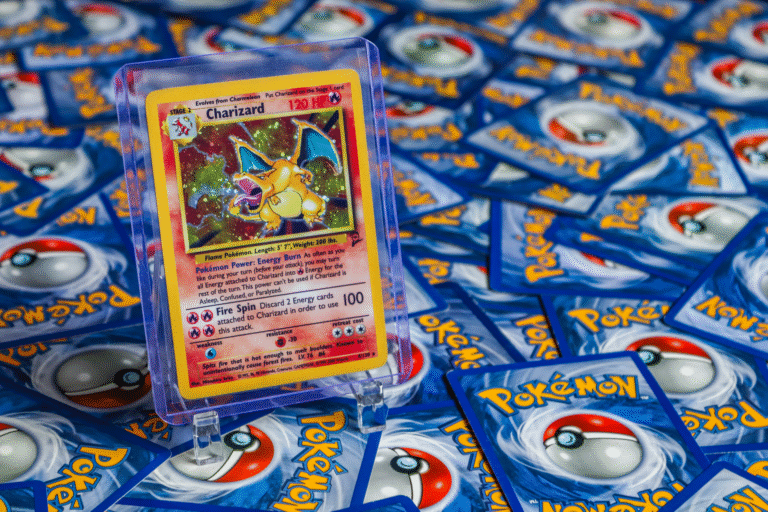
Pokémon popularity polls aren’t just entertainment—they meaningfully affect card prices and collecting behavior. When Greninja places surprisingly high in a poll or unexpectedly gains attention, demand for Greninja cards typically spikes within weeks. This isn’t a coincidence. Casual collectors see their favorite creature has broader appeal than they realized and suddenly want to acquire cards.
Tournament players notice shifts in competitive interest reflected in the poll and anticipate meta shifts. However, the correlation isn’t perfect, and treating viral polls as market predicators is risky. A Pokémon that ranks high in a nostalgia-driven poll (Charizard, Gyarados) already has elevated card prices and limited upside. Meanwhile, a creature that spikes in a poll due to a recent anime appearance or competitive success might see a brief price bump that corrects after the trend fades. Savvy collectors distinguish between “won a poll” and “has genuine long-term demand,” using polls as a signal to watch for deeper shifts rather than acting on the result directly.
The Limitations of Using Popularity Polls for Actual Preference Data
Pokémon popularity polls contain significant skews that matter for anyone trying to interpret them seriously. Casual fans are more likely to vote than hardcore players, skewing results toward recognizable, aesthetically appealing creatures over competitively dominant ones. Region bias is substantial—Kantonian creatures from the original games dominate polls, while newer generations often underperform relative to their actual player bases. A creature that’s popular in Japan might rank much lower in a Western poll, even if both versions claim to be global.
The timing of a poll matters enormously. A poll released right after a major Pokémon announcement, new game release, or anime storyline will be contaminated by recency bias. Similarly, bot voting and organized fan campaigns can artificially inflate results for less popular creatures. Some polls are deliberately seeded with close matchups between unlikely competitors to generate debate and engagement, meaning the poll designer has already determined the framework that produces “viral” results.

Generational Divides in Pokémon Poll Results
Different generations have wildly different favorites, and this generational sorting creates built-in conflict that fuels engagement. A fan of Pokémon Emerald will defend Rayquaza with the same fervor that a Pokémon Sword player defends Grimmsnarl. These aren’t actually disagreements about which Pokémon is objectively best—they’re disagreements about which era of the franchise resonates most.
Polls capture that generational tension perfectly, letting Gen 4 fans and Gen 8 fans argue without ever having to concede. This is why Pokémon polls reach mainstream audiences in a way that’s surprising for gaming content. People who’ve never read a Game Freak press release will engage because the poll taps a nostalgic nerve. A Gen 1 Pokémon ranking will get votes from people who haven’t thought about the franchise in 15 years but suddenly remember Blasphemy or Dragonite and feel compelled to participate.
The Future of Pokémon Polls in a Crowded Media Landscape
As the Pokémon franchise continues releasing new games, cards, and show content simultaneously, polls are becoming more fragmented. A poll about “strongest Pokémon” gets different answers than “best-looking Pokémon” or “most underrated in card value.” The all-encompassing “favorite” poll is giving way to more specific formats that still generate engagement but measure different things. This specialization actually makes polls more valuable for specific questions—collectors can run polls specifically about competitive viability or collectibility, not just general appeal.
Looking forward, the franchise’s expansion into new regions and mechanics means the Pokédex will continue growing, making consensus rankings harder to achieve. This paradoxically makes polls more viral, because the larger the pool of options, the more people have defensible takes. A 1,000-Pokémon poll generates 1,000 different “actually this creature is underrated” responses, each one a potential viral moment.
Conclusion
Pokémon popularity polls go viral because they combine genuine emotional investment, low barriers to participation, and a franchise large enough to let nearly everyone have a defensible favorite. The fanbase spans generations and doesn’t sort neatly by competitive skill or engagement level, meaning debates about polls feel inclusive rather than gatekeeping. Social media’s preference for engagement-driving content amplifies this effect, turning a simple ranking into trending topics and discourse that reaches millions.
For collectors and players, polls serve as a useful signal about cultural shifts and emerging interest, but shouldn’t be treated as market predicators. The real insight comes from watching which creatures spike repeatedly across different polls and which spikes are one-time viral moments. A Pokémon that consistently ranks high across multiple formats, different communities, and different poll types is likely experiencing genuine sustained interest—the kind that translates to real card demand and collector behavior.
Frequently Asked Questions
Do Pokémon popularity polls actually predict which cards will increase in value?
Not reliably. Polls measure cultural sentiment and nostalgia, which sometimes correlate with card demand but not always. A Pokémon that’s already expensive (like Charizard) will likely stay expensive regardless of poll placement. The more useful signal is a creature that ranks unexpectedly high, which might indicate growing interest among a particular demographic or generational cohort.
Why do older Pokémon like Charizard and Pikachu always dominate polls?
Gen 1 creatures have the advantage of nostalgia and cultural saturation—they appear in games, cards, merchandise, and media continuously. They’re also the most recognizable to casual audiences. Newer generations can’t compete on sheer cultural familiarity, though they sometimes win specific demographic segments or recent polls conducted shortly after new releases.
Can you actually compare results across different Pokémon polls?
Carefully. Polls vary by sample size, voting method, question phrasing, and timing. A poll with 50,000 votes is more meaningful than one with 5,000. A poll run on Twitter reaches a different audience than one run through an official Pokémon channel. The best practice is to track the same creature across multiple polls to watch for trends rather than trusting any single poll result.
How much do bot votes and organized campaigns affect Pokémon polls?
It depends on the poll’s security measures. Official Pokémon polls conducted on their website or app have verification built in. Community-run polls on Twitter or Reddit are more vulnerable to coordinated voting. If you notice a creature’s vote total jumping suspiciously or campaign hashtags emerging, the results have likely been influenced by fan organization rather than organic preference.
Do Pokémon polls impact the competitive meta or card set design?
Rarely in a direct way, though game developers certainly pay attention to them. A popular Pokémon might get featured in promotional cards or given competitive viability in a future set, but that’s usually driven by other factors like narrative fit or game design goals. Card designers don’t intentionally make fan-favorite creatures weak just to surprise players.