Pokémon TCG Pocket has established itself as far more than a casual mobile distraction since its launch in late 2024. The game has become a genuine entry point to the Pokémon Trading Card Game ecosystem, with millions of active players using it to learn mechanics, discover cards, and engage with the community in ways that directly influence physical card demand and collector interest. Unlike previous mobile Pokémon games that existed in isolation, TCG Pocket is architecturally tied to real card availability, featuring actual cards from the physical TCG and mechanics that mirror the competitive format—making success in the digital space a legitimate pathway to understanding and investing in physical card collecting.
What began as an accessible mobile companion to the physical game has evolved into a standalone phenomenon that’s reshaping how players discover rare cards and develop trading strategies. Players are now using TCG Pocket insights to inform purchasing decisions on physical cards, with certain cards gaining collector attention specifically because they’ve become sought-after in the digital game. The game’s economy—powered by gathering digital variants of real cards—creates a feedback loop where digital popularity drives physical demand, and collector interest drives feature updates in the mobile app.
Table of Contents
- How Is TCG Pocket Transforming Player Onboarding Into the Broader Card Game?
- The Limitations of Digital Card Ownership and What It Means for Physical Collectors
- How TCG Pocket Drives Physical Card Demand and Market Volatility
- How Collectors Should Integrate TCG Pocket Into Their Purchasing Strategy
- The Real Risks of Over-Investment in TCG Pocket’s Economy
- TCG Pocket’s Connection to Official Pokémon Company Competition and Recognition
- What’s Next for TCG Pocket and the Physical Card Market
- Conclusion
How Is TCG Pocket Transforming Player Onboarding Into the Broader Card Game?
TCG Pocket serves as a low-friction introduction to pokémon TCG mechanics that the physical card game itself has never been able to provide. New players can learn deck-building logic, type matchups, and card synergies through guided gameplay without needing to invest $200 in a starter collection or spend weeks learning by playing against experienced opponents. This educational role is significant because the physical TCG has historically suffered from accessibility barriers—players entering the hobby as adults or teenagers often felt overwhelmed by the complexity and cost.
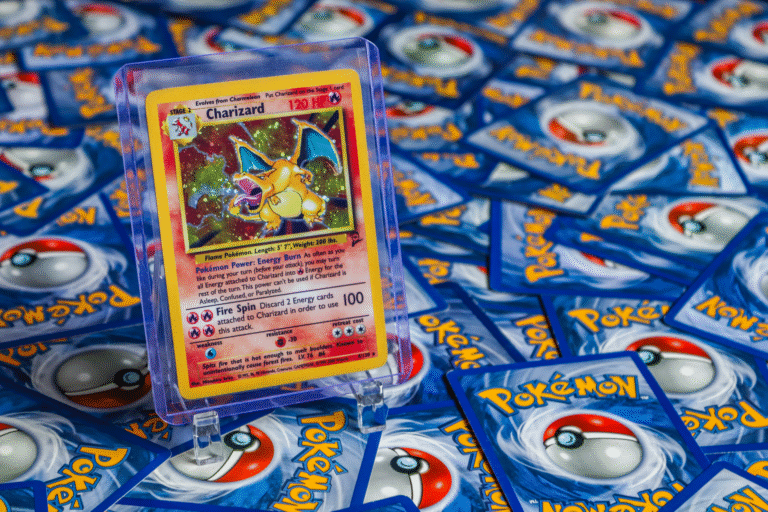
The game’s tutorial structure and progressive difficulty mirror competitive TCG education so closely that serious players have begun recommending it as a training ground before buying physical cards. Someone interested in Charizard-based decks, for example, can experiment with Charizard cards in TCG Pocket for free, understand which supporting cards make the strategy viable, and then make informed purchasing decisions about which physical version to target. This shifts TCG Pocket from being entertainment into being a functional research tool for the collector market.

The Limitations of Digital Card Ownership and What It Means for Physical Collectors
A critical limitation of TCG Pocket’s growth is that digital card ownership provides no hedge against market volatility in the physical card space. Players can invest hundreds of hours and significant money into a collection within TCG Pocket only to have cards rotate out of competitive viability or have the game sunset entirely if The Pokémon Company decides it’s no longer profitable. physical cards, by contrast, retain inherent value and collectibility independent of any company’s server infrastructure or update schedule.
This distinction creates a two-tier engagement reality that collectors need to understand: TCG Pocket players who never transition to physical cards are essentially renting access to a card game rather than building lasting assets. The game explicitly warns players that digital cards have no cash-out value and cannot be moved between accounts or games. Serious collectors should view TCG Pocket as a testing ground, not a substitute for physical card investment. The temptation to spend money on digital boosters rather than saving for high-grade vintage cards is real, and many players are discovering after significant spending that they prefer the permanence of physical ownership.
How TCG Pocket Drives Physical Card Demand and Market Volatility
The most measurable impact of TCG Pocket’s success is its effect on secondary market pricing for cards featured prominently in the game. Cards that are competitive staples in TCG Pocket, such as Articuno and Mewtwo from early-game releases, have seen increased collector interest and modest price appreciation on resale sites. When a card becomes either difficult to obtain in TCG Pocket or develops a strong competitive reputation within the mobile meta, collectors monitoring physical card markets observe correlated uptick in real-world demand.
A concrete example: Alakazam received significant competitive push through TCG Pocket strategies, which corresponded with searches for the actual card increasing across PSA and secondary market platforms. While the effect isn’t dramatic enough to turn bulk cards into valuable commodities overnight, it creates measurable signals that can inform collecting strategy. Players who track both the digital meta and physical card prices can occasionally identify arbitrage opportunities—cards that are clearly undervalued in the physical market relative to their demonstrated competitive viability in the digital game.

How Collectors Should Integrate TCG Pocket Into Their Purchasing Strategy
For established physical card collectors, TCG Pocket works best as a complement rather than a replacement for their existing hobby. A collector can use the game to test whether an archetype they’re considering building in physical format actually appeals to their play style before committing $300 to card acquisition. This reduces the risk of purchasing cards for a deck concept that turns out to be frustrating or less enjoyable than anticipated. The tradeoff is time investment versus cost savings.
Learning deck theory through a few weeks of TCG Pocket play delays physical card purchases but prevents expensive strategic mistakes. A collector might discover through digital play that they prefer control decks over aggressive strategies, which dramatically changes their target card list. Conversely, some collectors find that TCG Pocket engagement accelerates their physical investment because the game convinces them that they want to play competitively in real tournaments. The key is being intentional about which signals from the digital game should influence real-world spending decisions and which are temporary meta shifts that won’t translate to physical TCG viability.
The Real Risks of Over-Investment in TCG Pocket’s Economy
Players have encountered tangible problems with TCG Pocket’s monetization structure that collectors should be aware of before spending significant money in the game. The gacha-style booster system means that players chasing specific cards can spend money without any guarantee of obtaining them, similar to the physical card market’s sealed product gamble but without the physical asset at the end. The game includes no trading system as of 2025, meaning a player who pulls duplicate rare cards cannot move them to friends or accounts that need them.
A significant limitation emerged when The Pokémon Company began rotating older cards out of competitive accessibility in TCG Pocket, signaling that the game’s format will evolve in ways that can suddenly devalue cards players spent months gathering. This mirrors the physical TCG’s rotation system, but with a critical difference: physical cards retain collectible value even when rotated from competitive play, while TCG Pocket cards that fall out of the competitive meta often become borderline useless within the game. Players who invested heavily in now-obsolete digital card strategies have no recourse and no secondary market where they could recover their investment.

TCG Pocket’s Connection to Official Pokémon Company Competition and Recognition
Pokémon TCG Pocket currently exists outside the official Pokémon TCG competitive circuit, which is important context for collectors deciding whether the game deserves their time and money. While Creatures Inc. and The Pokémon Company carefully track TCG Pocket meta trends and use them to inform physical card rebalancing decisions, victories in the mobile game earn no official Player ID points and carry no weight in championship qualifications.
However, The Pokémon Company has been gradual and strategic about integrating TCG Pocket data into TCG competitive ecosystem decisions, suggesting that the separation between digital and physical competition may not be permanent. Players who excel in TCG Pocket now have demonstrably stronger foundational understanding of current card mechanics when they transition to physical play, which gives them a competitive edge in local tournaments. As the game matures, official recognition of TCG Pocket achievements is becoming increasingly likely, which would fundamentally elevate its status within the collector and competitor community.
What’s Next for TCG Pocket and the Physical Card Market
The trajectory of TCG Pocket suggests the game will continue deepening its integration with the physical TCG ecosystem rather than remaining separate. Future updates will likely include more direct pathways between digital success and physical game incentives, such as in-game cosmetics that reference current physical set releases or card design influences that flow from TCG Pocket meta development back to the physical game design team.
For collectors specifically, the long-term strategy should be treating TCG Pocket as a strategic intelligence tool rather than a substitute for physical investment. As the game’s player base stabilizes and matures, the signals it provides about which cards have genuine competitive utility—independent of hype cycles—will become increasingly valuable for collectors trying to identify cards worth acquiring before they spike in price.
Conclusion
Pokémon TCG Pocket has transcended mobile game status by becoming a functional component of the broader TCG ecosystem. It educates new players, drives secondary market demand for specific cards, and provides competitive insights that serious collectors can use to inform investment decisions. The game is no longer optional context for understanding the physical TCG’s trajectory—it’s now central to how competitive archetypes develop and how player interest flows through the market.
For collectors looking to engage with TCG Pocket responsibly, the approach should be clear-eyed and strategic. Use the game to learn, test deck concepts, and identify undervalued cards in the physical market, but remember that digital ownership is temporary and speculative. The real value lies in letting TCG Pocket inform your physical card strategy, not in substituting digital engagement for the lasting asset-building that comes from owning actual cards. As The Pokémon Company continues integrating the game into the broader competitive ecosystem, collectors who understood TCG Pocket’s role early will have an informational advantage in identifying which cards deserve long-term acquisition focus.