Pokémon merchandise stories tap into something few other niches can access: a massive, multi-generational audience that maintains deep emotional attachments to specific products and price points. When you write about rare cards, limited drops, or unexpected finds, you’re not just describing objects—you’re telling stories about investment, nostalgia, and community that resonate across social platforms and drive engagement far beyond typical niche content. The 2021 Pokémon card market surge, which saw PSA 10 Charizard cards sell for over $300,000, created a goldmine of narrative opportunities that still generate traffic today because the story wasn’t just about money—it was about collectors who waited decades to own that card or investors who recognized an undervalued asset before the world did.
What makes these stories perfect for viral content is their built-in conflict and relatability. A collector finding a shadowless first edition in a dusty basement hits every emotional note: the discovery, the validation of childhood taste, the potential financial windfall, and the shared experience of anyone who’s ever owned Pokémon cards. Unlike many niche hobbies that appeal only to active practitioners, Pokémon merch stories reach former players, parents, investors, and curious onlookers because almost everyone has at least a passing familiarity with the franchise. This broad accessibility combined with the passionate core audience creates ideal conditions for content that generates shares, comments, and return visits.
Table of Contents
- Why Pokémon Products Capture Attention Better Than Most Collectibles
- The Reality of Audience Expectations and Content Saturation
- Real Examples of Viral Pokémon Merchandise Stories
- How to Build Narratives That Connect with Collectors and Casual Audiences Simultaneously
- Avoiding Common Pitfalls That Undermine Credibility in Collectibles Coverage
- Nostalgia as a Driving Force in Pokémon Merchandise Virality
- The Evolving Landscape of Pokémon Merchandise as Blog Content
- Conclusion
- Frequently Asked Questions
Why Pokémon Products Capture Attention Better Than Most Collectibles
pokémon merchandise carries layered appeal that transcends typical collectible coverage. Unlike rare stamps or coins, which require specialized knowledge to appreciate, anyone who grew up in the 1990s or 2000s can immediately understand why a Holographic Blastoise card matters. The franchise has maintained cultural relevance through games, shows, and new releases for over three decades, meaning Pokémon merchandise constantly bridges past and present—a collector might be hunting for cards they owned at age eight while simultaneously investing in new products with resale value in mind. This creates multiple story angles: the nostalgia angle (I found my childhood collection), the investment angle (smart traders caught the wave early), and the status angle (this is the rarest card of the era).
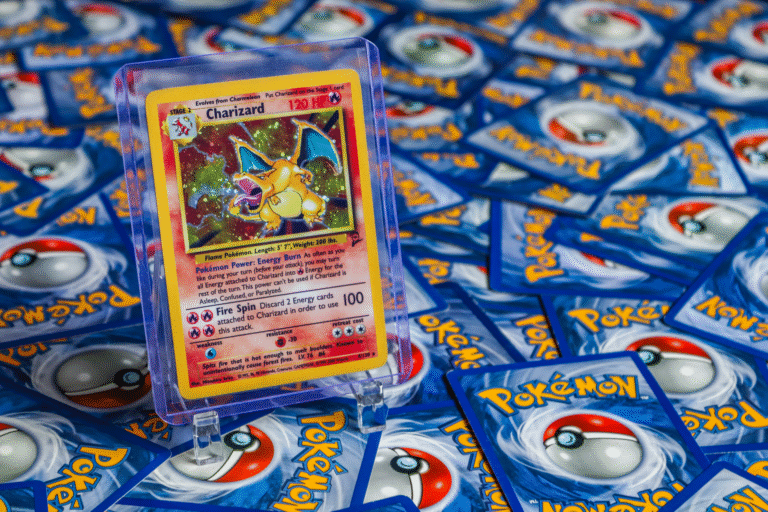
The visual appeal of Pokémon merchandise also deserves emphasis. High-resolution photos of holographic cards, graded PSA cases, or rare promotional items are inherently Instagram-worthy, which means your content works across platforms without requiring readers to imagine or visualize the subject. Compare this to writing about vintage trading cards with plain designs or sports memorabilia where condition matters more than visual impact—Pokémon cards themselves are designed to be eye-catching and beautiful. When you pair striking visuals with a compelling story about provenance or pricing movements, the content nearly markets itself.

The Reality of Audience Expectations and Content Saturation
While Pokémon merch stories perform well, the space is increasingly crowded with both professional content creators and casual bloggers covering the same ground. YouTube channels dedicated entirely to opening booster boxes, grading stories, and price tracking have built substantial audiences, which means your article competes not just with other blogs but with video content, community forums, and real-time price data available on sites like TCGPlayer or PWCC Marketplace. This doesn’t disqualify written content—many collectors still prefer reading detailed analysis to watching a thirty-minute unboxing video—but it means generic “here’s a valuable card” stories rarely gain traction anymore. Your angle needs specificity: why this card matters in the current market context, what changed to affect its price, or what the story reveals about collector behavior.
The flip side is that misinformation about Pokémon values and rarity spreads rapidly in this space. A blog post claiming a particular card is “extremely rare” or “about to skyrocket in value” can attract attention but damages credibility the moment readers fact-check against actual sales data. Grading companies like PSA and Beckett regularly update population reports showing exactly how many of each card exists in each condition, which means overstating rarity or value doesn’t survive scrutiny. The most successful Pokémon merch content acknowledges nuance: cards that were thought to be rare turn out to have higher populations than expected, market sentiment shifts based on new releases, and prices reflect hype cycles as much as inherent scarcity.
Real Examples of Viral Pokémon Merchandise Stories
The discovery and grading of the “Shadowless” Charizard (a first edition Base set card with no printed set symbol) perfectly illustrates why Pokémon merchandise stories go viral. When collectors find these cards in old collections or at estate sales, the story arc is compelling: an item worth perhaps $30 in played condition becomes worth thousands if it grades well. The narrative element—someone’s childhood deck turning into a significant asset—resonates emotionally, while the specificity (exact set, condition grade, final auction price) gives readers something concrete to engage with. Articles and videos about shadowless finds consistently perform well because they combine tangible outcome (here’s the final grade and price) with universal experience (many people had Base Set cards as kids).
The 2023 discovery of a Pokémon Illustrator card in the wild—the most valuable Pokémon card ever printed—generated viral coverage not just because of the card’s $5.275 million sale price, but because the narrative was unexpected. Collectors knew this card existed in extremely limited quantities, so finding one was treated as a genuine cultural moment. Articles that contextualized this discovery within the broader grading and authentication ecosystem, explaining why this particular card mattered and how authentication has shaped Pokémon collectibles, provided more lasting value than simple price-reporting. This teaches an important lesson: viral Pokémon merch content usually needs a narrative hook beyond “valuable item costs a lot,” because those stories date quickly and ring hollow to informed readers.

How to Build Narratives That Connect with Collectors and Casual Audiences Simultaneously
The most shareable Pokémon merchandise articles balance insider knowledge with mainstream accessibility. This means explaining what a PSA grade 10 actually means for readers unfamiliar with card grading systems, while also acknowledging that experienced collectors use these grades as shorthand. A successful article might explore how grading standards have shifted over time—PSA 10 cards that were nearly impossible to find in the early 2000s are now more common, which affects pricing strategies—in a way that teaches newer readers about the grading ecosystem while validating experienced collectors’ knowledge. The trade-off is that this requires more depth than casual posts, but the payoff is content that works for both audiences simultaneously.
Comparison frameworks are particularly effective in Pokémon merchandise content. Rather than simply stating that a particular card is expensive, comparing its price trajectory to related cards helps readers understand the broader market. For example, explaining that a Holographic Blastoise from Base Set has historically been 20-30% more expensive than a Holographic Venusaur, even though they were printed in the same set, opens discussions about aesthetics, collector preferences, and supply differences. This type of contextual analysis separates opinion-based hot takes from data-informed writing and encourages readers to think critically about their own collecting priorities.
Avoiding Common Pitfalls That Undermine Credibility in Collectibles Coverage
One major pitfall is treating individual sales as market trends. A single Pokémon card selling for an extraordinary price at auction doesn’t indicate that all similar cards in that condition have shifted value. Readers with collecting experience immediately recognize this error, and it tanks the credibility of your entire article. When covering a notable sale, distinguish between the specific circumstances that made that sale notable (pristine condition, particular buyer interest, historic moment) and what it actually signals about the broader market. If you’re unsure whether a sale represents genuine market movement, say so explicitly rather than extrapolating.
Another common issue is sourcing information from unverified community posts or secondary discussions rather than primary data. The Pokémon collecting community is active and helpful, but rumors spread quickly. Prices fluctuate based on speculation, new set releases, or notable influencer mentions, and these temporary spikes aren’t the same as sustained demand. A responsible article either cites actual sales data (completed eBay listings, auction house records, TCGPlayer historical prices) or frames speculation as speculation. This is especially important because newer collectors may not yet understand market cycles and might make purchasing decisions based on inflated hype cycles promoted in low-credibility sources.

Nostalgia as a Driving Force in Pokémon Merchandise Virality
Pokémon merch stories benefit enormously from nostalgia appeals because the franchise’s oldest fans are now in their 30s and 40s with disposable income, which creates a massive market that didn’t exist when these products were first released. An article about finding your childhood Pokémon cards in a shoebox is inherently more compelling to this demographic than similar stories about contemporary collectibles, because it validates both their childhood taste and their current investment decisions. The story becomes “you were right to love these things and now they’re also valuable,” which is a deeply satisfying narrative for the intended audience.
The limitation of nostalgia-driven content is that it ages less gracefully. A piece about discovering 1990s cards remains relevant to collectors, but Pokémon’s newer releases and modern collecting community operate differently, with different financial dynamics. Articles written primarily to appeal to the nostalgia audience may miss or alienate younger collectors who care about current set economics rather than base set rarity. Successful long-term Pokémon content acknowledges both audiences: the nostalgia-driven collectors supporting the market through re-engagement, and the newer generation of collectors and investors who treat Pokémon cards as actual assets.
The Evolving Landscape of Pokémon Merchandise as Blog Content
The Pokémon collectibles market continues to shift, which creates ongoing opportunities and challenges for content creators. Recent years have seen increased mainstream media attention (documentaries, Netflix features, major auction house participation), which means that general news outlets are now covering high-value card stories that used to be exclusive to niche enthusiast blogs. This competition from established media is a reality, but it also means more people are learning about Pokémon collectibles and seeking deeper analysis than surface-level price reporting.
Articles that explore market psychology, authentication challenges, or long-term collecting strategies gain relevance precisely because casual coverage is now available elsewhere. The integration of Pokemon cards into broader investment and wealth conversations also changes how these stories function. Articles that position Pokémon merch within the context of alternative asset classes, bubble dynamics, or collector behavior patterns resonate with audiences beyond traditional card enthusiasts. Forward-looking content that acknowledges both the passionate community and the financial realities of collecting—including the genuine risk that prices could decline significantly from current peaks—builds trust and encourages repeat readership.
Conclusion
Pokémon merchandise stories are perfect for viral blog content because they combine emotional resonance, broad audience accessibility, and built-in visual appeal with a genuine market that generates ongoing news and price movement. These stories work across multiple audience segments simultaneously: nostalgic former players, active collectors, casual observers, and investors all find relevant angles within Pokémon merch narratives.
The key to maximizing this potential is moving beyond surface-level price reporting toward substantive analysis that acknowledges both the passion driving the market and the financial realities underlying it. Your most effective approach is combining specific examples (a real card with a real price trajectory) with contextual information (what this sale means in the broader ecosystem) and honest limitations (where the data is uncertain or where hype might be inflating expectations). The collectors who share and discuss your content are informed enough to recognize superficial analysis, which means depth, accuracy, and nuance are non-negotiable if you want your articles to build long-term audience trust and viral momentum within the community.
Frequently Asked Questions
Why do Pokémon merchandise stories perform better than stories about other collectibles?
Pokémon has maintained cultural relevance across multiple decades and generations, visual appeal built into the product design, and a combination of emotional (nostalgia) and financial (investment) motivations that resonate broadly.
How do I verify that a Pokémon card price claim is actually accurate?
Cross-reference claimed prices against primary sales data like completed eBay auctions, major auction houses (Heritage Auctions, PWCC), and grading company population reports. Avoid relying solely on asking prices (what sellers want) rather than actual sale prices (what buyers paid).
Should I cover recent set releases or focus on vintage cards?
Both have audiences, but vintage cards tend to generate more viral coverage because of nostalgia and rarity narratives. Recent releases offer ongoing angles around box openings, grading results, and short-term price movements. The strongest approach covers both.
What’s the biggest mistake writers make when covering Pokémon merch?
Treating individual high-value sales as proof of general market trends. One card selling for $50,000 doesn’t mean all similar cards have increased in value. Always contextualize sales within their specific circumstances.
How can I stand out when so many creators cover Pokémon collectibles?
Focus on angles that require research and analysis rather than price reporting: market psychology, authentication trends, long-term investing lessons, or unexpected discoveries within specific sets or eras.