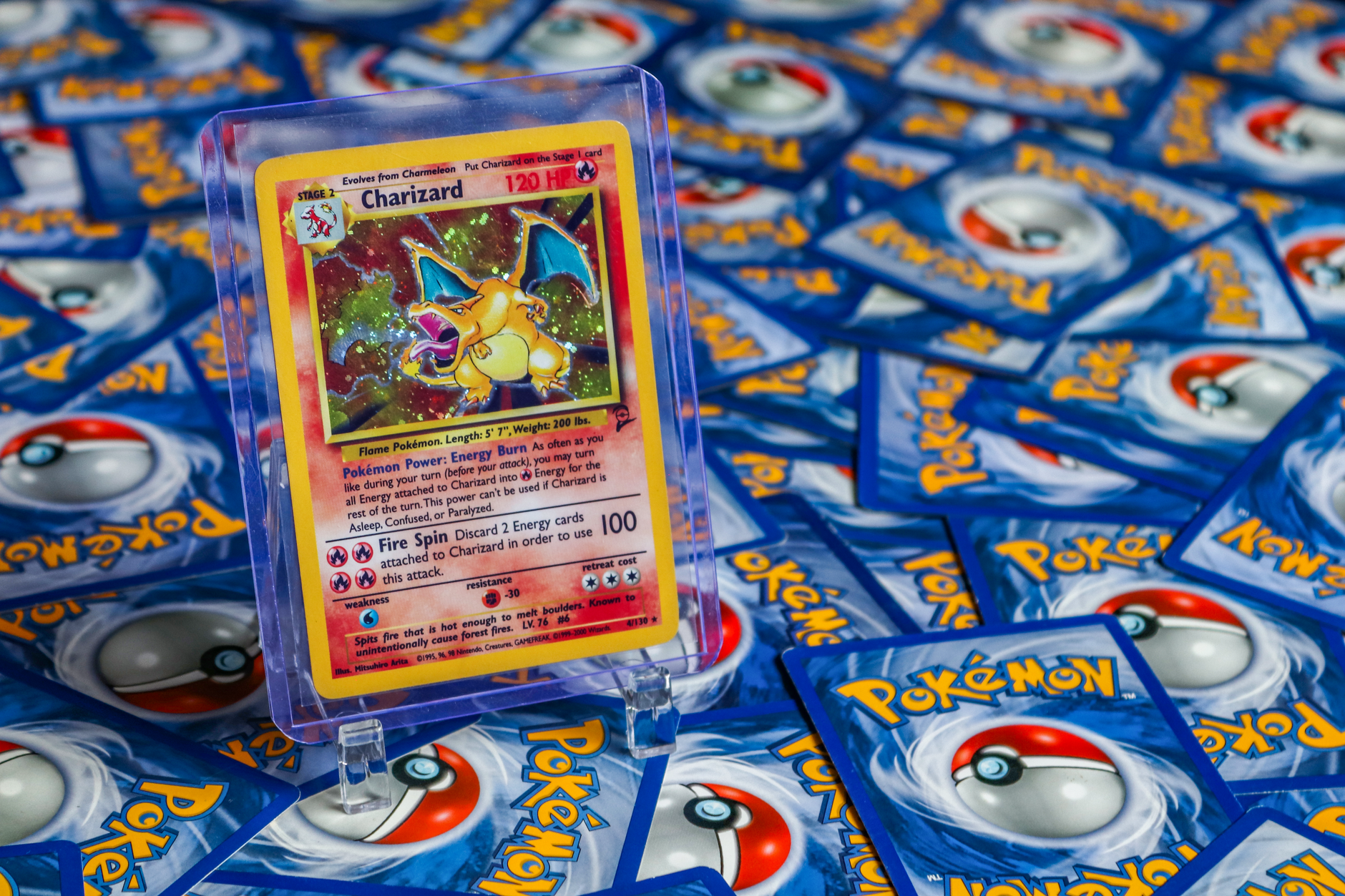
Scarlet Violet 151 refers to the expanded set of Pokémon Trading Card Game cards from the Scarlet and Violet era, released as a special collection that celebrates the first 151 Pokémon species. The “151” designation is significant because it mirrors the original Pokédex count from the Red and Blue games, making these cards particularly attractive to both modern collectors and those nostalgic for the franchise’s early years.
Holographic reverse holo versions of these cards represent some of the more visually striking variants available in this set, with the reverse holo treatment creating a subtle shimmering effect across the entire card background while leaving the Pokémon image non-holographic. Finding these specific card variants requires understanding the difference between standard holographic and reverse holo treatments, as well as navigating the secondary market where individual cards are bought and sold. These cards are not rare in the sense of being impossible to acquire, but certain Pokémon—particularly popular ones like Charizard, Dragonite, or Alakazam—command significantly higher collector interest and correspondingly higher prices than more common entries in the set.
Table of Contents
- What Are Holographic and Reverse Holo Cards in Scarlet Violet 151?
- Card Quality and Authentication Considerations
- Sourcing Cards from Different Retailers and Markets
- Understanding Price Variation and Market Dynamics
- Grading, Slabbing, and Long-Term Value Considerations
- Condition Grading and Visual Assessment
- Building a Scarlet Violet 151 Reverse Holo Collection Strategically
What Are Holographic and Reverse Holo Cards in Scarlet Violet 151?
Holographic cards feature a reflective pattern across the entire card surface, with the Pokémon illustration typically having the strongest holographic effect. Reverse holo cards flip this treatment—the background receives the holographic shine while the illustration remains matte. In Scarlet Violet 151, both treatments represent legitimate card variants that appeared in official booster packs and collection boxes, though they carry different visual appeals and collector preferences.
Reverse holo cards often appeal to collectors who prefer a cleaner look at the Pokémon artwork itself without the holographic overlay obscuring details. The shimmering background of a reverse holo can create a sophisticated visual effect that some collectors prefer to the traditional full holographic treatment. However, the market has historically shown stronger demand for traditional holographic versions of more iconic Pokémon, which can result in price disparities between the two treatments for the same card.
Card Quality and Authentication Considerations
When purchasing holographic or reverse holo cards from Scarlet Violet 151, condition assessment becomes critical because the holographic elements can show wear through scratches, whitening on edges, or haze across the surface. A card graded as Mint (9 or 10) by professional grading services will display clean, unobstructed holographic effects, while even lightly played cards may show micro-scratches that catch light differently and reduce visual appeal. One limitation collectors often encounter is that not all vendors accurately describe card condition in their listings.
A seller might claim “near mint” when the card displays visible edge wear or light surface scratches that are apparent under close inspection. Additionally, the cost of professional grading services (typically $10-20 per card) can consume a significant portion of the value gained by certifying lower-value cards from this set, making it economically sensible to grade only the more expensive Pokémon variants. Counterfeit cards do exist in the secondary market, though they are less common for recent sets like Scarlet Violet 151 compared to vintage cards; however, buyers should still examine card stock thickness, print quality, and font consistency when making significant purchases.
Sourcing Cards from Different Retailers and Markets
Cards from Scarlet Violet 151 can be sourced through official retail channels like The Pokémon Company’s website and authorized distributors, as well as through secondary markets including eBay, TCGPlayer, and specialized card retailers. The choice of source affects both availability and pricing; official retailers provide price consistency and product authenticity guarantees, while secondary markets offer completed inventory but with greater variation in pricing based on seller reputation and card condition.
TCGPlayer and similar aggregators allow collectors to compare prices across multiple vendors for the same card, which can reveal substantial differences—a reverse holo rare might be listed anywhere from 30% below to 50% above average market price depending on condition grading and seller positioning. Local card shops offer the advantage of examining cards in person before purchase, eliminating the uncertainty of trusting photographs and written descriptions alone, though their inventory and pricing may be less competitive than online options. For buyers seeking specific high-value cards from this set, establishing relationships with reputable dealers and following their pricing trends over time provides better long-term value than making impulse purchases based on individual listings.
Understanding Price Variation and Market Dynamics
The price of any given holographic or reverse holo card from Scarlet Violet 151 fluctuates based on multiple factors: overall TCG market sentiment, Pokémon popularity in competitive play or media coverage, and broader economic conditions affecting discretionary hobby spending. A Pokémon that receives positive media coverage or performs well in competitive tournaments may see temporary price spikes as collectors rush to acquire that card, while others remain relatively stable. Reverse holo versions typically trade at 20-40% discounts compared to their standard holographic counterparts for the same Pokémon, though some collectors value specific reverse holos highly enough to narrow or even reverse that gap.
The tradeoff between buying now and waiting for price drops involves weighing opportunity costs against collection completion. If a particular card has been consistently available at current pricing levels across multiple vendors, that suggests stable demand rather than speculative hype, making it safer to purchase when you want the card. Conversely, cards showing sharp recent price increases are more likely to experience corrections, particularly if the price movement appears driven by temporary social media attention or collector hype rather than fundamental changes in card availability or popularity.
Grading, Slabbing, and Long-Term Value Considerations
Professional grading services like PSA, BGS, and CGC assign numerical grades to cards and encapsulate them in protective slabs. For cards worth $50 or more, this investment often makes financial sense; for cards worth $15-30, the grading cost represents a larger percentage of total value and may not be justified unless you intend to keep the card long-term. A graded reverse holo rare from Scarlet Violet 151 receives both a numerical grade and a permanent authentication statement, which can be valuable if you eventually sell the card or need to verify its authenticity.
One limitation of grading is that slab populations—the number of copies of a specific card graded at each grade level—create artificial rarity that inflates prices. A reverse holo card that has been graded a 9 may command a premium over identical raw cards, but that premium may not persist if large quantities of that card subsequently enter the grading pipeline. Additionally, slabbed cards occupy more shelf and storage space than raw cards, and they cannot be played in tournaments, limiting their utility for players who view collecting as part of active TCG participation rather than pure investment.
Condition Grading and Visual Assessment
Learning to evaluate card condition yourself helps you identify overpriced listings and negotiate better deals from private sellers. Check the card’s corners for whitening (where the dark edges of the card blank become visible), examine the surface under different lighting angles for scratches or haze, and inspect the edges and center alignment of the print. A reverse holo card with light haze across the background may still be considered “lightly played” in collector grading, but it will look noticeably different from a clean copy under normal viewing conditions.
Professional graders assign specific criteria to each grade level, and understanding these benchmarks helps calibrate your expectations. A PSA 8 card typically displays some combination of light wear—a few barely visible scratches, light edge wear, or minor surface effects—that would be difficult to spot from casual viewing distance but becomes obvious under close examination. Many collectors find that cards graded 7 or 8 represent the best value proposition for display and collection purposes, as they appear excellent to the casual observer while costing significantly less than mint-condition 9s and 10s.
Building a Scarlet Violet 151 Reverse Holo Collection Strategically
If your goal is to accumulate all 151 reverse holo cards from this set, prioritizing common and uncommon cards first allows you to establish a foundation at minimal cost, then strategically acquiring rares and special cards over time as budget allows. Many collectors find that booster boxes or specific collection products targeting this set offer better per-card value for commons and uncommons than purchasing individual cards from sellers, though buying sealed products requires upfront capital and introduces the unpredictability of pack pulls.
For reverse holo rares specifically, tracking price trends across 2-3 months can reveal whether a particular card is stable or trending upward, informing whether to purchase immediately or wait. A card that has held the same price across multiple vendors for several months is likely at genuine market value, while one that has spiked upward in recent weeks carries higher risk of eventual price correction. Starting with less-popular Pokémon variants and gradually adding more desirable ones as finances allow creates a functional collection without overcommitting resources to any single card.
You Might Also Like
- Buy Silver Tempest Radiant Pokemon Cards Graded Near Mint Condition
- Price Charting for Secret Wonders Wigglytuff Holo
- Price Charting for Secret Wonders Venusaur Holo