Pokémon merchandise drops now feel like events because they’ve become genuinely scarce, strategically timed, and deliberately rationed in ways that create real urgency rather than artificial hype. When Pokémon Center products sell out in 2-7 minutes using randomized queue systems instead of first-come, first-served access, when Target’s Pokémon collection sees items resold on eBay for three times retail price, and when the 30th anniversary window is being treated as a perceived scarcity window by both retailers and collectors, these aren’t marketing campaigns anymore—they’re logistical events that shape collector behavior and drain wallets. The Pokémon Company has orchestrated a release calendar in 2026 that treats merchandise drops with the same urgency and coordination as product launches in gaming or fashion, complete with virtual waiting rooms, purchase limits of 2-4 items per customer, and retail partnerships staggered across Target, Walmart, and Pokémon Center to maximize reach while maintaining artificial scarcity.
This transformation happened gradually over the past few years, but it crystallized completely in 2026. The difference between a normal product release and a Pokémon merch drop today is that the latter now requires strategy, timing, and often luck—you can’t just order something you want at a reasonable price. You have to plan for drops, set timers, join queue systems, and accept that if you’re not fast enough, you’ll pay 3-5 times retail on the secondary market for the same item. For collectors who remember when you could walk into a store and buy Pokémon products at any time, this shift represents the biggest change to the hobby in years.
Table of Contents
- The Scarcity Engine: How Limited Quantities Turned Drops Into Deadlines
- Queue Systems and Purchase Limits: The Randomized Gatekeeping of Modern Pokémon Collecting
- Scalping and Secondary Markets: The Price Shock That Follows Release Day
- The 30th Anniversary Effect: Strategic Timing and Collector Psychology
- The Viral Factor and Social Media Amplification: How Drops Scale Into Must-See Events
- Modern Printing and Market Corrections: The Shift in Supply Strategy
- What This Means for the Future of Pokémon Collecting
- Conclusion
- Frequently Asked Questions
The Scarcity Engine: How Limited Quantities Turned Drops Into Deadlines
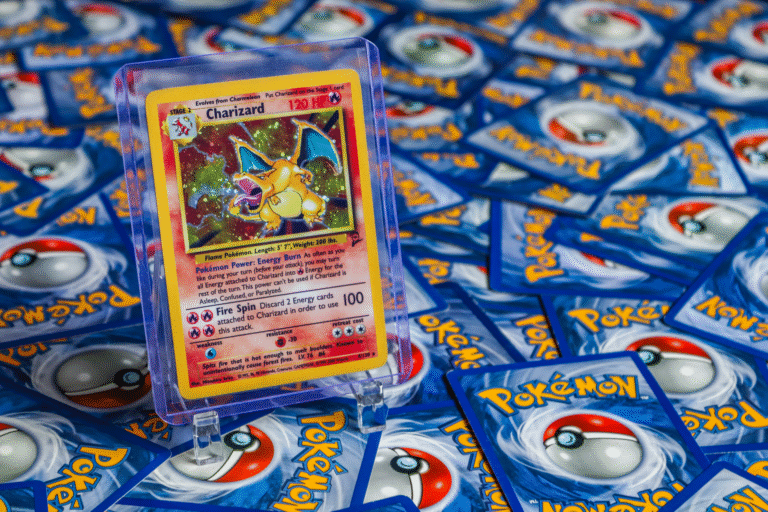
The core reason pokémon merch drops feel like events is that they’re engineered to be scarce from the moment they go live. Pokémon Center drops regularly sell out within 2-7 minutes of going live for major releases, which is fast enough that most collectors who see the announcement after the fact have already missed the window. This isn’t accidental—Pokémon Center has implemented a Priority Purchasing System in 2026 specifically designed to manage overwhelming demand and reduce bot purchases, which means the checkout experience is intentionally slowed down to be “fair” rather than fastest-finger-first. The randomized queue system means you could be in position number 50 or number 5,000, and there’s no way to know if the product will still be in stock by the time you reach the front. When a Pokémon Center exclusive Celebration Box arrives with only enough stock to last minutes, it becomes a calendar event that collectors circle in advance. The purchase limits amplify this effect. By capping orders at 2-4 items per customer, Pokémon Center prevents bulk purchases but also means collectors have to choose which products to prioritize when multiple drops happen on the same day. During the May 2026 Target x Pokémon collection rollout, which included over 100 items across two drops on May 3 and May 6, collectors had to make real decisions about what to buy and what to skip, knowing they couldn’t get everything.
Compare this to how you’d shop for clothes or books—you can buy as much as you want, whenever you want. With Pokémon products, you get a brief window, a queue you might not survive, and a firm limit on how much you can take. That’s the formula that makes it feel like an event. The consequence for collectors who miss these windows is significant. Secondary market prices tell the story: when items sell out online, collectors desperate to own them are willing to pay massive premiums. Pokémon-branded Pop-Tarts that retail for $3 have been resold on eBay for as high as $25, a 733% markup. Target’s Pokémon x Pokémon Starter Jacket, which sold for $129.99 at retail, quickly commanded prices over $100 more on eBay. These aren’t limited edition art pieces—they’re Pop-Tarts and jackets—but because the initial drop was so constrained, the secondary market becomes the only realistic option for late arrivals.

Queue Systems and Purchase Limits: The Randomized Gatekeeping of Modern Pokémon Collecting
Pokémon Center’s decision to implement randomized queues instead of first-come, first-served access is crucial to understanding why drops feel like events now rather than simple shopping experiences. When you click “notify me” and then “add to cart,” you’re not actually purchasing—you’re entering a lottery where the Pokémon Company decides who gets a chance to buy and in what order. For the Pokémon Day 2026 collection, which includes a stamped Pikachu promo, booster packs, and an anniversary coin at $15, thousands of collectors were queued up at once, and many never even got the chance to see checkout. The randomized system technically reduces the advantage for people with faster internet or better bots, but it also means legitimacy becomes irrelevant—a collector with 10 years of account history has the exact same odds as someone who created a Pokémon Center account five minutes before the drop. The purchase limit of 2-4 items per customer is presented as a fairness measure, and it does prevent large-scale hoarding by botters or resellers buying entire stock levels. However, it also creates artificial scarcity on purpose. If Pokémon Center released 10,000 units of a product without purchase limits, enough might remain in stock for days or weeks, which would flatten demand and remove the urgency.
By limiting to 4 units and leaving just enough inventory to satisfy demand from the randomized queue for 15 minutes, they ensure every drop is a sprint. The warning here is that this system doesn’t guarantee you’ll get what you want—it guarantees that some people will, many will miss out, and nearly everyone will feel like they need to be hypervigilant about their calendar and notification settings. Walmart’s approach with Walmart+ exclusive TCG drops and Target’s staggered releases show that this isn’t random friction—it’s strategic. By making Pokémon merchandise exclusive to certain retailers, certain membership tiers, or certain time windows, the Pokémon Company fragments the collector base across multiple distribution channels. You can’t just check Pokémon Center anymore; you have to monitor Target, Walmart, Santa Cruz, and various retail partners. For collectors with limited time, this is exhausting. For the Pokémon Company and retailers, it’s brilliant—it forces traffic to specific stores, drives memberships (like Walmart+), and maintains the sense of scarcity because no single retailer is responsible for large-scale stock.
Scalping and Secondary Markets: The Price Shock That Follows Release Day
The secondary market for Pokémon products has become so volatile and inflated that many collectors now assume they’ll pay 3-5 times retail if they miss the initial drop. Pokémon Center exclusive Elite Trainer Boxes (ETBs) regularly reach these multiples on eBay, Facebook Marketplace, and specialty reseller sites, driven largely by rare stamped promo cards that are only packed into a fraction of retail production. The scalping isn’t happening just on online marketplaces—it’s happening at the source. Physical retail locations like Target and Walmart see systematic inventory clearance by resellers, who show up early or check out quickly to grab stock that should be available for regular collectors. Within days of the Pokémon x Pokémon Starter Jacket releasing at Target, local inventory was depleted, forcing collectors nationwide to pay secondary market premiums or go without. What makes this worse is the amplification from social media virality. A single popular YouTube unboxing or TikTok video showing the contents of a new Pokémon product can clear local store inventory within days as viewers rush to replicate what they saw online.
The Pokémon Day 2026 collection, featuring the $15 stamped Pikachu promo set, went viral on collector communities, and many collectors who tried to find it in physical stores found empty shelves instead. The resellers had already taken the stock. This creates a cycle: the product drops, scalpers buy bulk quantities, social media hypes it, legitimate collectors can’t find it, and secondary market prices spike as demand from viewers who just saw the video tries to meet supply from scalpers selling at 400% markup. The warning here is that chasing secondary market prices is often a losing game for collectors. You’re not just paying for scarcity—you’re paying scalpers for their speed and capital. Some collectors try to wait out these secondary market premiums, assuming prices will drop as more stock enters the market, but that only works if the product actually gets restocked at retail. In 2026, many products have not been restocked—they’ve been abandoned in favor of the next drop. Holding out for a price correction that may never come while newer products release is how collectors end up constantly chasing instead of enjoying what they have.

The 30th Anniversary Effect: Strategic Timing and Collector Psychology
Pokémon’s 30th anniversary in 2026 is not just a celebration—it’s a strategic scarcity window that’s being exploited deliberately by retailers and the Pokémon Company alike. Major retail partners including Target, Walmart, and Santa Cruz have coordinated releases specifically around the anniversary window, creating multiple major drops throughout 2026. The Pokémon Company announced seven wild collaboration drops for the anniversary year, and each one is being positioned as a limited-time celebration event. The messaging is consistent: collect these now because they’re part of the 30th anniversary, and there’s an implied end date to this particular wave of products. This creates perceived scarcity separate from actual scarcity—collectors feel like they need to buy now because the window might close, even if stock levels would be fine in a normal market. The Chicago Field Museum’s Pokémon Fossil Museum, which opened in late May 2026 and runs through April 11, 2027, exemplifies how even non-product experiences are being turned into merchandise events. Every ticketed attendee receives a free Archeops promo card, which creates demand for museum tickets beyond the exhibit itself.
Collectors who want the promo card need to visit the museum, buy a ticket, and participate in the experience. This blurs the line between product drops and actual events—now you’re paying for cultural experiences that happen to include exclusive merchandise. It’s effective because the experience itself becomes memorable, which makes the accompanying merchandise more meaningful and collectible. The psychological impact of the 30th anniversary window is significant. Collectors who might normally be selective about spending feel pressure to participate in a “once in 30 years” celebration. The reality is that Pokémon will release products in 2027 and beyond, but the framing of 2026 as special creates urgency that extends beyond what supply constraints alone would create. For collectors who are price-conscious or trying to be selective, this anniversary wave is one of the most challenging periods in recent years because the cultural momentum is making even marginal products feel essential.
The Viral Factor and Social Media Amplification: How Drops Scale Into Must-See Events
The relationship between social media virality and Pokémon product scarcity is now symbiotic. A YouTube creator who unboxes a new Pokémon Center exclusive and shows a particularly good pull (a rare holographic card or valuable promo) will trigger thousands of viewers to try to buy the same product immediately. For niche communities like Pokémon collectors, these videos spread rapidly across TikTok, YouTube, Reddit, and Discord, creating waves of demand that hit retailers faster than expected inventory can handle. When a product goes viral, it doesn’t just sell out—it clears local store shelves within days because collectors who live near stores rush to get them before they’re gone, accelerating the sell-through and making secondary market prices spike harder. The warning here is that viral status is arbitrary and can make identical products worth different amounts based purely on timing and exposure. A Pokémon Day 2026 booster pack that retailed for $15 might have been undervalued on secondary markets initially, but if a creator with millions of followers pulls an exceptional card from one of those packs and posts about it, the price can triple overnight. Collectors who bought at retail feel smart.
Collectors who missed the drop and buy at secondary market prices feel like they overpaid. The product itself hasn’t changed—only the visibility has. This means that Pokémon drops are now partially social media events, not just product releases. The event happens online across multiple platforms, then flows into physical retail and secondary markets, and by the time most collectors realize something is happening, it’s already peaked. The scalpers understand this dynamic better than collectors do. They monitor social media trends, creator announcements, and retail partnerships specifically to anticipate which drops will go viral and which will be quietly restocked in a week. This asymmetric information advantage is a significant part of why scalping works so well in the Pokémon market—scalpers are front-running social media virality before collectors even know to be interested.

Modern Printing and Market Corrections: The Shift in Supply Strategy
In 2026, Pokémon is printing modern products in higher volumes than ever before, with faster restocks and price corrections occurring within weeks instead of years. This is a notable shift from the pandemic era (2020-2022) when any product that printed low volumes would hold secondary market premiums indefinitely. Today, products that seem scarce on release day often see price drops when the next batch of stock arrives, which can happen 2-3 weeks later. The Pokémon Center’s ability to restock products quickly has reduced the longevity of premium pricing for some releases, but it’s also created a new dynamic where resellers are chasing newer drops instead of holding older products for sustained premiums.
This market shift means that the “event” feeling of drops is partially an illusion—the scarcity is real at the moment of release, but it may not be real by next month. Collectors who panic-buy at secondary market prices in the first week after a drop sometimes see prices fall 50% within a few weeks when restocks arrive. The warning here is that FOMO (fear of missing out) is being weaponized as a sales tactic, and the secondary market is capitalizing on the time between drop and restock. If you’re buying at secondary market prices driven by panic, you might be overpaying relative to what the product will cost after restocks normalize availability. The smart play for many collectors is to wait 2-3 weeks after a drop to see if prices stabilize downward, but that requires patience and discipline in a market designed to create urgency.
What This Means for the Future of Pokémon Collecting
The event-ification of Pokémon merchandise drops is unlikely to reverse—it’s become too profitable and too culturally embedded. As long as drops sell out in minutes and secondary market premiums remain substantial, the Pokémon Company and retailers have no incentive to increase supply or remove the scarcity mechanisms. The 30th anniversary is the peak year for this dynamic, with seven major collaborations announced and coordinated retailer drops scheduled throughout 2026. Once the anniversary window closes in 2027, there may be some normalization, but the infrastructure—queue systems, purchase limits, strategic release windows—is now standard practice.
For collectors, the implication is that successful participation in the hobby increasingly requires accepting the event-like nature of drops. This means setting calendar reminders, joining collector Discord communities that share drop announcements, being willing to miss some drops, and making peace with secondary market prices for items you absolutely must have. The collectors thriving in 2026 are those who’ve adapted to treating Pokémon drops as scheduled events with defined windows rather than ongoing availability. The collectors struggling are those who expect to be able to buy what they want when they want it, which is no longer how the market works.
Conclusion
Pokémon merchandise drops feel like events because they’ve been engineered to be events—strategically scarce, rationed through queue systems, timed around the 30th anniversary window, and amplified by social media virality that turns new releases into cultural moments rather than routine product launches. The transformation is complete in 2026, with drops selling out in minutes, secondary market premiums of 3-5 times retail becoming routine, and scalpers systematically clearing physical inventory before collectors can purchase at face value. The Pokémon Company has successfully transformed merchandise releases from shopping experiences into scheduled occasions that collectors plan around, talk about, and sometimes miss entirely. The experience of Pokémon collecting has fundamentally changed, and that change is likely permanent.
If you’re collecting in 2026, you need to accept that you’ll miss some drops, pay secondary market premiums for some items, and treat release days like planned events rather than casual shopping opportunities. The scarcity is real, the urgency is real, and the competitive nature of accessing products at retail has never been higher. For collectors who understand this dynamic and embrace it, the hobby is still accessible and rewarding—but it’s no longer a casual activity. It’s an organized, strategically coordinated pursuit that requires planning, timing, and acceptance that you can’t have everything you want at the price you’d prefer to pay.
Frequently Asked Questions
Why do Pokémon Center drops sell out so fast?
Pokémon Center limits stock intentionally and caps purchases at 2-4 items per customer to create scarcity and reduce bot purchases. Combined with randomized queue systems, this means thousands of collectors compete for limited inventory, resulting in sell-outs within 2-7 minutes for major releases.
Will prices come down if I wait after a drop?
Sometimes. Modern Pokémon products in 2026 often see price corrections within 2-3 weeks if restocks arrive, but not all products are restocked. Waiting is a viable strategy only if you’re willing to risk the product selling out permanently without another restock.
Is buying from secondary markets worth it?
It depends on how much you value having the item versus the cost premium. For unique products with rare promos (like stamped cards), secondary market prices of 3-5 times retail may persist. For standard products, waiting for restocks or buying from future drops is often smarter financially.
How do scalpers know which drops will be hot?
Scalpers monitor social media, creator announcements, and retail partnerships to identify which drops will have viral potential. They buy in bulk at retail and resell when prices spike, profiting from the gap between release day prices and secondary market premiums.
What’s the 30th anniversary window and why does it matter?
Pokémon’s 30th anniversary in 2026 includes seven major collaboration drops and coordinated retailer releases, creating a perceived scarcity window. The messaging around the anniversary creates urgency beyond actual supply constraints, encouraging collectors to buy now rather than wait.
Should I use a Pokémon Center queue bot?
The Pokémon Center’s randomized queue system and Priority Purchasing System are specifically designed to reduce bot advantage. Using bots violates terms of service and offers minimal edge compared to legitimate queuing, so it’s not recommended.