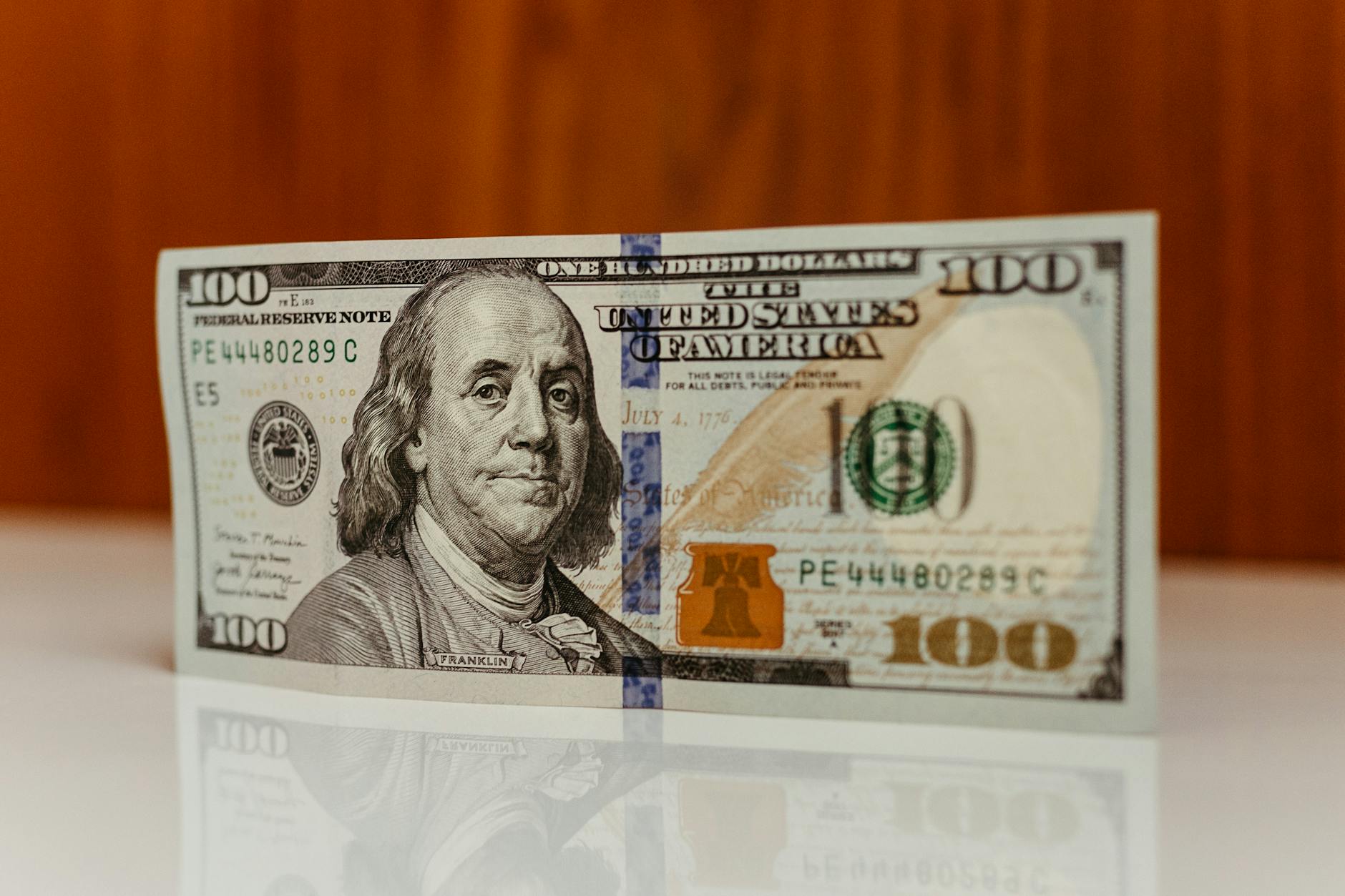
Base Set Pokémon cards are worth substantially more to future generations because the combination of finite supply, rising demand from younger collectors, and a projected market growing at 13% annually creates a rare environment where scarcity compounds over time. The February 2026 sale of a Pikachu Illustrator card for $16.5 million—doubling its 2021 purchase price to generate $8 million in profit—demonstrates that high-grade Base Set cards are functioning as genuine stores of value, not mere toys. What makes this particularly significant for the next 10-15 years is that the trading card market itself is forecast to expand from $21.4 billion today to $58.2 billion by 2034, meaning that as the total market pie grows, the fixed number of original Base Set cards from 1999-2000 becomes proportionally more scarce. The investment performance backs this up.
Over the past decade, Pokémon TCG cards tracked by the PWCC Top 500 Index have delivered returns 94% higher than the S&P 500. More recently, the average Pokémon card rose 46% year-over-year in January 2026 alone. For future generations—whether collectors born in the 2010s or investors entering the hobby in the 2030s—this accumulated evidence suggests Base Set cards are unlikely to lose relevance. Instead, as older collectors pass their collections forward and newer players discover the historical significance of the original 102-card set, the demand pressure will likely keep appreciation steady, even if it doesn’t match the pandemic boom’s extreme spikes.
Table of Contents
- How Market Expansion Creates Enduring Scarcity for Base Set Cards
- Why Condition Is Everything: The Exponential Power of “Gem Mint” Scarcity
- The 30th Anniversary Boost and Historical Precedent for Nostalgia-Driven Spikes
- Grade Tiers and Price Realities: What Future Collectors Actually Need to Know
- The Volatility Hangover: Realistic Expectations After the Pandemic Boom and Correction
- Generational Nostalgia as an Anchor for Sustained Demand
- The Next 15 Years: Consolidation Among Institutional Buyers and Individual Collectors
- Conclusion
How Market Expansion Creates Enduring Scarcity for Base Set Cards
The fundamental math works in favor of Base Set cards appreciating over the next 10-20 years. The total trading card market will nearly triple in size, driven by broader adoption among Gen Z and younger millennials. As more people enter the hobby, the proportion seeking specifically Base Set cards grows with them. The challenge for future collectors is that no new Base Set cards will ever be printed—Pokémon Company has no plans to reissue the original 1999 first edition set in its original form. This creates a hard ceiling on supply while demand curves upward.
What this means in practice: A raw Charizard card averages around $458 today. A 1st edition PSA 9 version sits between $23,000 and $25,000, while a complete 1st edition Base Set at PSA 10 achieved a record $911,629 at auction in November 2025. If the market grows 13% annually as projected, even cards that appreciate at only 15-25% per year—the current outlook for high-grade Base Set cards—will compound into significant wealth. A $25,000 card growing 20% annually becomes $76,800 in ten years. The limiting factor isn’t whether cards will appreciate, but whether you own the grades and condition levels that future collectors will actually want.

Why Condition Is Everything: The Exponential Power of “Gem Mint” Scarcity
The most overlooked aspect of base Set value is that the price multiplier between grades is not linear—it’s exponential. A raw, near-mint Charizard at $458 versus a PSA 9 at $23,500 represents a 51x price difference. Move to PSA 10 and that multiplier grows even higher. This happens because extreme rarity compounds. Millions of Base Set cards were printed, but the number that have survived 25+ years in perfect condition is measured in dozens or hundreds, not thousands. As generations pass, more of the surviving cards will suffer wear, corner softening, or minor manufacturing imperfections that drop them from PSA 9 to PSA 8 or lower, which shrinks the supply of top-grade cards even further. The practical warning here: grading costs money.
A modern card costs $100-200 to grade with PSA. Older cards sometimes cost more due to handling. If you own what you think is a PSA 10 candidate, you’re risking $100-200 against the hope of a significant grade bump. A card that grades PSA 8 instead of 9 loses thousands in value. Future collectors will face this same calculation, and it means that only truly exceptional raw cards will be worth the expense of grading. The market will become increasingly bifurcated: raw cards in the hundreds to low thousands, and graded cards in the tens or hundreds of thousands. The middle won’t exist.
The 30th Anniversary Boost and Historical Precedent for Nostalgia-Driven Spikes
Pokémon’s 25th anniversary in 2021 triggered a buying frenzy and the pandemic boom that followed saw prices spike 200-500% across the market. The franchise’s 30th anniversary arrives in 2026, and early indicators suggest similar momentum is building. Collectors who owned Base Set cards through the 2022-2023 market correction—when prices dropped 30-40% from pandemic peaks—have already seen recovery with 20% gains in the last six months as of March 2026. Anniversary years create predictable windows where mainstream media covers collectibles, celebrities openly buy Pokémon cards, and FOMO drives new entrants into the market.
For future generations, this pattern matters because it suggests that every five-year anniversary will create demand waves. A teenager today might buy a few Base Set cards at the 2026 prices. That same person, now with more disposable income, might hunt for upgrades in 2031 or 2036. They’ll be competing against institutional collectors, investment funds, and international buyers from countries where Pokémon nostalgia is growing but card availability hasn’t yet saturated. The supply-side shock of 2021 won’t happen again—the panic selling by pandemic buyers already cleared out much of the casual inventory—but steady appreciation from genuine scarcity should persist across anniversary cycles.

Grade Tiers and Price Realities: What Future Collectors Actually Need to Know
Today’s market offers clear data on what different condition tiers cost. A 1st edition Blastoise in PSA 9 recently sold for $1,205, while PSA 10 copies seek $5,800—nearly a 5x difference for cards that look nearly identical to the untrained eye. Raw unlimited copies of the same Blastoise average $39-41. This stratification will only intensify as the hobby matures. Future collectors with limited budgets will have to choose: invest in lower-grade, affordable cards hoping for appreciation from category undervaluation, or allocate capital toward fewer, higher-grade cards with greater depth of serious buyers.
The high-grade tier is where the serious money concentrates. The $911,629 complete 1st edition PSA 10 set sold in November 2025, following a $607,000 sale in September 2025, shows that institutional buyers and ultra-high-net-worth collectors are actively acquiring the finest surviving examples. Future generations will inherit a hobby where a PSA 10 Charizard costs more than many houses, yet trades hands regularly enough to maintain liquidity. For most future individual collectors, the realistic wealth-building cards will be PSA 8 and PSA 9 copies—scarce enough to appreciate meaningfully, but attainable without six-figure budgets. The lottery ticket is finding an ungraded Base Set card in your grandmother’s attic that grades 9 or 10; the utility is owning a well-curated collection of mid-tier grades that compound steadily over decades.
The Volatility Hangover: Realistic Expectations After the Pandemic Boom and Correction
Not every year will deliver 46% appreciation like January 2026 did. The 200-500% pandemic surge followed by a 30-40% correction in 2022-2023 serves as a sobering reminder that the market is capable of sharp reversals. Younger collectors entering in 2026 at the height of the 30th anniversary hype might find themselves holding cards that stagnate or even decline in value if a recession hits, interest rates spike, or another speculative bubble in collectibles collapses. Future generations should understand that Base Set Pokémon appreciation isn’t guaranteed—it’s a long-term probability weighted heavily in the positive direction, but subject to macroeconomic forces beyond the hobby’s control. The other reality check: liquidity is real but conditional.
You can sell a PSA 10 Base Set Charizard, but you can’t sell it in 30 minutes. Heritage Auctions and other major platforms run sales quarterly or semi-annually. The December 2025 sale of a 1st edition shadowless Charizard PSA 10 for $550,000 shows the market exists, but the number of dealers or collectors willing to drop half a million dollars on a single card is measured in thousands globally, not millions. Future collectors should view Base Set cards as illiquid assets with 5-10 year holding horizons, not short-term traders. The cards that will appreciate most dramatically are the ones held long enough to benefit from generational scarcity shifts, not the ones flipped for quick profits.
Generational Nostalgia as an Anchor for Sustained Demand
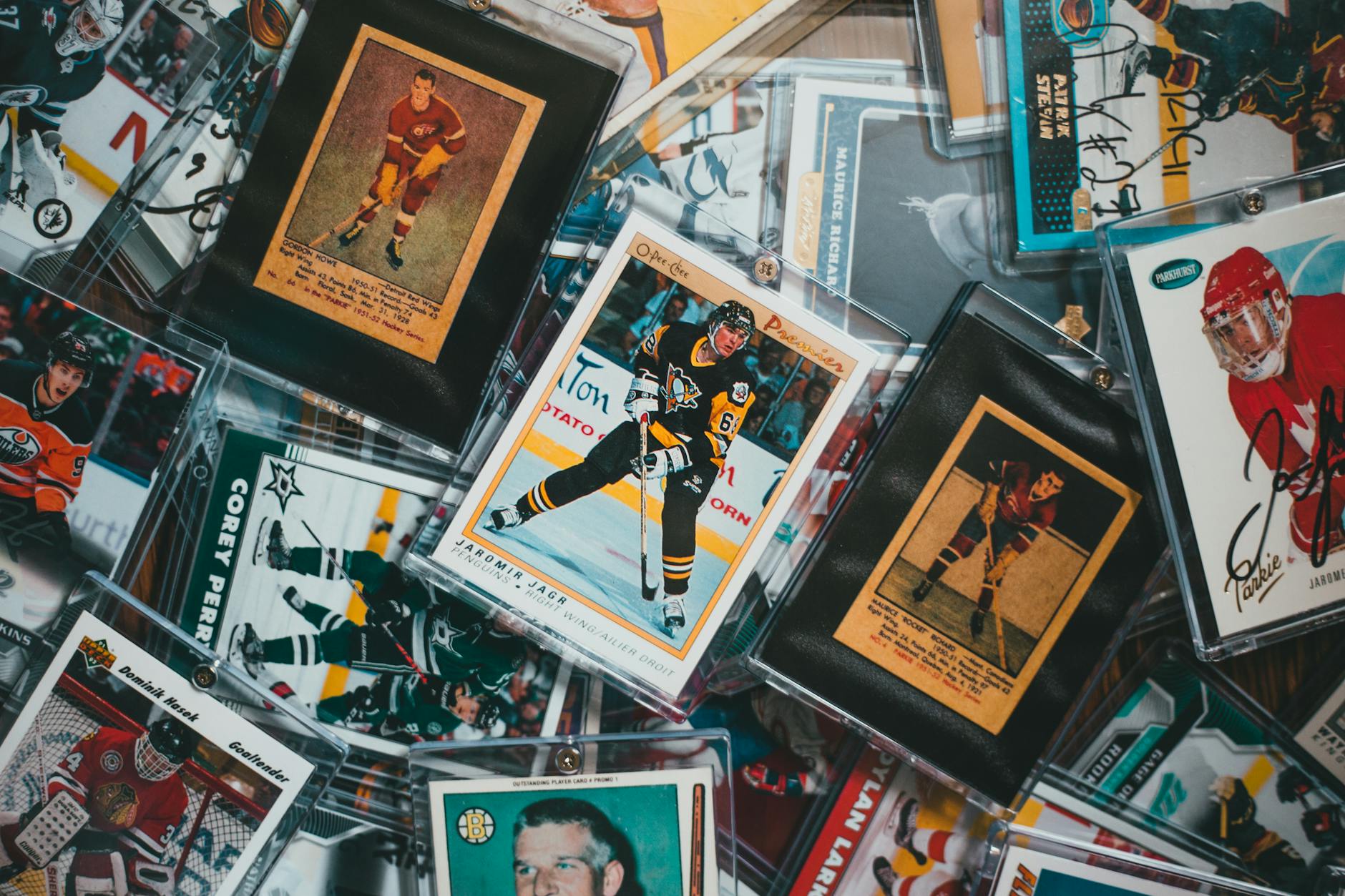
The reason Base Set Pokémon will likely hold value across future generations is psychological, not just mathematical. Pokémon the franchise just entered its 30th year and shows no signs of declining. Children born in the 2010s grew up with Pokémon games, anime, and merchandise as cultural fixtures. When they reach their 30s and 40s, they’ll have accumulated disposable income and nostalgic attachment to the original set. This mirrors how vintage baseball cards held value through generations—a 1950s Mickey Mantle rookie card carries weight not because of intrinsic utility, but because millions of people aged 60-80 remember when those cards represented the height of youth culture. Base Set Pokémon cards carry this same generational anchor.
The 102-card set represents a specific moment in 1999-2000 when Pokémon was a global phenomenon but before the franchise became oversaturated. That specificity creates emotional resonance. Future collectors won’t just see a Charizard card; they’ll see a tangible link to their childhood. The comparison to art markets is apt: a piece of art appreciates not solely on material scarcity, but because sufficient numbers of wealthy people want to own it. Base Set cards have already crossed that threshold. The franchise’s ongoing cultural relevance ensures that future iterations of wealthy collectors will inherit their parents’ desire to own these specific cards.
The Next 15 Years: Consolidation Among Institutional Buyers and Individual Collectors
Looking ahead to 2030-2040, the Base Set market will likely bifurcate further between institutional collectors (investment funds, family offices, museums) and passionate individual hobbyists. Heritage Auctions and similar firms have already begun treating high-grade Base Set cards as investment-class assets, offering financing options and market analysis. This institutional participation legitimizes the category but also creates price floors that protect against total market collapse. If a card sold for $25,000 in 2024 and $30,000 in 2026, a future buyer at $40,000 in 2030 has data suggesting the card is a reasonably stable store of value.
That confidence attracts more institutional capital, which in turn supports higher prices. For future generations, this institutional involvement is double-edged. On one hand, it guarantees that the finest Base Set cards will remain highly sought and liquid. On the other hand, as cards migrate into museum collections and institutional vaults, they become less accessible to average collectors, potentially creating a two-tier market where the best examples are hoarded by the wealthy, and only mid-grade or damaged copies remain available to ordinary enthusiasts. The projected 15-25% annual appreciation rates for high-grade cards likely assume this bifurcated future, where collectors compete within their economic tier and relative scarcity within each tier drives the growth.
Conclusion
Base Set Pokémon cards are worth substantially more to future generations than today’s prices suggest, but not because of unbounded speculation. The market fundamentals—declining supply of high-grade cards, expanding total market size, generational nostalgia attachment, and a 94% outperformance over the S&P 500 historically—create a compounding advantage. A serious collector buying a PSA 9 Charizard at $23,000 today is making a bet that 15-25% annual appreciation is achievable when the card is inherited or sold in 2035-2040. That bet is far more defensible than pure speculation, because it rests on genuine scarcity and sustained demand signals.
The practical steps for future collectors are straightforward: focus on high-grade copies (PSA 8 and above) of the most iconic cards (Charizard, Blastoise, Venusaur), understand that you’re holding these as long-term assets, and accept that extreme grades (PSA 10) will always carry a premium that justifies themselves only if you have significant capital. Avoid the temptation to chase pandemic-era FOMO spikes or chase cards purely because others are buying them. The cards that will be worth the most to future generations are the ones that remained scarce, stayed desirable, and accumulated value through quiet compounding—not the ones that spiked and crashed. Base Set Pokémon cards have proven they’re capable of that pattern. The question for your generation is whether you’ll be the one holding them when the next wave of buyers arrives.
You Might Also Like
- Why Base Set Pokémon May Be the Collectible Future Generations Still Want
- Will Future Collectors See Base Set Pokémon as the Beginning of Everything?
- Why Superman No. 1 Proves Base Set Pokémon Could Still Matter in 20 Years