
Ancient Mew commands a strong collector base because it sits at the convergence of three powerful collecting categories: movie memorabilia, vintage Pokémon promotional cards, and early-era Trading Card Game artifacts. The card was distributed as a promotional giveaway during the theatrical release of Pokémon: The Movie 2000: The Power of One in 2000, which created an immediate nostalgia anchor for an entire generation of collectors. This single origin point—a physical theater premiere experience—established the card as a cultural artifact that extends beyond typical card game value.
The market data confirms this persistent demand. In January 2026, a major buyout on TCGplayer spiked Ancient Mew prices from a December dip, with the card averaging $67.71 in sales during that month. The buying pattern of 21.0 copies per buyer during the spike indicates organized, strategic interest rather than casual collecting. This isn’t a flash-in-the-pan speculation; the card has sustained collector demand for over 25 years and is experiencing renewed momentum as Pokémon TCG approaches its 30th anniversary milestone in October 2026.
Table of Contents
- Why the Movie Connection Creates Enduring Collector Demand
- Condition Scarcity and the Durability Challenge
- The 30th Anniversary Effect and Broader Mew Card Interest
- Multi-Category Collector Appeal and Buyer Pool Diversity
- Market Volatility and Buyout Risk
- The Glossy Card Format and Collectible Distinctiveness
- The Path Forward for Ancient Mew Collectors
- Conclusion
Why the Movie Connection Creates Enduring Collector Demand
The theatrical origin of Ancient Mew creates a direct connection to a cultural moment that older collectors remember with tangible clarity. Unlike most pokémon cards, which exist primarily within the game and card collecting ecosystem, Ancient Mew has a film tie-in that makes it an artifact of early-2000s pop culture. Collectors who attended the movie premiere or received the card during that theatrical window often view it as a piece of personal history rather than just a card commodity. The card’s distinctive visual presentation amplifies this cultural significance.
It features pseudo-ancient glyph-style artwork and includes a reverse-holo treatment that was genuinely unique among Pokémon cards at the time of release. This visual distinctiveness means the card doesn’t fade into the background of a collection—it stands out as visually different from the standard glossy, illustrated cards that dominate the rest of the set. The artwork itself invokes a sense of mystery and antiquity that matches its name, making it inherently more memorable than typical promotional cards. The problem collectors face is that nostalgia alone doesn’t sustain markets indefinitely. What makes Ancient Mew different is that it combines nostalgia with actual scarcity in premium conditions, which we’ll examine in more detail.
Condition Scarcity and the Durability Challenge
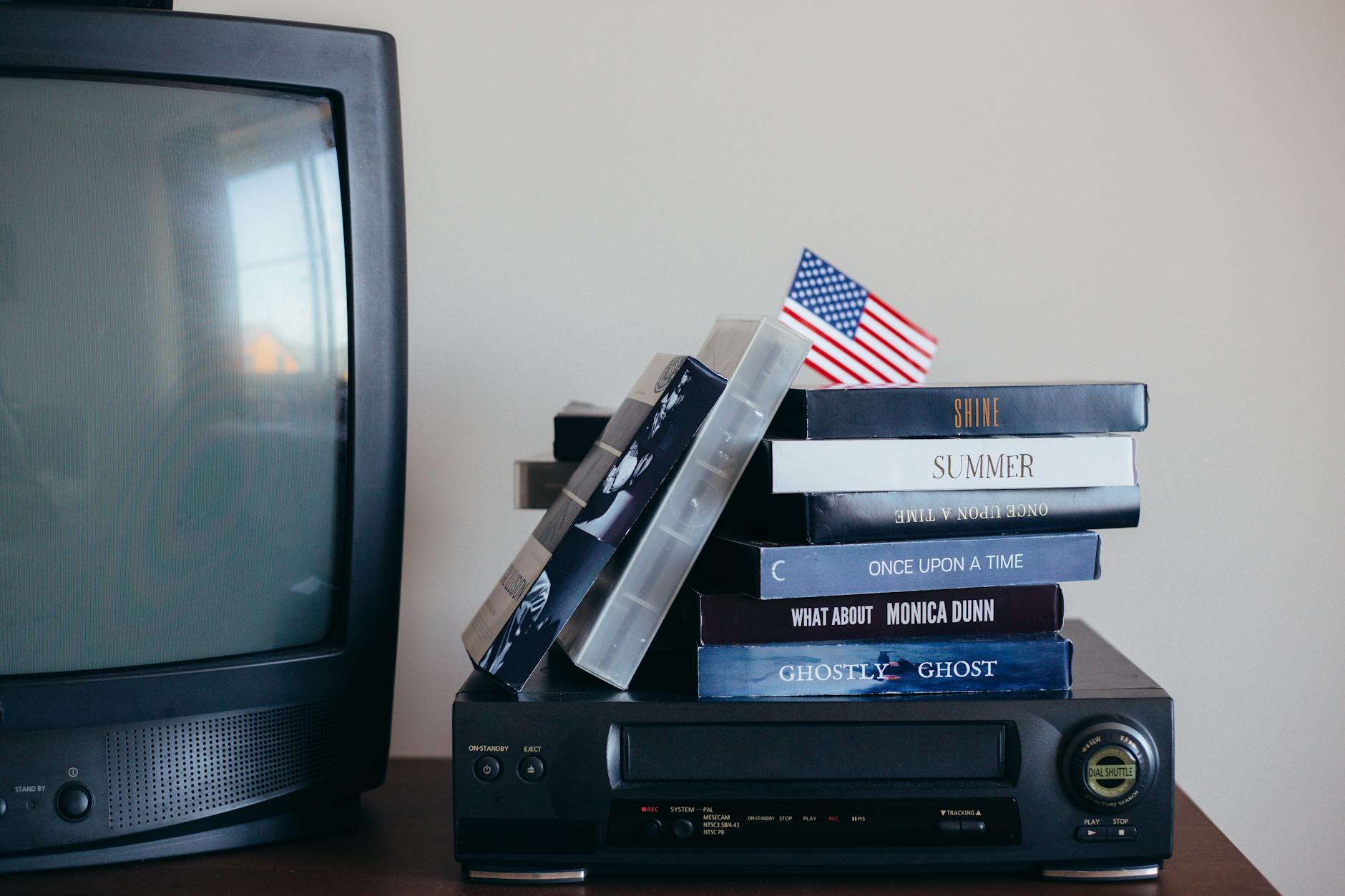
While Ancient Mew was widely distributed during the theatrical release, the vast majority of copies did not survive in mint condition. The card was bundled with VHS videotapes of the film, and many were stored carelessly in collections, played with, or left in conditions that degraded their quality over decades. This means that while raw copies of Ancient Mew are relatively common on the market, high-grade specimens command a significant premium. A lightly played or moderately played copy might fetch $30-$50, but a PSA 9 or PSA 10 example can easily exceed $200-$300, creating a tiered market where condition scarcity drives real value. The card’s construction actually works against preservation. Both the front and back surfaces are glossy, which makes them visually striking but creates a susceptibility to scratches, scuffs, and surface wear.
Unlike standard Pokémon cards with their more forgiving finishes, the glossy surfaces on Ancient Mew amplify every imperfection. This means that even gentle handling leaves marks visible to the naked eye, and the population of pristine copies in the marketplace is genuinely limited. Collectors chasing high-grade examples are competing for cards that have already survived 25+ years with minimal damage—a rare feat. The limitation here is that restored or heavily played copies provide very little investment upside. If you’re acquiring Ancient Mew primarily for price appreciation, condition matters dramatically more than it does with many other vintage cards. A deteriorated copy may hold nostalgic value for a collector, but it won’t appreciate like a well-preserved example.
The 30th Anniversary Effect and Broader Mew Card Interest
Ancient Mew is not experiencing resurgence in a vacuum—it’s riding a broader wave of Mew card interest across the entire Pokémon TCG market. As Pokémon approaches its 30th anniversary in October 2026, vintage and modern Mew cards have surged in both price and trading volume. Mew is one of the most iconic Pokémon in the franchise, appearing in major films, special events, and marketing campaigns throughout the past three decades. This means that renewed interest in Pokémon TCG generally tends to cascade into increased demand for specific Mew variants. SNKRDUNK Magazine’s analysis of the top 30 most-traded Mew cards in 2026 shows that Ancient Mew consistently ranks among the highest-volume cards in the category.
This isn’t because it’s the rarest Mew card—it isn’t. It’s because the card appeals to a broader cross-section of collectors than more obscure variants. Someone purchasing their first vintage Mew might choose Ancient Mew because of its movie connection and cultural familiarity, rather than hunting down earlier or more technical Mew printings. The practical comparison is this: Ancient Mew benefits from a rising tide that lifts all Mew cards, but it has the additional advantage of cultural distinctiveness. While other Mew cards appeal primarily to serious TCG collectors and completionists, Ancient Mew also appeals to casual film fans and cultural artifact collectors who might not otherwise participate in the Pokémon card market.

Multi-Category Collector Appeal and Buyer Pool Diversity
The strength of Ancient Mew’s collector base lies in the fact that it intersects multiple collecting categories simultaneously. A dedicated Pokémon card collector views it as a vintage promotional card from the early days of the TCG. A Pokémon movie fan views it as film memorabilia. A general pop-culture collector interested in early-2000s artifacts views it as a time capsule from that era. A casual nostalgia buyer sees it as a tangible memory from their childhood. This overlapping appeal broadens the potential buyer pool significantly compared to cards that appeal only to serious TCG players.
This diversity of interest creates a more stable price floor than would exist for a card appealing to a single collector category. Even if interest in competitive Pokémon TCG waned—which is always a risk in any trading card game—Ancient Mew would likely retain value from cultural memorabilia collectors, film historians, and nostalgia buyers. The January 2026 buyout spike of 21.0 copies per buyer suggests that even organized resellers understood the card’s broad appeal and potential market depth. The tradeoff is that broad appeal can also mean market saturation at lower price points. While high-condition copies remain scarce and valuable, the abundance of lightly played to moderately played copies means competition at the mid-tier price range. If you’re selling an Ancient Mew in good but not excellent condition, you may find more inventory competition than you would with a truly rare card.
Market Volatility and Buyout Risk
Ancient Mew demonstrates the classic pattern of older cards that are valuable but not historically consistent in price. The January 2026 buyout that spiked the card to an average of $67.71 was driven by organized buying activity, which suggests external market dynamics rather than organic collector demand. Buyouts can inflate prices temporarily, but they also create the conditions for sharp reversals when sellers take profits. Collectors considering Ancient Mew as an investment need to recognize this volatility pattern. The warning here is specific: do not purchase Ancient Mew expecting steady, predictable appreciation.
The card experienced a December price dip before the January buyout spike, which suggests that even in the current bullish market for Mew cards, Ancient Mew’s price can move dramatically based on relatively small changes in inventory and buyer activity. A card that averages $67.71 in a single month doesn’t mean it maintains that level consistently. Buyers should understand that they’re purchasing based on current market conditions and collector sentiment, not on a guaranteed trajectory. The December-to-January price swing also illustrates that older, established cards can still be subject to speculation and market manipulation. This is less of a concern if you’re collecting for personal enjoyment or nostalgia, but it’s critical to understand if you’re viewing Ancient Mew as a financial asset.
The Glossy Card Format and Collectible Distinctiveness
Ancient Mew’s glossy, double-sided finish with pseudo-ancient glyphs remains one of the most distinctive card designs in Pokémon TCG history. This wasn’t an accident—the card was intentionally designed to look ancient and mysterious, reflecting the film’s plot and the nature of Mew itself. The glossy treatment gave the card a premium feel that stood out sharply against the standard card stock of that era.
This distinctive design has aged remarkably well. When collectors today pull an Ancient Mew from a VHS bundle or encounter it in the secondary market, its appearance immediately distinguishes it from any other card in their collection. The pseudo-glyph artwork has maintained its visual appeal across 25+ years, whereas some other promotional cards from that era have come to look dated or garish. The combination of intentional design, premium finish, and visual distinctiveness means that Ancient Mew continues to catch collector attention based on appearance alone.
The Path Forward for Ancient Mew Collectors
As Pokémon TCG moves through its 30th anniversary year and beyond, Ancient Mew will likely continue to benefit from renewed interest in vintage promos and early-era cards. The secondary market has shown consistent demand, recent buyout activity confirms active trader interest, and the 30th anniversary effect is still in early stages. For collectors, the key consideration is timing relative to price cycles and condition standards.
The card’s position in the market appears structurally sound. It has survived 25+ years with sustained collector interest, has demonstrated recent upward price momentum, and appeals across multiple collector categories. Whether that translates to future appreciation depends on broader Pokémon TCG market health and whether 30th anniversary momentum sustains beyond October 2026. What’s clear is that Ancient Mew has earned its place as a card with a genuine collector base, not merely as a forgotten relic or speculative play.
Conclusion
Ancient Mew maintains a strong collector base because it combines theatrical-release nostalgia, visual distinctiveness, condition scarcity, and multi-category appeal. The card serves as a cultural artifact that transcends typical trading card game dynamics, attracting film collectors, nostalgia buyers, and serious TCG enthusiasts simultaneously.
Recent market activity in January 2026, with an average sale price of $67.71 and significant buyout volume, confirms that collector interest remains robust. For anyone considering Ancient Mew as part of their collection, the core principle is straightforward: condition matters significantly due to the card’s glossy surfaces and scarcity in high grades, broad appeal creates price stability but also inventory competition at mid-tier levels, and current 30th anniversary momentum provides favorable timing. Whether you’re collecting for personal enjoyment or investment potential, understand the card’s actual market dynamics rather than assuming either unlimited appreciation or commodity-like stability.
You Might Also Like
- Why Superman No. 1 Proves Base Set Pokémon Could Still Matter in 20 Years
- Why Base Set Pokémon May Be the Collectible Future Generations Still Want
- Will Future Collectors See Base Set Pokémon as the Beginning of Everything?