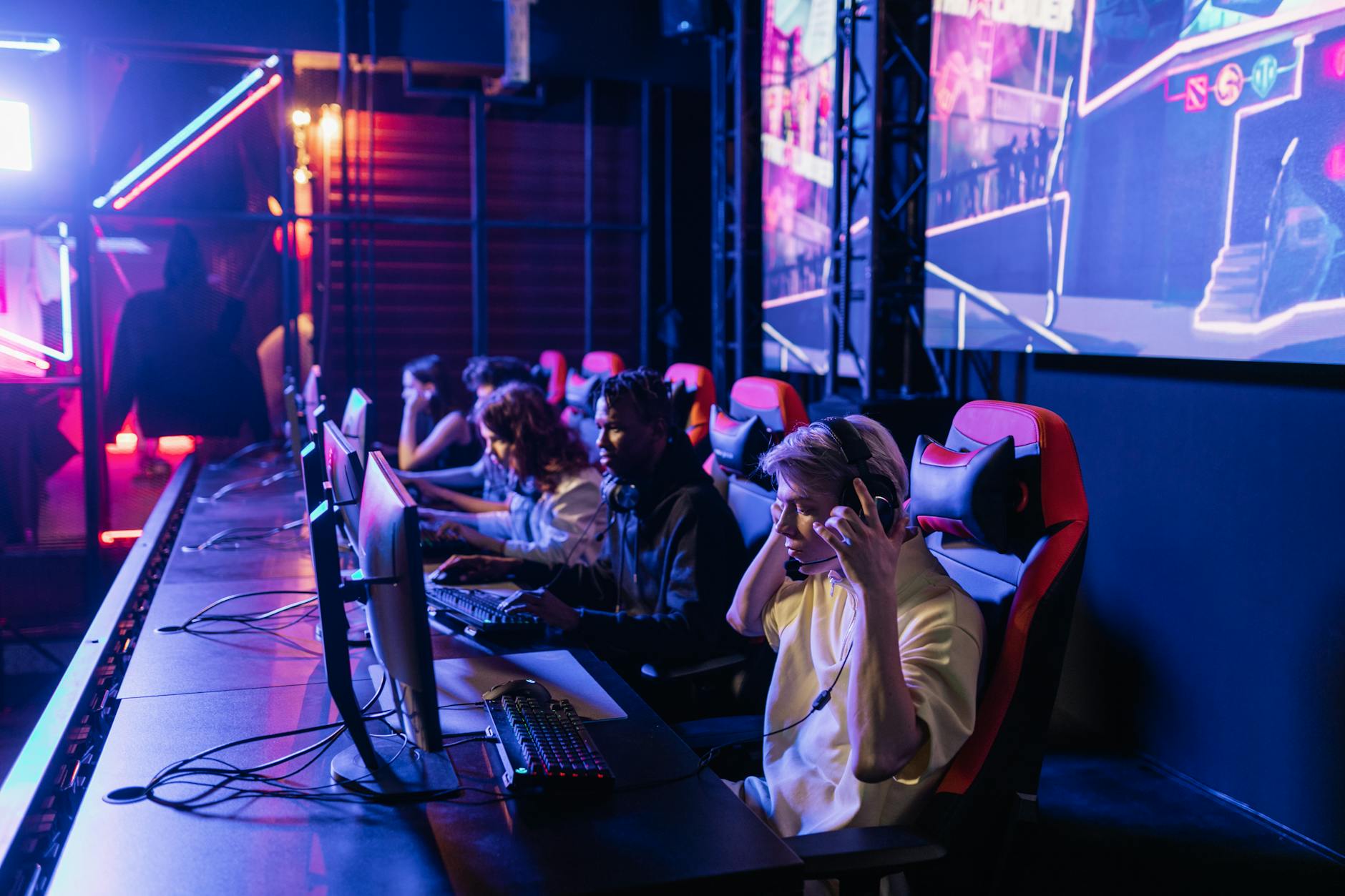
Pokémon Worlds 2026 represents a pivotal moment for competitive trading card game players, marked by significant format changes and a relocation to San Francisco that will reshape deck construction strategy and competitive pathways. The event, running August 28-30, 2026, at the Moscone Convention Center, introduces several structural changes that directly impact how players should prepare starting now—most notably the rotation of cards with “G” regulation marks from legal play and the expansion of Swiss rounds for larger tournaments. For a player currently building a deck or planning their competitive season, these changes mean your current rotation of staple cards may no longer be tournament-legal, and your path to qualifying for Worlds requires understanding both the new format restrictions and the modified tournament structure.
The significance extends beyond rule changes. The addition of travel awards for all qualified teams, the simultaneous hosting of PokémonXP convention, and the inaugural Pokémon Worlds Night at Oracle Park on August 27 transform this championship into a more accessible and comprehensive competitive experience. Players who qualified for previous Worlds events under different structures will find a substantially different competitive landscape, with expanded Swiss rounds giving more players a realistic shot at advancing to top-cut competition.
Table of Contents
- How Format Changes Will Reshape Your Competitive Strategy
- Navigating the TCG Card Rotation and Building Your 2026 Deck
- San Francisco Worlds and the Moscone Convention Center Experience
- Qualifying for Worlds and Understanding the Travel Award Structure
- The Swiss Rounds Expansion and What It Means for Your Top 8 Chances
- PokéMonXP Convention and Expanded Programming
- Looking Ahead—What Worlds 2026 Sets for Future Competitive Seasons
- Conclusion
How Format Changes Will Reshape Your Competitive Strategy
The 2026 TCG Standard format rotation represents one of the most impactful changes competitive players face heading into Worlds season. Only cards bearing “H,” “I,” and “J” regulation marks remain legal; anything marked “G” or earlier is banned from tournament play. This rotation eliminates entire card pools that have defined competitive TCG for years, forcing a strategic reset. A player who built their winning deck around “G” mark staples—cards that may have provided crucial utility or damage output—must now rebuild from scratch with legal alternatives that may not function identically. Beyond the rotation mechanics, the Swiss rounds expansion addresses a real pain point in competitive tournament structure.
Previously, tournaments with 65 or more participants used a fixed number of Swiss rounds that often left qualified players (those with X-2 records) just outside the top 8 cutoff. The additional round for larger tournaments gives more players a mathematically viable path to advancing, though this also means that competition becomes fiercer and deck building margins for error shrink. Players who previously relied on a particular tournament size advantage now face standardized structures across all divisions. The VGC platform shift to pokémon Champions, while not affecting TCG players directly, signals broader strategic shifts in how Pokémon competitive events operate. For players interested in multiple competitive formats at Worlds, this platform change means unfamiliar mechanics and interface adjustments that could impact performance if not studied in advance.

Navigating the TCG Card Rotation and Building Your 2026 Deck
The rotation to H, I, and J regulation marks forces competitive players to essentially rethink their entire deck architecture for 2026 Worlds season. Many staple Pokémon, trainer cards, and energy types that dominated previous competitive seasons are now illegal. This creates both a challenge and an opportunity: while established players lose their proven frameworks, newer card releases provide fresh strategies that no competitor has fully optimized yet. The practical limitation here is deck testing time.
Unlike a standard format year where players can gradually test and refine strategies over months, the 2026 rotation means competitive players effectively have a compressed timeline to identify, test, and perfect legal decks before the championship. A player starting their Worlds preparation in June will have minimal testing windows before August competition. Teams and playgroups that begin format testing immediately have a significant advantage over those waiting for official championship results to guide their building. Additionally, older investment in cards now illegal may feel like a sunk cost. Players who built competitive collections over years may find their most valuable cards suddenly tournament-illegal, though these same cards often retain secondary market value for casual play and collection purposes.
San Francisco Worlds and the Moscone Convention Center Experience
The Moscone Convention Center location in San Francisco marks a shift in Worlds venue strategy, offering a central downtown location that impacts travel logistics and accommodation options differently than previous championship sites. The facility itself is designed for large-scale competitive events, with space for the simultaneous PokémonXP convention—an integration that has never occurred at Worlds before. This dual-event structure means players arriving in San Francisco for Worlds qualification can extend their visit to participate in PokéMonXP programming, vendor exhibitions, and side tournaments without traveling to a separate location.
However, this also means the main convention area will be significantly more crowded than previous Worlds events. Players accustomed to quieter Worlds venues or those who value focused, distraction-free preparation should plan accordingly—the expanded attendee base creates both networking opportunities and concentration challenges. The addition of Pokémon Worlds Night at Oracle Park on August 27 adds a ceremonial component unique to the 2026 championship, featuring a Worlds Pikachu Jersey giveaway and a drone show. While primarily an entertainment event, this creates additional scheduling and transportation logistics that players should factor into their week-long event plan.

Qualifying for Worlds and Understanding the Travel Award Structure
All qualified teams competing at Pokémon Worlds 2026 will receive travel awards, a significant inclusion that reduces the financial barrier for competitors. This travel support represents a tangible benefit for players whose teams qualified through regional championships or international qualifying tournaments. For competitive players deciding whether to invest time in qualification attempts, knowing that travel will be covered reduces one major financial obstacle. The travel award framework also creates interesting strategic considerations for team composition.
Players might previously have hesitated to qualify a full team if travel costs would be prohibitive; now, assembling competitive team configurations becomes more feasible based purely on playing strength rather than financial constraints. This democratization of participation means competitive depth at Worlds may increase, as cost-prohibited strong players now have a clearer path to attendance. One limitation to consider: travel awards typically cover transportation and shared accommodations, but not all personal expenses or extended stays. Players should plan for meal costs, local transportation beyond the event venue, and any additional lodging preferences beyond what travel awards cover. The financial barrier lowers but doesn’t eliminate completely.
The Swiss Rounds Expansion and What It Means for Your Top 8 Chances
The addition of one Swiss round for tournaments with 65 or more participants in any age division represents a structural change that directly impacts advancement probability. In previous tournament structures, tournaments of similar size would truncate qualifying records at X-3 or worse, preventing X-2 records from reaching top 8. The additional round gives X-2 records a realistic mathematical pathway to advancing through playoff tiebreaks. This expansion benefits mid-tier competitive players most substantially. A player on the edge of qualification—winning most games but not consistently posting top 8 finishes—gains a genuine second chance through the extra round.
Conversely, it means top players face slightly deeper competition in Swiss rounds, as the expanded rounds draw in more participants who survived the earlier Swiss rounds. The competitive bar rises proportionally. A critical limitation: the Swiss rounds expansion doesn’t change deck building fundamentals or player skill requirements. More rounds simply mean more variance is reduced and true strength is more reliably reflected in standings. This actually penalizes deck choices reliant on favorable matchup draws, since more rounds means you’re statistically more likely to face unfavorable matchups.

PokéMonXP Convention and Expanded Programming
For the first time, PokéMonXP convention will be held simultaneously with Worlds 2026, creating a compound event unlike previous championships. This integration means players and families can participate in expanded vendor exhibitions, side tournaments, artist signings, and content creator events without leaving the venue. The expanded programming creates more reasons for broader family attendance and community participation.
Players should plan their championship week accordingly. Instead of viewing Worlds as a three-day competitive gauntlet, the nine-day convention window (which includes the August 27 Pokémon Worlds Night opening event) offers extended engagement opportunities. Competitive players balancing serious tournament play with exploration of the convention floor should schedule dedicated prep time and limit convention distractions during critical championship rounds.
Looking Ahead—What Worlds 2026 Sets for Future Competitive Seasons
The structural changes introduced at Worlds 2026—expanded Swiss rounds, the format rotation, and the integrated convention experience—suggest a direction for competitive Pokémon events going forward. Players preparing for 2026 should recognize these changes as potential templates for future championship structures, meaning the deck-building flexibility and tournament format adaptability you develop now remains valuable long-term.
San Francisco’s selection as the 2026 host venue, coupled with the PokéMonXP integration, indicates The Pokémon Company’s intention to position Worlds as a destination event rather than a pure tournament destination. Competitive players planning their career trajectory beyond 2026 should factor in these expanded expectations for future championships.
Conclusion
Pokémon Worlds 2026 matters for competitive players because it simultaneously introduces the most restrictive format rotation in recent memory, restructures tournament advancement probability, and relocates to a venue with unprecedented event integration. The combination means preparation begins immediately—identifying legal card staples, understanding new Swiss round dynamics, and planning San Francisco logistics. Players who begin their Worlds preparation now, testing new deck configurations and understanding the expanded tournament structure, position themselves advantageously in an already-competitive championship field.
The travel award guarantee and expanded convention programming lower traditional barriers to participation, but they also attract a deeper competitive pool than previous Worlds events. Your path to success requires both adaptability to new format restrictions and serious strategic preparation in the months before the August 28-30 championship. Start your deck testing now, confirm your qualification pathway, and treat the months leading to Worlds as critical preparation time.
You Might Also Like
- Why Pokémon Worlds 2026 Could Be Bigger Than Ever
- Why the 2026 Pokémon World Championships Could Drive Massive Demand
- Why Single Day Pokémon Worlds Tickets Could Be Hard to Get