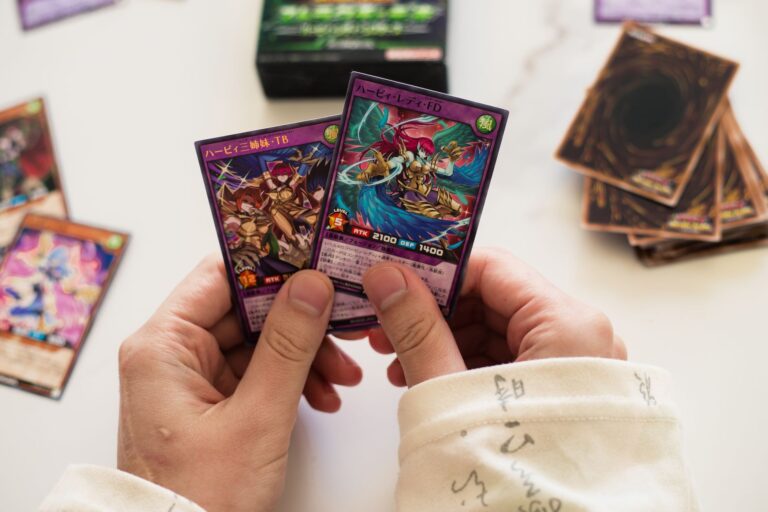
USPS Priority Mail’s automatic $100 insurance coverage is not enough for most valuable Pokémon cards. If you’re shipping a graded Charizard or a first-edition holographic from your collection worth $500 or more, the $100 automatic protection will leave you exposed to substantial financial loss if the package is lost, stolen, or damaged in transit. The simple answer is no—it’s rarely adequate, and relying on it alone is a serious mistake for collectors shipping cards of significant value. The core problem isn’t just the dollar limit.
USPS Priority Mail insurance comes with buried restrictions that specifically exclude collectible items and second-hand goods from coverage in many situations. This means that even if you pay for additional insurance to boost coverage from $100 to $1,000, you might still face claim denials because trading cards fall into a category carriers have historically worked hard to exclude. Collectors who’ve filed claims for lost or damaged cards consistently report difficulty proving market value, especially when dealing with cards that appreciate rapidly or have volatile pricing. Understanding your actual coverage options requires looking beyond the standard Priority Mail promise and exploring alternatives that actually understand the Pokémon market.
Table of Contents
- What Is Actually Covered Under USPS Priority Mail Insurance?
- The Hidden Problem With Collectibles Exclusions
- Calculating Your Real Coverage Gap
- Additional USPS Insurance Options and Their Practical Limits
- Why Claims Get Denied and What Documentation You Need
- Specialized Insurance Alternatives for Pokémon Cards
- The Future of Card Shipping Insurance and What Collectors Should Expect
- Conclusion
What Is Actually Covered Under USPS Priority Mail Insurance?
USPS Priority Mail includes $100 of automatic insurance at no additional cost, and you can purchase extra coverage up to $5,000 for a fee starting at $2.70 for items valued up to $50. This sounds straightforward until you read the fine print. The $100 automatic coverage is meant for standard parcels—clothing, electronics, books. When a shipping carrier classifies an item as a “collectible” or “second-hand good,” the insurance language often shifts dramatically, and that $100 protection may not apply at all. Here’s a concrete example: a seller ships a graded PSA 8 Blastoise Base Set card worth $800. They add $700 in additional USPS insurance, bringing total coverage to $800.
The package arrives torn and the card is damaged. The collector files a claim, but USPS denies it because their policy excludes second-hand collectibles. The collector receives nothing. This scenario happens more often than most collectors realize, and it’s why the raw dollar amount is almost meaningless without understanding what triggers those exclusions. The automatic $100 and even paid-for additional insurance work differently depending on shipping class. Priority Mail Express offers up to $100 included coverage and allows additional insurance up to $5,000 as well. For truly high-value items, USPS offers Registered Mail, which can cover up to $50,000—but it’s significantly slower and much more expensive, making it impractical for standard collector transactions.
The Hidden Problem With Collectibles Exclusions
Insurance companies and carriers have spent years tightening language around “collectible items” specifically because they’ve seen fraud and pricing disputes with rare goods. Pokémon cards are in an awkward middle ground—they’re not mainstream enough for blanket coverage like a shipment of books, but they’re not rare enough (in the insurance company’s eyes) to justify the specialized underwriting they’d need. The result is that standard USPS insurance often treats them as excluded items, or at best, requires extensive documentation to prove claim eligibility. The exclusion language varies, but common restrictions include coverage for “second-hand collectible items,” “items subject to volatile pricing,” or simply “trading cards.” Some policies exclude items that don’t have an official manufacturer’s suggested retail price.
When USPS reviews a claim for a card that’s appreciated significantly since purchase—which is the entire point of collecting Pokémon cards—they have legitimate questions about whether the claimed value is reasonable. Without a recent sales receipt or third-party grading certificate from a recognized authority, proving your card’s current market value becomes your burden, not theirs. This creates a dangerous situation where shippers systematically underestimate their actual exposure. A collector might insure a $2,000 collection for $100 and assume they’re protected, not realizing that claim denial is likely if something goes wrong.
Calculating Your Real Coverage Gap
To understand whether USPS insurance is adequate, you need to honestly assess your card values. Start by listing the top 10 cards you ship regularly, their current market value, and their condition. If any single card is worth more than $100, you’ve already identified a gap. If you’re shipping a PSA-graded rookie card or a rare holographic first edition, that card alone could be worth $500 to $5,000. Let’s work through a realistic example. You’re a Pokémon card seller shipping inventory. Your average shipment contains five cards valued at $150, $85, $300, $120, and $45.
Total value: $700. Your USPS Priority Mail insurance covers $100 automatically. You could buy additional coverage for $700 more, bringing your total coverage to $800, which would seem adequate. But if that shipment is lost and USPS denies your claim citing the collectibles exclusion, you receive nothing. You’ve paid for insurance that doesn’t actually work for your use case. This is where USPS fails most Pokémon shippers. The system is designed for items with stable, verifiable value—electronics, antiques with fixed appraisals, new merchandise. It breaks down for trading cards, where value is determined by condition grade, market demand, and often by recent eBay sales rather than manufacturer pricing.

Additional USPS Insurance Options and Their Practical Limits
You can increase USPS Priority Mail coverage beyond the $100 baseline. The cost structure is $2.70 for coverage up to $50, then incremental jumps as value increases. For a $500 item, you’d pay more, and for a $2,000 item, the additional insurance cost becomes substantial. Many collectors find that paying $25 to $40 in insurance premiums per shipment eats into margins, especially if you’re selling mid-range cards. Priority Mail Express, USPS’s faster service, also includes $100 automatic coverage with the same additional insurance options available up to $5,000.
For high-value single cards that need to reach a buyer quickly, Express might be your choice—but again, you’re paying more for the service and still facing the same collectibles exclusion risks. Registered Mail is USPS’s premium option, covering items up to $50,000 with signature confirmation and full tracking. It’s the most expensive option and significantly slower than Priority Mail. For a single $10,000 card, Registered Mail might cost $30 to $50 and take an extra week to deliver. For standard collector shipments—cards worth $100 to $500—it’s impractical and cost-prohibitive.
Why Claims Get Denied and What Documentation You Need
Pokémon card insurance claims fail most commonly due to insufficient documentation of value. When USPS receives your claim for a lost or damaged card you valued at $1,500, they ask a simple question: prove it. A receipt from your purchase five years ago is largely irrelevant if you’re claiming appreciation. What USPS actually wants is evidence of current market value—and here’s where collectors without proper records lose money.
The documentation you need includes: recent photographs of the card (front and back, showing condition), a grading certificate from PSA, BGS, or Sportscard Grading Company (if the card is graded), recent comparable sales from the same vendor or marketplace (eBay completed listings are valuable here), and ideally an appraisal from a recognized Pokémon card authentication source. Without these, your claim becomes a “he said, she said” dispute, and insurance companies default to denying payment. There’s also the timing issue. If you claim a $2,000 Charizard was in the package but can’t produce any evidence you shipped a Charizard, much less one worth that amount, USPS will deny the claim. Some collectors don’t properly document their inventory before shipping, making it impossible to prove what was actually sent.
Specialized Insurance Alternatives for Pokémon Cards
Specialized shipping and insurance providers understand Pokémon card values in ways USPS doesn’t. Secursus, for example, offers comprehensive coverage for trading cards up to $120,000 per package, including protection against loss, theft, and damage in transit. Their policies are designed specifically for collectibles and don’t carry the “second-hand goods” exclusions that plague standard carrier insurance. The trade-off is cost and convenience. Specialized insurers typically charge higher premiums than USPS additional insurance—sometimes 1% to 3% of the item’s declared value. For a $500 card, that could be $5 to $15 in insurance cost.
If you’re shipping dozens of cards weekly, those costs add up. However, the actual coverage you receive is superior, and claim approval rates are higher because these companies understand the market. For collectors with extensive collections, another option is homeowner’s or renter’s insurance with specific collectibles riders. Standard homeowner’s policies typically cap coverage for valuable items at $1,000 to $2,500. Adding a collectibles endorsement can raise this limit significantly. Annual premiums typically range from 0.5% to 2.0% of collection value, though this is for at-rest protection, not shipping insurance.
The Future of Card Shipping Insurance and What Collectors Should Expect
The Pokémon trading card market has legitimized itself over the past five years, with investment-grade cards commanding serious prices. Insurance companies are slowly catching up, but USPS remains stuck in its decades-old framework that didn’t anticipate $10,000 Charizards or $100,000+ collections. We’re seeing more specialized providers enter the market, and some regional carriers have developed better policies for collectibles—but USPS hasn’t evolved meaningfully.
Looking forward, collectors should expect that USPS insurance will remain inadequate for valuable cards. The safer bet is assuming you need additional protection beyond their standard offering and budgeting for it. Whether that means paying for specialized third-party insurance, using registered mail for high-value items, or simply accepting that you ship cards at your own risk (a choice some collectors make with lower-value inventory), you need a deliberate strategy. Defaulting to USPS’s $100 automatic coverage and hoping for the best is not a strategy—it’s wishful thinking.
Conclusion
USPS Priority Mail’s $100 automatic insurance coverage is insufficient for most valuable Pokémon cards, and adding additional USPS insurance doesn’t fully solve the problem because of collectibles exclusions embedded in their policies. A $100 protection gap on a $500 card, combined with the risk of claim denial due to insufficient documentation or exclusions, means you’re exposed to significant financial loss if anything goes wrong in transit. Your best path forward is to view USPS insurance as a baseline for low-value items only.
For cards worth more than $100, budget for either specialized collectibles insurance through providers like Secursus, use USPS Registered Mail for high-value shipments, or develop a comprehensive documentation and appraisal system so that if a USPS claim becomes necessary, you’re prepared to prove value. Keep photographs, grading certificates, and recent comparable sales records for any card worth more than $200. The small effort now prevents large losses later.