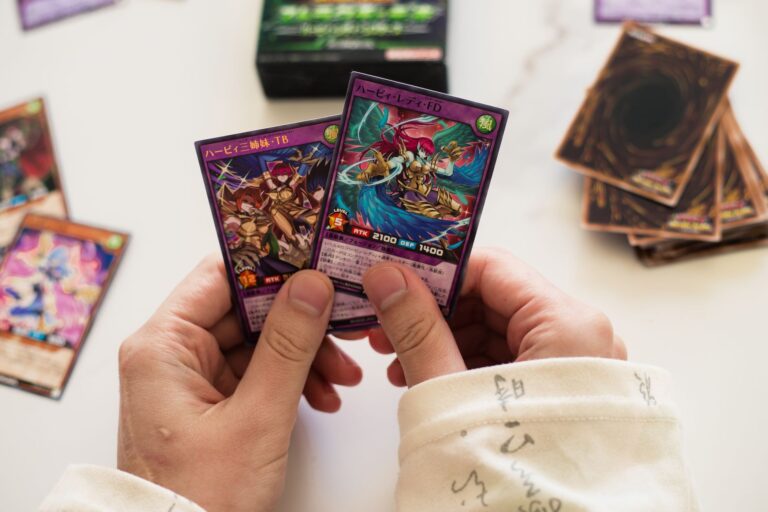
Shiny Vault cards are a subset of special expansion sets featuring Pokémon in their shiny forms with distinctive artwork and numbering systems prefixed with “SV”. Rather than entirely new cards, Shiny Vault cards are reprints of cards from their series that showcase shiny variations of Pokémon species with special visual designs, making them highly sought after by collectors. These cards first appeared in Hidden Fates and later became a signature feature of Shining Fates and Paldean Fates expansions.
The appeal of Shiny Vault cards lies in their rarity, unique artwork, and the challenge of collecting them. For example, a player hunting for Shiny Vault cards in Shining Fates booster packs has roughly a one-in-four chance of pulling a Shiny Vault card per pack, replacing the reverse-holo card slot. This consistent availability within specific sets has made Shiny Vault subsets a collecting pursuit unto themselves, separate from collecting the entire expansion.
Table of Contents
- Understanding Shiny Vault Cards and Their Origins
- Visual Design and Distinctive Card Features
- Pull Rates, Distribution, and Availability
- Building a Shiny Vault Collection: Practical Approaches
- Grading, Authentication, and Long-Term Value Considerations
- Paldean Fates: The Most Recent Shiny Vault Set
- The Future of Shiny Vault Cards in the Pokémon TCG
- Conclusion
Understanding Shiny Vault Cards and Their Origins
Shiny Vault cards represent a specific product designation within pokémon Trading Card Game expansions, not random special pulls like alternative art cards or secret rares. The cards maintain the same gameplay functionality as their non-shiny counterparts, meaning a Shiny Vault Pikachu plays identically to a standard Pikachu in the same set. What distinguishes them is purely their appearance, collectibility, and the specific distribution method through which The Pokémon Company makes them available.
The Shiny Vault concept emerged as a way for The Pokémon Company to create dedicated collecting experiences around Pokémon’s shiny mechanics from the video games. Players who spent countless hours hunting for shiny Pokémon in the games could now pursue shiny cards through booster packs, creating a parallel collecting goal. This strategic approach proved so successful that Shiny Vault subsets have become expected components of major expansions, with collectors often purchasing specifically to complete these subsets.

Visual Design and Distinctive Card Features
Shiny Vault cards feature consistent visual design elements that make them instantly recognizable. The cards display white backgrounds with star and sparkle visuals that represent a shiny Pokémon encounter, creating a distinctive aesthetic that differs dramatically from standard expansion cards. For full art Shiny Vault cards, the holographic artwork extends across the entire card surface, completely eliminating borders and creating an immersive visual experience that justifies their premium status among collectors. A critical limitation to understand is that Shiny Vault cards, despite their visual appeal, do not carry premium gameplay value. A collector who purchases Shiny Vault cards purely for deck construction is making an economically inefficient choice, as the standard non-shiny versions of the same cards cost significantly less.
The premium pricing for Shiny Vault cards reflects their collectibility and visual distinction, not any competitive advantage. Additionally, the holographic elements on these cards can make them more susceptible to visible wear and scratches during storage or play, requiring careful handling compared to their standard counterparts. Baby Shinies represent another subset within Shiny Vault cards, featuring textured silver foil with sparkle bursts while maintaining standard card borders. The holographic background on many Shiny Vault cards includes distinctive gold-colored stars, creating visual separation from the card’s subject matter. This layered holographic approach makes the cards visually striking but also explains why collectors often prefer keeping them in sleeves rather than playing with them.
Pull Rates, Distribution, and Availability
Shiny Vault cards appear in booster packs at a measurable rate that The Pokémon Company has carefully calibrated. Players have roughly a one-in-four chance of pulling one Shiny Vault card per booster pack, and this card replaces what would normally be a reverse-holo card in the pack. This means that pursuing a complete Shiny Vault subset requires significantly fewer packs than completing an entire expansion, making the collecting goal achievable within a reasonable budget. However, Shiny Vault availability is deliberately restricted through distribution channels.
Shining Fates and Hidden Fates booster packs are exclusively found in Elite Trainer Boxes, Collection Boxes, and Tins—they are never sold as standalone booster packs. This intentional scarcity strategy means that if you want to hunt for Shiny Vault cards from these sets, you must purchase premium product formats at corresponding price points. For example, an Elite Trainer Box of Shining Fates costs significantly more than four standard booster packs, but it guarantees access to Shiny Vault cards. This distribution method benefits The Pokémon Company’s revenue while creating perceived scarcity that drives collector enthusiasm.

Building a Shiny Vault Collection: Practical Approaches
Collectors pursuing Shiny Vault cards face two distinct strategies with different cost-benefit profiles. The first approach involves purchasing booster packs or elite products and opening them to hunt for cards, accepting the random nature of pulls and the possibility of duplicates. The second approach bypasses the randomness entirely by purchasing individual Shiny Vault cards from secondary market sellers like TCG Player, paying a premium for the specific cards you need.
The trade-off is straightforward: hunting offers the thrill and potential deal-finding but requires more capital and patience, while buying singles guarantees completion but at higher per-card costs due to dealer markups. When calculating the true cost of completing a Shiny Vault subset, comparing the two approaches reveals that buying singles becomes cost-effective at around 60-70% completion. A collector with 40 of 60 cards remaining might spend less purchasing the final 20 cards individually rather than opening enough elite products to hope for the remaining cards. For Paldean Fates, which features more than 130 Shiny Pokémon cards, this calculation becomes particularly important—the subset is large enough that random hunting risks acquiring numerous duplicates of common pulls.
Grading, Authentication, and Long-Term Value Considerations
Shiny Vault cards command higher prices in the secondary market, which unfortunately makes them targets for counterfeiting. The holographic elements and special printing processes used on these cards create subtle security features that experienced collectors learn to recognize, but the authentication risk remains real when purchasing from unknown sources. Cards with professional grading from established services like PSA or CGC carry verified authentication, but grading fees can easily exceed $20 per card, making graded Shiny Vault cards financial commitments rather than casual purchases. A significant warning applies to Shiny Vault cards from later printings: the secondary market value has declined as The Pokémon Company increased production volumes and continued releasing new Shiny Vault sets.
A Shiny Vault Charizard from Shining Fates that commanded premium prices in 2021-2022 now sells for a fraction of those prices. Collectors should understand that Shiny Vault cards are primarily collectible items, not investments. The “special” status diminishes when The Pokémon Company releases another Shiny Vault subset with comparable designs and easier access. This means purchasing Shiny Vault cards for eventual resale profit is generally an unwise strategy unless the card holds cultural significance beyond its rarity.

Paldean Fates: The Most Recent Shiny Vault Set
Paldean Fates represents the most recent major Shiny Vault set, featuring more than 130 Shiny Pokémon cards that collectors can pursue. The set was released as part of the Scarlet and Violet era, incorporating shiny forms of newer generation Pokémon alongside reprints of fan favorites.
This expanded card count makes Paldean Fates simultaneously more comprehensive and more challenging to complete compared to earlier Shiny Vault subsets. Resources like TCG Player maintain detailed price guides and searchable databases for Paldean Fates Shiny Vault cards, allowing collectors to track specific cards they’re seeking and monitor price trends. These resources are invaluable for determining whether opening packs or buying singles makes economic sense for your specific collecting goals.
The Future of Shiny Vault Cards in the Pokémon TCG
Shiny Vault cards have become a permanent fixture in The Pokémon Company’s product strategy rather than a limited-time special feature. As long as Pokémon TCG remains commercially viable, new expansions will likely include Shiny Vault subsets with updated artwork and newly shiny-fied Pokémon species.
This permanence means that new collectors entering the hobby have accessible entry points to Shiny Vault collecting without the artificial scarcity pressure that early adopters faced. The long-term value proposition for Shiny Vault cards will likely continue declining as production volumes stabilize and collector attention spans shift toward newer special categories like Illustration Rare cards or future novelty products. This natural lifecycle suggests collectors should pursue these cards for personal enjoyment rather than speculative investment.
Conclusion
Shiny Vault cards are specialized reprints featured in select expansions that showcase Pokémon in their shiny forms with distinctive artwork, holographic backgrounds, and special numbering systems. They appear in booster packs at a measurable pull rate and are exclusively distributed through premium product formats like Elite Trainer Boxes. Understanding the difference between hunting for these cards through booster openings versus purchasing specific cards from secondary markets is essential for making informed collecting decisions.
Whether you’re building a complete Shiny Vault subset or collecting individual favorites, the key is recognizing that these cards’ value derives from their visual appeal and collectibility rather than gameplay function or investment potential. Use pricing databases like TCG Player to track values, establish clear completion goals within your budget constraints, and focus on cards that genuinely bring you enjoyment as a collector. The Shiny Vault category offers legitimate collecting satisfaction for players who appreciate the connection between the trading card game and Pokémon’s established shiny mechanics.