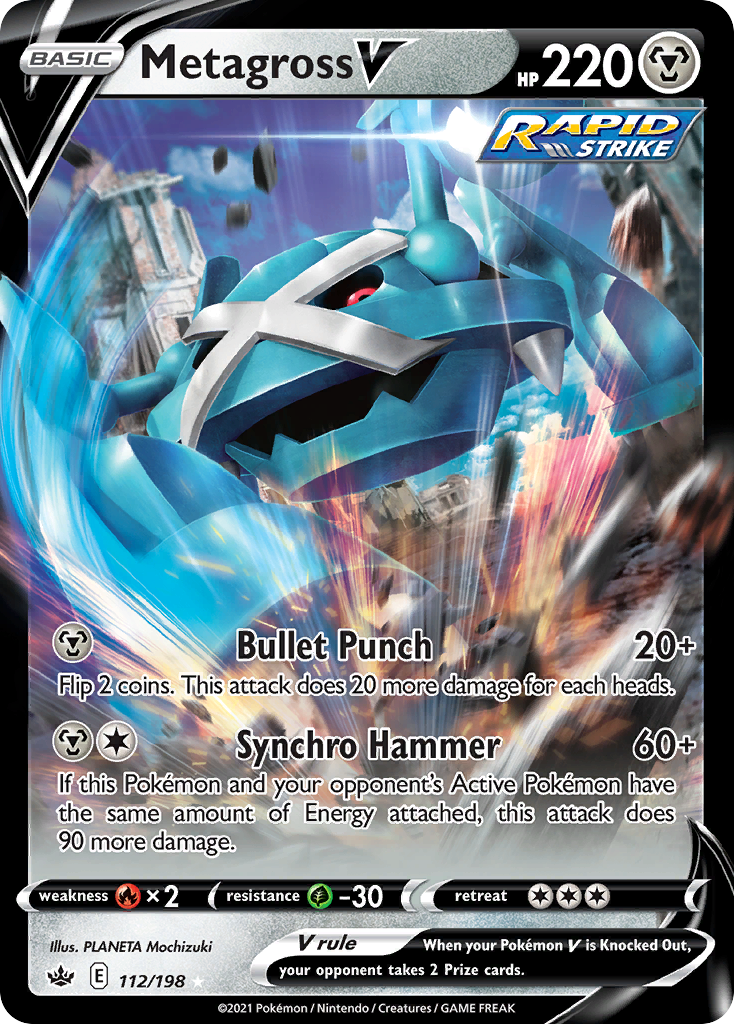
Getting a seller account on TCGPlayer involves signing up through their marketplace, providing business information, and completing a verification process that typically takes one to two weeks. The platform requires you to list your name or business, verify your identity and payment method, and agree to their seller policies—all of which are designed to protect buyers in a community where Pokémon cards range from commons worth pennies to vintage holographics worth thousands.
Once approved, you can begin listing inventory and managing orders from your seller dashboard, which handles everything from inventory tracking to shipping labels. The appeal of TCGPlayer for card sellers is straightforward: the platform reaches millions of collectors monthly and handles payment processing, buyer communication, and dispute resolution. If you’re moving more than a handful of cards, the commission structure (typically 8% of sale price plus payment processing fees) is competitive compared to eBay or Facebook Marketplace, where you’d be managing shipping and handling disputes entirely on your own.
Table of Contents
- What Are the Basic Requirements to Become a TCGPlayer Seller?
- Understanding TCGPlayer’s Seller Verification and Approval Process
- Setting Up Your Store Profile and Listings
- Navigating Fees and Payouts as a TCGPlayer Seller
- Common Approval Delays and Account Flags
- Pricing Strategies and Market Competition
- Long-Term Growth and Scaling Your TCGPlayer Business
- Conclusion
- Frequently Asked Questions
What Are the Basic Requirements to Become a TCGPlayer Seller?
Before you can open a TCGPlayer seller account, you need to be at least 18 years old and have a valid email address. The platform also requires you to provide accurate personal or business information during registration—they verify this data against public records and your payment provider. If you’re selling as an individual, you’ll provide your name and address; if you’re registering a business entity, you’ll need business registration details. TCGPlayer does allow multiple seller accounts, but each one must represent a separate legal entity, so you can’t just create duplicate accounts to circumvent policies.
You’ll also need a payment method that TCGPlayer accepts, typically a bank account for ACH transfers or a verified credit card. The platform uses this information not just to pay you but to validate that you’re who you say you are. For example, if you open an account under a business name but the payment method is registered to a different person entirely, you may face verification delays or rejection. Having your ID handy when you sign up speeds this process considerably.

Understanding TCGPlayer’s Seller Verification and Approval Process
The verification process is where many new sellers experience their first friction point. After you submit your application, TCGPlayer’s team reviews your information against public databases, checking that your identity matches the details you provided. This typically takes five to ten business days, though complex cases or flagged accounts can take longer. One common issue is a mismatch between your legal name and the way you registered—for instance, if your account shows “James T. Thompson” but your ID says “Jim Thompson,” you’ll likely get a request to clarify or resubmit.
During verification, TCGPlayer may also request additional documentation if they flag something as inconsistent. This could mean a utility bill to verify your address, a photo of your ID, or clarification about why your payment method is registered to a different address than your shipping location. This is not punishment—it’s standard practice for any marketplace handling thousands of transactions. Once verified, your account becomes active and you can begin listing cards immediately, but understand that TCGPlayer monitors your early activity closely. Unusual patterns (like listing thousands of cards instantly or accepting an extreme volume of orders) can trigger additional review.
Setting Up Your Store Profile and Listings
Your store profile is more than just a username; it’s your reputation anchor on the platform. Buyers research sellers before purchasing expensive cards, and your profile shows your feedback rating, average response time, and return policies. When you create your profile, you’ll choose a store name, add a description, and upload a logo if you want one. Keep your store name professional and consistent across platforms if you sell elsewhere—if collectors can’t easily identify who you are, you lose repeat business.
TCGPlayer’s listing system requires you to input specific details: card name, set, card number, condition, and quantity. For pokémon cards, condition is critical because a mint-condition Charizard commands dramatically different prices than a played copy. If you’re selling a PSA 9 base set Blastoise versus a PSA 7, buyers need that distinction immediately, not hidden in the description. The platform integrates with TCGPlayer’s pricing database, which auto-suggests prices based on recent sold listings, but you can adjust your prices freely. New sellers often make the mistake of underpricing significantly to build feedback—this works short-term but trains your buyer base to expect deals, making it harder to return to market rates later.
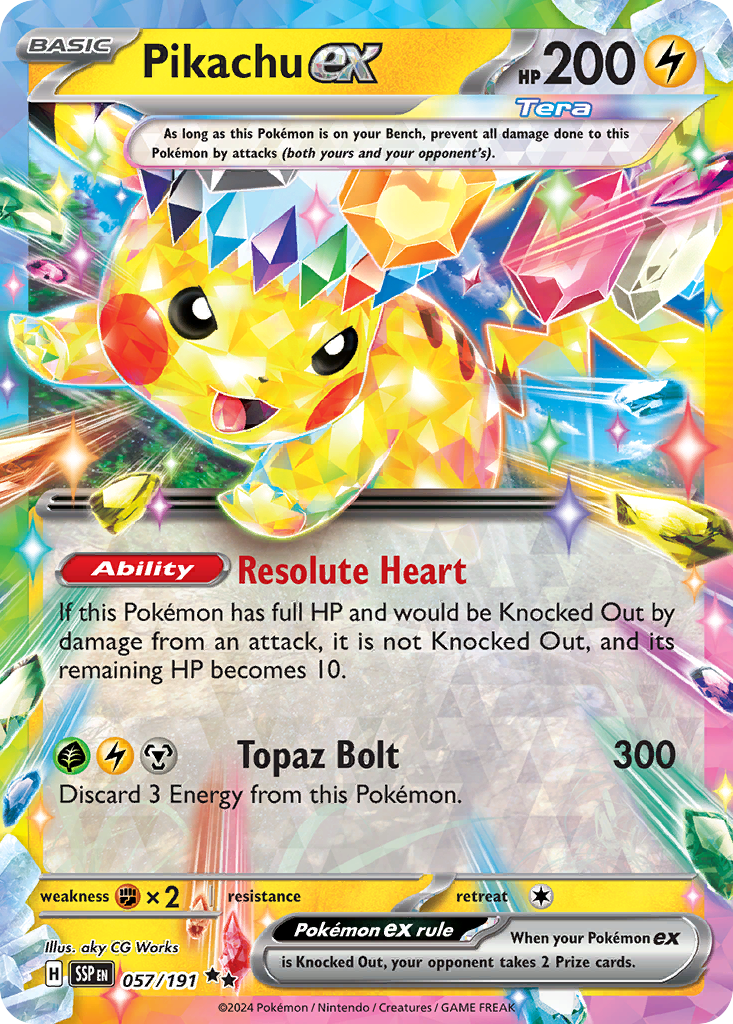
Navigating Fees and Payouts as a TCGPlayer Seller
TCGPlayer’s fee structure is transparent but multifaceted, and many new sellers underestimate the cumulative impact. You pay approximately 8% of the sale price as a platform fee, plus payment processing fees that typically run 2.9% plus $0.30 per transaction if you accept credit cards. Then comes shipping—while TCGPlayer doesn’t charge you for shipping directly, you’re responsible for all packaging and postage costs. If you sell a card for $50 and offer free shipping, your actual take-home is roughly $45 minus shipping (typically $4-6 for a tracked envelope), minus payment fees (about $1.80), leaving you with $37-40.
That same card on a smaller local platform might net you $48 if you found the buyer directly. Payouts occur on a weekly or bi-weekly schedule depending on your account level and performance history. TCGPlayer holds a small reserve from early sales as a risk buffer, which means your first payout might be smaller than expected. For example, if you sell $200 worth of cards in your first week, you might only receive $150 or so, with the remainder held or applied to your second payout. This is not unusual in marketplaces—it protects against chargebacks and disputed transactions—but it’s important to understand this cash flow delay before you rely on seller income.
Common Approval Delays and Account Flags
Certain actions trigger account review even after you’re verified and active. If you suddenly list 500 cards on day one, TCGPlayer may flag this as unusual activity and temporarily limit your account until manual review clears it. This is frustrating when it happens, but it’s how the platform prevents fraud—some bad actors bulk-list counterfeit cards or stolen inventory hoping to disappear after quick sales. If you have a large collection to list, space uploads across a few days or contact TCGPlayer support to note that you’re a new seller preparing inventory.
Your feedback rating directly affects your visibility and seller privileges. If you start receiving complaints about card condition, slow shipping, or poor communication, your account rating drops and buyers see you ranked lower in search results. Unlike some platforms, TCGPlayer allows buyers to leave detailed feedback, and a single low rating from a high-volume buyer can impact your average. Additionally, if you violate TCGPlayer’s policies—accepting payments outside the platform, misrepresenting card condition, or shipping to prohibited countries—your account can be suspended or permanently banned. There is no quick appeal process, and your funds may be held during investigation.

Pricing Strategies and Market Competition
Competitive pricing on TCGPlayer is both an art and a necessity because the platform sorts by price within each card listing. If you’re the cheapest, you get visibility; if you’re overpriced, you disappear below the fold. The platform’s Marketplace Price feature shows you the median price from dozens of other listings, giving you a data-driven anchor. However, simply matching the median often doesn’t work because buyers still compare within the top three to five listings they see. Consider your feedback rating and shipping time when pricing: a new seller with five-day shipping needs to undercut an established seller with two-day shipping to compete.
Seasonal trends and tournament formats also affect pricing. During competitive season, certain meta-relevant cards spike in demand. If you’re holding stock of a card that just became tournament-playable, you can price it higher for a few weeks before supply increases and prices normalize. However, the inverse is also true—holding inventory of reprinted or rotating-out cards becomes dead capital. Monitoring TCGPlayer’s price trends and adjusting your listings monthly is part of the work of being a seller.
Long-Term Growth and Scaling Your TCGPlayer Business
Once you’ve established a seller account with consistent positive feedback, you can scale by either expanding your inventory or seeking wholesale partnerships with other collectors. Some sellers start with cards from their personal collection and grow into buying bulk lots from estate sales or other collectors. This requires more capital upfront but can improve margins significantly if you’re sourcing well.
Successful TCGPlayer sellers often develop relationships with local collectors or estate liquidators, buying collections at a discount and reselling at market rates. The platform also offers incentives for top sellers, including featured placement, reduced fees at higher volume tiers, and early access to new features. Building toward these milestones is a long-term strategy, but the leverage is real—moving 200 sales per month at professional fee rates is materially different from moving 20 sales per month as a casual seller. Additionally, as the Pokémon card market matures and stabilizes post-2023 boom, TCGPlayer’s reputation as the trusted marketplace continues to strengthen, making it a reliable long-term platform for serious collectors and sellers.
Conclusion
Opening a TCGPlayer seller account is straightforward on the surface—you provide identity information, wait for verification, and begin listing—but success requires understanding the fee structure, market dynamics, and buyer expectations. The key differentiators are choosing realistic pricing, maintaining fast communication and accurate descriptions, and building feedback over time rather than chasing quick profits with underpriced or misrepresented cards.
If you’re selling Pokémon cards seriously, a TCGPlayer account is nearly essential because the platform’s reach and buyer trust mean your inventory will sell faster than on smaller venues. Start with realistic expectations about fees and margins, allocate time to manage listings and communication, and view your seller rating as the most valuable asset you’ll build—it determines your visibility and ultimately your long-term earning potential.
Frequently Asked Questions
How long does it take to get approved as a TCGPlayer seller?
Most applications are approved within five to ten business days. Simple applications with clear identity verification can be approved in as little as three days, while complex cases or flagged accounts may take two to three weeks.
Can I sell Pokémon cards with TCGPlayer if I’m under 18?
No. TCGPlayer requires sellers to be at least 18 years old. If you’re younger and want to sell, you would need an adult to open and manage the account on your behalf.
What happens if a buyer claims a card arrived damaged or in worse condition than listed?
TCGPlayer’s buyer protection policies allow buyers to open disputes within a specified window. You can respond with evidence (like photos of the card before shipping) or offer a refund or replacement. Repeat disputes damage your feedback rating and can result in account suspension.
Are there any monthly fees to maintain a TCGPlayer seller account?
No. There are no monthly or account maintenance fees. You only pay commissions on sales, which makes it low-risk to test selling without ongoing costs.
Can I control which states or countries I ship to?
Yes. You can set shipping restrictions by region within your account settings. However, TCGPlayer’s terms prohibit selling to certain countries due to export regulations, so check their policy before excluding regions.
How quickly do I get paid after a card sells?
TCGPlayer typically processes payouts weekly or bi-weekly to your bank account. Your first payout may be delayed or reduced as TCGPlayer holds a small reserve against disputes and chargebacks.
You Might Also Like
- Why Shiny Pokemon Card Values Are Tied to Popularity Not Rarity
- Why Low-Pop PSA 10s Are the Safest Pokémon Investments
- The Difference Between Collector Value and Dealer Value