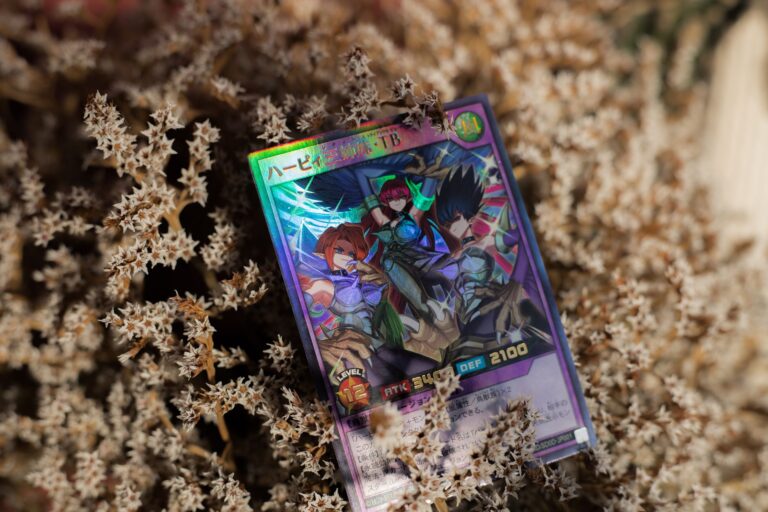
Fair value at your local card shop depends on what you’re selling and how quickly you need the cash. Most local game stores (LGS) pay 60-70% of market value for immediate cash transactions, which means a card worth $100 on the resale market might fetch $60-$70 when you trade it in. This discount exists because the shop takes on inventory risk, grading costs, and the time required to resell the card at full market price. If you walked into a local shop with a moderately valuable rare holographic card from a recent set, the shop owner would likely reference TCGPlayer’s pricing as the baseline, then apply that percentage reduction to offer you cash on the spot.
The key to understanding fair value is recognizing that local shops operate on thin margins. They’re not trying to cheat you—they’re factoring in the cost of doing business. A card that sells for $100 online takes time, effort, and platform fees to move. The shop’s offer reflects that reality, not malice. However, knowing what your cards are actually worth before you walk in is essential, because that 60-70% figure only feels fair if you understand the market value in the first place.
Table of Contents
- How Do Local Shops Price Cards You’re Trading In?
- Understanding Bulk Card Pricing and What You Can Actually Sell
- How Grading and Condition Impact What Your Cards Are Worth
- Using the Right Tools to Know Your Cards’ Real Market Value
- The Reality of Price Volatility and Market Timing
- Cash Offers Versus Store Credit: When Each Makes Sense
- The Future of Local Shop Trading in a Digital Market
- Conclusion
How Do Local Shops Price Cards You’re Trading In?
local card shops use TCGPlayer as their primary reference for establishing market value, which gives them a standardized baseline for pricing everything from common bulk to high-end graded cards. When you bring cards to a shop, the owner will often look up the specific card on TCGPlayer, check its current price, and then apply their standard buyback percentage. This approach keeps pricing consistent and transparent, though different shops may have different percentage tiers depending on their overhead and inventory turnover. A shop in a high-rent area might pay 55-60%, while a shop in a lower-cost region might pay up to 75%.
The shop’s pricing also depends on whether they’re buying for cash or store credit. Many shops offer better percentages for store credit than for immediate cash payouts. For example, a card might fetch 60% of market value as cash but 75-80% if you’re willing to spend that amount on other cards in their inventory. This creates a temptation to overspend on store credit that you didn’t actually need. Before accepting a store credit offer, make sure you have a realistic plan to spend that money, or the “better deal” becomes a loss.

Understanding Bulk Card Pricing and What You Can Actually Sell
Bulk cards—the commons, uncommons, and less valuable holos you accumulate—have their own pricing structure that’s completely separate from individual card value. Local shops typically pay $0.02-$0.05 per card for common and uncommon bulk, $0.10-$0.50 per card for rare bulk, $0.25-$1.00 per card for holographic bulk, and $1-$5 per card for modern ultra-rare bulk. These prices sound low, but they reflect the reality that bulk cards require sorting, grading, and storage before resale. A shop doesn’t want to buy 500 bulk commons at $0.05 each if they can’t move them quickly.
The limitation here is that many shops have strict policies about which bulk they’ll accept. Some won’t touch commons at all, while others have specific gravity or weight requirements for bulk purchases. Before you haul a heavy box of bulk cards to your local shop, call ahead and ask what they’re actually buying. You might arrive with 2,000 commons expecting $100 and discover the shop only accepts bulk that’s already sorted by set and condition. Timing matters too—shops are more eager to buy bulk during slow seasons and less interested when they already have plenty of inventory.
How Grading and Condition Impact What Your Cards Are Worth
If your card is raw (ungraded), its value is largely determined by its actual condition in hand. However, if you’ve had cards professionally graded by PSA, the grade dramatically increases the card’s market value and what a local shop will pay. A PSA 10 graded card is typically worth 3-10 times what a raw near-mint copy of the same card would fetch, a PSA 9 is worth 2-5 times as much, and a PSA 8 is worth 1.5-3 times as much. This means that an $8 raw Charizard could be worth $40-$80 if it grades out as a 9, and potentially $100+ if it’s a 10.
The catch is that local shops don’t always have the expertise or customer base to move high-end graded cards quickly. A shop might offer you only slightly more for a PSA 9 than they would for a PSA 8, even though the secondary market values them very differently. If you have valuable graded cards, you’re often better off selling them online through channels like TCGPlayer, eBay, or Goldin Auctions (which handles some of the market’s highest-end sales—a PSA 10 Pikachu Illustrator sold for $16,492,000 in February 2026) rather than trading them at your local shop. The shop’s customer base may not include the serious collectors who will pay premium prices for graded material.

Using the Right Tools to Know Your Cards’ Real Market Value
Before negotiating with a shop, use PokeDATA or TCGPlayer to check your cards’ current market prices. This takes 10 minutes and gives you concrete numbers to reference during the transaction. You’ll know what 60-70% of market value actually means in dollars, and you’ll spot any shop that tries to lowball you significantly. The price guide is another useful reference—it monitors every eBay sale and records the grade, so you can see what cards actually sold for at different grade levels, which is often more accurate than asking price.
PokeScope offers a free trade calculator that uses real-time market prices, which is useful if you’re considering a straight trade (my cards for your cards) rather than a cash transaction. With that tool, you can check if the shop’s offer is mathematically fair before agreeing. However, the calculator is only as good as the market data it pulls from, and it assumes you have accurate grade assessments for your own cards. If you’re overestimating the condition of your cards, the calculator will overestimate what they’re worth, and you might agree to a trade that actually undervalues your side.
The Reality of Price Volatility and Market Timing
Modern Pokémon card prices are notoriously volatile. The Mega Charizard EX, for example, was priced over $900 at release, then dropped to roughly $400 at its lowest point within weeks. This kind of swing happens frequently with newly released sets, especially when hype dies down. If you’re trading cards into a shop right after a major release, prices might still be inflated compared to where they’ll settle in a few weeks.
Conversely, if prices have just dropped, you might be accepting a lower payout than you would have gotten a month earlier. This volatility creates a strategic dilemma: Do you trade your cards immediately while there’s still buzz, or do you wait and hope prices stabilize at a higher level? There’s no perfect answer, but the important thing is to understand that timing matters. A local shop might offer you fair value on any given day, but that fair value could look very different in two weeks. Keep in mind that the shop isn’t trying to time the market for you—they’re offering immediate liquidity at a discount, which is a service with a real cost. If you want to maximize the value of volatile cards, you might need to either hold longer or sell directly to collectors willing to pay premium prices.

Cash Offers Versus Store Credit: When Each Makes Sense
Local shops almost always offer better rates for store credit than for immediate cash. This reflects the simple math of retail: store credit binds you to spending money at that location, while cash is money the shop no longer has. The credit offer might be 75-80% of market value instead of 60-70%. That sounds compelling, but it’s only a good deal if you’re genuinely going to spend that money on cards, sleeves, deck boxes, or other inventory you actually want.
The example here is practical: if a shop offers you $100 in cash or $125 in store credit for cards worth $150, the store credit looks better mathematically. But if you don’t actually want $125 worth of merchandise, or if the shop’s inventory doesn’t have anything you need, you’ve effectively turned a fair cash offer into a bad deal. Many collectors fall into this trap, accepting inflated store credit offers and then impulse-buying cards or supplies they didn’t need. Walk into a shop knowing whether you’re looking for cash or whether you have a specific shopping list that justifies accepting store credit.
The Future of Local Shop Trading in a Digital Market
As online pricing becomes more transparent and real-time, local shops have adjusted by offering convenience and community rather than competing on price alone. Modern set pricing as of March 27, 2026 shows booster boxes trading at $216.21, which is information a collector can instantly verify from home. Shops know this, so they attract customers through better customer service, draft events, tournament opportunities, and personalized advice. A shop that can tell you the grading prospects for a card or connect you with other collectors in your area offers value beyond the 60-70% buyback rate.
Looking forward, local shops are also becoming more specialized in their buyer personas. Some cater to casual collectors and bulk buyers, while others position themselves as high-end dealers focused on graded cards and trophy collections. Understanding which type of shop you’re visiting will help you calibrate your expectations. A casual neighborhood shop might buy your bulk at lower rates but won’t want to deal with high-end graded inventory, while a specialized shop in a bigger city might ignore your bulk but offer competitive rates on premium cards.
Conclusion
Fair value at your local card shop means knowing what your cards are worth on the open market, understanding that the shop’s percentage cut is their business model, and deciding whether the convenience of an immediate local transaction is worth the discount. The 60-70% cash payout or higher store credit offers reflect genuine business costs, not deception. What matters is walking in with your prices verified through TCGPlayer, PokeDATA, or the price guide so you can negotiate from a position of knowledge. If the shop’s offer is significantly lower than the market value you’ve verified, you can either ask why or take your cards elsewhere.
Ultimately, local shops serve a purpose beyond just buying and selling cards. They’re community hubs, draft venues, and places where collectors find peers and expertise. Sometimes the fair value isn’t just about the percentage—it’s about the convenience, the relationship, and the knowledge the shop owner brings to the transaction. But don’t let that convenience make you careless. Know your cards’ worth, understand the shop’s margins, and make the decision that works best for your collection and your goals.