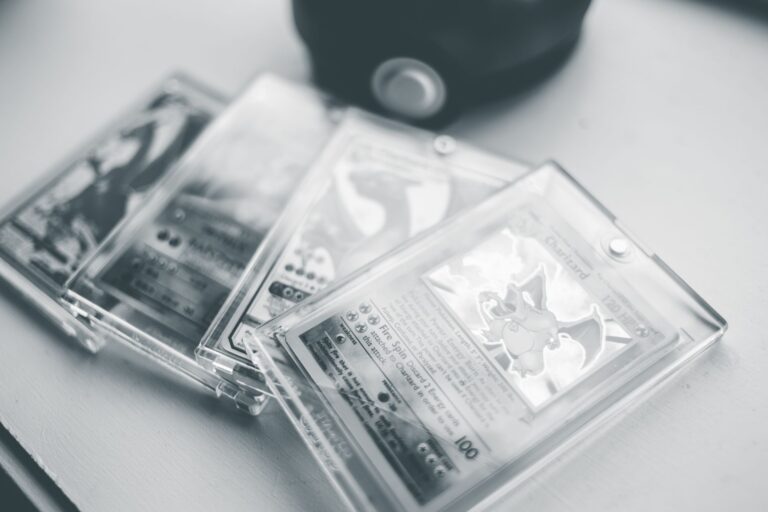
Trading up in Pokémon cards without spending money means strategically exchanging cards you already own with other collectors to acquire cards of higher value or rarity than what you gave up. This is entirely possible through targeted trading at card shops, online communities, and local events—the key is understanding which cards hold value, knowing what other collectors want, and timing your trades when demand shifts. If you have a bulk collection of commons and uncommons from recent sets, those can often be bundled and traded to collectors hunting for specific cards they’re missing, effectively converting “dead” inventory into valuable cards without opening your wallet.
The reality is that most casual collectors sit on hundreds of cards with minimal value—the bulk of a booster box is filler. Rather than letting those cards gather dust, you can leverage them as trading capital. A tangible example: someone might offer you a pack of newer Scarlet & Violet holos in exchange for a full playset of older M-era bulk cards you pulled years ago. That trade costs you nothing out of pocket, but you now own modern cards you can either keep or trade again to climb higher in value.
Table of Contents
- What Cards Do Other Collectors Actually Want in Trades?
- The Limitations of Trading for Value Without Capital
- Building a Strategic Trading Inventory
- Using Bulk as Leverage in Face-to-Face Trading
- The Pitfall of Overestimating Your Cards’ Value
- Leveraging Online Trading Communities for Wider Reach
- The Long Game—Building Trading Reputation and Momentum
- Conclusion
- Frequently Asked Questions
What Cards Do Other Collectors Actually Want in Trades?
Not all cards hold equal value in the trading market. Competitive players want specific cards for deck building—think Lugia VSTAR, Pikachu ex from specific sets, or Charizard cards regardless of condition. Casual collectors hunt for personal favorites, complete set goals, or nostalgia hits like original Base Set Charizard (even damaged ones). Bulk lots of common holos from sets like Brilliant Stars or Scarlet & Violet move surprisingly well because newer players are building collections. Meanwhile, a stack of 50 non-holo commons from a set released five years ago is essentially worthless as trading material.
The trading advantage goes to whoever understands what’s hot right now. During competitive season, meta-relevant cards spike in demand and become excellent trading targets. Between seasons, vintage cards and chase holos from past sets regain collector interest. Your goal is to identify cards that are easy for you to obtain but hard for others to get. If you’re opening booster boxes regularly, your bulk becomes someone else’s treasure. A collector who spends $200 on booster boxes monthly can trade off 80% of their pulls as commons and holos to people paying $15 here and there for single cards, creating asymmetrical trades that benefit both parties without cash changing hands.

The Limitations of Trading for Value Without Capital
One significant limitation: trading networks require an audience. If you’re trying to trade in a small community with few collectors nearby, or if you’re only posting on platforms with low daily traffic, finding the right trade partner takes weeks. Online trading communities like Reddit’s r/pkmntcg and Discord servers are more active, but they come with friction—you need to ship cards, wait for verification, and navigate disputes if cards arrive damaged. A bulk trade of 50 cards with shipping insurance might cost $12 in postage, which technically violates the “no spending” rule, though it’s minimal. Another constraint: trading ratios are rarely in your favor long-term.
If you trade five dollars’ worth of cards to get three dollars’ worth of cards you wanted more, you’ve lost value in the transaction. This happens constantly in casual trading because emotional attachment and collection completion drive people to accept unfavorable deals. The only way to avoid this is ruthless honesty about card values—use TCGplayer, Cardmarket, or Scryfall to check LP (lightly played) and MP (moderately played) prices before proposing trades. Many collectors don’t know their cards’ actual value and might offer trades that sound fair but aren’t. A warning: never exploit a new or young collector by offering intentionally bad trades, even if they agree. The hobby shrinks when experienced collectors take advantage of newcomers.
Building a Strategic Trading Inventory
The most successful traders maintain what collectors call a “trade binder”—a physical collection of cards organized by desirability, separated into tiers. Tier one contains cards you’re actively trying to move: bulk holos from recent sets, duplicate staples, and cards outside your collecting focus. Tier two holds cards you’d trade if the offer was right. Tier three is your untouchable wishlist of cards you’re trying to acquire. This binder becomes your negotiating tool at local tournaments, card shops, and community meetups.
Diversifying your trade inventory is critical. A binder full of only bulk from the last two sets appeals to a narrow audience. But if you also have vintage cards from the 2000s-2010s era, some Japanese holos, modern special releases, and a few chase cards, you can appeal to multiple collector archetypes in a single trading session. For example, someone might reject your offer of 50 Battle Styles holos but immediately bite on a trade involving a single vintage Dark Charizard and a handful of bulk, because that Dark Charizard is the card they’ve been hunting for months. Spreading your value across different categories increases your trading opportunities exponentially.

Using Bulk as Leverage in Face-to-Face Trading
Local card shops and tournaments are goldmines for high-velocity trading. At a typical tournament weekend, hundreds of collectors congregate with cards in hand, many actively looking to trade. The mechanics are straightforward: bring your binder, approach other collectors, and propose swaps. The traders who succeed are those who think in percentages, not individual cards. Instead of saying “I want your Lugia VSTAR,” you say “I can bundle ten holos plus some bulk to match the value—what would it take to close the gap?” This approach respects the other person’s position and opens negotiation rather than shutting it down. The trade-off is that face-to-face negotiation requires social skills and the ability to walk away from unfavorable deals without tension.
If someone proposes a trade that undervalues your cards by more than 10%, it’s better to politely decline and move to the next collector than to accept resentfully. Experienced traders operate on reputation—being known as fair and honest means collectors seek you out in future sessions. Conversely, a trader with a reputation for squeezing people finds that few collectors want to engage. One tangible scenario: at a regional tournament, you bring 100 commons and holos totaling roughly $30 in trade value. You spot someone with a moderately-played Charizard ex (worth $40). You propose a trade of your 100 cards plus a moderately played Blastoise from your personal collection (worth $15), totaling $45. The other collector values the bundle, gets cards they can immediately flip or use, and you walk away with a card you’ve wanted for months.
The Pitfall of Overestimating Your Cards’ Value
New traders often believe their collection is worth far more than it actually is. A common mistake is pricing bulk cards at TCGplayer’s listed prices without accounting for condition or demand. A card listed at $5 on TCGplayer might be in near-mint condition and have high demand—your heavily played copy is worth maybe $1.50. Comparing prices on Cardmarket (a European platform) or eBay’s sold listings gives you a more realistic picture of what your cards can actually fetch in the current market. Another warning: condition assessment is ruthlessly objective in the trading world.
You might see a card as “lightly played” because the corner wear is minimal to your eye. A collector experienced in grading might immediately identify it as “moderately played” due to edge wear, slight centering issues, or back print spots. This discrepancy causes tension and broken trades. If you’re serious about trading up without spending cash, invest two hours learning the PSA/BGS grading scale and honestly assess your own collection’s condition. Slightly overvaluing ten cards costs you a month of trading momentum because word spreads quickly in small communities that you’re unreasonable. Conversely, traders known for honest grading and fair valuations get repeat trading partners and better deals over time.

Leveraging Online Trading Communities for Wider Reach
Reddit communities, Facebook trading groups, and Discord servers dramatically expand the pool of potential traders beyond your local area. The advantage is obvious: if you’re in a small town with three active collectors, online spaces give you access to thousands. The disadvantage is logistics—shipping costs, increased fraud risk, and the inability to inspect cards before trade completion make online trading more complicated. Successful online trading requires profile building. Create a consistent username across platforms, maintain a detailed trade history, and be willing to ship first if you’re new—this builds trust.
Many collectors use Sealing Cards as an escrow service for higher-value online trades, though this adds cost and time. An example: you post your bulk inventory on a Discord server focused on newer set collectors. Within 48 hours, someone in Florida offers to send you a Giratina VSTAR in exchange for 80 cards from your Astral Radiance bulk lot and a moderately played Dialga VSTAR. You both ship simultaneously, cards arrive, you verify, and the trade is complete. Total cost to you: $8 in postage, roughly—still within the “no spending significant money” parameter.
The Long Game—Building Trading Reputation and Momentum
Traders who succeed at climbing value without spending cash do so over months, not weeks. Each trade should improve your collection while maintaining or gaining overall value. The first trade might only net you a 5% improvement, but the momentum accelerates as your reputation grows. Collectors start offering you cards unsolicited because they know you deal fairly. Shop owners begin holding cards they think you’ll want.
You become a node in the trading network rather than a peripheral actor. Looking forward, the most efficient trading path combines seasonal trading (buying during slow periods, trading during peak demand) with long-term holds. A card that’s bulk today might be a trade-up card in two years if the set rotates out of print or the card gains unexpected competitive relevance. Keeping detailed records—photos, dates, and what you traded for each card—is often overlooked but invaluable. You begin to recognize patterns in what appreciates, what stagnates, and which trades consistently yield good returns on value.
Conclusion
Trading up in Pokémon cards without spending money is feasible through strategic bulk management, fair valuation, and consistent engagement with trading communities. The core principle is recognizing that your collection contains cards with genuine trading value—even if individually worthless—and deploying them intentionally to acquire cards you actually want or cards that appreciate over time. Success requires patience, honest self-assessment of card condition and value, and a willingness to walk away from bad deals.
The practical path forward is to organize your collection into a trade binder, identify your local trading outlets (card shops, tournaments, online communities), and make your first trades conservative and fair-minded. Small wins compound into momentum, and reputation becomes your most valuable asset in the trading ecosystem. Within three to six months of active trading, you’ll own cards you never could have purchased on a budget, simply by deploying inventory that was gathering dust.
Frequently Asked Questions
Is shipping cost considered “spending money” if I trade online?
Technically yes, though most traders accept $5-10 in shipping as a reasonable cost for significant trades. If you want zero spending, stick to local, face-to-face trading at shops and tournaments.
How do I know if I’m getting a fair trade?
Check TCGplayer or Cardmarket for LP and MP prices of both sides of the trade. Fair trades have less than 10% variance in total value. If you’re unsure, ask for a few hours to look up prices—legitimate traders won’t pressure you.
Can I trade bulk commons for anything valuable?
Bulk alone (non-holo commons) is nearly worthless. Bulk holos and near-playsets of uncommons from recent sets are tradeable. Package them with a few mid-tier holos to make an attractive offer.
What’s the fastest way to trade up without local community?
Online Discord servers and Reddit are faster than Facebook groups. Post a detailed inventory with photos, check prices before listing, and be willing to go first if you’re new. Expect slower velocity but wider reach.
Should I grade cards before trading?
Only PSA 8 and higher grades justify formal grading before trading. For lower conditions, honest written condition assessment is sufficient and costs nothing.
How long does it typically take to “trade up” from bulk to valuable cards?
3-6 months of consistent monthly trading, depending on your local market size and willingness to negotiate. Online traders may see faster momentum due to larger trading pools.