
The Pokémon card market is experiencing a sharp surge in demand this week, driven primarily by the May 22 launch of the Mega Evolution—Chaos Rising expansion alongside new League Battle Decks featuring Mega Lucario ex and Premium Collections with Mega Zygarde ex. Prerelease kits have sold out across many retailers, with booster boxes now trading 15-25% above MSRP on secondary markets, signaling that both collectors and new speculators are rushing to acquire sealed product before supply tightens further. This spike represents the continuation of a broader trend: Pokémon cards have appreciated 46% year-over-year through January 2026, with certain chase cards posting 200-500% gains throughout this year alone.
The timing of this demand surge is notable. The market’s upward momentum began accelerating after the February 27 thirty-year anniversary milestone, which rekindled interest in older sets and elevated the prestige of the entire hobby. Now, with a major Mega Evolution-themed expansion hitting shelves, we’re seeing the kind of collector enthusiasm that typically drives prices upward in the first weeks following release—though history shows that patience often rewolds buyers willing to wait.
Table of Contents
- What Cards Are Driving Demand This Week?
- The Secondary Market Markup—What It Means for Buyers
- Who’s Buying, and Why Market Bifurcation Matters
- Practical Buying Strategy for This Week’s Demand
- The Volatility Risk—What Can Go Wrong
- Specific Cards Showing Sustained Demand Beyond This Week
- Market Outlook and the Longer-Term Trend
- Conclusion
What Cards Are Driving Demand This Week?
The Mega Evolution—Chaos Rising expansion is the focal point, introducing Mega Lucario ex and Mega Zygarde ex as primary chase cards. These cards command attention because Mega Evolution mechanics have historically performed well in the secondary market, and the recent success of ex-focused sets has primed collectors to expect strong pulls. Beyond new releases, several previously issued cards continue to experience sustained price growth: Dachsbun ex from Stellar Crown doubled in price during April 2026 and now ranks as the third-most valuable card in that set, while Shiny pokémon cards from Paldean Fates (particularly Snorlax) have more than doubled since March began.
The demand split is important to understand. New prerelease purchases are largely driven by sealed-product speculation—buyers hoping the expansion proves popular enough to justify holding booster boxes at above-retail prices. In contrast, the ongoing price appreciation for established chase cards like Dachsbun ex reflects deeper collector interest; these cards aren’t speculative bets on a new set, but rather evidence that the market has recognized their value. The Gengar card from Ascended Heroes further illustrates this pattern, climbing steadily in price week after week since its February 2026 release.

The Secondary Market Markup—What It Means for Buyers
The 15-25% markup on Mega Evolution booster boxes represents genuine scarcity pressure, not mere hype. When a newly released product trades substantially above MSRP within days of launch, it typically indicates two conditions: limited initial print quantities and strong early demand. However, this premium carries a hidden cost for buyers who purchase at current prices.
Historical data shows that Pokémon card prices typically decline 20-30% within 4-6 weeks of a set’s release as the initial rush subsides and supply normalizes. This pattern means that buying booster boxes this week at a 20% markup will likely result in a loss if you’re hoping to flip them for profit in June or July. The buyers profiting this week are those who secured product at MSRP or below and are now selling into the peak demand. For collectors seeking specific cards from Chaos Rising, the more rational strategy is to monitor single-card prices on the secondary market as they stabilize; most players will find better value purchasing specific chase cards directly rather than opening boxes at elevated prices.
Who’s Buying, and Why Market Bifurcation Matters
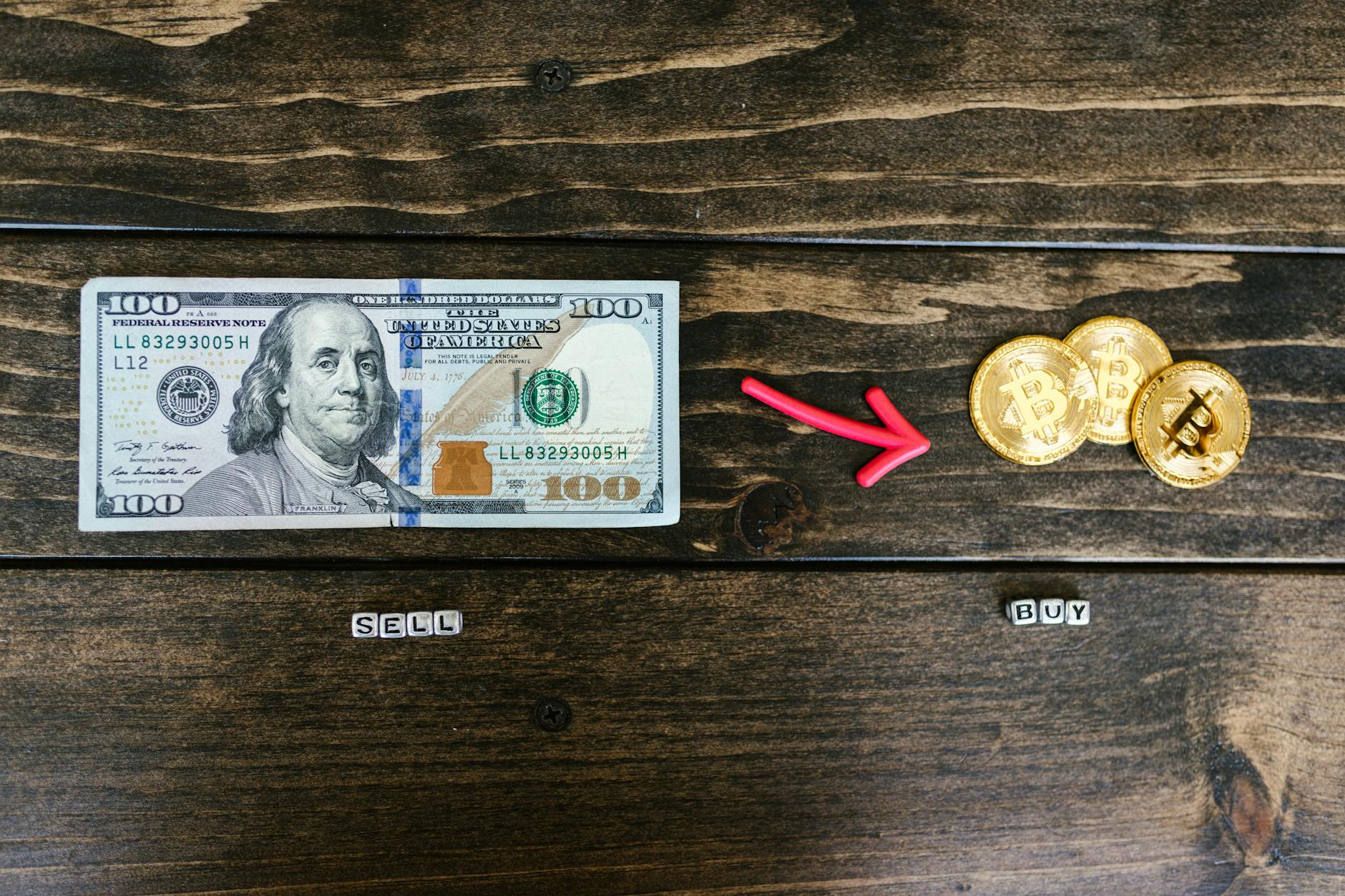
Recent demand has been amplified by crypto and speculative investors entering the market specifically to acquire sealed products, treating them as alternative investment vehicles. This trend was documented in May 2026 reporting and represents a shift from previous cycles: speculators are no longer primarily targeting vintage PSA 10 cards, but rather new sealed products that might appreciate rapidly. This influx of non-collector capital accelerates price increases in the short term but also increases volatility and correction risk. The market has effectively split into two distinct ecosystems.
On one side, vintage cards and highly graded modern chase cards (particularly PSA 10 examples) appreciate steadily due to genuine scarcity and collector demand. On the other side, modern sealed product experiences faster hype-and-correction cycles driven by speculative interest. A PSA 10 trophy card from a classic set may appreciate 5-10% annually with minimal volatility, while a new sealed booster box might spike 20% in a month and then correct 15% two months later. Understanding which ecosystem you’re participating in—collector appreciation versus speculative timing—fundamentally changes your strategy.
Practical Buying Strategy for This Week’s Demand
If you’re planning to purchase Pokémon cards this week, your decision should depend entirely on your goals. For players and collectors who simply want cards to enjoy, waiting is almost always advantageous. By mid-June, individual Chaos Rising cards will have stabilized at lower prices, sealed booster boxes will trade closer to MSRP, and you’ll have clearer market data about which cards actually hold value versus which ones proved overhyped.
Saving 20-30% by waiting a month is a concrete benefit that applies whether you’re buying sealed product or singles. For collectors seeking older cards or established chase cards like Dachsbun ex or the Gengar from Ascended Heroes, this week’s demand surge in new product actually creates a minor opportunity: attention is diverted to the latest release, which can temporarily reduce buying pressure on preceding sets. This period offers a brief window to acquire older cards at lower prices than you might see once Chaos Rising demand normalizes and collectors redirect capital toward secondary acquisitions.
The Volatility Risk—What Can Go Wrong
The significant presence of speculative investors introduces genuine risk to the market. When non-collector money floods into sealed products, prices can spike rapidly, but they can also collapse equally fast if sentiment shifts. The crypto-adjacent buying patterns documented in recent weeks show the same momentum-chasing behavior that defined the 2021-2022 Pokémon bubble before it corrected sharply. Cards that appear to have solid demand this week could face selling pressure in 4-8 weeks if the initial wave of speculators decides to exit positions.
Another practical limitation is that not all cards from Chaos Rising will appreciate equally. The psychological appeal of Mega Evolution may boost certain pulls (Mega Lucario ex, Mega Zygarde ex), but the set’s bulk commons, uncommons, and less-telegraphed rares will likely see minimal appreciation. Buyers betting on “this entire set will moon” are ignoring the fact that most cards from any expansion simply decline toward bulk prices. Only the top 5-10 cards per set typically retain or appreciate above retail value, and predicting which ones those will be is the hardest part of speculation.

Specific Cards Showing Sustained Demand Beyond This Week
While Chaos Rising is the immediate focus, several cards have demonstrated that their price gains extend beyond short-term hype cycles. The Dachsbun ex example is particularly instructive: it doubled in price during April and remains the third-most valuable card in Stellar Crown in late May, proving that certain ex cards develop staying power.
Similarly, Shiny Pokémon from Paldean Fates have sustained their appreciation over two-plus months, suggesting that the collector base genuinely prefers these special variants beyond the initial launch window. These examples matter because they suggest that cards with specific aesthetic or mechanical appeal (shiny treatments, popular Pokémon, ex mechanics) can transcend the typical hype-and-correction cycle. If Chaos Rising contains cards with similar appeal—such as visually striking Mega evolutions or historically beloved Pokémon rendered as ex cards—those particular pulls may hold value longer than the set’s bulk inventory.
Market Outlook and the Longer-Term Trend
The thirty-year anniversary milestone in February 2026 appears to have created a structural shift in market interest, with sustained year-over-year appreciation suggesting this is not a momentary spike but rather a sustained elevated valuation period. If that pattern holds, it implies that prices may not fully correct to 2025 levels, even after the initial Chaos Rising speculation phase ends. This would represent a maturation of the market toward higher baseline valuations, similar to what occurred in sports cards post-2020.
However, the entry of speculative and crypto-adjacent capital introduces a wild card. If regulatory or market conditions change—such as a major cryptocurrency correction reducing speculative appetite—Pokémon card demand could contract sharply. Collectors focused on long-term appreciation should maintain a diversified portfolio weighted toward established chase cards and older sets, while speculators should recognize that their timeline is measured in weeks, not months, and exit decisions should be automated rather than emotional.
Conclusion
The Pokémon card market is experiencing genuine fresh demand this week, anchored by the Mega Evolution—Chaos Rising expansion launch and amplified by speculative investment capital seeking sealed-product upside. Booster boxes trade 15-25% above MSRP, and prerelease kits have sold out, signaling real scarcity pressure. However, this same dynamic has historically corrected within 4-6 weeks, making patient buying strategies significantly more profitable than impulse purchases at peak hype.
Your response to this week’s demand should align with your actual goals. Collectors benefit from waiting, speculators should have clear exit criteria planned before market sentiment shifts, and everyone should recognize that only a small percentage of cards from any set hold value long-term. The underlying market strength—46% year-over-year appreciation through January 2026—suggests the hobby remains healthier than it was in 2023-2024, but that strength should not be confused with justification for paying above-MSRP prices on products whose post-release value is fundamentally unpredictable.
You Might Also Like
- Pokémon Cards Seeing the Biggest Market Gains This Week – 05/24/2026
- The Pokémon TCG Cards Spiking Across Marketplaces This Week – 05/24/2026
- The Pokémon TCG Cards Heating Up the Market This Week – 05/24/2026