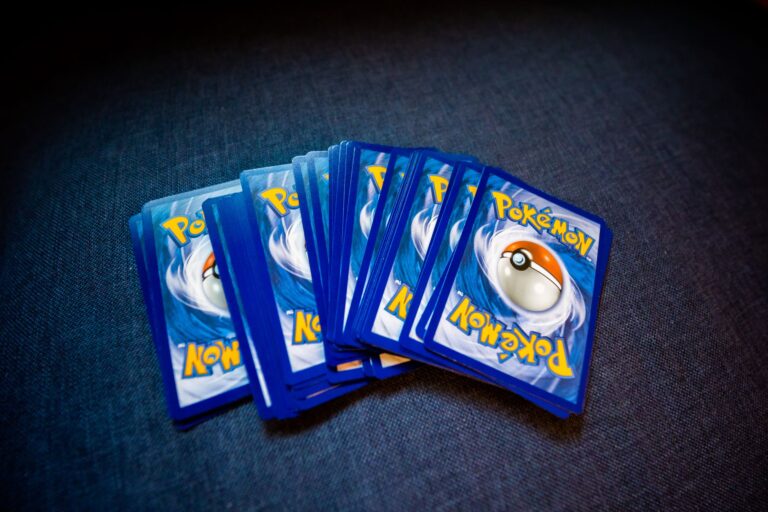
The Pokémon TCG market is experiencing broad-based price increases this week, driven by new set releases, digital-to-physical collector conversion, and anniversary momentum pushing both modern and vintage cards higher. The week of May 19-24, 2026 marks a notable inflection point: the Japanese release of the Abyss Eyes set on May 22 introduced a new wave of chase cards including Mega Darkrai ex, while the May 2026 arrival of Mega Evolution—Chaos Rising has pushed collectible prices up 33.5% overall. The overall market weighted value climbed from $64.5M to $67.0M in early May, representing a 3.9% jump that signals sustained collector interest beyond speculative spikes.
Specific cards are posting outsized gains. Mega Dragonite ex recorded 24 sales on May 19 averaging $64.56, while Flygon posted an 83.9% price climb to $79.13 in late May. These movements reflect a market that’s sorting between cards with genuine long-term appeal and those facing natural post-launch corrections. The buying pressure isn’t uniform: modern singles are pulling back 20-30% from launch peaks, while vintage sealed products and competitive-format staples are climbing 15-25%, suggesting collectors are rotating into perceived safer assets rather than chasing every new card indiscriminately.
Table of Contents
- What’s Driving Price Spikes in May 2026?
- The Tale of Two Markets—Modern Cards Correcting, Vintage Strengthening
- Breaking Down This Week’s Specific Winners and Market Movers
- Pokémon TCG Pocket and the New Collector Pipeline
- Japanese Booster Pack Price Increases—The First in Four Years
- Anniversary Momentum and Sealed Vintage Appreciation
- What’s Next for Pokémon TCG Markets in Late May and Beyond?
- Conclusion
What’s Driving Price Spikes in May 2026?
New set releases are the immediate catalyst. Abyss Eyes landed in Japan on May 22, bringing fresh chase cards and speculation energy that ripples through secondary markets globally. Simultaneously, the Mega Evolution—Chaos Rising expansion hit with a $1,567 total set value and a 33.5% average price increase across its 229 cards, averaging $12.85 per card. This represents the kind of sustained elevation where individual cards maintain premiums rather than crashing back to equilibrium within days. But new sets aren’t the whole story.
The pokémon TCG Pocket mobile game, which generated $1.25 billion in revenue during its first year, has created a new pipeline: digital collectors discovering the physical card game and moving capital into secondary markets. This crossover effect adds a structural demand floor that wasn’t present in earlier years. Combined with Pokémon’s 30th anniversary driving sealed vintage demand to new highs, the market has multiple compounding tailwinds rather than single-card hype cycles. A critical limitation: not all cards in new sets sustain their launch premiums. The 20-30% correction in modern singles suggests many mid-tier cards are already retreating from peak speculation prices. Collectors chasing every new card face the real risk of buying at inflated launch prices and watching value deteriorate within weeks as demand filters for actual chase cards.

The Tale of Two Markets—Modern Cards Correcting, Vintage Strengthening
The most telling pattern this week is the divergence between modern and vintage. Modern singles are correcting 20-30% from launch peaks, which is a healthy market function: speculators exit, collectors who want to actually use cards get better entry points. But this correction is happening while vintage and sealed products climb 15-25% simultaneously, creating a bifurcated market where older products are solidifying gains while newer cards oscillate. This separation matters because it indicates a market transition toward long-term value over speculation.
Collectors who bought sealed vintage product months ago are seeing their inventory appreciate; those chasing every modern release are getting whipsawed. The Japanese market reinforced this in May with its first booster pack price increase in four years, a signal that manufacturers and retailers are tightening supply and betting on sustained demand for premium products rather than racing to the bottom on pricing. The downside risk is clear: if the rate of new set releases accelerates or if collector spending decelerates after the 30th anniversary moment passes, vintage appreciation could stall and modern cards could sink further. Sealed vintage product has benefited from genuine scarcity and collector nostalgia; those conditions don’t guarantee perpetual gains.
Breaking Down This Week’s Specific Winners and Market Movers
Mega Dragonite ex exemplifies the kind of card that’s attracting sustained buying. Twenty-four sales on May 19 at an average price of $64.56 suggests neither a flash sale nor a speculative pump—real market depth with buyers at multiple price levels. Flygon’s 83.9% climb to $79.13 is more dramatic and warrants skepticism: cards posting this kind of gain in a week often reverse just as quickly once the initial burst exhausts itself. These specific cards are likely benefiting from Format relevance or collection completion.
Collectors pursuing a specific vintage set or those playing in competitive formats are willing to pay premiums for cards that complete playsets or collections. The fact that Mega Dragonite maintained multiple buy orders suggests ongoing demand rather than a one-time spike. Neither Mega Dragonite nor Flygon should be purchased purely as investment vehicles this week. The momentum could reverse, and waiting two weeks often reveals whether a price move is real market reassessment or temporary frenzy.

Pokémon TCG Pocket and the New Collector Pipeline
The $1.25 billion first-year revenue from Pokémon TCG Pocket represents a structural change in how collectors discover the physical game. New digital players are transitioning to cards, and this cohort is less burdened by nostalgia or 90s-era anchors—they’re buying what’s new and accessible. This demand floor helps explain why modern sets are holding value better than they might otherwise, even as singles correct. The digital game’s success also matters psychologically.
Millions of players now have familiarized themselves with card mechanics, rarity, and art—the exact knowledge needed to collect physical cards. Pokémon is no longer relying solely on childhood-driven nostalgia to drive buying; it’s manufacturing new adult collectors in real time through mobile gaming conversion. The risk is that digital-to-physical conversion is front-loaded. If TCG Pocket’s revenue stabilizes or declines after the first year, the pipeline slows, and demand deflates. Additionally, digital players may remain primarily digital; not all of the $1.25 billion cohort will convert to high-value physical card spending.
Japanese Booster Pack Price Increases—The First in Four Years
Japan raised booster pack prices in May 2026, the first increase in four years. This is significant because it signals confidence in sustained demand: manufacturers won’t raise prices into weakening markets. The increase also suggests inflation, supply-chain tightening, or genuine scarcity in the manufacturing pipeline. Globally, this creates upward pressure on sealed product pricing.
If Japanese booster packs cost more, Japanese sealed vintage stock becomes more scarce and valuable at the margins. Sellers holding sealed Japanese product have a tailwind, while buyers planning to acquire Japanese sealed stock face higher acquisition costs going forward. The warning: price increases at retail can sometimes cool enthusiasm, especially if they outpace wage growth or discretionary spending. If the Japanese market’s price increase triggers demand destruction in Asia, the global market will feel the secondary effects weeks later.

Anniversary Momentum and Sealed Vintage Appreciation
Pokémon’s 30th anniversary has been a visible demand driver for sealed vintage product. Milestone anniversaries often trigger nostalgia-driven buying, and this one is no exception. Sealed Base Set, Neo, and Gym Heroes products are climbing 15-25% as collectors either pursue completion or treat these sets as collectible assets.
The appreciation is real but time-limited. Anniversary momentum typically peaks around the actual anniversary date and deflates within months. Collectors treating anniversary-driven sealed product as long-term investment vehicles should be aware that this tailwind has a known expiration date.
What’s Next for Pokémon TCG Markets in Late May and Beyond?
The coming weeks will determine whether this price acceleration is a structural shift or a cyclical spike. If Abyss Eyes sustains chase-card premiums and Pokémon TCG Pocket continues converting players, pricing pressure could persist. If both stabilize, expect a pullback by early June.
The June and July release calendar will matter enormously. New set releases are the primary driver of secondary market volatility, and if Pokémon maintains a regular cadence of strong-performer sets, collectors will continue rotating capital. The question is whether collectors can absorb new releases every few weeks without fatiguing on pricing or chase-card demand.
Conclusion
This week’s price spikes across the Pokémon TCG marketplace are real but not uniform. New set releases, digital-to-physical conversion from TCG Pocket, and 30th anniversary momentum are creating sustained demand, but modern singles are already correcting 20-30% from launch peaks while vintage sealed climbs 15-25%. Specific cards like Mega Dragonite ex show depth of demand, but cards like Flygon posting 83.9% gains in a week are speculative and carry reversal risk.
Monitor the coming weeks for whether these price movements solidify or unwind. The structural drivers—TCG Pocket’s player conversion, Japanese price increases, and anniversary momentum—are real, but they’re also time-limited. The most sustainable gains will be in cards with actual playability, collection completion demand, or genuine vintage scarcity, not cards chased purely on weekly momentum.