
The most common mistakes first-time PSA submitters make fall into three broad categories: submitting cards that don’t financially justify the grading fee, botching the physical preparation and packaging, and filling out the submission form incorrectly. Any one of these errors can turn what should be a straightforward process into an expensive lesson. Consider the collector who sends in a $15 modern pull at the Value Bulk tier — now $24.99 per card after PSA’s February 2026 price increase — only to get back a PSA 8 worth less than what they paid to grade it.
That scenario plays out thousands of times a month, and it is entirely avoidable with a little homework before you seal the box. Beyond the financial miscalculation, first-timers routinely damage their own cards during prep, ignore the back surface entirely, eyeball centering instead of measuring it, and pack their shipping boxes so poorly that cards arrive in worse condition than they left. The submission form introduces its own pitfalls, from selecting the wrong variant to misidentifying error cards. This article walks through each of these mistakes in detail, explains why PSA catches what you might miss, and lays out what the current grading landscape looks like heading into 2026 — including the fallout from last year’s buyback scandal and what the latest pricing changes mean for your bottom line.
Table of Contents
- What Card Selection Mistakes Do First-Time PSA Submitters Make?
- How Handling and Cleaning Errors Tank Your PSA Grade
- Why Ignoring the Back and Eyeballing Centering Costs You Points
- Packaging and Shipping Your PSA Submission Without Destroying Your Cards
- Submission Form Errors That Cost You Money and Time
- What Happens When PSA Rejects Your Card
- The Current PSA Landscape and What It Means for New Submitters
- Conclusion
- Frequently Asked Questions
What Card Selection Mistakes Do First-Time PSA Submitters Make?
The single most expensive mistake is submitting cards that have no business being graded. A useful rule of thumb: a card should be worth at least three to five times the grading fee *after* grading to justify the submission. If you are sending a card through the Value Bulk service at $24.99 and your card is only worth $30 in a PSA 10 — and you realistically have a shot at a 9 — you are almost certainly losing money. Common modern pulls are the worst offenders here.
A pack-fresh holo rare from a recent set might look pristine, but if the graded market for that card barely clears $20, the math simply does not work unless you hit a perfect 10. Where this gets tricky is with vintage cards or cards from limited print runs, where even mid-grades carry a premium. A PSA 5 of a 1999 Base Set Charizard still commands real money, so the calculus changes. First-timers tend to think in binary — grade it or don’t — when the real question is always “what is the expected value of this card at the grade I’m likely to receive, minus the total cost of grading and shipping?” If you cannot answer that question with rough numbers before you submit, you are gambling, not investing. Check recent sold listings for the specific card at PSA 7, 8, 9, and 10 before you commit.
How Handling and Cleaning Errors Tank Your PSA Grade
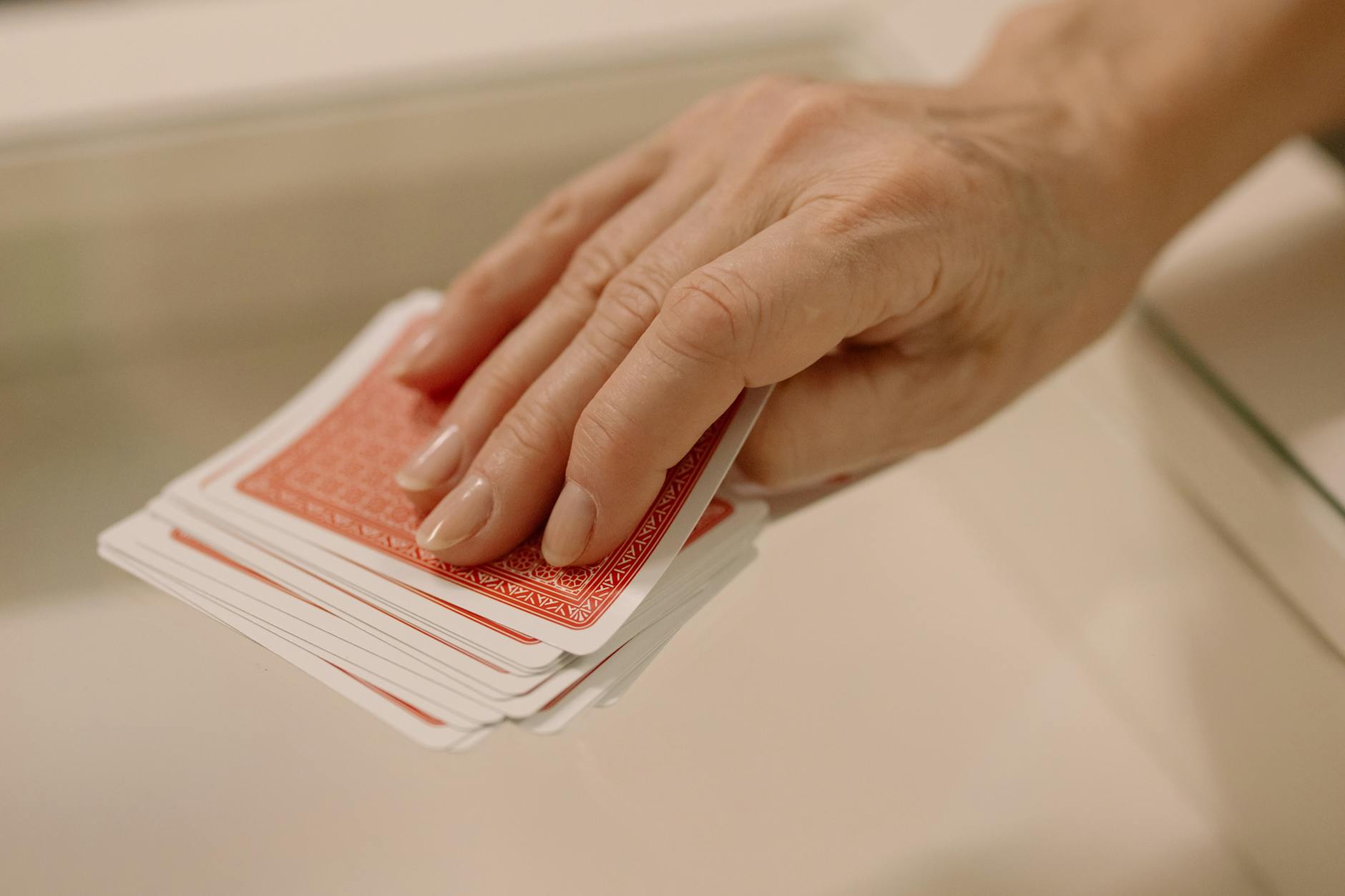
Touching the surface of a card might seem harmless, but PSA’s professional lighting setups reveal fingerprints, smudges, and micro-abrasions that are invisible under a desk lamp. Glossy holofoil cards are especially unforgiving. The oils from your fingers bond to the surface and create marks that show up as surface defects under magnification. Always handle cards by the edges, and if you must touch the face, wear clean cotton or nitrile gloves. The instinct to clean a card before submission is understandable but frequently backfires.
Liquid cleaners, glass wipes, and even microfiber cloths can leave residue or create fine scratches that PSA will flag. The consensus among experienced submitters is that more cards are saved from lower grades by *not* over-cleaning than by cleaning. If a card has a visible smudge, a single gentle pass with a dry microfiber cloth is the ceiling of what you should attempt. However, if a card has actual debris stuck to the surface — dried food, adhesive residue — you are better off accepting the hit to the grade than trying to remove it and risking a cleaning rejection. PSA’s N7 rejection code covers cleaning, and that rejection still costs you the full grading fee.
Why Ignoring the Back and Eyeballing Centering Costs You Points
psa grades both sides of the card equally, and this is where first-timers consistently get blindsided. A card with a flawless front can still land at a PSA 7 or 8 if the back has edge whitening, print lines, or nicks from being shuffled in a deck years ago. Before you submit anything, flip it over and inspect it under good lighting at an angle. Run your finger gently along each edge to feel for chips or paper separation. The back is where hidden damage lives, and it accounts for a disproportionate number of “why did my card get an 8?” complaints on grading forums.
Centering is the other area where confidence outpaces reality. Eyeballing centering is notoriously unreliable — what looks dead-center to you under normal conditions may measure 60/40 or worse. Modern Pokemon cards typically need 55/45 centering or better on both axes to achieve a PSA 10, and top-to-bottom centering is often worse than left-to-right on many print runs. Use a centering tool or a digital overlay app on your phone. These cost nothing or close to it, and they remove the guesswork entirely. A card that measures 58/42 is not getting a 10 no matter how clean the rest of it is, so knowing that upfront saves you from wasting a submission slot.

Packaging and Shipping Your PSA Submission Without Destroying Your Cards
The packaging step is where preventable physical damage happens most often. The correct order is: card into a properly fitted penny sleeve, then into a semi-rigid card saver (not a top loader — PSA prefers card savers for submissions), secured with a small piece of painter’s tape across the top of the card saver. Never use scotch tape or packing tape directly on a card saver opening, because adhesive residue can migrate to the card and trigger a rejection. The penny sleeve should not be so tight that you have to force the card in — doing so can create corner whitening or micro-bends that did not exist before you started. Inside the shipping box, the goal is zero movement.
Cards in card savers should be bundled snugly, placed between rigid supports like pieces of cardboard or foam, and packed so nothing shifts if the box is turned upside down or dropped from waist height. Weak or old boxes are a real risk — a box that crushes at the seams or pops open because the tape failed is not PSA’s problem. Use a sturdy corrugated box, reinforce all seams with quality packing tape, and photograph the packed box from multiple angles before you seal it. Those photos are your evidence if anything goes wrong in transit or during processing. First-timers who skip this step have no recourse when a card arrives damaged and the carrier denies the claim.
Submission Form Errors That Cost You Money and Time
Rushing through the PSA online submission form is a mistake that ranges from annoying to genuinely expensive. The most common error is selecting the wrong card variant — choosing a standard holo when you actually have a reverse holo, or picking the wrong set number. This matters because PSA labels the card based on what you declared, and a mislabeled card is worth less on the secondary market or may need to be resubmitted at additional cost. For sets with multiple parallels or printings, double-check the set number, the card name, and the specific variant before you confirm. Error cards require extra attention.
If you are submitting a card with a known print error — a misprint, miscut, or wrong-name error — you must select the label entry that includes the error in its name. If you submit it as the normal version, PSA will grade it as normal and your error card loses its premium. This is not something PSA will catch and fix for you. The burden is entirely on the submitter. First-timers should also resist the urge to submit large batches right away. Start with five to ten cards so that any form mistakes, packaging issues, or misunderstandings about the process affect a small number of cards rather than fifty.
What Happens When PSA Rejects Your Card
PSA assigns a “No Grade” designation with a specific rejection code, and not all rejections are treated equally. Codes N1 through N5 cover trimming, restoration, recoloration, questionable authenticity, and altered stock — all of which still incur the full grading fee. You pay and get nothing back but an ungraded card.
Codes N6 (minimum size not met), N8 (manufacturer miscut), and N9 (obscure issue or does not fit the holder) are the only rejections where PSA does not charge the grading fee. For first-time submitters, the N7 code for cleaning is the most relevant trap. If PSA determines that a card has been cleaned — even if you thought you were just gently wiping it down — you lose the card’s grade and the fee. Understanding these codes before you submit helps you make better decisions about which cards to send and how to prepare them.
The Current PSA Landscape and What It Means for New Submitters
PSA now grades approximately 90,000 cards per day globally, a dramatic increase from the roughly 15,000 per day the company handled in 2021. That throughput has shortened turnaround times compared to the pandemic-era backlog, but it has also raised questions about consistency at volume. The 2025 buyback grade-flip scandal — in which PSA faced allegations of conflicts of interest related to buying back and regrading cards — led some dealers and collectors to boycott submissions entirely. Whether that controversy affects your decision to submit is a personal call, but new submitters should at least be aware that trust in the grading ecosystem is a live issue, not a settled one.
On the pricing side, PSA’s February 2026 increases added $5 across the Value Bulk, Value, Value Plus, Value Max, and Regular service tiers. Value Bulk now sits at $24.99 per card, and the old TCG Bulk and Value Bulk tiers have been consolidated into a single Collectors Club-only service level. For first-timers who are not Collectors Club members, this means the entry-level cost of grading is higher than it was even a few months ago. Factor these updated prices into your cost-benefit calculations before you fill out a single line on the submission form.
Conclusion
Every mistake on this list is avoidable with preparation. Know the financial breakpoint for your cards before you submit. Handle them with care and resist the urge to clean. Inspect backs and measure centering with a tool instead of your eyes. Package submissions so nothing moves inside the box, photograph everything, and take your time on the form.
Start with a small batch so your learning curve costs you as little as possible. The grading hobby rewards patience and attention to detail. PSA’s price increases and the lingering effects of the 2025 scandal mean that each submission carries a real financial weight, especially for first-timers who are still learning the system. Do the math, do the prep, and treat your first submission as a learning experience rather than a payday. The collectors who consistently profit from grading are the ones who made their early mistakes on five cards, not fifty.
Frequently Asked Questions
How much does it cost to submit a card to PSA in 2026?
Prices range from $24.99 per card at the Value Bulk tier (Collectors Club members only) up to $10,000 or more for super-express and premium services. PSA raised prices by $5 across multiple service levels in February 2026.
What centering does a card need for a PSA 10?
Modern cards typically need 55/45 centering or better on both the left-right and top-bottom axes. Use a centering tool or phone app rather than estimating by eye.
Does PSA charge you if they reject your card?
It depends on the rejection code. Most rejections — including trimming (N1), restoration (N2), and cleaning (N7) — still incur the full grading fee. Only codes N6, N8, and N9 waive the fee.
Should I use top loaders or card savers for PSA submissions?
PSA prefers semi-rigid card savers over top loaders. Place the card in a properly fitted penny sleeve first, slide it into the card saver, and seal the top with painter’s tape — never scotch tape or packing tape.
How many cards should I submit for my first PSA order?
Start with five to ten cards. A small batch limits your financial exposure if you make a mistake on the form, in your packaging, or in your card selection. You can scale up once you understand the process.
You Might Also Like
- How to Submit Cards to PSA for the First Time — Step by Step
- Venusaur Base Set 1st Edition: The Forgotten Starter Worth $3,000
- This Grandma Found 1st Edition Cards in the Attic — Here’s What They Were Worth