
To pack cards for PSA submission without damage, you need three layers of protection in the right order: a clear penny sleeve around each card, a semi-rigid card holder like a Card Saver 1 over the sleeve, and painter’s tape sealing the top of the holder. That sequence — sleeve, semi-rigid, tape — is the foundation PSA itself recommends, and skipping or substituting any step is the fastest way to get your cards damaged in transit or your submission delayed at their facility. A single Charizard VMAX worth several hundred dollars can arrive with a dinged corner just because it was shipped in a top loader instead of a card saver, turning what should have been a PSA 10 into a PSA 8 and costing you real money.
Beyond the individual card prep, how you stack, bundle, box, and ship your cards matters just as much. The wrong packing material, the wrong tape, even the wrong carrier can create problems. This guide walks through every stage of the process — from sleeving your first card to dropping the box off at the post office — using PSA’s own published guidelines so you know exactly what to do and, just as importantly, what to avoid.
Table of Contents
- What Supplies Do You Need to Pack Cards for a PSA Submission?
- How to Properly Sleeve and Load Each Card Into a Card Saver
- Stacking and Bundling Your Cards the Right Way
- Boxing and Cushioning to Prevent Transit Damage
- Sealing, Labeling, and Common Mistakes That Delay Submissions
- Should You Insure Your PSA Submission Shipment?
- Current PSA Pricing and What to Expect in 2026
- Conclusion
- Frequently Asked Questions
What Supplies Do You Need to Pack Cards for a PSA Submission?
Before you touch a single card, gather everything first. Fumbling around mid-process with sticky fingers or reaching across a cluttered desk is how cards get bent. Here is the full supply list: clear penny sleeves, semi-rigid card holders (Card Saver 1 is the standard), painter’s tape, cardboard dividers, rubber bands, bubble wrap or packing paper, a new shipping box, and packing tape for sealing the box. Most of these items are available in bulk from hobby supply shops or online retailers for a few dollars, and they are reusable across multiple submissions if you handle them carefully. The one item people most commonly get wrong is the card holder. psa explicitly states that you should not use screw-down holders or top loaders.
Screw-downs take too long for PSA staff to dismantle during processing, and top loaders allow too much movement inside, which means your card can rattle around and take corner damage before anyone at PSA even opens the package. Card Saver 1 holders have a snug fit that keeps the card stable without applying pressure to the surface. If you already own top loaders and don’t want to buy card savers, that is understandable, but PSA’s own shipping guide is clear on this point — use semi-rigid holders. One detail that trips up first-time submitters is the sleeve requirement. PSA specifies clear penny sleeves only. Solid-colored or opaque sleeves cause processing delays because the graders cannot quickly verify what card is inside without removing it. If you have been storing your cards in colored sleeves or team bags, swap them into clear penny sleeves before packing.
How to Properly Sleeve and Load Each Card Into a Card Saver
Start by sliding the card gently into a clear penny sleeve with the opening at the top. Do not force it or bend the sleeve around the card. If the sleeve feels tight, use a different one — penny sleeves cost fractions of a cent and are not worth risking a crease over. Once sleeved, slide the card into a Card Saver 1 semi-rigid holder. The card should fit snugly without excessive wiggle room. After the card is seated in the card saver, take a small piece of painter’s tape and place it across the top opening of the holder.
This prevents the card from sliding out during shipping. The key word here is painter’s tape — do not use Scotch tape, packing tape, or masking tape. Those adhesives leave residue on the card saver, and if that residue migrates to the card surface, you could be looking at a lower grade or a damaged card. Painter’s tape peels cleanly and holds well enough for transit without leaving anything behind. However, if you are submitting cards that are particularly valuable — say, a first edition Base Set Shadowless Charizard — consider double-checking the tape seal by gently turning the card saver upside down and giving it a light shake. If the card shifts at all, add a second small strip of painter’s tape. Over-taping is a lesser sin than under-taping when you are shipping cards worth thousands of dollars.
Stacking and Bundling Your Cards the Right Way
Once every card is sleeved, loaded, and taped, stack them in the exact order listed on your PSA submission form. Item number one goes on top of the stack, and the rest follow in sequence. This is not optional organization — PSA’s how-to guide specifies this order because their intake team matches physical cards to your submission line by line. If the order is wrong, it creates confusion, delays processing, and increases the chance of a card being matched to the wrong entry on your form. Place the finished stack between two pieces of sturdy cardboard, cut to the same dimensions as the card savers or slightly larger. These dividers add rigidity to the bundle so the card savers cannot flex during transit.
Then wrap two to three rubber bands around the whole bundle. You want them tight enough that nothing shifts if you tip the bundle sideways, but loose enough that the rubber bands do not dent or warp the card savers. A good test: if the rubber band leaves a visible impression on the card saver when you remove it, it is too tight. For larger submissions with twenty or more cards, consider making multiple smaller bundles rather than one massive stack. A single tower of forty card savers secured by rubber bands is unwieldy and more prone to toppling or bending under its own weight. Two bundles of twenty are easier to secure and cushion inside the box.

Boxing and Cushioning to Prevent Transit Damage
Use a new shipping box. This is a point PSA makes in their blog, and it is worth taking seriously. A reused Amazon box may look fine on the outside but can have weakened corners, crushed fluting in the cardboard, or compromised structural integrity from its first trip through the postal system. A new small box from any shipping supply store costs a dollar or two and is cheap insurance for a submission that could be worth hundreds or thousands. Place your bundled cards in the center of the box, then fill all remaining space with bubble wrap or packing paper. The goal is zero movement — pick up the sealed box and shake it, and you should hear and feel nothing shifting inside. PSA’s blog is explicit about one thing to never use: packing peanuts.
They shift during transit, creating gaps where your bundle can move. They generate static electricity that attracts dust to card surfaces. And they apply uneven pressure that can dent card savers. Crumpled packing paper or bubble wrap conforms to the shape of your bundle and holds it in place far more reliably. Do not forget to include your printed submission form inside the box. If you are shipping multiple separate submissions in one package, keep each submission bundled independently with its own form. Mixing cards from different submissions into a single stack is a recipe for processing errors.
Sealing, Labeling, and Common Mistakes That Delay Submissions
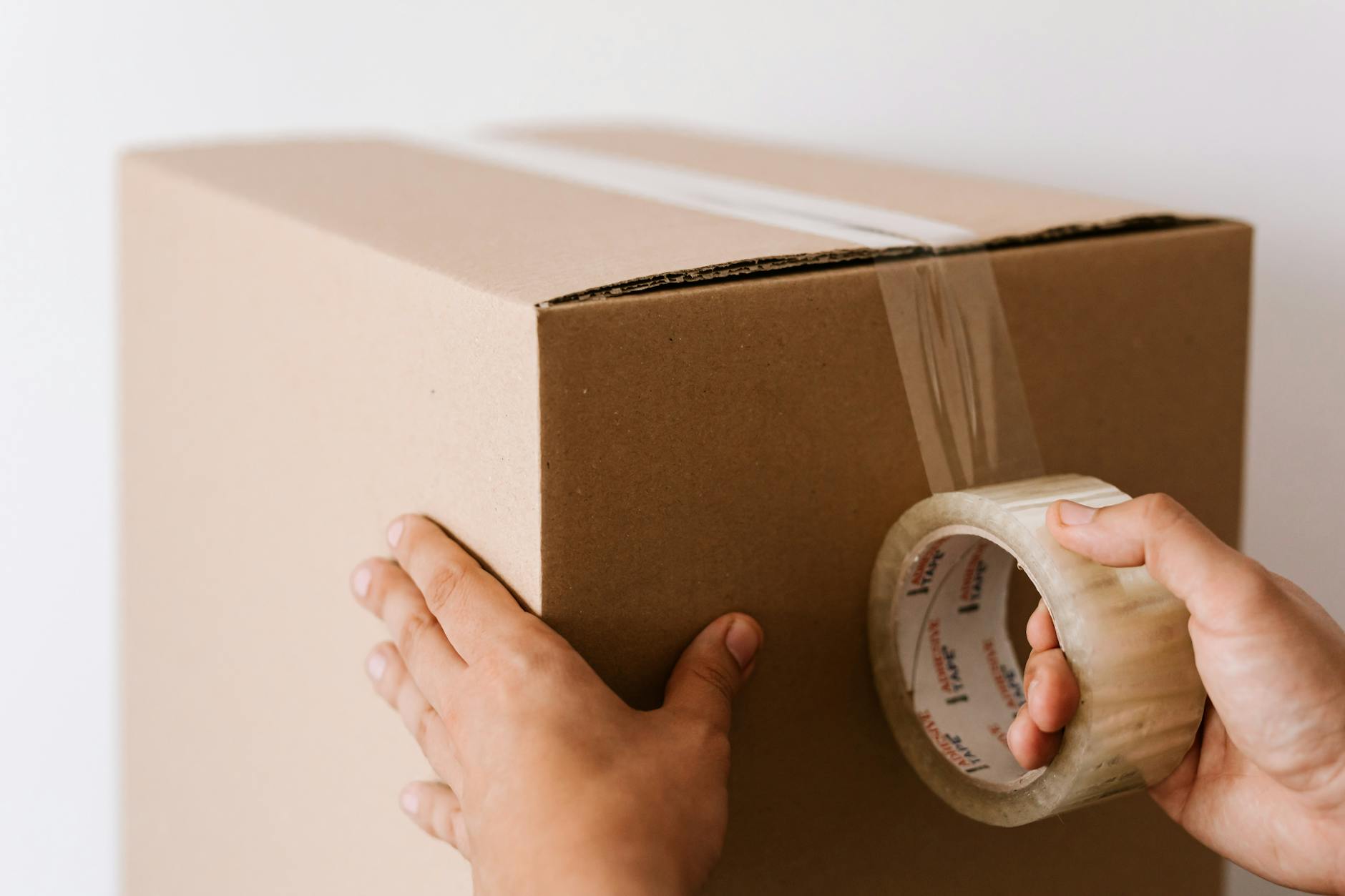
Seal every seam of the box with packing tape — the bottom, the top, and ideally the side flaps as well. This is the one place where you do want strong adhesive tape. Do not use painter’s tape, Scotch tape, or reused tape to seal the box itself. Those tapes can fail during transit, and a box that pops open in a sorting facility is a nightmare scenario for your cards. Print the tracking label from your PSA confirmation page and attach it to the outside of the box using clear tape or an adhesive sticker label. Make sure the barcode is fully visible and not obscured by tape wrinkles or creases.
PSA’s shipping guide specifically says not to use label pouches — those plastic sleeve attachments that stick to the box. If the pouch detaches or the label shifts inside it, the barcode becomes unreadable and your package can get lost in PSA’s intake process. A common mistake is using the wrong carrier. PSA accepts USPS and FedEx only. If you ship via UPS, DHL, or another carrier, your package may be refused or delayed at PSA’s facility. Check your PSA confirmation page for the correct shipping address associated with your chosen carrier, as USPS and FedEx deliveries sometimes go to different intake addresses.

Should You Insure Your PSA Submission Shipment?
For high-value submissions, insuring your package is strongly recommended. Both USPS and FedEx offer their own insurance options, but many collectors use third-party services like Secursus for better coverage terms on trading cards specifically.
Standard carrier insurance sometimes has exclusions or caps that do not work well for collectibles, so read the fine print before assuming you are covered. As a practical example, if you are submitting ten cards with a combined declared value of five thousand dollars, the cost of third-party insurance is typically a small percentage of the total value — often less than the price of grading a single card. Compared to the risk of a lost or damaged shipment with no recourse, it is an easy calculation.
Current PSA Pricing and What to Expect in 2026
PSA’s grading prices increased by five dollars per service level effective February 10, 2026, driven by sustained high demand for grading services. The current pricing structure starts at $24.99 per card for Value Bulk, which requires PSA Collectors Club membership, a twenty-card minimum, and carries a maximum declared value of five hundred dollars per card with a ninety-five business day turnaround. Value service runs $32.99 per card at seventy-five business days, Value Plus is $49.99 at forty-five days, Value Max is $64.99 at thirty-five days, and Regular is $79.99 at twenty-five business days.
Express, Super Express, and Walk-through tiers were not affected by the February increase. These prices mean that proper packing is more important than ever. At thirty-three dollars minimum per card, a damaged submission is not just a grading loss — it is money thrown away on a service fee for a card that arrived in worse condition than when it left your hands. Spending a few extra dollars on proper supplies and a few extra minutes on careful packing is the most cost-effective step in the entire grading process.
Conclusion
Packing cards for PSA submission comes down to a disciplined, layered approach: clear penny sleeves, Card Saver 1 semi-rigid holders, painter’s tape, cardboard dividers, rubber bands, bubble wrap, and a new box sealed with packing tape. Each layer serves a specific purpose, and substituting materials — top loaders for card savers, Scotch tape for painter’s tape, packing peanuts for bubble wrap — introduces risks that PSA’s own guidelines warn against.
Match your card order to your submission form, use only USPS or FedEx, and insure anything you cannot afford to lose. If you are submitting for the first time, start with a small batch of lower-value cards to get comfortable with the process before sending in your most prized pulls. The packing method does not change based on card value, but practicing with cards that won’t break your heart if something goes wrong gives you confidence and muscle memory for the submissions that really matter.
Frequently Asked Questions
Can I use top loaders instead of Card Saver 1 holders for PSA submissions?
No. PSA explicitly says not to use top loaders because they allow too much card movement inside, which risks corner damage during transit. Semi-rigid holders like Card Saver 1 are required.
What kind of tape should I use to seal the card saver opening?
Painter’s tape only. Scotch tape, packing tape, and masking tape leave adhesive residue that can transfer to the card surface or the holder. Painter’s tape peels cleanly.
Can I ship my PSA submission via UPS?
No. PSA accepts packages from USPS and FedEx only. Submissions sent through other carriers may be refused or experience delays at PSA’s facility.
Why can’t I use packing peanuts to cushion my cards in the box?
Packing peanuts shift during transit, leaving gaps where your card bundle can move. They also generate static electricity that attracts dust and apply uneven pressure that can dent card savers. Use bubble wrap or crumpled packing paper instead.
Do I need to be a PSA Collectors Club member to submit cards?
Not for most service levels. However, the Value Bulk tier at $24.99 per card is exclusive to Collectors Club members and requires a minimum of twenty cards per submission.
How much does PSA grading cost per card in 2026?
As of February 2026, pricing starts at $24.99 per card for Value Bulk (members only) and goes up to $79.99 for Regular service. Prices increased by five dollars across most tiers in February 2026 due to high demand.
You Might Also Like
- The PSA Pop Report: How to Use It to Find Undervalued Cards
- Why Pokémon Cards Spiked During COVID and What Happened After
- What Are Print Lines on Pokémon Cards and Do They Matter?