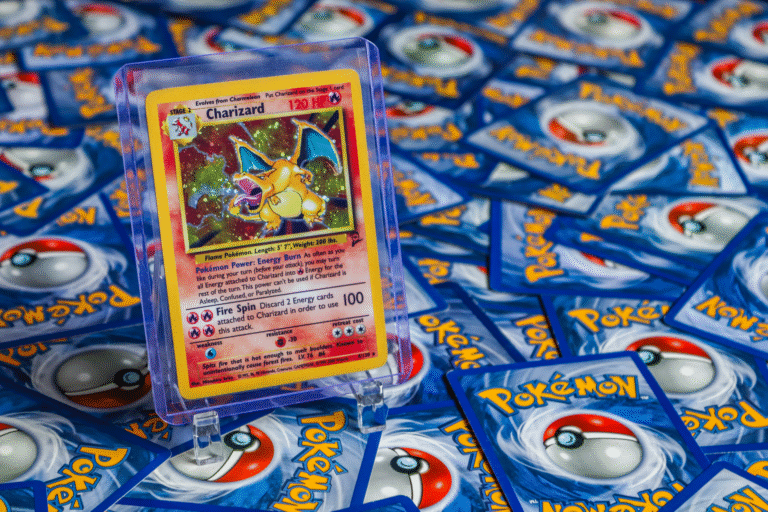
Based on current market conditions and scarcity levels, holding a sealed Expedition Booster Box in 2026 appears to be the stronger financial decision for most collectors. Expedition Booster Boxes are marked as “Very Rare” with limited supply in today’s market, making them fundamentally different from recently printed products. The Pokemon TCG market generated $450 million in spending in early 2026 following Pokemon’s 30th anniversary, creating sustained collector interest and demand for authentic older sealed products.
The historical precedent is compelling. Sealed Pokemon products from older sets demonstrate significant long-term appreciation patterns—Evolving Skies booster boxes increased from approximately $200 in 2021 to over $2,600 by January 2026, a 1,200% gain in just five years. This isn’t an isolated case. The Card Ladder index shows that Pokemon cards overall have appreciated 6,208% since 2004, suggesting that rarity and time create powerful wealth-building dynamics for sealed vintage inventory.
Table of Contents
- Why Expedition Booster Box Scarcity Matters in 2026
- Historical Appreciation Trends and the Case for Holding Long-Term
- 2026 Market Momentum and Current Conditions
- The Hold vs. Sell Decision Framework
- Liquidity Risk and the Timing Trap
- Authentication and Storage Concerns
- Future Outlook and Emerging Factors
- Conclusion
Why Expedition Booster Box Scarcity Matters in 2026
The supply constraint on expedition boxes is genuinely severe. Unlike recent releases that can be reprinted or restocked, Expedition came out in 2001 and was never re-released in meaningful quantities. Every box that remains sealed represents a permanent fixture of the available supply—no new inventory can be created to satisfy growing collector demand.
This scarcity is reflected in the “Very Rare” classification on the price guide and explains why prices have climbed steadily over the past decade. What makes this scarcity economically relevant is the demographic shift in Pokemon collecting. The original players and collectors who opened Expedition boxes in 2001 are now in their mid-40s with disposable income, while a new generation of younger collectors has discovered vintage sealed products as investment vehicles. The collision of these two demand sources—nostalgia-driven adult collectors and strategic investors—creates upward pressure on prices that has little downside risk from reprinting.

Historical Appreciation Trends and the Case for Holding Long-Term
The path that Evolving Skies blazed offers a practical roadmap. That set was released in August 2021 at approximately $200 per booster box. Five years later, boxes from the same set were trading above $2,600. This represents a 13-fold increase driven entirely by printage ending, collector nostalgia, and the natural appreciation cycle of sealed Pokemon products.
Expedition, being 25 years older and significantly scarcer, has already demonstrated portions of this appreciation arc. However, there’s a limitation worth acknowledging: past appreciation does not guarantee future returns. The Pokemon market could experience a major reprinting event, a media franchise decline, or an economic recession that depresses collector spending. Expert guidance suggests holding sealed booster boxes for a minimum of 2+ years for long-term investment returns, but even experienced collectors acknowledge that anything longer than a 5-10 year hold introduces uncertainty. Market dynamics, regulatory changes, and the rise of digital trading card platforms could shift collector behavior in unpredictable ways.
2026 Market Momentum and Current Conditions
The Pokemon TCG market is entering 2026 with genuine momentum from the franchise’s 30th anniversary celebration in 2025. The $450 million in spending during early 2026 indicates sustained interest rather than a post-anniversary crash, which means demand for sealed vintage product remains robust. Collectors are actively acquiring older sealed products to complete collections and build investment portfolios, and they’re willing to pay premium prices for authentic, graded boxes.
This current market environment creates what some collectors call a “window of opportunity.” Prices for very rare sets are likely rising, and the liquidity—the ability to find buyers—is strong. However, “strong liquidity in 2026” doesn’t guarantee strong liquidity in 2030. If the Pokemon market contracts or enters a bear phase, selling a sealed box becomes substantially harder, even at lower prices. The risk of a buyer’s market is real, which is why timing and personal financial circumstances matter more than the product itself.

The Hold vs. Sell Decision Framework
To make a rational decision about your Expedition box, analyze four specific factors: the base trend (where has the price been over the last 12 months?), catalysts (are there reprints, rotations, or media releases coming?), liquidity (can you actually sell this box if you need to?), and collector sentiment (are people talking about this set positively or negatively?). An Expedition box with a 12-month upward price trend, no reprints scheduled, strong daily sales volume on the price guide or TCGPlayer, and positive collector reception is an almost obvious hold. Conversely, if prices have plateaued, you need emergency liquidity, or you suspect the Pokemon media landscape is shifting negative, selling becomes more defensible. The practical tradeoff is straightforward: holding creates wealth on paper but no immediate cash.
Selling locks in whatever gains you’ve made to date and eliminates the anxiety of market fluctuations. There’s no objectively “right” answer—only the answer that matches your financial goals, time horizon, and risk tolerance. If you’re 55 years old and thinking about retirement in five years, selling an appreciated Expedition box to diversify your portfolio is completely reasonable. If you’re 30, already financially stable, and can stomach market volatility, holding for another 5-10 years aligns with historical precedent.
Liquidity Risk and the Timing Trap
One serious risk that often catches collectors off-guard is the assumption that you can sell whenever you want. The market for extremely rare sealed boxes is smaller and more fragmented than the market for recent sealed products. A seller might need to wait weeks or months for the right buyer to appear, or accept a 10-15% discount to the asking price to move inventory quickly. During a market downturn, this problem intensifies dramatically—buyers disappear, prices drop, and holding becomes less about investment and more about ownership anxiety.
This is why expert guidance emphasizes analyzing collector sentiment and daily sales volume before holding. An Expedition box with 5-10 sales per day on TCGPlayer has genuine liquidity. An Expedition box that hasn’t sold in three months is a warning signal, even if it’s listed at a “reasonable” price. The psychological burden of owning an illiquid asset—knowing you can’t sell it quickly without discounting significantly—is real and affects many long-term collectors who encounter unexpected financial needs.

Authentication and Storage Concerns
If you’re holding an Expedition booster box, authentication and condition become critical success factors. A box that’s authentically sealed and in excellent condition will appreciate steadily. A box with a torn corner, evidence of water damage, or authenticity questions will deteriorate in value much faster than the general market.
This is especially relevant for a set as old as Expedition, where reproductions and damaged boxes circulate in the market. Before deciding to hold, verify that your box is in the best possible condition and consider having it professionally graded by PSA or CGC if the value justifies the cost. A graded and encased Expedition box commands a premium over a raw box, reduces buyer hesitation, and simplifies the eventual sale. The grading cost (typically $20-50 depending on the service) is easily justified by the price protection and appeal it provides.
Future Outlook and Emerging Factors
Looking ahead to late 2026 and 2027, several potential catalysts could affect Expedition box prices. A major Pokemon trading card game rotation or format change could increase collector interest in older sets. A new Pokemon animated series set in the Hoenn region (where Expedition is centered) could drive nostalgic demand. Conversely, the emergence of Pokemon digital trading cards or blockchain-based alternatives might fragment the collector base and divert spending away from physical sealed products.
The safest assumption is that sealed vintage Pokemon products will continue appreciating gradually, but not in a straight line. The 6,208% historical appreciation since 2004 represents a 20+ year cycle with multiple bull and bear phases embedded within it. Your Expedition box is likely worth more in 2031 than it is today, but the path to that future value will include volatility, uncertainty, and moments when holding feels like a mistake. This is the nature of collectible investing, and it requires patience, conviction, and the financial stability to hold through downturns without panic selling.
Conclusion
For most collectors, holding a sealed Expedition Booster Box in 2026 represents the more rational choice. The set’s extreme rarity, proven historical appreciation patterns, and strong current market momentum all favor a buy-and-hold strategy over immediate liquidation. The Pokemon TCG market is demonstrating genuine staying power, and sealed vintage products from older sets like Expedition are becoming increasingly recognized as legitimate wealth-preservation assets rather than speculative trades.
However, the decision ultimately depends on your personal financial situation and time horizon. If you need liquidity, have competing financial priorities, or believe the Pokemon market is entering a decline phase, selling is a defensible choice. The key is to make a conscious decision based on data—your box’s price trend, its authentication status, current market conditions, and your own financial goals—rather than defaulting to either extreme. Check resources like the price guide and TCGPlayer regularly for pricing trends, monitor collector sentiment in forum communities, and reassess your decision annually as new information emerges.