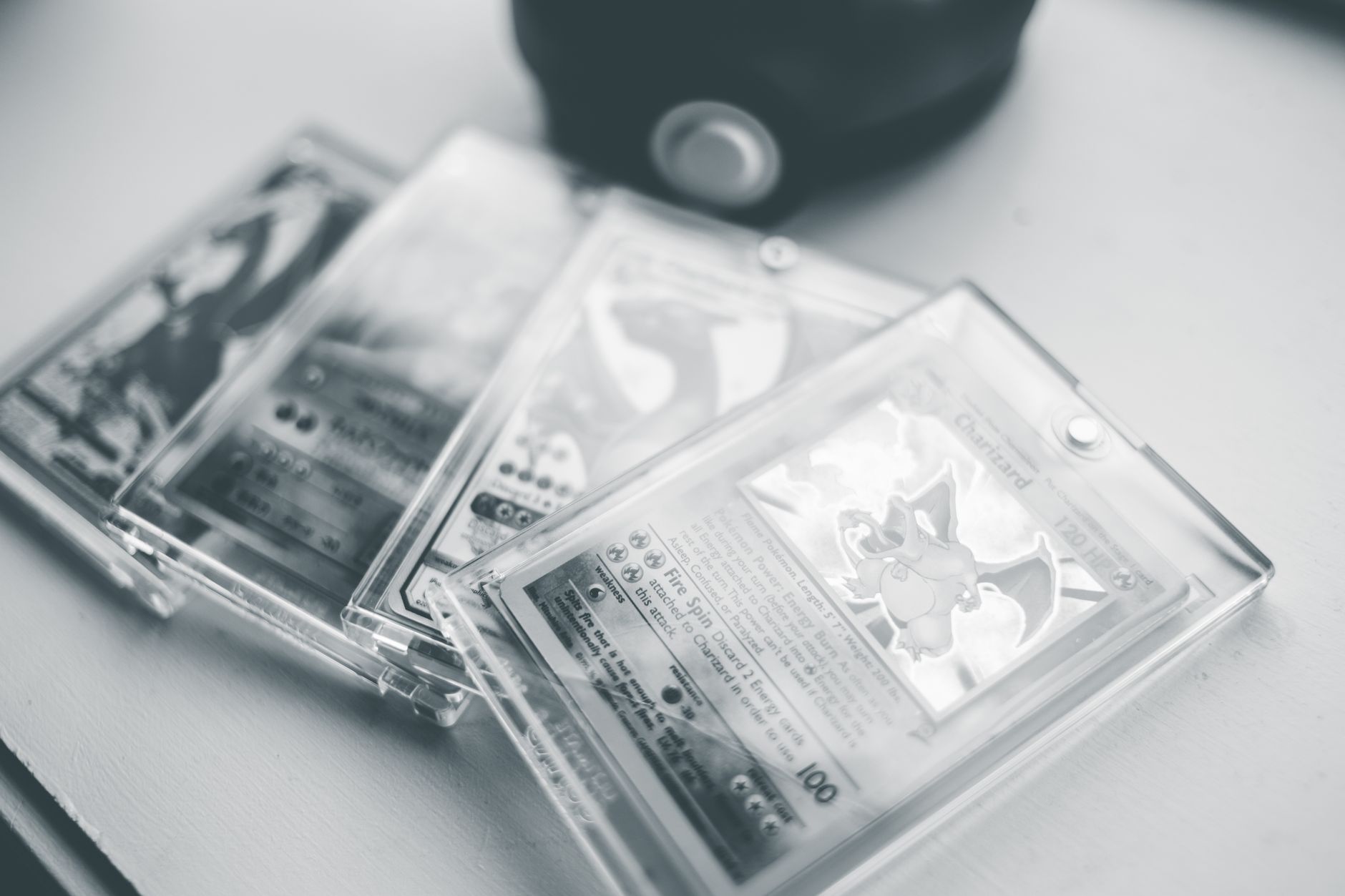
Pokemon card centering can differ between the front and back because the artwork, borders, and printed layers are not always aligned equally on the card. Front and back measurements therefore tell different stories: one side may look well centered while the other shows a noticeable shift. Centering describes how evenly the printed image and border sit within the card's edges. Graders usually inspect both sides, but the front often carries greater visual importance, and exact standards vary by grading company and card condition.
Table of Contents
- Why the Two Sides Can Be Misaligned
- What Measurements Actually Compare
- Which Side Matters More for Grading?
- A Practical Pre-Grading Check
- How to Make the Decision
- Frequently Asked Questions
Why the Two Sides Can Be Misaligned
A pokemon card is printed on large sheets and then cut into individual cards. Small shifts during printing, cutting, or both can move the front image and back design away from the physical edges. The front and back also use different layouts.
The front may have a thick border, a thin border, or artwork that disguises uneven spacing. The back usually has a recognizable blue design with a central Pokeball, making left-right or top-bottom shifts easier to notice. A card can therefore appear centered from the front while the back reveals that the cut is off-center. The opposite can happen when the front has uneven-looking artwork or borders that exaggerate a shift.
What Measurements Actually Compare
Centering is usually evaluated by comparing the width of opposite borders. For example, if the left border measures 2 millimeters and the right measures 3 millimeters, the card is shifted toward the side with the narrower border.
Measure matching areas on the same side rather than comparing the front directly with the back. A useful review checks: Use a ruler with fine markings or a clear digital image taken square to the card. Avoid measuring from a tilted photograph, because perspective can make one border look wider than it is.
- Left border against right border
- Top border against bottom border
- Front centering against back centering
- Whether the card edges themselves appear straight
Which Side Matters More for Grading?
Both sides can affect a grade, but grading companies may weigh front presentation more heavily than minor back-centering differences. Their standards and allowances are not identical, and a card's final grade also depends on corners, edges, surface defects, and print issues. A strongly shifted back does not automatically make a card ungradable.
Likewise, excellent front centering does not guarantee a high grade if the back, surface, or edges show significant problems. Collectors should treat centering as one part of the assessment. A card with attractive front centering may still be valuable as a raw card, while a card intended for grading deserves a full inspection of both sides.
A Practical Pre-Grading Check
Before submitting a card, inspect it under even light and keep it in a sleeve or semi-rigid holder during handling. Compare the borders at several points instead of judging only one corner.
For a more reliable estimate: Do not use a centering estimate as a promise of a particular grade. Measurements can identify risk, but grading remains an overall judgment, and image quality or hidden defects can change the result.
- Photograph the card straight-on, without wide-angle distortion.
- Crop close to the card while keeping all four edges visible.
- Measure opposite borders on the front and back separately.
- Check whether a visible shift comes from the print or from the card's cut.
- Review surface, corners, whitening, dents, and edge wear afterward.
How to Make the Decision
If the front is well centered but the back is noticeably shifted, the card may still be worth grading when its condition and value justify the submission cost. The back imbalance becomes more important when it is obvious at normal viewing distance or when you are targeting a very high grade.
For ordinary collecting, the difference may matter little. For buying, selling, or submitting a valuable card, inspect both sides and price the card according to its visible condition rather than the front alone.
Frequently Asked Questions
Should I measure the front and back together?
No. Measure each side independently, then use both results to judge the card's overall centering risk.
Does poor back centering always prevent a high grade?
No. The impact depends on the grading company's standards and the card's other condition factors.
Why does a photograph sometimes give a misleading measurement?
Camera tilt, lens distortion, sleeves, and curved edges can make borders appear wider or narrower than they are.
You Might Also Like
- How to Photograph Pokemon Card Surface Damage Without Hiding It in Glare
- How Portfolio Concentration Can Shape Pokemon Card Prices
- Can Portfolio Concentration Mislead Pokemon Card Collectors?