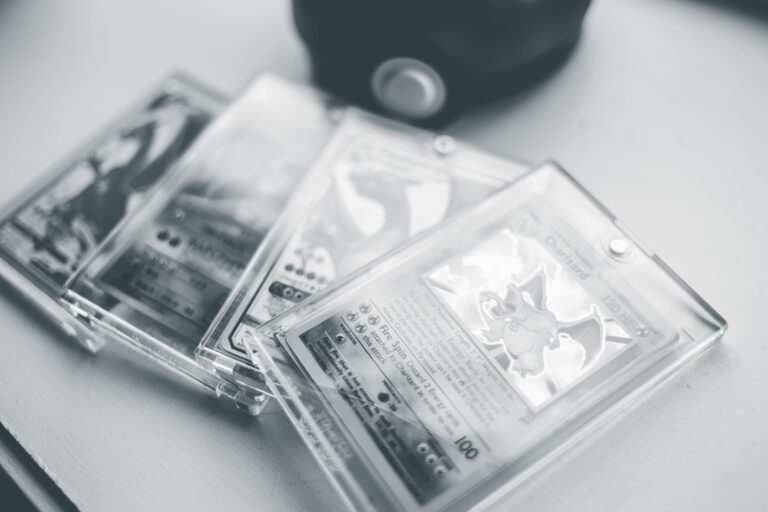
If the back image for a Pokémon slab does not match its online certification record, treat the slab as unverified until you resolve the discrepancy. Check the certification number, card details, label, and permanent card features before buying, selling, or submitting it for service. A slab is a graded card sealed in a tamper-evident holder. Its certification record is the grader's database entry for the number printed on the label, but a valid record alone does not prove that the physical slab is genuine.
Table of Contents
- Confirm You Have the Correct Record
- Is It a Photo Difference or a Different Card?
- Check the Holder and Label
- Get Evidence Before Making a Decision
- When to Proceed, Pause, or Walk Away
Confirm You Have the Correct Record
Enter the certification number directly on the grading company's official website. Search results, marketplace links, and seller screenshots can show an outdated page or a different certification number. Compare every available field, not just the grade: Look carefully for transposed, missing, or obscured digits.
A counterfeit label may copy a legitimate certification number, so finding a matching database entry is only the first check. Some records contain front and back scans, while others show one side or no card image. A missing back image is not the same as an image showing a clearly different card.
- Grading company and certification number
- Card name, set, year, language, and card number
- Grade and any subgrades
- Label type or grading tier
- Front image and holder orientation
Is It a Photo Difference or a Different Card?
Lighting, glare, image compression, rotation, and cropping can make two images appear inconsistent. Compare features that should remain fixed even when the photography changes. Useful reference points include: Do not rely on color alone.
Camera settings, scanner profiles, sleeves, and display screens can shift the blue, yellow, and red tones of a Pokémon card back. A different language-market design, reversed centering, or wear marks in unrelated positions is more serious. One missing speck may result from image quality, but several contradictory features suggest that the record and slab do not show the same card.
- Back-border centering and relative border widths
- White edge or corner marks
- Print spots, scratches, stains, and small dents
- The position and shape of visible wear
- The back design expected for that language and release
Check the Holder and Label
Inspect the slab itself for signs that the label, card, or holder may have been altered. Use clear photographs of the front, back, seams, corners, label, and certification number. Warning signs include uneven seams, unexplained gaps, damaged edges, internal debris, or a label that looks misaligned. Printing quality, fonts, holographic elements, and holder construction should also appear consistent across the slab, although genuine designs can vary by grader and production period.
Check whether the front of the card matches the record. If the front scan matches unique marks but the back does not, the database may contain an incorrect reverse image. If neither side matches, a copied certification number or incorrect listing becomes more likely. Do not open the holder to investigate. Cracking a slab destroys its sealed condition and may make a grading-company review, seller return, or marketplace dispute harder.
Get Evidence Before Making a Decision
Ask the seller for current, high-resolution photographs rather than another database screenshot. Request straight-on images plus close-ups of the label, certification number, card back, holder seams, and any marks visible in the record. For an expensive purchase, ask for a short continuous video showing both sides and the slab's edges. A handwritten username and current date beside the slab can help show possession, but it cannot establish authenticity by itself.
Contact the grading company through its official support channel if the physical slab otherwise appears consistent. Provide the certification number, direct record link, and side-by-side images. The company may confirm a record problem or explain available review options, but remote photographs may not support a final authenticity decision. Keep the listing, messages, payment record, and original packaging. If the mismatch appears after delivery, document it before starting a return or buyer-protection claim.
When to Proceed, Pause, or Walk Away
Proceed only when the certification data, label, card identity, front image, and distinctive physical features align. A credible explanation for a photography difference should account for the specific mismatch, not merely state that the slab is genuine. Pause when the record lacks useful images, the seller provides blurry photographs, or the grader has not answered.
Price does not compensate for uncertainty when you cannot verify which card is inside the holder. Walk away from a pending purchase if the back design is wrong, multiple wear marks conflict, the certification details differ, or the seller refuses reasonable photo requests. If you already own the slab, leave it sealed and obtain the grading company's instructions before shipping it anywhere.