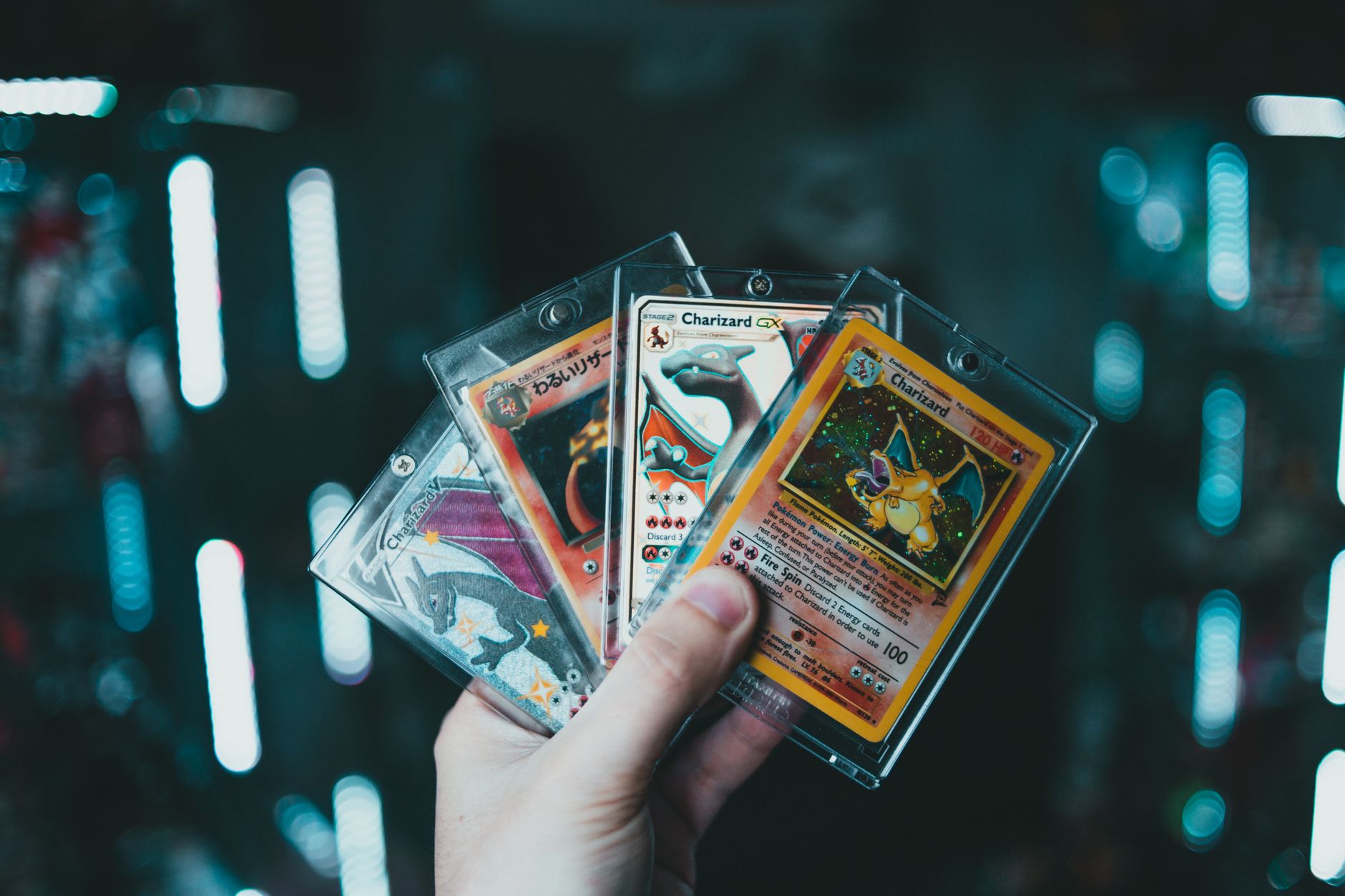
You can authenticate a Pokemon card without sending it to PSA by comparing its printing, texture, and card structure against a known genuine card and noting consistent factory traits. PSA, a third-party service that verifies and grades collectible cards, is one route, but careful side-by-side inspection plus an in-person expert review settles most questions. This approach works best for modern cards and obvious reprints. It does not produce a formal certificate or grade, and close copies can still need professional review.
Table of Contents
- What authentication means without a grading company
- Which home checks help the most?
- What do counterfeits usually get wrong?
- Where can you get a trusted second opinion?
- How should you document a card you keep raw?
What authentication means without a grading company
Authentication means judging whether the card came from the official printer. A grading company adds an expert opinion, a sealed holder, and a record in its database. Home authentication gives you a personal judgment, not that formal record.
That distinction matters for buying, selling, and insurance. Many collectors accept a raw card backed by clear photos and a dealer opinion. Higher-value trades often still expect a graded holder.
Which home checks help the most?
Start with a genuine card from the same era for direct comparison. Official cards share paper stock, ink sharpness, edge layering, and surface texture within a set. A fake often differs in several traits at once.
Work in bright, indirect light with a magnifier. Look at text edges, energy symbols, attack boxes, and the fine pattern behind the artwork. No single test decides the result. Use agreement across several checks.
- Compare color depth, font weight, and spelling against the genuine card
- Feel the surface: glossy, rough, smooth, or embossed layers should match
- Check the edge: many real cards show a thin dark layer between paper faces
- Hold the card to light: paper thickness and light passage should match
- Measure size and check corners, centering guides, and cut smoothness
What do counterfeits usually get wrong?
Blurry text and muddy colors are common tells. Fake cards may show soft letter edges, bleeding ink, wrong yellow borders, or flat holo patterns. Foil that looks like a sticker, oversized sparkles, or missing texture on a textured card deserves caution. Weight and stiffness also help.
Many copies feel too glossy, too thick, too light, or too bendy next to a real card. Back printing is revealing: compare the blue tone, border width, and Pokeball shape closely. Be careful with wear and photos. Sun fading, dirt, and low-resolution listings can mimic print defects. Compare clean areas and ask for sharp front, back, and edge photos before deciding.
Where can you get a trusted second opinion?
A local game store or card dealer can inspect the card in hand. Bring any known-genuine comparison card and ask what traits support the verdict. A second dealer is useful when value is high or opinions differ.
Collector groups and convention vendors also review raw cards. Clear scans reduce guesswork, but in-person review remains stronger because texture and light response are hard to photograph. Avoid buying an expensive card when the seller blocks close photos or returns.
How should you document a card you keep raw?
Record the checks you used and the comparison card set. Save sharp photos of the front, back, corners, edges, and holo area.
Keep purchase receipts, messages with the seller, and any dealer notes together. Store the card in a sleeve and rigid holder away from heat and moisture. Good records make future sale or grading simpler because the next buyer can see the basis for your judgment.
You Might Also Like
- What Makes a Pokemon Trading Card Error Card Valuable?
- How to Spot a Reprint Pokemon Card Versus the Original Print
- How Does Card Condition Affect Pokemon TCG Resale Value?