Check the copyright line, set symbol, edition stamp, and print finish against a known original from the same set. A reprint is a later production of an existing card design, while an original print comes from the first production run of that set. Reprints often add a changed copyright line, a different set mark, or a different foil pattern. Small shifts in color depth, text sharpness, and card texture also point to a later run.
Table of Contents
- What does reprint mean for Pokemon cards?
- What should the copyright and set marks show?
- How do color, text, and foil differ?
- How can you compare safely before buying?
- Frequently Asked Questions
What does reprint mean for Pokemon cards?
A reprint keeps the same artwork and attacks but comes from a later print wave. It may appear in a theme deck, box set, promo release, or later run of the same set. An original print comes from the first release of that card in booster packs or the named set.
The distinction matters because collectors often pay more for first-release copies. Players usually care less, as long as the card is legal for play. Know which goal you have before you compare copies.
What should the copyright and set marks show?
Start with the small print at the bottom of the card. The copyright line, set symbol, collector number, and rarity symbol should match a trusted reference for the original release.
A changed year, added set mark, altered numbering format, or missing first-edition stamp signals a different print. Use a straight-on photo or loupe for this step. Angled light can hide small text differences.
- Compare year and maker line character by character
- Match set symbol shape, color, and position
- Check collector number, such as 15/102 style markings
- Look for first-edition stamp or its absence
How do color, text, and foil differ?
Originals and reprints often use different printers, inks, or foil films. Look at border tone, attack-text sharpness, energy symbols, and the holo pattern under bright light. Reprints can look darker, flatter, or glossier, with softer text edges.
Feel the surface and check the light reflection. Many original holographic cards have a starry or cosmos-style foil, while later runs may use a smoother or lined foil. A card that feels too smooth, too thick, or too glossy deserves closer comparison.
How can you compare safely before buying?
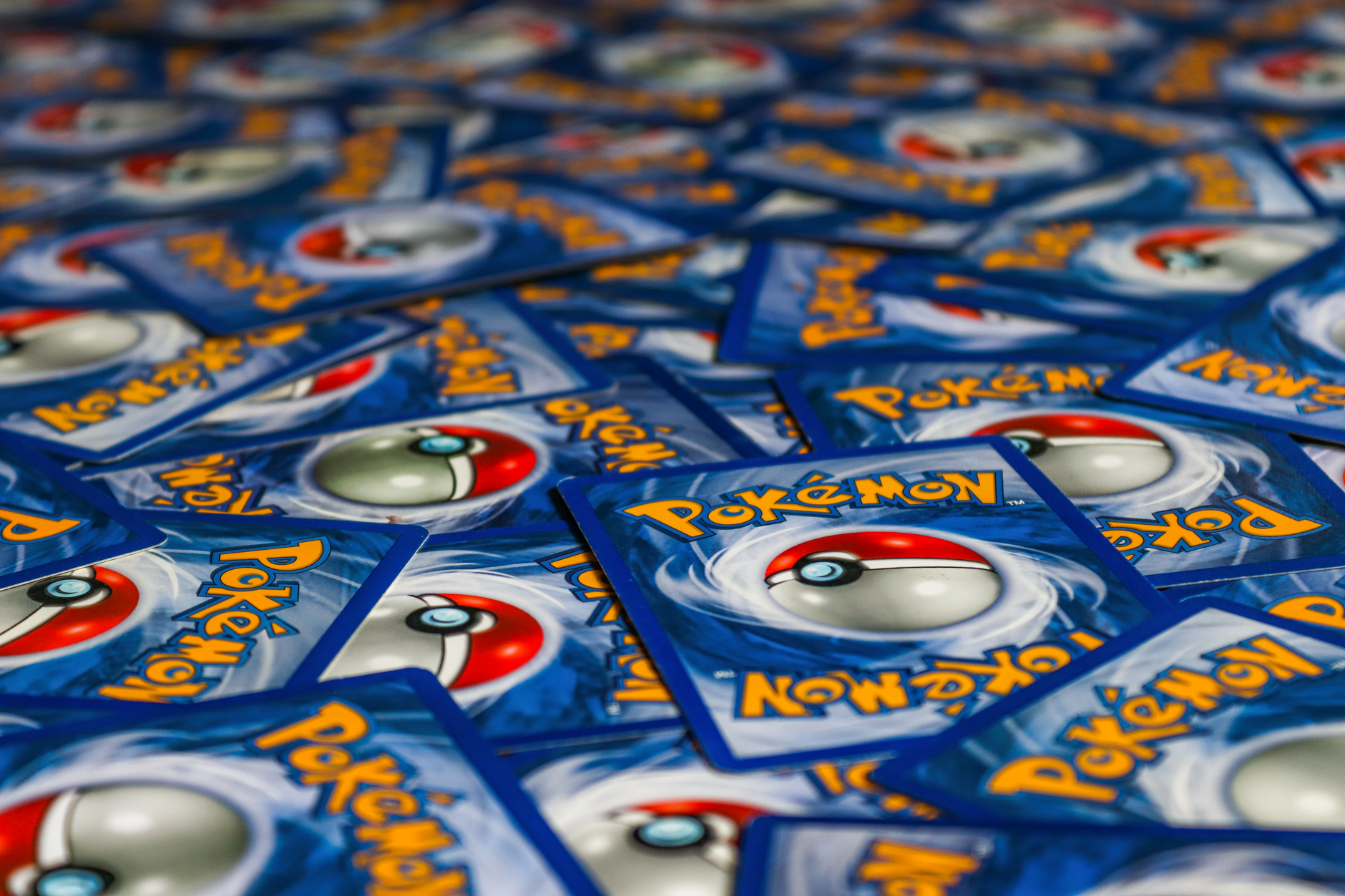
Place the suspect card beside a confirmed original from the same set. Match front and back color, border width, font weight, and alignment of the text box. Check the blue layer at the card edge and the clarity of the Pokeball pattern on the back.
Buy graded or seller-photographed copies when value is high. Ask for clear front, back, copyright-line, and angled foil photos. Walk away when photos are blurry, cropped, or taken only from one angle.
Frequently Asked Questions
Does a reprint without a first-edition stamp still have value?
It can, especially for play or set completion, but collectors often value first-release copies higher.
Can a promo version count as a reprint?
Yes, when it reuses an earlier card design with a promo mark, changed number, or different foil.
Should I clean or flatten a card to inspect it?
No. Handle edges lightly, use a sleeve, and rely on light and magnification instead.
You Might Also Like
- What Makes a Pokemon Trading Card Error Card Valuable?
- Pokemon TCG Set Checklist: Tracking Pulls From December Releases
- Pokemon TCG January 2027 Set: What Collectors Should Watch For