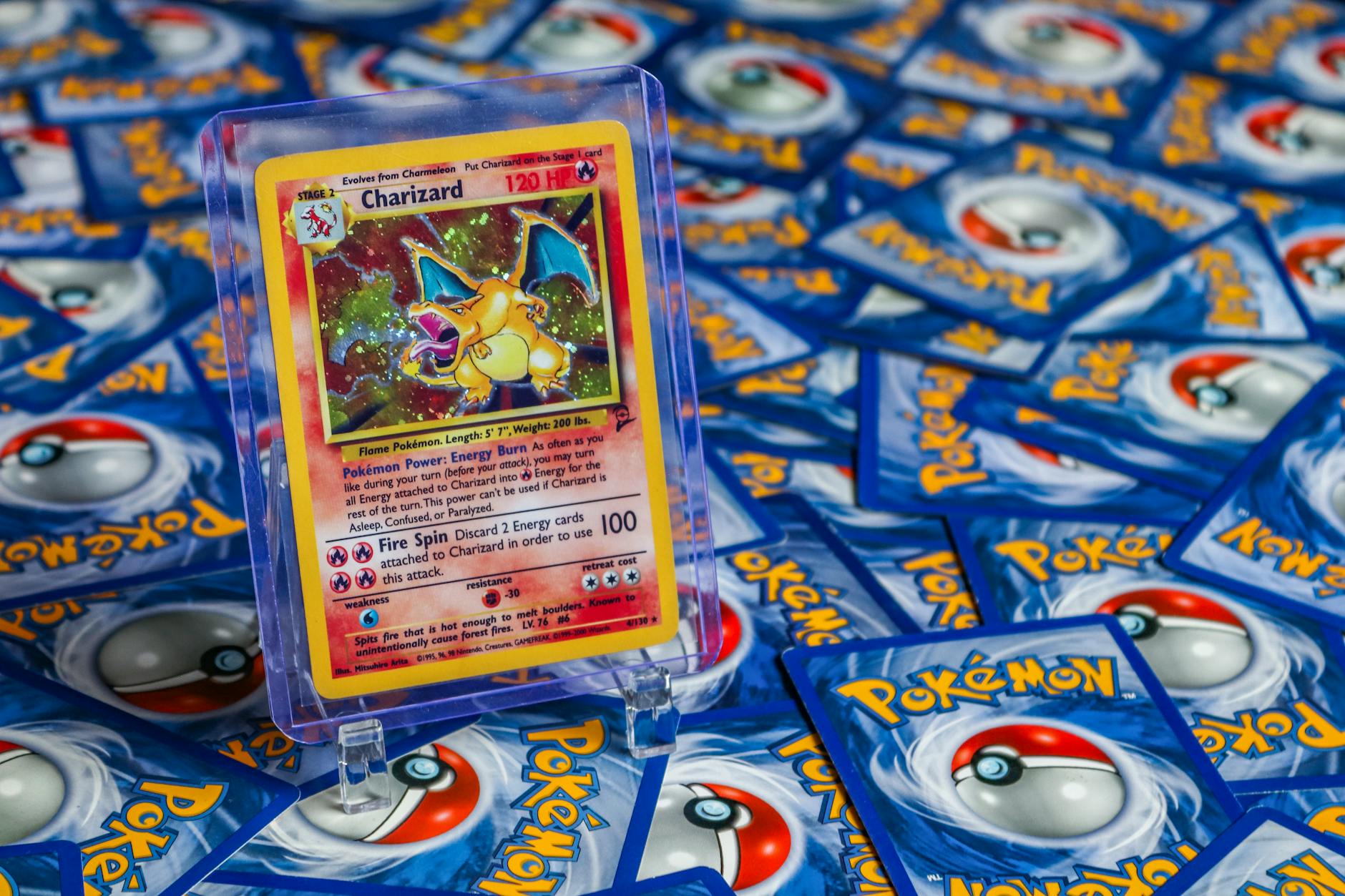
The Pokémon card boom is pulling new collectors into the market at an unprecedented rate because demand now vastly outpaces supply, creating both opportunity and scarcity that attracts players, investors, and casual buyers alike. When Logan Paul sold a single Pikachu Illustrator card for $16.492 million at Goldin Auctions in February 2026, it wasn’t just a headline—it was a signal that reached mainstream audiences and legitimized collecting as something worth paying attention to. Today, the market is pulling in demographics that never engaged with Pokémon cards before: adults aged 25 to 45 buying for investment, casual players introduced through Pokémon TCG Pocket, and teenagers competing for limited product in a historically undersupplied market.
The numbers tell the story. The Pokémon Trading Card Game has officially passed 85 billion cards printed worldwide as of May 28, 2026, yet production still cannot meet demand. The Pokémon Company confirmed this gap explicitly—they’re printing faster than ever, with 10 billion cards produced between March 2025 and March 2026 alone, but market appetite remains insatiable. This supply-demand imbalance, combined with spectacular price appreciation over the last five years, creates a self-reinforcing cycle where visibility drives interest, interest drives scarcity, and scarcity drives prices, pulling wave after wave of new participants into the hobby.
Table of Contents
- What’s Driving the Unprecedented Demand for Pokémon Cards?
- The Demographic Shift: Who Are These New Collectors Entering the Market?
- Digital to Physical: How TCG Pocket Accelerated the Collector Pipeline
- Investment Potential vs. Collecting: Understanding Buyer Motivations
- Price Volatility and Market Corrections: What New Collectors Should Know
- The Entry Point: Where New Collectors Are Finding Success
- The Future of the Pokémon Card Market and What It Means for New Entrants
- Conclusion
What’s Driving the Unprecedented Demand for Pokémon Cards?
The price explosion has been staggering: pokémon card prices have risen 1,350% since 2020, compared to just 282% growth during the previous 16 years from 2004 to 2020. When you zoom out further, the market has experienced a 3,821% value increase since 2004, vastly outperforming the S&P 500’s 483% growth over the same period. This performance curve acts as a marketing engine in itself—stories of investment returns spread faster than industry news, and those returns are real enough to justify serious buyer attention. Yet beneath the investment narrative sits scarcity. The Pokémon Company officially confirmed that demand exceeds production capacity, and this isn’t accidental—it’s structural.
The 10 billion cards printed in a single year should feel like abundance, but the global audience for Pokémon cards now spans every continent, every age group, and multiple purchasing motivations simultaneously. Children collect for the hobby. Adults collect for grading and investment. Digital players convert to physical buyers. Speculators acquire sealed products betting on future appreciation. No single production level satisfies all those demands at once.

The Demographic Shift: Who Are These New Collectors Entering the Market?
Children remain core to the franchise, representing 61.29% of users and 54.29% focused on collecting. But the real shift is happening in adult demographics. Nearly 1 in 5 adults purchased Pokémon cards for themselves, and critically, they’re buying not to play the game but to collect or invest. Adults aged 25 to 45 have become the largest proportion of purchasers in trading cards broadly, and this cohort shows higher transaction volume, greater interest in graded cards, and different purchasing patterns than the traditional youthful collector base. This demographic composition matters because it changes how the market functions.
Younger collectors buy booster packs to chase hits and build casual collections. Adult collectors aged 25 to 45 buy graded vintage cards, sealed products from specific sets, and individual high-value cards—a completely different market segment with different price discovery mechanisms and investment horizons. The emergence of this adult collector class pulls the entire market upward, because older players have accumulated wealth and view Pokémon cards not as toys but as alternative assets, similar to art or collectible memorabilia. A warning for new collectors entering this space: this demographic concentration creates generational risk. If adult purchasing patterns shift due to recession, changing investment fashions, or market saturation, the entire market structure could destabilize rapidly. The 25-to-45 demographic is driving current growth, but they’re also trading vehicles, not intrinsic fans—they’ll move their capital elsewhere if returns diminish.
Digital to Physical: How TCG Pocket Accelerated the Collector Pipeline
Pokémon TCG Pocket launched in October 2024 and created an unexpected gateway to physical card collecting. The game attracted 150 million players within months, introducing vast new demographics to Pokémon card mechanics, terminology, and card aesthetics without requiring physical product. More importantly, it created an immediate conversion funnel: digital players curious about the physical cards translated to real-world demand. The impact was measurable and immediate. By March 2025—just five months after TCG Pocket’s launch—the digital player base converted to physical buyers at scale, creating sellouts of products like Surging Sparks and Prismatic Evolutions that caught retailers off guard.
Supply chains that had adjusted to existing demand suddenly faced new demand waves from demographics that didn’t previously exist as buyers. This digital-to-physical pipeline continues operating: players experience card art, mechanics, and rarity hierarchies in the game, then seek to own physical versions, creating a self-sustaining recruitment mechanism. This gateway is particularly effective because TCG Pocket removes friction from entry. Players don’t need to learn complex game rules, understand pack purchasing mechanics, or make expensive purchases. They experience the appeal of Pokémon cards in frictionless digital form, building brand affinity before converting to real-world spending. For the collecting ecosystem, this means the addressable market is no longer limited to people who specifically sought cards—it’s now everyone who played a mobile game.

Investment Potential vs. Collecting: Understanding Buyer Motivations
The same factors pulling collectors into the market are pulling investors, and these motivations often operate in tension. Investment buyers focus on price appreciation, sealed products, and graded cards from specific sets or eras. Collecting buyers focus on completing sets, owning cards they love, or building thematic collections. Both groups drive demand, but they buy differently, and new entrants often misunderstand which category they belong to. The investment case is compelling: 1,350% appreciation since 2020, outperformance against traditional stocks, and tangible assets that don’t require active management. But investment-driven buyers typically have longer time horizons and focus on higher-value products.
The collecting case appeals to new entrants with smaller budgets: it’s emotionally rewarding, accessible at every price point, and doesn’t require wealth to participate. The market accommodates both by segmenting vertically—investment-grade sealed products and vintage graded cards in one tier, modern singles and casual collections in another. However, the two motivations create market distortion. Investment buying removes sealed product from circulation, raising prices artificially. This makes it expensive for collectors to participate in newer sets, potentially pushing them toward older, cheaper products or toward graded vintage cards that offer better value per dollar. New collectors often enter thinking they’re building an investment position when they lack the capital, expertise, or time horizon to compete in that space. Understanding your actual motivation—collecting for enjoyment versus investing for returns—shapes what you should actually buy.
Price Volatility and Market Corrections: What New Collectors Should Know
In early 2026, the Pokémon card market experienced a healthy correction after years of explosive growth. Modern singles saw price adjustments of 20-30%, correcting some of the speculative excess that had accumulated during 2021-2024. This correction scared some new collectors who bought at peaks expecting linear growth, but it also created opportunity for buyers with realistic long-term time horizons. The market is currently pricing in different growth trajectories: vintage cards and sealed products are projected to appreciate 15-25% throughout 2026, while modern singles consolidate at lower levels. This volatility is normal for any asset experiencing rapid growth and mainstream attention, but it’s particularly relevant for new collectors because they lack experience surviving market downturns. If you purchased cards at peak prices in late 2023 or early 2024, you likely experienced 30-40% paper losses before the recent recovery.
These losses are real—not just on paper—if you need to sell. New collectors should enter the market understanding that short-term volatility is structural, not exceptional, and that building a collection with a multi-year horizon insulates you from quarterly or annual fluctuations. The key limitation here is that corrections can be severe and can last. Even high-quality cards and sets don’t appreciate in straight lines. If you’re a new collector entering the market for investment reasons, you must have capital you genuinely don’t need for three to five years and psychological tolerance for seeing your collection decline 30-40% before recovering. If you’re collecting for enjoyment, corrections are irrelevant—your satisfaction comes from ownership, not market price.

The Entry Point: Where New Collectors Are Finding Success
Data shows that the accessible tier—cards priced between $1 and $50—has the strongest sale velocity in the market. This is where new collectors successfully build positions before a potential breakout. This price range includes modern booster cards, lower-grade vintage singles, promotional cards, and recent sealed products that haven’t appreciated dramatically.
Strategically, new collectors are discovering that entering at this level creates two advantages: they can actually afford to buy cards, and they accumulate volume that positions them for appreciation if prices recover. Logan Paul’s $16.492 million Pikachu Illustrator sale represents the absolute top of the market, but 99% of new collectors start in the $1-$50 range and build positions organically. This means buying sealed products from sets you find interesting, collecting specific sets or types, or acquiring individual cards that appeal to you. The strongest collections often develop from buyers who entered affordably, learned the market, and incrementally upgraded or diversified as they gained experience and capital.
The Future of the Pokémon Card Market and What It Means for New Entrants
Forecasts suggest the Pokémon card market will grow from USD 52.1 billion in 2026 to USD 90.2 billion by 2034, representing a compound annual growth rate of 7.1%. The broader trading card game market is projected to expand from USD 9.2 billion in 2026 to USD 16.9 billion in 2035 at a 6.9% CAGR. These growth projections assume sustained demand, continued supply constraints relative to demand, and no major market disruptions. They’re bullish but not speculative—they assume the market matures and stabilizes rather than experiencing additional explosive growth phases.
For new collectors entering now, this projection landscape matters. If the market compounds at 7% annually, early entrants in 2026 will see their collections appreciate meaningfully by 2034 if they hold through volatility and collect strategically. The key assumption is that demand remains elevated and that the influx of new collectors continues—both of which appear likely given digital gateway effects and demographic shifts. The risk is market saturation: if everyone owns Pokémon cards five years from now, what drives continued appreciation?.
Conclusion
The Pokémon card boom is pulling new collectors into the market because multiple forces align to create unprecedented visibility and opportunity: genuine scarcity relative to demand, spectacular historical returns that justify mainstream attention, low-friction digital gateways that convert new users, and demographic shifts toward adult collecting as an investment vehicle. The market now encompasses children collecting for recreation, adults collecting for investment, and everyone in between, creating a multi-layered ecosystem where different motivations drive growth simultaneously. For new collectors considering entry, the path forward requires clarity on your actual motivation and realistic time horizons.
If you’re collecting for enjoyment, the market correction and accessibility at the $1-$50 price point means now is actually an excellent time to start. If you’re investing, you’ll need capital you can afford to hold for multiple years, psychological tolerance for 20-30% fluctuations, and strategic positioning at accessible prices before potential breakouts. The market is growing, but it’s also maturing—the explosive returns of 2020-2024 are unlikely to repeat, but 7-15% annual appreciation appears structurally supported by the forces pulling new collectors into the space.
You Might Also Like
- Why Retail Pokémon Card Drops Are Turning Into a Collector Frenzy Again
- Why Pokémon Card Hunting Has Become a Weekend Sport for Collectors
- What the New Pokémon Card Shortage Says About Collector Demand