
First print runs of Pokémon trading cards command premium prices compared to later era releases because they exist in finite quantities while demand for them grows year after year. When a card enters the market as part of an initial print run—whether it’s 1st Edition Base Set or Shadowless variants—collectors face a fixed ceiling on how many copies will ever exist. Reprints that follow, including unlimited printings and subsequent set releases, flood the market with new supply and dilute scarcity. A 1st Edition Charizard from Base Set sells for $10,000 to $500,000+ depending on condition, while an Unlimited version of the identical card might fetch $500 to $5,000. The difference isn’t the artwork or rarity designation; it’s purely about supply, age, and the cards that were actually removed from circulation decades ago versus those still in warehouses and collections.
This value disparity will only widen over time. First print cards were printed in smaller quantities and released decades ago when the Pokémon Company had no idea these products would become cultural artifacts. Many were opened and played with, meaning the population of high-grade first prints shrinks constantly as cards deteriorate, get lost, or remain in poor condition. Meanwhile, later era cards continue to be printed in massive volumes, ensuring common supply will always be abundant. The economics are straightforward: scarcity increases while supply remains static, and collector demand shows no signs of declining.
Table of Contents
- Why Do First Print Runs Command Higher Prices Than Later Reprints?
- The Condition and Grading Premium of Vintage First Print Cards
- How Collector Demand Concentrates on Early Print Runs
- Comparing First Edition Values Against Unlimited and Modern Reprints
- Long-Term Investment Considerations and Market Risks
- Notable Examples of First Print Run Value Premiums
- Future Outlook for First Print Run Values
- Conclusion
- Frequently Asked Questions
Why Do First Print Runs Command Higher Prices Than Later Reprints?
The answer comes down to three overlapping factors: absolute scarcity, historical significance, and collector psychology. Initial print runs were limited partly by manufacturing capacity and partly because The pokémon Company didn’t anticipate the long-term collector market. base Set 1st Edition was printed conservatively compared to what came later. Shadowless cards (those without the shadow border effect added in later 1994 prints) represent an even narrower window—only the earliest boxes from 1999 contained no shadow variation. Once these initial runs sold out, they were gone. The company moved to Unlimited printings and subsequent sets, each with substantially higher production volumes.
A card that exists in 50,000 copies across all conditions will always be rarer than a card printed in 10 million copies. Historical significance matters just as much. The 1st Edition Base Set introduced Pokémon Trading Cards to North America. It’s the foundation everyone references when discussing the hobby. A Base Set Blastoise from 1st Edition carries the weight of being the “original,” making it inherently more desirable than a Shadow-less variant from slightly later (which is already rarer than Unlimited). This isn’t purely rational—collectors pay premiums for the version that matters culturally, not always the rarest version mathematically. The Charizard example again: a Shadowless Charizard is technically rarer than a 1st Edition, yet 1st Edition versions still command higher prices because they align with the iconic original release everyone wants to own.
The Condition and Grading Premium of Vintage First Print Cards
One critical limitation collectors must understand: condition is exponentially more important for first print cards, and achieving high grades becomes increasingly difficult as cards age. A Near Mint 1st Edition Charizard and a Poor-condition 1st Edition Charizard from the same print run might differ in price by $100,000 or more. The grading spread is brutal because condition deterioration is irreversible. A card printed 25 years ago has survived quarter-centuries of environmental exposure, handling, and storage mistakes. Many first print cards were stored in basements, attics, or closets with temperature fluctuations and humidity problems.
Even cards that appear fine to the naked eye often show wear under magnification—light edge wear, slight creasing, minor print lines, or centering issues that drop them from PSA 9 to PSA 8. This creates a warning for investors: assuming you can buy a moderately-graded first print card and hold it for appreciation works only if condition remains stable. Cards in PSA 8 or 9 condition are generally safe holds; cards graded lower face steeper competition from supply. A PSA 6 Unlimited Charizard might represent a better long-term value than a PSA 5 1st Edition because the unlimited card has less ceiling anyway, while the 1st Edition’s condition prevents it from reaching premium prices. The window where first prints shine is narrow—they need to be in genuinely good condition (PSA 7 or higher) to significantly outpace later printings. A beat-up 1st Edition trades much closer to a similarly-worn Unlimited than people expect.
How Collector Demand Concentrates on Early Print Runs
Collector psychology drives a self-reinforcing cycle that continuously elevates early print run prices. When collectors enter the hobby, they initially pursue cards from the sets they remember or read about growing up. For most adult collectors today, that’s Base Set through early 2000s era. Within those sets, the earliest versions feel more “authentic”—the versions that started everything. This creates concentrated demand that pushes prices up for 1st Edition and Shadowless variants while leaving later reprints cold by comparison. Social proof amplifies this; when everyone can see that 1st Edition versions sell for more, more collectors want them, prices rise further, and the cycle strengthens.
A concrete example illustrates this: the Pikachu Illustrator promo card (1997) has never had an “unlimited” reprint. It exists in only a single printing—fewer than 40 known copies in existence. A PSA 10 sold for $375,000 in 2021 and over $900,000 in 2024. Compare that to expensive later cards like a PSA 10 Shiny Charizard VMAX (2020), which might sell for $30,000 to $50,000 maximum. The Illustrator’s price isn’t just scarcity; it’s scarcity plus historical significance plus perceived unattainability that makes collectors desperately want it. First print runs benefit from the same psychological pull, though to a lesser degree. They feel exclusive and important because they demonstrably were the original.

Comparing First Edition Values Against Unlimited and Modern Reprints
The market data shows consistent patterns across high-value first print cards. Take a card like the Base Set Holo Venusaur: a PSA 8 1st Edition regularly sells for $8,000 to $15,000, while an Unlimited version in the same grade sells for $800 to $1,200. That’s a 10x premium—in the same year, from the same set, for the same card. The tradeoff collectors face is clear: you can buy 10 beautiful Unlimited copies for the price of one quality first print. For someone building a collection to enjoy and display, the Unlimited route provides better value. For someone acquiring investment pieces they expect to appreciate, the first print argument is stronger, though it comes with the risk of condition deterioration or shifts in collector taste.
Modern reprints hit even steeper value cliffs. A Charizard from Shining Legends (2016) or Hidden Fates (2019) that’s in perfect condition might be worth $20 to $100 depending on the exact card. A 1st Edition Base Set Charizard in poor condition is worth more than that. The difference reflects both scarcity and market maturity. The Pokémon Company printed Shining Legends and Hidden Fates in enormous quantities, knowing collectors wanted these cards. Even special releases like Crown Zenith (2023) had multiple print runs. None of these modern versions face the supply constraints that created the 1st Edition premium, so their values plateau at utility levels (people enjoy owning them, but don’t expect dramatic appreciation).
Long-Term Investment Considerations and Market Risks
Investors buying first print runs need to confront several risks that can erode projected returns. Market sentiment shifts: if the Pokémon Company ever announces a major Base Set reprint or release (which would be shocking but technically possible), first edition values would crater immediately. Authentication and grading consistency also matters—if PSA’s grading standards shift or if competitors develop superior grading methodology, cards might be regraded to lower scores. A card you hold as PSA 9 could theoretically be downgraded if grading standards tighten. Additionally, condition risk is relentless. Cards cannot improve; they can only degrade or stay stable.
A card stored improperly develops damage that permanently destroys its premium. The warning here is straightforward: first print cards are illiquid compared to stocks or modern collectibles. Selling a high-value 1st Edition requires finding the right buyer, often through specialized Pokemon dealers or auction houses. You might own a $50,000 card that takes three months to sell. Market demand can shift unexpectedly; if newer card games capture collector attention or Pokémon’s cultural relevance declines, prices won’t stay inflated indefinitely. This is why condition matters—you’re betting on demand remaining strong for a specific category (vintage Pokémon), not just on scarcity. The scarcity alone doesn’t guarantee appreciation if no one wants to buy.
Notable Examples of First Print Run Value Premiums
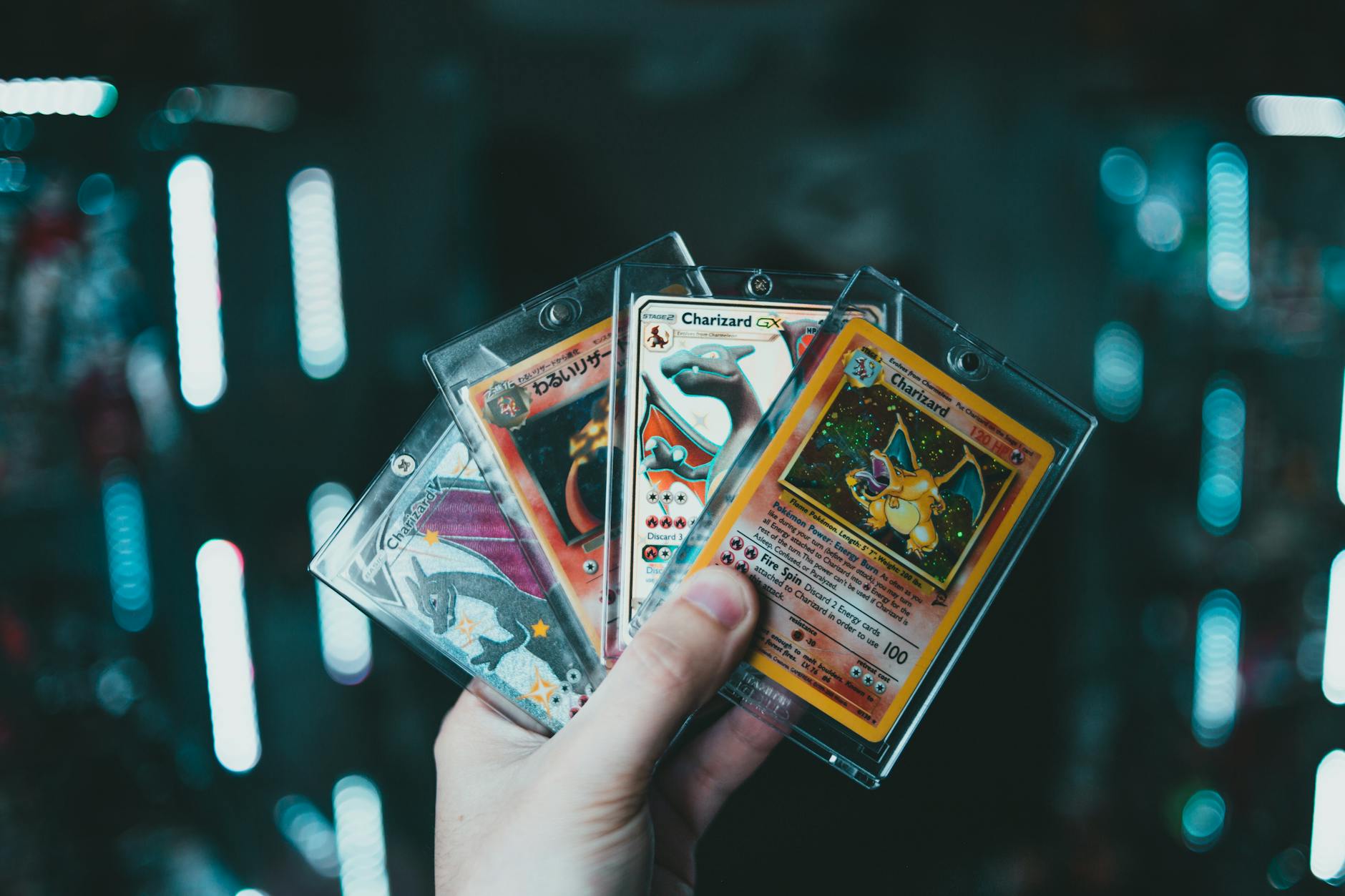
The Blastoise Base Set 1st Edition holo (PSA 9) regularly sells for $12,000 to $18,000, while an Unlimited version in the same grade sells for $400 to $600. That’s roughly a 30x premium. The card itself is identical—same artwork, same stats, same set. The only difference is a small “1st Edition” stamp and the knowledge that fewer copies exist. Similarly, a Venusaur 1st Edition in PSA 9 commands $10,000 to $15,000 versus $600 to $900 for Unlimited.
These spreads have been consistent for years, suggesting the premium is structural rather than temporary market hype. Even commons and uncommons from 1st Edition Base Set trade at premiums. A first edition Machop in PSA 8 condition might sell for $100 to $300, while the same card in Unlimited goes for $5 to $15. Collectors pursuing complete Base Set collections often must choose between buying every 1st Edition (extremely expensive) or mixing editions throughout the set. The reality is that any 1st Edition card, regardless of its printed rarity, carries a scarcity premium that doesn’t exist for later printings. This makes first print run cards appealing for investors focused on older sets, though the entry costs are steep.
Future Outlook for First Print Run Values
The long-term trajectory for first print run prices depends on several factors: continued collector growth, stability in the hobby’s cultural relevance, and the Pokémon Company’s restraint in reprinting classic sets. If the hobby continues expanding and new collectors enter the market seeking “the originals,” first print values will likely appreciate further. Generational wealth transfer also plays a role; as Baby Boomers and Gen X collectors eventually pass down their collections or sell them, those first print cards enter the secondary market, often finding their way to serious collectors willing to pay premiums. However, a counter-narrative exists: newer print runs of classic cards (like the Base Set reprints Pokémon released in 2020-2021) demonstrate the company’s willingness to re-release iconic products.
If major reprints ever target cards from the 1990s and early 2000s, first edition values would be permanently damaged. The Pokémon Company has shown it understands the collector market and the premium first editions command, which is why it carefully labels reprints differently and positions them as separate products. This restraint is part of what maintains first print value, but it’s not guaranteed to last forever. Long-term collectors should view first print cards as appreciation plays with solid fundamentals but real downside risks tied to company strategy and market shifts.
Conclusion
First print runs become more valuable than later eras because they represent finite, non-replaceable supply in a market where demand grows every year. Initial quantities were smaller, meaning fewer copies survived 25 years of deterioration and lost cards. The cultural significance of being “the original” adds psychological weight that later reprints never achieve. A 1st Edition Base Set card typically sells for 10 to 30 times more than an Unlimited version of the same card—a premium entirely driven by scarcity and collector sentiment rather than any functional difference.
For anyone considering acquiring first print cards, the strategy is straightforward: focus on condition above all else, be prepared to hold illiquid assets, and understand that prices aren’t guaranteed to rise forever. The best investments come from cards that are genuinely scarce in high grades (PSA 8 or better) from sets with permanent cultural significance. First print runs have every advantage in their favor right now—limited supply, strong demand, and decades of appreciation history. Whether that advantage persists depends on factors partly beyond your control, like the Pokémon Company’s future decisions and the hobby’s continued relevance. Buy wisely, store carefully, and approach first prints as long-term holdings rather than quick flips.
Frequently Asked Questions
Is a Shadowless card rarer than a 1st Edition card?
Shadowless cards are mathematically rarer in print quantities, but 1st Edition cards typically command higher prices because 1st Edition represents the iconic “first printing” release. Shadowless variants from slightly later in the same print window have less collector prestige despite smaller surviving populations.
Can I make money flipping first print Pokémon cards short-term?
It’s possible but difficult. Most first print appreciation is structural and takes years to materialize. Short-term flips are expensive due to grading costs ($10-$200+ per card), authentication concerns, and shipping logistics. You’re better served by buying quality cards and holding them for 5+ years.
What condition grade is the minimum for first print cards to make sense as an investment?
PSA 7 is the realistic minimum for most high-value cards to significantly outpace later printings. Below that, you’re buying a first edition that looks worn, and many buyers would rather own a higher-grade Unlimited card. PSA 8 or better is the sweet spot.
Will the Pokémon Company ever reprint original Base Set cards?
The company has reissued Base Set products (like Evolutions in 2016 and Celebrations in 2021), but these are clearly labeled as reprints and don’t carry the “1st Edition” stamp. A direct reprint of authentic 1st Edition Base Set cards seems unlikely given the brand value of the original, but it’s not impossible. This is a legitimate risk to consider.
How much should I grade my first print cards?
Grade cards worth $1,000 or more. For cards worth $200 to $1,000, grading can go either way depending on how confident you are in the condition. For cards under $200, the grading cost often exceeds the value increase, so holding raw cards may make more sense unless you’re building a master set where every card needs consistent slabs.
Are first print cards better long-term investments than modern cards?
Yes, historically. But this comes with the caveat that you’re locking capital into illiquid assets with slow appreciation. Modern cards offer better liquidity and lower entry costs, but less appreciation potential. Choose based on your investment timeline and how long you can hold without needing to sell.
You Might Also Like
- How First Edition Pokémon Cards Could Become the Crown Jewels of TCG Collecting
- Could First Edition Charmander Become a Quiet Long-Term Winner?
- Could First Edition Base Set Cards Become the Blue-Chip Pokémon Market?