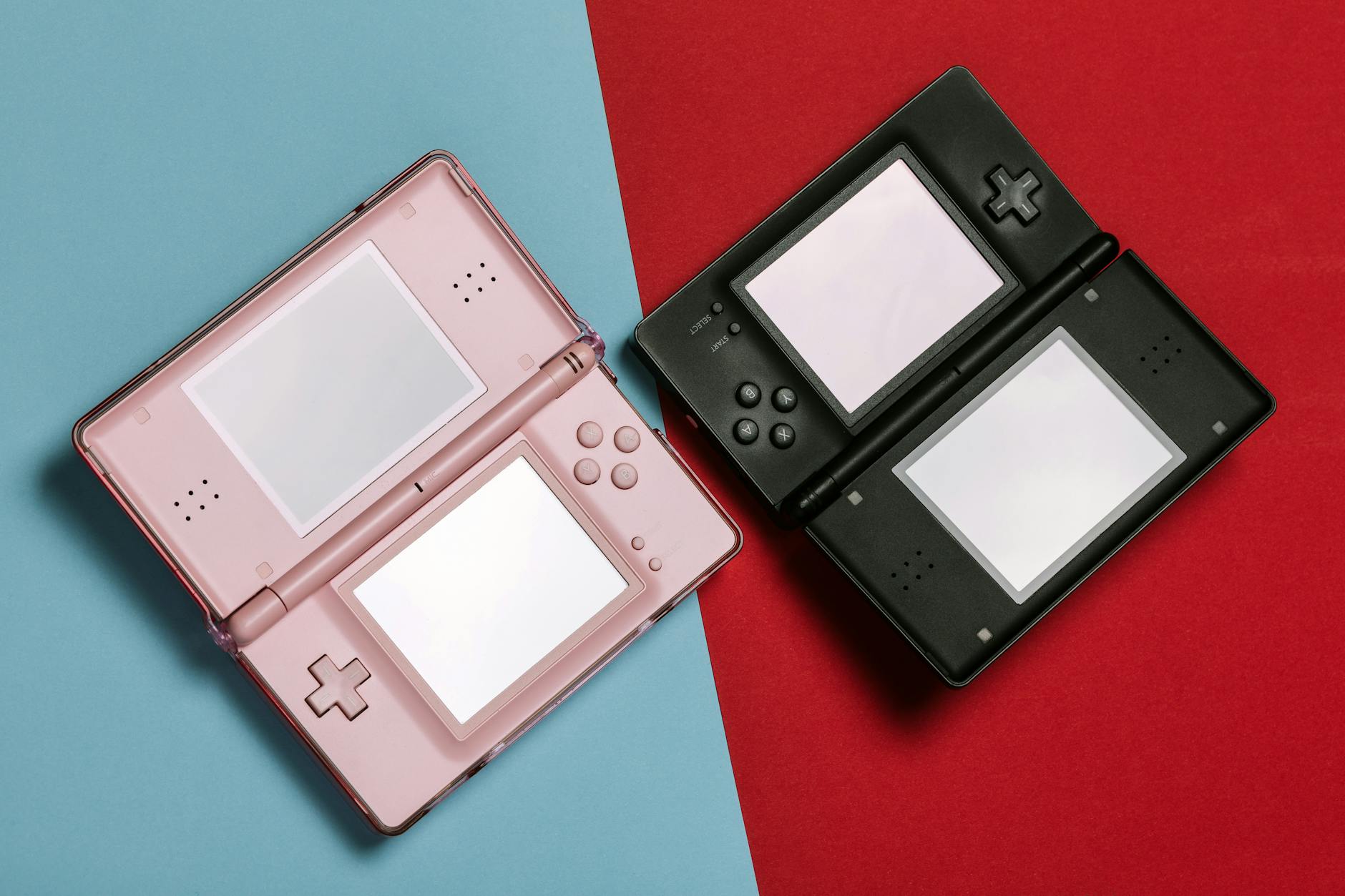
Pokémon survived changing consoles, shifting trends, and generational preferences through a strategy that combined technical adaptation, continuous game releases, and a diversified franchise ecosystem that extended far beyond the video game itself. Since its debut on the Game Boy in 1996, the franchise has successfully migrated across seven major Nintendo console generations—Game Boy Color, Game Boy Advance, Nintendo DS, 3DS, and Switch—while maintaining relevance and profitability. The franchise’s $150 billion lifetime revenue as of 2024 makes it the highest-grossing entertainment media franchise of all time, a distinction earned not through a single product but through a disciplined approach to console transitions and an unwillingness to let the franchise become stale.
What made Pokémon’s survival unique was that it didn’t rely solely on technical innovation or graphical improvements. Instead, it maintained a core gameplay loop—catch monsters, train them, battle—while updating the execution with each hardware generation. When the Game Boy showed its age, Pokémon moved to newer handhelds. When Nintendo shifted to hybrid console gaming with the Switch, Pokémon adapted again, delivering over 44 million copies sold in Generation VIII alone.
Table of Contents
- How Did Pokémon Successfully Navigate Major Console Transitions?
- The Relentless Release Schedule and the Risk of Fatigue
- Building Beyond Games—Mobile, Cards, and Merchandise
- Understanding Sales Performance Across Generational Shifts
- The Fragile Challenge of Maintaining Core Appeal Amid Changing Preferences
- How the Card Game Sustained the Franchise During Transitions
- What’s Next—Pokémon’s Evolution Into the Switch 2 Era
- Conclusion
How Did Pokémon Successfully Navigate Major Console Transitions?
The franchise‘s console migration began almost immediately. Game Boy’s pokémon Red, Blue, and Green launched in 1996 with 31+ million copies sold—a number that still stands as the all-time sales record for any Pokémon game. Within years, the franchise moved to Game Boy Color with new technical capabilities, and then to Game Boy Advance, each time recalibrating the visual experience while preserving the core mechanics that made the original addictive. This pattern—respect the foundation, upgrade the technology—became the blueprint for every transition that followed. The leap from handheld to hybrid console with the Nintendo Switch represented the franchise’s biggest architectural shift.
Instead of a traditional console Pokémon game, Game Freak created experiences that worked both docked and in handheld mode. Pokémon Sword and Shield sold over 20 million copies; Pokémon Scarlet and Violet exceeded 26 million lifetime sales by the end of 2024, proving that the Switch audience valued Pokémon as much as previous handheld players. The franchise didn’t invent new mechanics for the Switch—it brought the same turn-based battles and Poké Balls to a console with the power to render Pokémon in 3D and render entire open-world regions. Looking forward, the console transitions continue. Pokémon Legends: Z-A released in October 2025 for Nintendo Switch, but the franchise is already preparing for Nintendo’s next hardware cycle. Pokémon Winds and Waves have been announced for Nintendo Switch 2, with a 2027 release target, indicating that Game Freak is managing the transition to new hardware years in advance rather than scrambling at the last minute.

The Relentless Release Schedule and the Risk of Fatigue
Pokémon’s survival also hinged on a counterintuitive strategy: release new games constantly. Generation I had 47.52 million copies sold over several years. Generation II followed with 30.09 million. Generation III brought 34.54 million. Each generation released new regions, new Pokémon, and variations on the formula—remakes, remasters, side games, and eventually entirely new approaches to the franchise. This cadence kept the franchise in conversation and kept players coming back.
However, this relentless pace created a problem that became visible in recent years: quality dilution. Pokémon Scarlet and Violet, despite selling exceptionally well, launched with widespread complaints about bugs, performance issues, and a feeling that the games were pushed to market before full polish. The franchise had become so accustomed to annual or near-annual releases that meeting shareholder expectations sometimes overshadowed game quality. This represents a genuine vulnerability—if players perceive that Pokémon games are becoming rushed or formulaic, the franchise’s core appeal diminishes. The revenue data suggests the strategy still works. The Pokémon Company generated over $12 billion in revenue in 2024, a $1.2 billion increase from the previous year, with the video game division contributing substantially to that figure. But the Scarlet and Violet experience suggests that maintaining sales and maintaining quality are increasingly difficult to balance simultaneously.
Building Beyond Games—Mobile, Cards, and Merchandise
One critical reason Pokémon survived was that it never became just a video game franchise. The Pokémon Trading Card Game launched in 1996 and has remained profitable and culturally relevant for nearly 30 years. When video game sales dipped or a console generation felt stale, the card game kept Pokémon in the cultural conversation. During the pandemic, demand for Pokémon cards surged, creating a secondary revenue stream that had nothing to do with gaming hardware and everything to do with the franchise’s ability to inspire collecting and community. Mobile gaming represented another survival tool.
Pokémon GO launched in 2016 and revolutionized how players could interact with the franchise—catching Pokémon in the real world using smartphone cameras and GPS. The game generated $2.5 billion in revenue with 640+ million downloads, proving that Pokémon’s appeal extended to the billions of people using smartphones who might never buy a dedicated gaming device. This diversification insulated the franchise from being dependent on any single platform or demographic. Licensed merchandise exceeded $100 billion in lifetime revenue, compared to the video game division’s $30 billion. This means that for every dollar Pokémon earned from games, it earned more than three dollars from toys, apparel, plushies, and ancillary products. The franchise’s survival was never contingent on gaming hardware at all—it was contingent on cultural relevance, and games were simply one lever for maintaining that relevance.

Understanding Sales Performance Across Generational Shifts
Examining the raw sales data reveals how Pokémon’s success varied across different console generations and how the franchise managed these fluctuations. Generation I, the Game Boy era, sold 47.52 million copies and established the franchise as a phenomenon. Generation II dropped to 30.09 million—a significant decline that suggested the franchise might have peaked. Generation III recovered to 34.54 million, indicating that declining sales in one generation didn’t predict the next. The Nintendo Switch era, Generation VIII, delivered 44.37 million copies sold—nearly matching the original Game Boy generation. This data point is crucial because it demonstrates that players will adopt Pokémon on new hardware, even when that hardware represents a dramatic shift from what came before.
The franchise didn’t just survive the transition from handheld to hybrid; it thrived. Across all generations, Pokémon games have sold over 515 million units, a cumulative achievement that few entertainment franchises can claim. The tradeoff here is instructive: higher sales in one generation sometimes came at the cost of reduced cultural novelty or innovation. Generation V, which introduced entirely new Pokémon and a more dramatic story, sold fewer copies than some adjacent generations. Players value comfort and familiarity as much as they value innovation. Pokémon’s secret was not choosing one over the other but offering both—familiar mechanics with genuinely new Pokémon, regions, and stories.
The Fragile Challenge of Maintaining Core Appeal Amid Changing Preferences
Pokémon survived by understanding that player preferences shift. What worked in 1996—simple monster capturing and local multiplayer—didn’t automatically work in 2016 or 2026. The franchise had to evolve while preserving its essential identity. Pokémon GO showed that players wanted AR and real-world exploration. Pokémon Sword and Shield introduced dynamic weather and Dynamax forms, suggesting that players wanted spectacle. Pokémon Scarlet and Violet introduced open-world exploration, indicating that modern players wanted freedom in how they experienced the game.
However, this adaptability comes with genuine risk. Some core players felt alienated by the increased focus on story and cinematic presentation in newer games. Others complained that open-world design diminished the tight, paced experience of earlier generations. The franchise’s attempt to satisfy everyone sometimes meant satisfying no one completely. A warning to franchise managers would be that chasing trends aggressively can erode the core appeal that originally built the audience. Still, the revenue growth—$12 billion in 2024, up from the prior year—suggests the franchise successfully navigated these shifting preferences more often than it stumbled. The release of Pokémon Legends: Z-A in October 2025, with its action-oriented gameplay and cinematic presentation, further demonstrates Game Freak’s willingness to experiment with how Pokémon games feel and play.

How the Card Game Sustained the Franchise During Transitions
The Pokémon Trading Card Game deserves specific recognition in any discussion of franchise survival. When the original Game Boy era ended and players aged out of handheld gaming, Pokémon cards kept the franchise alive in a different context. The card game has experienced multiple boom cycles, most recently during the COVID-19 pandemic when demand far outstripped supply and Pokémon card boxes became as difficult to find as GPUs during the mining craze. The cards serve a function that video games cannot: they are collectible, tangible, and shareable in physical spaces.
A teenager in 2024 who has never played a Pokémon video game might still collect Pokémon cards, trade with friends, or participate in the competitive card game circuit. This creates perpetual onramps to the broader franchise. Someone who collects cards may eventually become curious about the games. Someone who plays the games may eventually want to collect cards. The franchise’s survival wasn’t about any one product maintaining sales—it was about a network of products sustaining cultural relevance and creating multiple pathways for engagement.
What’s Next—Pokémon’s Evolution Into the Switch 2 Era
The franchise is currently positioned at another console transition point. Nintendo Switch 2 is on the horizon, and Game Freak is preparing Pokémon Winds and Waves for 2027 release, indicating a familiar pattern: announce new hardware, prepare Pokémon software to launch alongside it or shortly after, capitalize on the installation base of a new console. This strategy worked for Switch, GameCube, Wii, and DS. It will almost certainly work again.
The franchise has learned that console transitions are not threats to be weathered but opportunities to reestablish market dominance. Pokémon didn’t survive 30 years by being static. It survived by moving into new spaces, adopting new formats, and iterating on a core concept that has proven endlessly adaptable. Whether future consoles introduce gesture controls, neural interfaces, or some technology not yet invented, Pokémon’s track record suggests that the franchise will find a way to make catching and training monsters feel fresh and relevant on whatever hardware players are using.
Conclusion
Pokémon survived changing consoles, trends, and generations because it executed a multi-layered strategy: maintaining consistent core gameplay, releasing new content regularly, diversifying beyond video games into cards and mobile, and most importantly, understanding that player preferences evolve. The franchise didn’t cling to what made it successful in 1996; it evolved while preserving the essential appeal. This balance—innovation tempered with continuity—is what transformed a Game Boy game into a $150 billion franchise.
For players and collectors interested in the franchise’s long-term health, the signals are positive. The Pokémon Company continues to invest in new game experiences, new hardware is on the horizon, and the card game remains culturally relevant and financially robust. Whether you’re interested in current-generation games like Legends: Z-A or collecting cards from vintage sets, Pokémon’s survival over three decades suggests the franchise isn’t going anywhere. The challenge for the next 30 years will be sustaining quality while maintaining the release pace that has become fundamental to the franchise’s identity.
You Might Also Like
- What the MLB Pokémon Trend Means for the Next Generation of Collectors
- Why Pokémon’s 30th Anniversary Could Be Its Biggest Marketing Year
- Why Professional Athletes Are Getting Into Pokémon Collecting