
Pokémon turns old memories into new products through deliberate, systematic nostalgia marketing that targets adults who grew up with the franchise while simultaneously introducing the same intellectual properties to younger generations. The company doesn’t simply rely on remakes or rereleases—it creates fresh product categories that activate specific emotional connections to Pokémon’s past while remaining current and desirable. This strategy has proven extraordinarily effective: Pokémon’s global franchise retail sales reached $11.5 billion in 2024, a 15% year-over-year increase, making it the highest-grossing media franchise of all time with $91.6 billion in lifetime revenue.
A concrete example of this approach is visible in the upcoming Pokémon x Target Drop 2 launch scheduled for June 6, 2026. Rather than simply rereleasing vintage merchandise, Target and Pokémon are introducing 40+ new nostalgia-focused products including Poké Ball Kickballs and Johto/Hoenn Starter Jackets—items that appeal to collectors who remember these regions from the original game generations while being functional, modern products that appeal to both long-time fans and newcomers. The Pokémon Company understood that nostalgia alone doesn’t drive sustained revenue; nostalgia paired with innovation and new use cases does.
Table of Contents
- Why Pokémon’s Nostalgia Strategy Works Better Than Simple Rereleases
- The Danger of Over-Reliance on Vintage Generations and Heritage Collections
- Limited Editions and Designer Collaborations as Modern Nostalgia Catalysts
- How the TCG Drives Nostalgia-to-Purchase Conversion
- The Resale Market Risk and Collector Warning
- Generational Layering and the Expansion of “Classic” Pokémon
- The Future of Nostalgia-Driven Pokémon Products
- Conclusion
Why Pokémon’s Nostalgia Strategy Works Better Than Simple Rereleases
pokémon doesn’t win by recycling its past—it wins by translating memories into entirely new product categories that didn’t exist when those memories were formed. The company generated $10.8 billion in revenue from licensed products in 2023, encompassing games, toys, apparel, accessories, designer collaborations, home décor, and publishing. This diversification matters because it means fans encounter Pokémon across every touchpoint in their daily lives, not just in dedicated hobby shops or gaming contexts. The key difference between Pokémon’s approach and simple nostalgia-driven merchandise is intentional obsolescence prevention.
Many franchises rely on limited-edition anniversary releases or reissues that feel like capitalizing on a legacy. Pokémon instead creates evergreen categories—fashion collaborations, home goods, digital experiences—that feel contemporary and necessary rather than purely sentimental. The #PokemonNostalgia viral challenge generated over 1.2 billion views globally in 2024, but those weren’t people reminiscing about the past; they were engaging with Pokémon as a present-day cultural force. This blurs the line between old fans and new fans, making it impossible to segment the audience purely by age or entry point.
The Danger of Over-Reliance on Vintage Generations and Heritage Collections
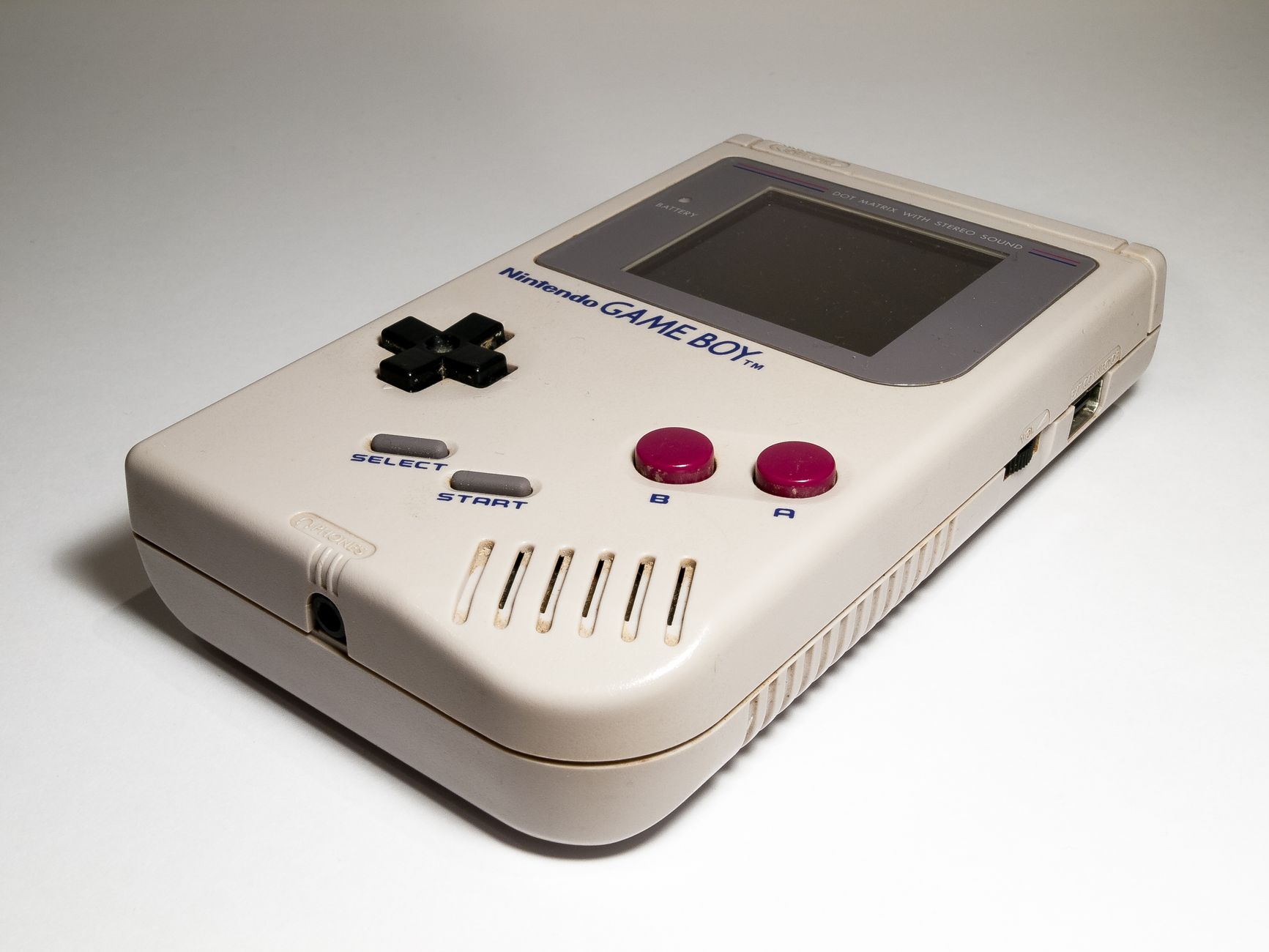
While nostalgia creates a powerful emotional anchor, Pokémon faces a real risk of market saturation among millennial collectors if it leans too heavily on Kanto, Johto, and Hoenn nostalgia without continuing to develop newer content that becomes tomorrow’s nostalgia. The Pokémon Trading Card Game Pocket, launched in October 2024 as a free-to-play mobile app developed with DeNA, represents the company’s hedge against this risk—it introduces modern Pokémon to audiences who may have never collected physical cards while maintaining a gateway product that can drive pack purchases and limited-edition interest. However, there’s a limitation here worth noting: digital products don’t carry the same resale value or collectibility premium as physical cards.
A vintage Charizard from Base Set holds monetary value because scarcity is enforced by the physical supply. A digital representation of that same card in Pokémon TCG Pocket can be duplicated infinitely, which is fine for the game’s economy but creates a two-tier market where physical cards remain the true collectible asset. Collectors investing heavily in nostalgia-driven products should be aware that digital and physical products serve different roles in Pokémon’s ecosystem, and not all nostalgia-activated products appreciate in value.
Limited Editions and Designer Collaborations as Modern Nostalgia Catalysts
The MAISON de SABRE Pikachu Handbag Collection released for Pokémon Day 2026 demonstrates how Pokémon activates nostalgia through unexpected premium partnerships. The flagship “Pikachu Palais” features 44 individually cut leather panels and retails for $779—a price point that transforms Pikachu from a character into a fashion statement for adults with disposable income and childhood memories of the franchise. These collaborations work because they signal that Pokémon isn’t just for children or collectors—it’s culturally significant enough to appear in luxury goods.
This perception filter then feeds back into the trading card market, where recent-year sets and limited releases benefit from elevated status. Compare this to how Pokémon merchandise appeared in the 1990s: it was toys and lunch boxes. Today, it’s high fashion and artisanal goods, which naturally attracts older audiences with spending power while making the franchise feel contemporary rather than dated.
How the TCG Drives Nostalgia-to-Purchase Conversion
The upcoming Pokémon 30th Anniversary TCG Set releasing in October 2026 exemplifies how structured nostalgia actually drives product purchases. The set will be styled as a Celebrations-style release combining classic cards with modern ones, which directly targets three overlapping audiences: people nostalgic for the original 151 Pokémon, collectors who want modern versions of those cards with current print quality and security features, and newer fans discovering which Pokémon matter most to the franchise’s heritage.
This is more sophisticated than simple reissues because it acknowledges that nostalgia alone doesn’t justify a $4-5 pack purchase. Collectors need utility—newer cards perform better in competitive play, feature updated artwork, or offer chase cards and secret rares that create gameplay reasons to purchase. The 489 million units of mainline and spin-off games sold through March 2025 show that Pokémon’s core content engine remains robust, meaning new TCG sets can attach themselves to active game communities rather than existing purely as nostalgia artifacts.
The Resale Market Risk and Collector Warning
While Pokémon’s nostalgia strategy creates sustained demand, collectors should be cautious about assuming all nostalgia-driven releases maintain or appreciate in value. The market distinguishes sharply between genuine scarcity (older, vintage print runs with documented low population) and manufactured scarcity (new premium releases with artificial limited quantities). Pokémon x Target Drop 2 products, MAISON de SABRE handbags, and 30th Anniversary TCG sets will be produced in sufficient quantity to meet demand from the company’s perspective, not from a collector-investment perspective.
This means that while these products satisfy emotional nostalgia and current-day functionality, treating them as investments is risky. An original Charizard from Base Set is valuable because it was printed in 1999 in limited quantities, creating natural scarcity over 25+ years. A newly released anniversary product has no such scarcity mechanism. Collectors should pursue these releases for enjoyment or current utility (fashion items, active play, decoration) rather than expecting returns from nostalgia-driven premium products released in the 2020s.
Generational Layering and the Expansion of “Classic” Pokémon
Pokémon’s nostalgia strategy effectively expands its definition of “classic” with each passing year. Players who remember Generation III (Hoenn) from 2002 are now in their late 30s and early 40s, with disposable income comparable to players who remember Generation I. Pokémon x Target Drop 2’s inclusion of Johto and Hoenn Starter Jackets explicitly targets this expansion, treating the 2000s as equal to the 1990s in terms of nostalgia-driven marketing.
This generational layering prevents the franchise from aging out of relevance. Rather than asking “how do we keep older fans engaged,” Pokémon keeps creating new nostalgia cohorts—players from 1998 remember Generation I with reverence, players from 2002 feel the same about Hoenn, and players from 2006 feel that way about Sinnoh. The Pokémon Company ensures that every generation has a “classic” era to feel nostalgic about, with products tailored to each cohort’s specific emotional triggers.
The Future of Nostalgia-Driven Pokémon Products
Looking ahead, Pokémon’s nostalgia strategy will likely intensify as the franchise approaches its 30th anniversary in 2026 and beyond. The company has demonstrated that nostalgia isn’t a declining asset class—it’s an evergreen one that gains value as the franchise accumulates history. New announcements of 25th, 30th, and eventual 50th anniversary products are essentially guaranteed, but the sophistication of those releases will determine their commercial success.
The most successful future releases will combine nostalgia with clear modern utility: cards that are competitive, fashion items that are wearable, games that are playable. Pokémon has learned that pure nostalgia without contemporary purpose sells once, to the highest-motivation fans. Nostalgia paired with utility sells repeatedly, across multiple age cohorts and price points. That formula—remembering what made Pokémon great, but making new products that are great for today—is what transforms old memories into new billions in revenue.
Conclusion
Pokémon’s strategy for turning old memories into new products works because the company treats nostalgia not as a finite resource to be mined, but as a renewable one that generates better returns when paired with innovation, unexpected collaborations, and genuine utility. The $11.5 billion in 2024 global franchise retail sales prove this approach scales across demographics and product categories, from trading cards to fashion to home goods.
For collectors, the takeaway is clear: Pokémon will continue releasing products that trigger nostalgia and create emotional engagement. The question worth asking before purchasing is whether you’re buying for the nostalgia itself, for contemporary utility, or with the hope of investment appreciation—because only the first two consistently deliver.
You Might Also Like
- How Pokémon Keeps Competitive Players Hooked With Seasonal Rewards
- How Pokémon GO Battle League Keeps the Game Competitive
- How Competitive Pokémon Keeps Evolving Across Different Games