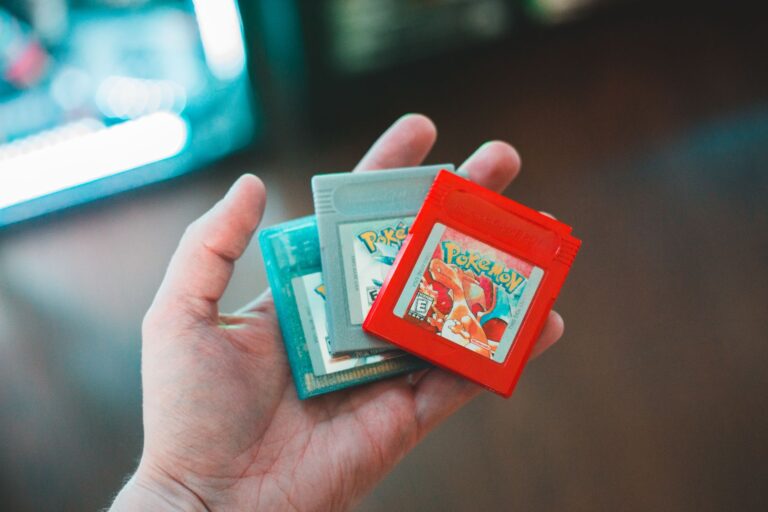
Pokémon card collecting feels cool again among athletes because professional sports stars are openly building serious collections, changing how the entire hobby is perceived across mainstream culture. When MLB players like Chris Sale and Jacob Misiorowski decorate their basements in Pokémon themes and hunt for cards in every city they visit during the season, it signals that collecting isn’t a niche pastime for kids or basement enthusiasts anymore—it’s something legitimate competitors care about. The shift is real: Bobby Witt Jr., widely considered one of baseball’s brightest young talents, serves as PSA’s only athlete brand ambassador for card collecting, cementing the connection between elite sports performance and the hobby in a way that simply wasn’t possible five years ago.
What makes this moment different from previous collecting booms is that these aren’t retired players or celebrities looking for a side investment. These are active athletes at the peak of their careers, publicly sharing their collections and explaining why the hobby matters to them. When Mike Trout and Zach Neto open Pokémon packs during games to break slumps, they’re not just engaging in superstition—they’re endorsing the product with their presence and attention at a time when their focus is otherwise entirely on winning. The legitimacy filter from professional athletes has created permission for a much broader audience to engage with collecting without feeling self-conscious about it.
Table of Contents
- How Professional Athletes Became Pokémon Card Collectors
- The Financial Reality Driving Renewed Interest
- Extreme Returns and Investment-Grade Cards
- The 30th Anniversary Moment and Cultural Legitimacy
- The Supply Constraint and Market Reality Check
- Collecting for Enjoyment vs. Collecting for Investment
- The Momentum Heading Into 2027
- Conclusion
- Frequently Asked Questions
How Professional Athletes Became Pokémon Card Collectors
The athlete influence on pokémon collecting runs deeper than casual interest. Chris Sale, pitching for the Atlanta Braves, and Jacob Misiorowski of the Milwaukee Brewers have become serious enough collectors that their collections are now documented and discussed in mainstream sports media. Misiorowski’s approach is particularly noteworthy—he actively hunts for cards in the cities where the Brewers play, treating collecting as part of his travel routine rather than something to save for the off-season. This integration into daily life, even during the competitive season, normalizes the hobby in ways that passive investment never could. Bobby Witt Jr.’s exclusive relationship with PSA as their athlete brand ambassador matters because it formalizes what was once an informal interest.
PSA’s decision to make an active, prominent player their face for card collecting says something important: the company believes the market has matured enough to stake its reputation on association with an elite athlete. This isn’t a one-year sponsorship; it’s a statement about the long-term legitimacy of the hobby within sports culture. The ripple effect extends to unexpected places. Mike Trout and Zach Neto opening packs during games might seem like a superstition or distraction, but it’s actually a form of collective behavior that other players notice and potentially adopt. Athletes are particularly susceptible to copying what they see their peers do, especially when it comes to routines and rituals around performance. When superstars do something public, it creates social permission for others to follow.

The Financial Reality Driving Renewed Interest
The numbers backing Pokémon card growth are substantial enough to warrant serious attention. The market experienced 46 percent year-over-year growth, with specific chase cards seeing gains between 200 and 500 percent. That’s not speculation—those are realized gains that collectors actually achieved by buying and selling during that period. To put this in perspective, the S&P 500’s average annual return sits around 12 percent, meaning high-performing Pokémon cards have significantly outpaced traditional stock market performance over the past year. The supply side reveals an important limitation worth understanding before jumping into collecting. Between March 2025 and March 2026, The Pokémon Company printed 85 billion cards globally. That sounds massive until you consider that demand continues to outpace supply even at those production levels.
In 2025 alone, 10 billion cards were printed, yet collectors still report difficulty finding sought-after products at retail prices. This mismatch between production and demand is the underlying reason prices remain elevated—The Pokémon Company, despite ramping production significantly, still cannot satisfy worldwide demand for the most desirable sets and products. The broader market context matters here. Pokémon TCG generated $2 billion in card sales during 2024, with momentum continuing into 2026. This isn’t niche activity anymore; it’s a multibillion-dollar market segment that’s attracting institutional attention and capital. However, that attention also brings risk. As more money enters the market, prices can become detached from utility value, leaving late entrants vulnerable if sentiment shifts.
Extreme Returns and Investment-Grade Cards
Some Pokémon cards have delivered extraordinary returns since the TCG’s 2004 launch, with certain pieces returning more than 3,000 percent gains over two decades. The most extreme example is the Pikachu Illustrator card, which sold for $16.5 million, making it one of the most expensive trading cards in existence regardless of type or era. These ceiling-breaking sales are important context because they demonstrate that the rarest Pokémon cards occupy a genuinely different category from sports cards and mass-market collectibles. The Pikachu Illustrator example, however, also illustrates a critical limitation for typical collectors. That card was printed in 1997 as a promotional item distributed only in Japan, making it functionally irreplaceable. Fewer than 50 copies are known to exist.
The $16.5 million price reflects extreme rarity, not a forecast for what average Pokémon cards will achieve. Most collectors should expect to engage with cards that have much wider distribution, clearer comparable sales, and more predictable price movements. For collectors looking at investment potential without the seven-figure fantasy element, more accessible cards offer documented appreciation. Cards from the original base set, particularly first editions in high grade, have consistently appreciated at the 46 percent annual rate mentioned earlier. The distinction matters: cards can be genuinely valuable as investments without needing to become museum pieces. The challenge is identifying which cards will maintain demand and which ones might see price compression if the collecting wave cools.

The 30th Anniversary Moment and Cultural Legitimacy
marks the 30th anniversary year for the Pokémon Trading Card Game, and this milestone is driving significant market activity and renewed cultural attention. Anniversary years have historically been catalysts for increased releases, special products, and media coverage. The timing aligns with growing athlete participation, creating a compound effect where both milestone celebration and cultural legitimacy happen simultaneously. The destigmatization driven by professional athletes is perhaps the most underrated factor in the hobby’s resurgence. Five years ago, a 35-year-old discussing their Pokémon card collection in a professional setting risked being perceived as avoiding adulthood. Today, that same conversation, if it includes mention of Bobby Witt Jr.
or Jacob Misiorowski, becomes a discussion of something that elite athletes care about. The social permission to collect has widened dramatically, bringing adults back to the hobby and legitimizing it across demographic groups that were previously absent. This cultural shift also shows up in how collecting is discussed in mainstream media. ESPN covering Pokémon cards in MLB clubhouses would have been unthinkable in previous decades. Now it’s standard sports journalism. That coverage, in turn, exposes the hobby to casual readers who never would have discovered it otherwise, creating a virtuous cycle where increased attention brings new collectors, which drives prices higher and attracts more attention.
The Supply Constraint and Market Reality Check
The fundamental tension in Pokémon collecting right now is that despite The Pokémon Company’s massive production increase to 85 billion cards in a single year, demand still significantly exceeds supply. This creates artificial scarcity even for relatively recent products. Retail stores regularly sell out of new booster boxes within hours, forcing collectors into secondary markets where prices are marked up 20 to 50 percent above the suggested retail price. This is a warning sign worth taking seriously: if you’re buying at secondary market prices expecting appreciation, you’re already starting from a position where supply needs to become even more constrained for you to break even. The market also shows signs of rationalization in certain segments. As more casual buyers enter the market seeking investment returns rather than collecting for enjoyment, some previously scarce cards have seen price decreases once broader supply was eventually available.
The lesson is that scarcity based on production capacity is different from scarcity based on actual rarity, and The Pokémon Company has the ability to undermine the former with a single announcement of increased production runs. Timing matters in ways that newer collectors sometimes miss. Cards become more valuable over time only if demand remains stable or grows while supply is fixed. Once cards are released, The Pokémon Company controls whether old sets return to production. Recent years have shown them willing to bring back popular sets in anniversary releases and special collections. This production flexibility means you cannot simply buy cards from three years ago and wait for appreciation—you need to consider whether your specific cards are likely to remain scarce or become available again.

Collecting for Enjoyment vs. Collecting for Investment
The athlete participation in Pokémon collecting highlights a crucial distinction between different types of collectors. Players like Jacob Misiorowski are clearly collecting for enjoyment and personal expression—decorating a basement in a Pokémon theme is not the action of someone primarily motivated by resale value. Yet the visibility of these collectors has brought investment-focused buyers into the market who approach cards purely as financial instruments. These two motivations create different dynamics in the market.
Collectors buying for joy will hold cards regardless of price fluctuations, removing supply from the market and supporting prices. Investors, by contrast, will sell quickly once they hit profit targets, which can suppress prices and create volatility. The sustainability of the hobby depends on maintaining a healthy ratio between these two collector types. A market dominated entirely by investors tends to eventually collapse when sentiment shifts. A market with primarily passionate collectors tends to remain stable because engagement doesn’t depend on price appreciation.
The Momentum Heading Into 2027
The trajectory for Pokémon card collecting heading into 2027 appears genuinely sustainable rather than speculative. The 30th anniversary celebration is already driving product releases and renewed attention. More importantly, the athlete participation appears to be genuine rather than orchestrated—these players are collecting cards because they actually enjoy it, not because brands paid them to endorse the hobby. That organic engagement matters because it suggests the market has depth beyond marketing cycles.
The challenge looking forward is whether The Pokémon Company can balance production increases with maintaining perceived scarcity and desirability. Too much supply destroys the investment appeal that’s currently attracting capital. Too little supply creates frustration among casual buyers and potentially attracts regulatory attention if products become impossible to find at retail. Navigating that balance while maintaining quality and avoiding alienating existing collectors will determine whether this moment represents a permanent cultural shift or a temporary boom.
Conclusion
Pokémon card collecting feels cool again among athletes because professional sports figures have publicly legitimized the hobby as something worth serious attention and investment of time. The combination of elite athletes openly building collections, documented investment returns that significantly exceed traditional markets, and the market’s 30th anniversary convergence has created a moment where collecting appeals to both passionate hobbyists and serious investors. The numbers—46 percent annual growth, $2 billion in annual sales, and cards delivering 200 to 500 percent gains—provide real financial backing for the renewed interest rather than just nostalgia.
The sustainability of this boom depends on maintaining the balance between passionate collectors like Jacob Misiorowski who decorate their homes in Pokémon themes and investors seeking returns. If you’re considering entering the market, focus on understanding the difference between rarity based on age and rarity based on production decisions The Pokémon Company controls. The most reliable long-term value likely exists in older cards from limited print runs, not recent releases hoping for supply constraints that may never materialize.
Frequently Asked Questions
Are Pokémon cards a better investment than the stock market?
High-performing Pokémon cards have returned 46 percent annually on average versus the S&P 500’s 12 percent, but this comparison is misleading. You’re looking at best performers, not average performers. Most cards won’t achieve that return, and some will appreciate much more slowly. Diversification across multiple collecting categories or markets is more prudent than going all-in on either option.
Why do athletes like Jacob Misiorowski collect Pokémon cards?
Based on available reporting, athletes appear to collect both for enjoyment and as a hobby that travels well with their schedules. The hobby provides entertainment, stress relief, and a way to connect with teammates and fans. Some may view it as an investment, but the primary motivation seems to be personal engagement rather than financial return.
Can I find Pokémon cards at retail price in 2026?
It depends on which products you’re seeking. High-demand booster boxes and special sets frequently sell out at retail within hours or days. Older sets and less popular products remain more available. Secondary market prices are typically 20 to 50 percent above suggested retail, so patience and selective hunting are necessary for retail acquisition.
Is the Pokémon card market going to crash?
Any market driven partially by investment speculation carries crash risk if sentiment shifts. However, the core hobby has 30 years of history and continues to attract engaged collectors motivated by enjoyment, not just returns. A price correction is more likely than a complete collapse, and prices for rarest cards (older cards with provable scarcity) appear more stable than newer speculative purchases.
What cards should I buy if I’m just starting to collect?
If you’re collecting for enjoyment, buy cards you find visually appealing or that represent your favorite Pokémon. If you’re focused on potential value appreciation, research older sets with limited production runs and focus on cards that have established collector demand. Verify card authenticity and grading if spending significant amounts.
How does 85 billion cards in production affect prices?
The sheer volume demonstrates The Pokémon Company’s production capacity, but widespread scarcity at retail suggests demand genuinely outpaces supply even at those levels. However, this production capacity also means The Pokémon Company can increase output further if they choose, which could eventually suppress prices for recent releases if they decide to flood the market.