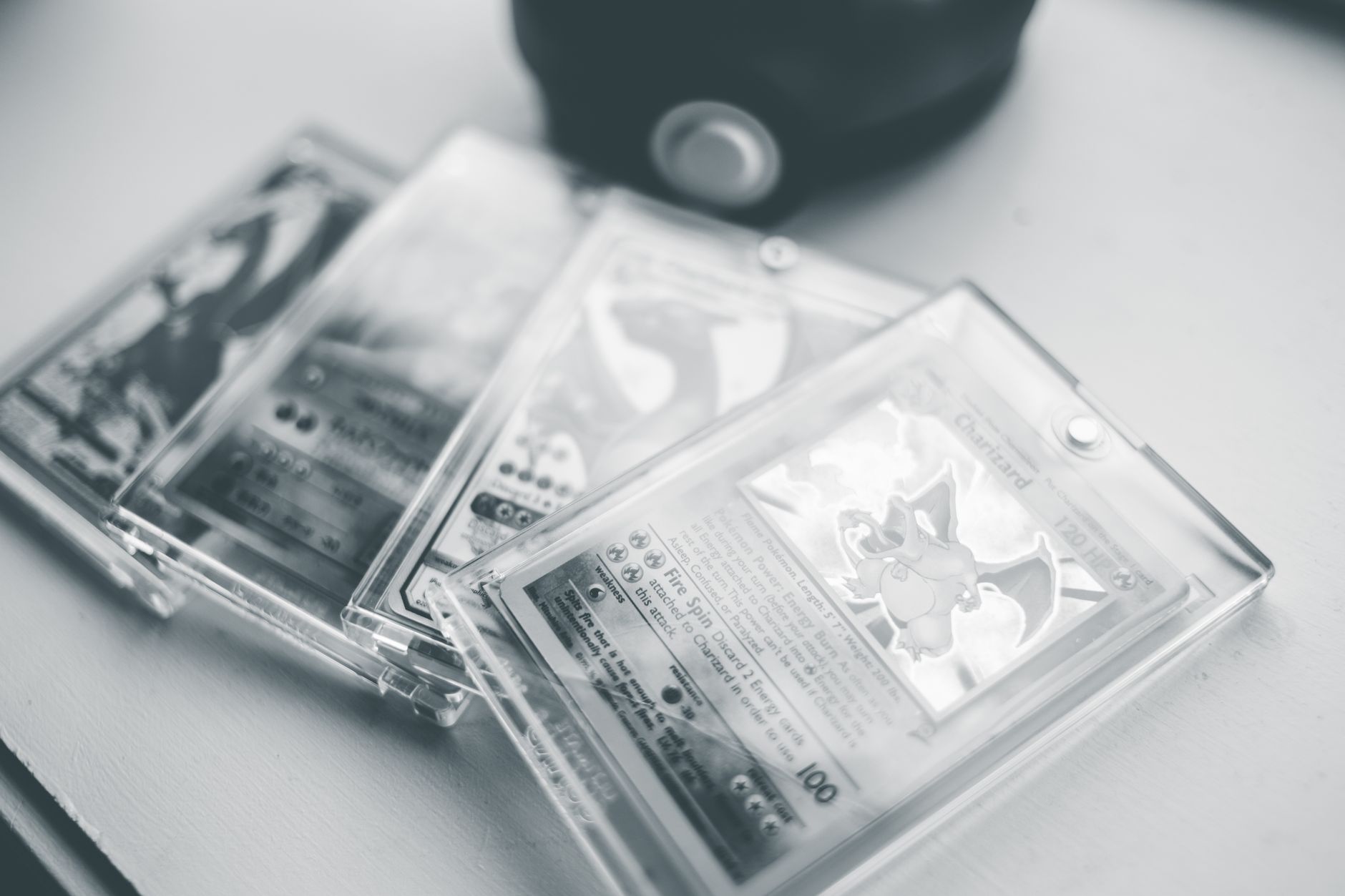
In 2026, grade a Pokémon card only when its likely graded value, authenticity, and condition justify the fee, delay, and shipping risk. Grading means a third party authenticates the card, checks for alterations, assigns a condition score, and seals it in a labeled holder. First identify the exact card and rarity, then inspect its surface, edges, corners, centering, and authenticity. Compare recent sales in the expected grade before deciding whether submission makes financial sense.
Table of Contents
- What does Pokémon card grading cost in 2026?
- How do I identify rarity correctly?
- What condition can earn a high grade?
- How should I research the card's price?
- How do I check authenticity and reduce submission risk?
What does Pokémon card grading cost in 2026?
PSA currently lists Regular grading at $79.99 per card, with a maximum insured value of $1,500 and an estimated turnaround of 70–80 business days. Its lower-priced Value services are temporarily unavailable, according to PSA's current trading-card service page. Treat $79.99 as the starting cost, not the complete expense.
You may also need to pay for protective supplies, shipping, insurance, and return delivery. Ask these questions before submitting: A sentimental card may be worth grading even without a likely profit. For a resale submission, use conservative grade and price estimates rather than assuming a perfect result.
- Does the expected increase over the card's ungraded value exceed every submission cost?
- Is the card's likely value within the service's $1,500 maximum insured value?
- Can you accept a 70–80-business-day estimate?
- Would an unexpectedly low grade erase the financial benefit?
- Are you grading for resale, protection, authentication, or personal preference?
How do I identify rarity correctly?
Do not value a card from the pokémon's name alone. Record the exact set, collector number, card version, language, finish, and rarity because different cards featuring the same character can have very different markets. Modern Scarlet & Violet cards use a circle for common, a diamond for uncommon, and a star for rare. Two black stars indicate double rare, two foil stars indicate ultra rare, and one gold star indicates illustration rare, according to The Pokémon Company International's rarity guide.
The official card database also uses classifications including Special Illustration Rare, Shiny Rare, and Hyper Rare. Match the printed number and artwork against the database instead of choosing the closest-looking listing. Rarity identifies the card but does not set its price. Demand, condition, authenticity, and the grade shown in comparable sales still matter.
What condition can earn a high grade?
Inspect the card under good light without removing dirt, coloring edges, flattening damage, or attempting restoration. Check the front and back for whitening, scratches, dents, creases, print defects, stains, worn corners, uneven borders, and surface damage. PSA authenticates cards before grading and checks genuine examples for doctoring, including recoloring and trimming. It will not assign a numerical grade when it finds trimming, recoloring, restoration, other tampering, or questionable authenticity.
A PSA Gem Mint 10 is described as virtually perfect. PSA allows front centering of about 55/45 at worst and reverse centering of 75/25, but its grading standards also allow judgment based on eye appeal. A card that meets a centering guideline can still miss a 10 because of another defect. Estimate a realistic grade range, such as 8–9, rather than building the decision around a guaranteed 10. Small defects may be easy to overlook, and judgment near grade boundaries limits the precision of any home assessment.
How should I research the card's price?
Use completed, realized sales for the exact card rather than active asking prices. Match the set, collector number, version, language, grading company, and numerical grade as closely as possible. PSA's auction-results tool contains more than five million results and updates daily, but it covers PSA-graded items. PSA recommends comparing recent sales for the same card and grade, so a PSA 10 result should not be used as the expected price for an ungraded card or a likely PSA 8.
Use several relevant sales when available. One unusually high or low transaction may reflect timing, listing quality, or a buyer's specific preference rather than a stable market level. A simple submission test is to subtract the grading fee, shipping, insurance, and likely selling costs from the conservative graded price. Then compare the remainder with what the card could sell for ungraded.
How do I check authenticity and reduce submission risk?
A professional grading service can authenticate a submitted card, but buyers should screen cards before spending money. Pokémon Support says counterfeit cards are often translucent under bright light, unusually cheap packs are a near-certain warning sign, and reported counterfeit sales most often come from flea markets. Treat translucency as a warning sign, not a complete authentication test. Compare the printing, colors, card stock, finish, symbols, artwork, and collector number with a known legitimate example.
For an already graded card, enter its certification number in PSA's verification tool and compare the displayed record with the actual card and holder. A matching number alone does not eliminate fraud because counterfeit inserts can reuse public certification numbers. Before mailing a submission: PSA says customers, rather than PSA, are responsible for insuring cards while they travel to the company. Confirm the carrier's coverage terms before handing over the package.
- Photograph the card's front and back.
- Record the card, declared value, service level, and certification details if applicable.
- Use packaging that prevents movement and bending.
- Choose transit insurance appropriate to the card's value.
- Keep tracking information and proof of drop-off.
You Might Also Like
- Investing Pokémon TCG 2026 Guide: prices, rarity, and authenticity; Key Facts and Questions to Ask
- What Is New With Grading Tips Pokémon TCG in August 2026? Latest Pokemon releases and market data and Key Takeaways
- Grading Tips Pokémon TCG August 2026 Update: What Changed, Why It Matters, and What to Watch Next