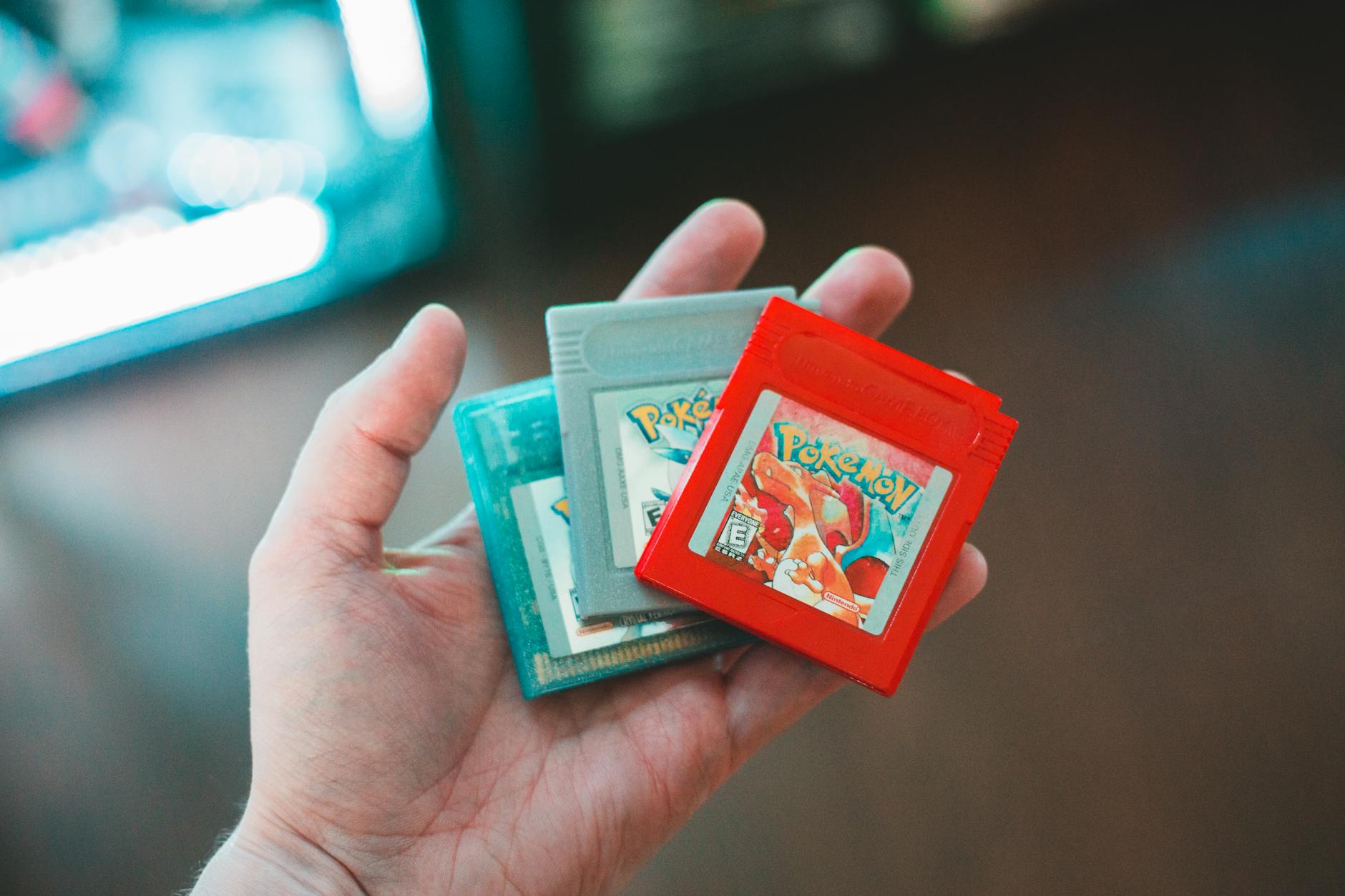
Yes, Base Set Pokémon cards have a genuine shot at reaching new highs before the official 30th anniversary celebration concludes in late 2026. The franchise already hit its 30-year milestone on February 27, 2026, but with the highly anticipated 30th Celebration Set releasing in October 2026 and generating unprecedented pre-order demand, the timing creates a rare convergence of nostalgia, scarcity, and collector enthusiasm. A PSA 10 Base Set Charizard that sold for $3,500 in early 2025 could realistically command $4,200 to $4,800 by the end of 2026, mirroring or exceeding the 40-60% surge witnessed during the 25th anniversary in 2021. The data supporting this thesis is compelling. In the six months leading up to February’s 30th anniversary, PSA 10 Base Set cards already appreciated 15-20% across the board.
Base Set booster boxes climbed back toward the $400-$500 range after dipping lower, and WOTC-era sealed products gained 15-25% over the preceding twelve months. Pre-order allocations for the October 2026 Celebration Set are selling out three to four times faster than equivalent offerings did during the 25th anniversary, with distributor demand exceeding available supply by 200-300% globally. However, timing matters. The 30th anniversary window has already opened, meaning some appreciation has already occurred. Collectors who waited too long will face higher entry prices, and the October release could introduce volatility as speculators decide whether to take profits or hold longer. Understanding where we stand in this cycle is critical.
Table of Contents
- Have Base Set Cards Already Started Their Run, or Is the Real Rally Still Ahead?
- The October 2026 Release: A Catalyst or a Trap?
- How Do First Edition and Shadowless Variants Shape the Price Picture?
- Should Collectors Buy Now or Wait for the October Release?
- Watch Out for Overheated Speculation and Supply Dynamics
- Regional Variations and Market Liquidity Considerations
- The Broader Context: Where Do Base Set Cards Fit in a Post-30th Anniversary World?
- Conclusion
Have Base Set Cards Already Started Their Run, or Is the Real Rally Still Ahead?
The 15-20% appreciation over six months heading into February suggests the market already recognized the milestone, but historically, the biggest moves happen after the official celebration begins, not before it. During the 25th anniversary cycle in 2021, early momentum started months in advance, but the sharpest 40-60% gains occurred in the weeks immediately following the announcement and during the actual celebration period itself. This suggests there may still be significant runway ahead—particularly as casual collectors and new entrants who missed the initial wave begin entering the market in anticipation of October’s release. The $2.7 billion annual size of the Pokémon TCG ecosystem in 2026 indicates a mature, liquid market. Unlike speculative niches, mainstream interest in base Set cards extends beyond hardcore investors.
When the 30th Celebration Set drops in October with its unique format—six foil cards per pack in a first-ever simultaneous worldwide release—it will likely trigger a media cycle and reignite mainstream attention. This marketing moment could pull in buyers who haven’t touched Pokémon cards in years, the same demographic that drove the 25th anniversary spike. A limitation worth noting: not all Base Set cards will perform equally. First Edition shadowless variants command enormous premiums over Unlimited versions—a 1st Edition shadowless Base Set Charizard can cost tens of thousands of dollars more than an Unlimited copy graded the same. Mid-tier cards and lower-grade copies may not see proportional gains, and oversized positions in bulk or water-damaged inventory could prove problematic if the market faces sudden supply shocks.

The October 2026 Release: A Catalyst or a Trap?
The official 30th Celebration Set represents the most significant TCG launch The pokémon Company has attempted: a simultaneous worldwide release never before coordinated globally. This is both a strength and a complication. The strength is undeniable—coordinated global supply should theoretically prevent regional arbitrage and hoarding, building legitimacy and mainstream appeal. The weakness is that simultaneous releases reduce the artificial scarcity that usually props up vintage pricing immediately after a celebration set launch. During the 25th anniversary, staggered regional releases created bottleneck moments where one region’s shortage drove global price action. In 2026, The Pokémon Company appears to have learned from that experience and is eliminating those bottlenecks.
This is better for consumer access but potentially less explosive for vintage card pricing. A collector who buys a PSA 10 Base Set card in August 2026 hoping the October release drives another 20% gain might face sideways or declining prices if the release successfully satisfies collector demand without creating perceived scarcity. The format itself—six foil cards per pack instead of five—is also worth examining. Higher foil concentrations will shift collector focus toward the new set’s art and may cannibalize demand for vintage Base Set cards among cost-conscious buyers. However, the premium nature of the Celebration Set (it will likely carry a price premium) means it appeals to a different buyer segment than budget-conscious newcomers, potentially coexisting peacefully with vintage appreciation. The risk is real, but not inevitable.
How Do First Edition and Shadowless Variants Shape the Price Picture?
First Edition and shadowless variants represent the true crown jewels of any Base Set portfolio, and their scarcity tells the full story about potential appreciation. A shadowless 1st Edition Charizard can fetch $30,000 to $50,000+, while an Unlimited version of the same card in identical condition might sell for $3,000 to $5,000. This 10x premium exists because of supply: shadowless production runs were tiny, and 1st Edition stamps represent the earliest printing window before The Pokémon Company ramped to mass production. These ultra-rare variants are unlikely to move dramatically on the calendar—their value is driven by long-term scarcity and collector prestige rather than anniversary cycles. However, they do set the tone for the entire market.
When a shadowless 1st Edition Charizard appreciates 10% on news of 30th anniversary excitement, it signals confidence in the entire Base Set ecosystem, which can create positive momentum for more accessible variants like Unlimited graded copies and lower-grade examples. A crucial caveat: counterfeit pressures are highest on the rarest variants. Shadowless and 1st Edition cards have spawned increasingly sophisticated fakes over the years. Purchasing ungraded raw cards in this category is exceptionally risky. Even PSA-graded copies should be authenticated independently if the purchase price exceeds $5,000, as grading company standards have shifted over time and early PSA slabs occasionally contain misattributed or counterfeit cards. Authentication matters as much as condition in this segment.

Should Collectors Buy Now or Wait for the October Release?
The practical answer depends on your timeline and risk tolerance. If you plan to hold for five to ten years, current price levels—with 15-20% of the 30th anniversary appreciation already baked in—still represent reasonable entry points. History suggests Base Set cards appreciate over the long term regardless of short-term cycles. A PSA 10 card bought today at market rates has never been a losing position over a five-year hold. The comparison to the 25th anniversary is instructive.
Collectors who bought in the weeks before the anniversary announcement in early 2021 at “peak” prices still saw 30-50% gains over the following three years, even if they didn’t time the absolute bottom. The risk of waiting for a perfect entry point is that you miss the entire move. Conversely, buying at the tail end of a spike—say, in November 2026 after the Celebration Set has launched and initial euphoria has faded—might offer better value for shorter hold periods. A practical trade-off: allocate a portion of your budget to purchases now while acknowledging valuations have already moved up, then reserve another portion for opportunistic buys if the October release triggers profit-taking or oversupply. This hybrid approach balances the fear of missing the rally against the risk of buying peak hype. Avoid putting your entire capital to work at once, as market timing around the October release remains difficult even for professional dealers.
Watch Out for Overheated Speculation and Supply Dynamics
The 200-300% excess demand versus available supply for the 30th Celebration Set is remarkable and suggests genuine scarcity ahead. However, it also creates conditions for speculative behavior. When allocation requests exceed supply by that margin, scalpers and resellers will aggressively pursue product, potentially creating a short-term supply crunch that reverses once The Pokémon Company increases production or the initial scarcity window closes. This dynamic played out in 2021 during the 25th anniversary. Sealed product prices spiked dramatically—booster boxes more than tripled in some cases—but prices normalized over the following 12 to 18 months as The Pokémon Company brought more inventory to market. Collectors who bought sealed product at peak hype prices in March 2021 faced substantial losses by 2023.
Vintage Base Set cards held their value better, but the secondary market for sealed Celebration Set product remains unpredictable. Be cautious about treating the October 2026 release as an investment opportunity. The real value play remains vintage Base Set singles—PSA-graded cards with established long-term demand curves. Sealed product and modern chase cards are far more vulnerable to speculative bubbles and reprinting decisions from The Pokémon Company. If you’re buying the Celebration Set, buy for the joy of opening it and collecting the new cards, not for a 30% flip three months later. That’s where most speculators lose money.

Regional Variations and Market Liquidity Considerations
The 2026 Pokémon TCG market spans multiple regions—North America, Europe, Japan, and others—each with different buying patterns and price points. Japanese vintage cards, particularly heavily played and lightly played Base Set originals, have historically lagged behind their graded English counterparts in appreciation, but that gap is narrowing as Japanese collectors increasingly embrace grading and preservation. A Japanese Base Set Charizard in PSA 10 might still command a 30-40% discount to its English equivalent, but that differential could shrink during a major anniversary surge.
Liquidity also varies by region and card rarity. A PSA 10 Base Set Venusaur or Blastoise moves quickly at fair market value, while a PSA 10 Base Set Dragonite or Alakazam can sit for weeks even at competitive pricing. The “big three”—Charizard, Blastoise, Venusaur—represent the true liquid core of the market. If you’re buying during anniversary hype, prioritize these tier-one cards unless you have patience and can hold illiquid inventory without stress.
The Broader Context: Where Do Base Set Cards Fit in a Post-30th Anniversary World?
Base Set Pokémon cards are now 30 years old, and that reality alone carries significance. They’ve transitioned from modern collectibles to historical artifacts. After the 30th anniversary celebration concludes, the next major milestone—the 40th anniversary—is a full decade away. This suggests that the next sustained narrative-driven rally may not materialize until 2036, making the 2026 window particularly important for collectors seeking to build positions before the hype subsides.
That said, Base Set cards will likely continue appreciating on fundamentals independent of anniversaries. The pool of graded PSA 10 and higher copies remains relatively fixed, while demand continues growing as the hobby expands globally. The $2.7 billion market size in 2026 is projected to grow further over the next 3-5 years, which should support prices even after 30th anniversary enthusiasm fades. Ownership costs and preservation standards are rising—fewer cards survive in high grades each year as older holders age out and unpreserved collections deteriorate. Supply constraints will only tighten.
Conclusion
Base Set Pokémon cards can and likely will reach new highs before the 30th anniversary celebration concludes in late 2026, building on the 15-20% gains already achieved and potentially approaching the 40-60% surge seen during the 25th anniversary in 2021. The October 2026 Celebration Set launch, unprecedented pre-order demand, and mainstream media attention create legitimate tailwinds for vintage card appreciation. However, the biggest gains may have already occurred, and market timing around the October release introduces risk for late buyers and speculators chasing hype.
The practical recommendation is to view Base Set cards as long-term holdings rather than short-term speculation vehicles. Quality PSA-graded singles—particularly the tier-one cards like Charizard, Blastoise, and Venusaur in high grades—have demonstrated consistent appreciation over five-to-ten-year periods regardless of anniversary cycles. If you’re considering purchases, do so with a multi-year outlook, allocate capital in tranches rather than lump sums, and focus on authenticated, professionally graded inventory from reputable dealers. The 30th anniversary window is real, but it’s one chapter in a much longer story for these 30-year-old cards.
You Might Also Like
- Are Base Set Pokemon Cards Still the Safest Vintage Pokemon Bet?
- Shadowless Pokemon Cards Explained for New Collectors Watching Prices Rise
- Is Base Set Charizard Still the Main Driver of Vintage Pokemon Demand?