
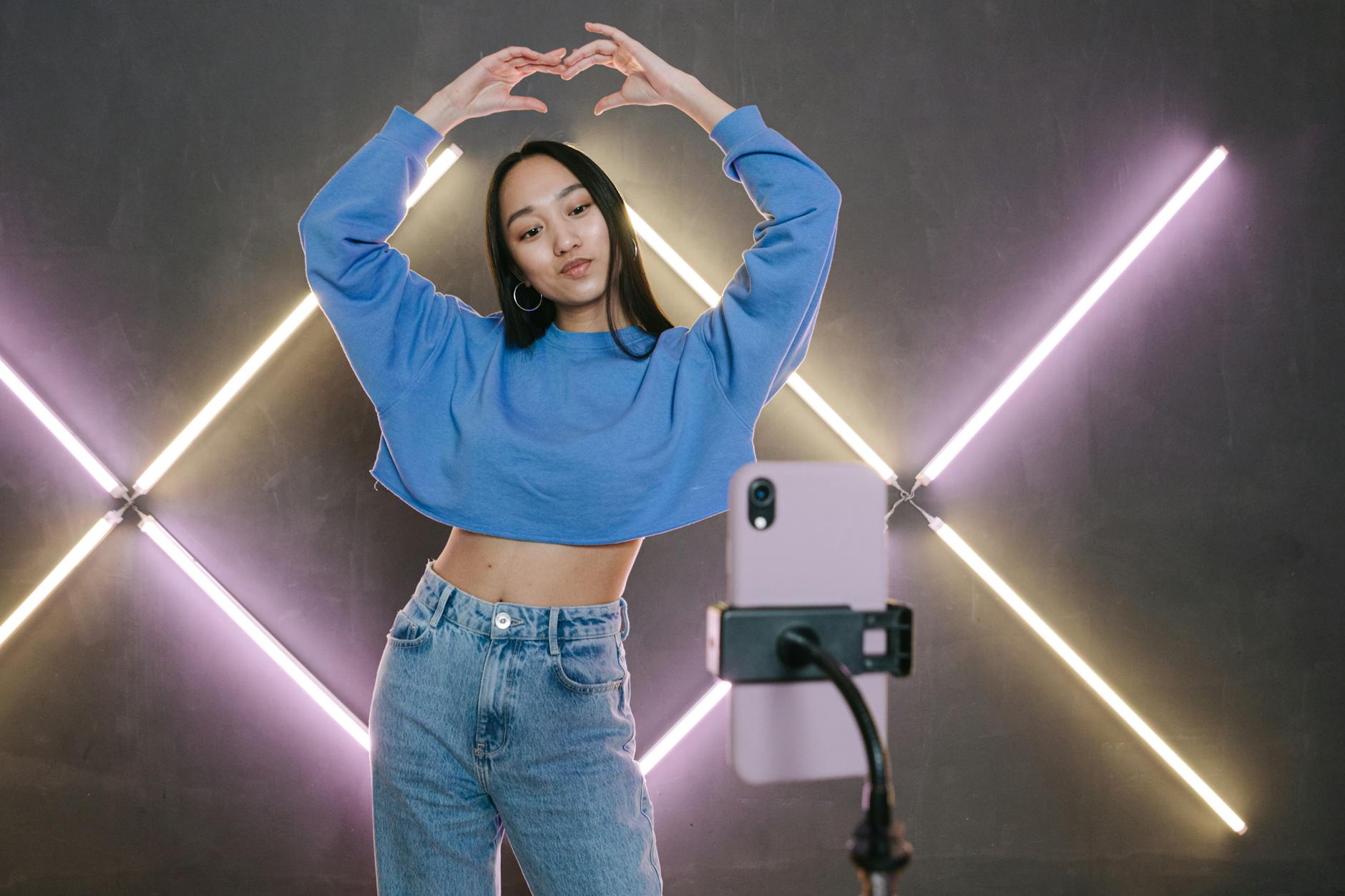
Content creators are fundamentally reshaping how Pokémon TCG sets gain traction and maintain momentum in the market. When digital celebrities like Logan Paul, MrBeast, Leonhart, and Randolph unbox new sets on camera, they don’t just entertain their audiences—they trigger measurable spikes in demand that ripple through retail channels and secondary markets within hours. The February 2026 Logan Paul Pikachu Illustrator sale exemplified this phenomenon, as creator-driven coverage amplified collector interest in a way traditional marketing alone could never achieve. This trend isn’t incidental to the hobby; it’s becoming central to how new set launches succeed or falter in a market now valued at $14.12 billion globally and expected to reach $21.05 billion by 2034.
The mechanics are straightforward: a creator with millions of followers records an unboxing video, shares genuine reactions to rare pulls and set design elements, and their audience translates viewing into purchasing behavior. This creates a compounding effect where initial buzz from one creator attracts other creators, amplifies media coverage, and generates organic conversation across social platforms. The data backs this up—influencer collaborations on special editions consistently produce 15% sales spikes compared to standard releases. As Pokémon commemorated its 30th anniversary throughout 2026, creator-driven interest became essential to capitalizing on that renewed collector enthusiasm.
Table of Contents
- How Are Content Creators Impacting New Set Availability?
- The Double-Edged Impact of Creator-Driven Hype on Set Pricing
- High-Profile Creator Moments That Shifted Market Demand
- How Collectors Can Navigate Creator-Driven Set Launches
- The Risks of Over-Relying on Creator Enthusiasm as a Value Signal
- The Broader Trading Card Game Market and Creator Influence
- The Future of Creator-Driven Set Demand
- Conclusion
How Are Content Creators Impacting New Set Availability?
When a major creator focuses on a new set, demand can outpace supply almost immediately, especially for limited print runs or special editions. The typical pattern begins with a set’s official release, followed by a creator unboxing it within the first week. If that creator pulls something visually striking—a holo rare, a secret rare, or a card with unusual artwork—the moment often goes viral. Retail locations that anticipated normal demand levels find themselves depleted of stock by mid-week. Online retailers, including both authorized distributors and secondary market platforms, see prices shift upward as availability tightens.
This isn’t hypothetical—it’s been documented repeatedly across 2025 and into 2026 with major set launches. The secondary market amplifies this effect. collectors who secured product at retail prices now see resale values climbing, not always because the cards themselves improved in quality or rarity, but because creator visibility increased demand density. A sealed booster box that typically trades at 1.2x to 1.5x retail might jump to 2x retail or higher if multiple creators feature it positively within days of release. The pokémon LEGO collaboration serves as a cross-product example: the set sold out during pre-orders, with secondary market demand remaining strong through Q1 2026, largely because unboxing content highlighted the set’s quality and collectibility.

The Double-Edged Impact of Creator-Driven Hype on Set Pricing
Creator influence creates genuine price volatility that collectors must navigate carefully. In the immediate aftermath of viral coverage, prices spike unnaturally—not because supply is genuinely scarce, but because temporary demand from impulse buyers creates artificial scarcity. Within weeks to months, as the initial buzz subsides and more product reaches market, prices often normalize or even decline below their peak. A collector who paid inflated prices during the hype window may find their purchase underwater within a season. This is the primary risk: mistaking creator-driven visibility for fundamental value.
The longer-term dynamics are more nuanced. Some sets do maintain elevated value if creator coverage coincides with genuine scarcity—low print runs or older sets that have limited remaining inventory. The 30th anniversary celebration gave creators reason to revisit older set designs and nostalgic products, which had actual scarcity working in their favor. However, newer sets benefit less from this principle; most modern sets will eventually be reprinted or remain available long enough that initial creator-driven premiums erode. Collectors should distinguish between temporary hype-driven pricing and sustainable value based on actual rarity, condition, and long-term demand trends. A card from a universally beloved set with timeless artwork holds value better than a card from a set that only gained momentum through creator enthusiasm.
High-Profile Creator Moments That Shifted Market Demand
Logan Paul’s continued involvement in high-end Pokémon card collecting kept creator influence in the mainstream conversation throughout 2025 and into 2026. His February 2026 Pikachu Illustrator sale generated significant media attention outside the traditional collector community, pulling casual fans and new entrants into the hobby. This pattern repeats across creators at different price points: MrBeast’s approach reaches younger audiences and drives interest in modern set booster boxes, while Leonhart’s detailed analysis of card quality and set design influences serious collectors’ purchasing decisions. Randolph bridges entertainment and education, explaining both the appeal and the mechanics of competitive collecting.
The impact extends beyond individual creators to the ecosystem they’ve built. When Leonhart reviews a new set’s pull rates or card quality, his audience—often experienced collectors—trusts his assessment enough to seek out that set specifically. When MrBeast opens expensive vintage booster boxes on video, younger viewers aspire to the hobby and begin with modern products. These different audience segments create layered demand: the Pokémon TCG isn’t just experiencing a single spike from one creator, but multiple sustained increases across different collector demographics, each motivated by different content creators and different values within the hobby.
How Collectors Can Navigate Creator-Driven Set Launches
Smart collectors separate signal from noise by waiting for the initial hype to settle before making major purchases. When a new set launches and creators begin coverage, resist the urge to buy at peak prices. Wait one to two weeks—the timeframe when retail stock begins normalizing and secondary market prices flatten out. This strategy doesn’t require perfect timing; simply avoiding the first 72 hours after viral coverage can mean the difference between paying 1.8x retail and 1.3x retail for sealed products. The economic advantage of patience is substantial, especially for sealed booster boxes where the difference compounds across multiple units.
Another approach is to follow creators whose values align with your own collecting goals. If you’re building a competitive deck, follow creators who focus on tournament viability rather than rarity. If you collect for nostalgia or investment, follow creators who emphasize set design and long-term demand factors. This filters out noise from short-term hype merchants and helps you make purchasing decisions based on sound reasoning rather than FOMO. Diversification also matters—don’t let a single creator’s opinion drive your entire collecting strategy. Multiple perspectives, combined with your own research into print runs and historical pricing, create a more reliable framework for deciding when and what to buy.
The Risks of Over-Relying on Creator Enthusiasm as a Value Signal
Creator enthusiasm is entertainment first and market analysis second. A creator might genuinely love a set’s artwork or pull rates without those qualities translating into sustained collector interest once the creator moves on to the next set. This creates a false impression that certain sets will always be desirable. In reality, collector preferences are fickle; a set that captures creator attention in April might be largely forgotten by August, especially if a more visually appealing or competitively powerful set releases in the interim. The danger is most acute for new collectors who mistake “popular right now” for “popular forever.” There’s also the risk of coordinated or inauthentic promotion.
Not all creator enthusiasm is organic; some creators accept sponsorships or have commercial incentives to promote certain products. While transparent sponsorships aren’t inherently deceptive, they do introduce bias. A creator sponsored by a distributor overstocked on a particular set will naturally highlight that product more favorably. Collectors should look for disclosure of these relationships and weight independent reviews alongside sponsored content. Additionally, as the creator-driven model matures, early adopters who built wealth on first-mover advantage may artificially hype sets they’ve already invested in, creating circular reasoning where their endorsement inflates prices that they personally benefit from.
The Broader Trading Card Game Market and Creator Influence
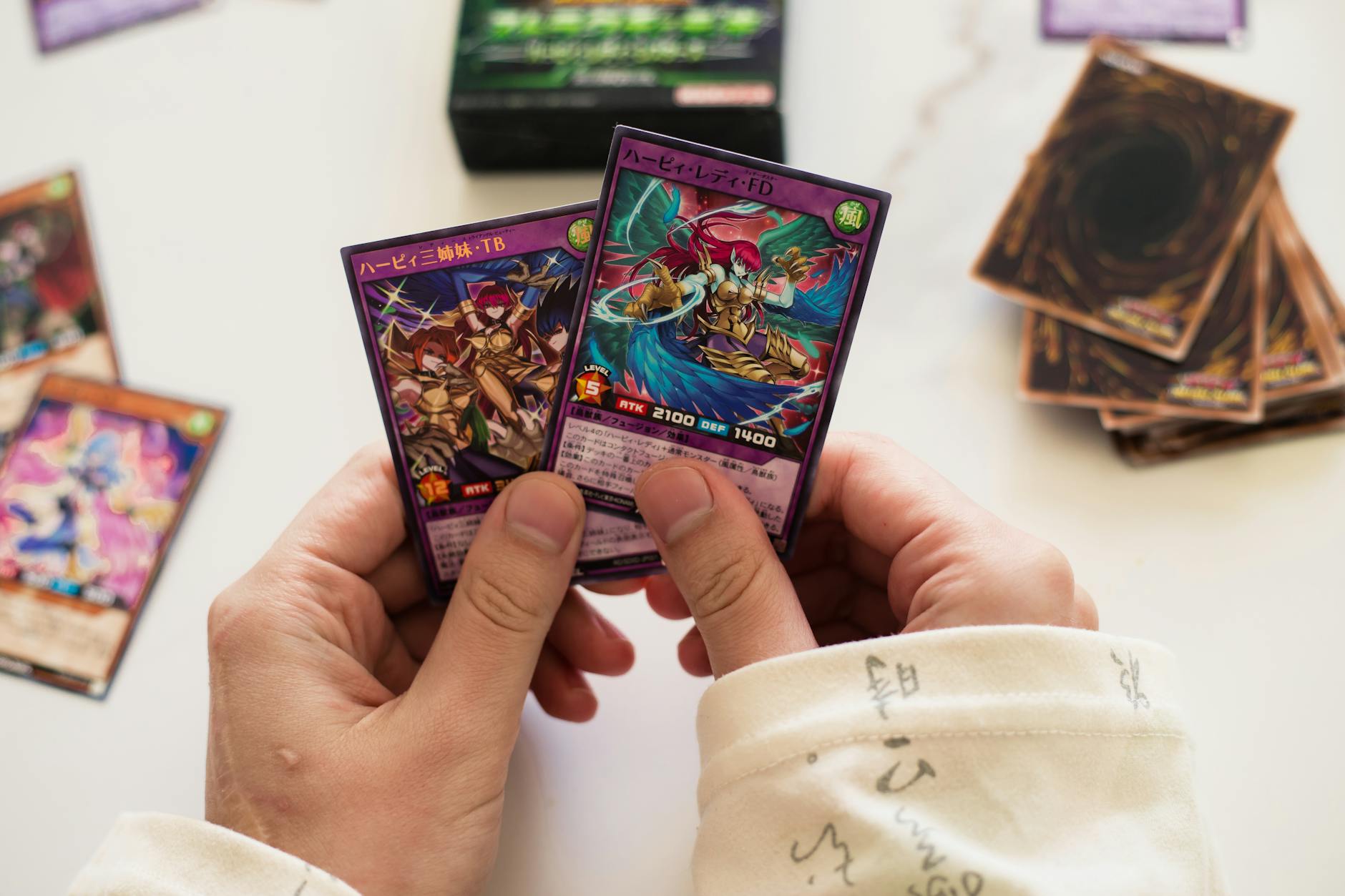
The TCG market’s expansion to $21.05 billion by 2034 isn’t solely driven by Pokémon, but Pokémon’s status as the dominant franchise means creator activity in Pokémon directly influences broader sector trends. When major creators focus on Pokémon TCG, it elevates the entire category in mainstream consciousness, pulling new players into trading card gaming who might have otherwise overlooked it. This benefits all TCG properties indirectly. The 30th anniversary celebration of Pokémon in 2026 gave creators unprecedented justification to feature the franchise, extending the typical content calendar and sustaining interest beyond what seasonal launches normally achieve.
Cross-category creator influence also matters. The success of the Pokémon LEGO collaboration—which sold out in pre-orders and maintained strong secondary market demand—shows that creator enthusiasm extends beyond traditional card products into adjacent collectibles categories. When creators unbox and review Pokémon LEGO sets alongside TCG products, they’re building a broader collectibles narrative that benefits multiple product lines. This ecosystem effect means that a creator’s influence on one product category often spills over into others, creating compound growth in overall collector spending.
The Future of Creator-Driven Set Demand
As the creator ecosystem matures, differentiation will become critical. The earliest creators to focus on high-end Pokémon collecting benefited from novelty and first-mover advantage; today’s landscape includes hundreds of creators at various scales covering TCG products. This saturation means that raw views alone won’t guarantee the same market impact. Creators who survive in this space will be those who offer genuine insight—whether through detailed analysis, competitive expertise, or entertainment value that transcends product coverage. This shift favors creators with staying power and credibility over those chasing momentary trends.
The 30th anniversary celebration of Pokémon provided a peak opportunity for creator coverage in 2026, but future anniversaries won’t arrive for decades. The Pokémon Company will need to create compelling new sets and mechanics that attract creator attention organically, rather than relying on calendar-based milestones. For collectors, this means watching how creator interest evolves once the anniversary hype fades. Sets that remain viable without creator coverage will be those with genuine mechanical depth, artistic merit, or competitive relevance. Creators will continue to shape short-term pricing, but long-term value flows to sets with fundamentals that outlast viral moments.
Conclusion
Content creators have become an indispensable force in driving Pokémon TCG set demand, with measurable impact on both availability and pricing. Influencer collaborations consistently produce 15% sales spikes, and viral coverage from digital celebrities can exhaust retail stock and elevate secondary market prices within days. However, this influence is most powerful in the short term—the first weeks after a set’s release when hype is freshest and inventory is tightest. Collectors who understand this dynamic can benefit from creator coverage without being victimized by it, by distinguishing between temporary hype-driven premiums and sustainable value.
The broader context matters too. The global TCG market’s expansion to $21.05 billion by 2034 is partly fueled by creator enthusiasm making card collecting accessible and exciting to mainstream audiences. But as creator coverage becomes more common and the initial novelty fades, the fundamental qualities of sets—print run, artwork, competitive viability, and design innovation—will ultimately determine lasting value. Smart collectors follow creators for insights and entertainment, but make purchasing decisions based on their own research and long-term collecting goals. The future belongs to creators who offer genuine expertise and to collectors who use that expertise wisely.
You Might Also Like
- Some Collectors Are Starting From Scratch With New Sets
- Pokémon GO Events Are Driving Engagement Spikes
- Players Are Preparing For New Battle Mechanics