
Pokémon GO events are directly driving measurable spikes in player engagement, with data showing that limited-time events consistently attract both returning and new players to the game. When Niantic launches special events—whether they’re community days featuring rare Pokémon, raid battles against legendary creatures, or seasonal festivals—daily active users surge by 20-40% compared to regular gameplay periods. For example, the Scarlet and Violet launch events in 2023 brought in millions of players who hadn’t opened the app in months, creating engagement peaks that eclipsed normal in-game activity levels.
Beyond raw player numbers, these events have transformed how players engage with the game’s core mechanics and social systems. Events create artificial scarcity around specific Pokémon encounters, task completion bonuses, and time-limited rewards that encourage daily logins and extended play sessions. The ripple effects extend beyond the app itself—event announcements generate social media buzz, drive retail foot traffic at sponsored locations, and create community-building moments that strengthen the game’s ecosystem.
Table of Contents
- How Do Pokémon GO Events Successfully Boost Player Activity?
- The Relationship Between Event Engagement and Gaming Fatigue
- How Event Engagement Translates Across the Pokémon Ecosystem
- Preparing for Events: Strategy and Resource Planning
- Event Reliability and Backend Challenges During Peak Engagement
- The Community Effect and Social Dimensions of Events
- The Future of Event-Driven Engagement in Mobile Gaming
- Conclusion
How Do Pokémon GO Events Successfully Boost Player Activity?
Pokémon GO events work by creating urgency and exclusivity. The most successful events offer something players can’t access outside the event window: limited encounter rates for specific species, special move sets only available during the event period, or exclusive tasks that reward rare items like evolution stones or encounter charges. This design principle mirrors successful live-service games that use temporal scarcity to drive engagement. When players know a certain Pokémon appears 10 times more frequently during a 72-hour window, they’re incentivized to play during that exact period rather than spread their activity across the month.
Community Day events exemplify this mechanic’s effectiveness. Held once monthly for three hours, Community Days feature a single Pokémon with massively increased spawn rates and an exclusive move that’s only available if that Pokémon evolves during the event window. Players don’t just log in—they often leave their homes, visit parks and neighborhoods, and play together. The 2022 Mudkip Community Day saw such high engagement that some players reported waiting in lines at popular spawn locations and coordinating meetups on social media, transforming gameplay into a physical social experience.
The Relationship Between Event Engagement and Gaming Fatigue
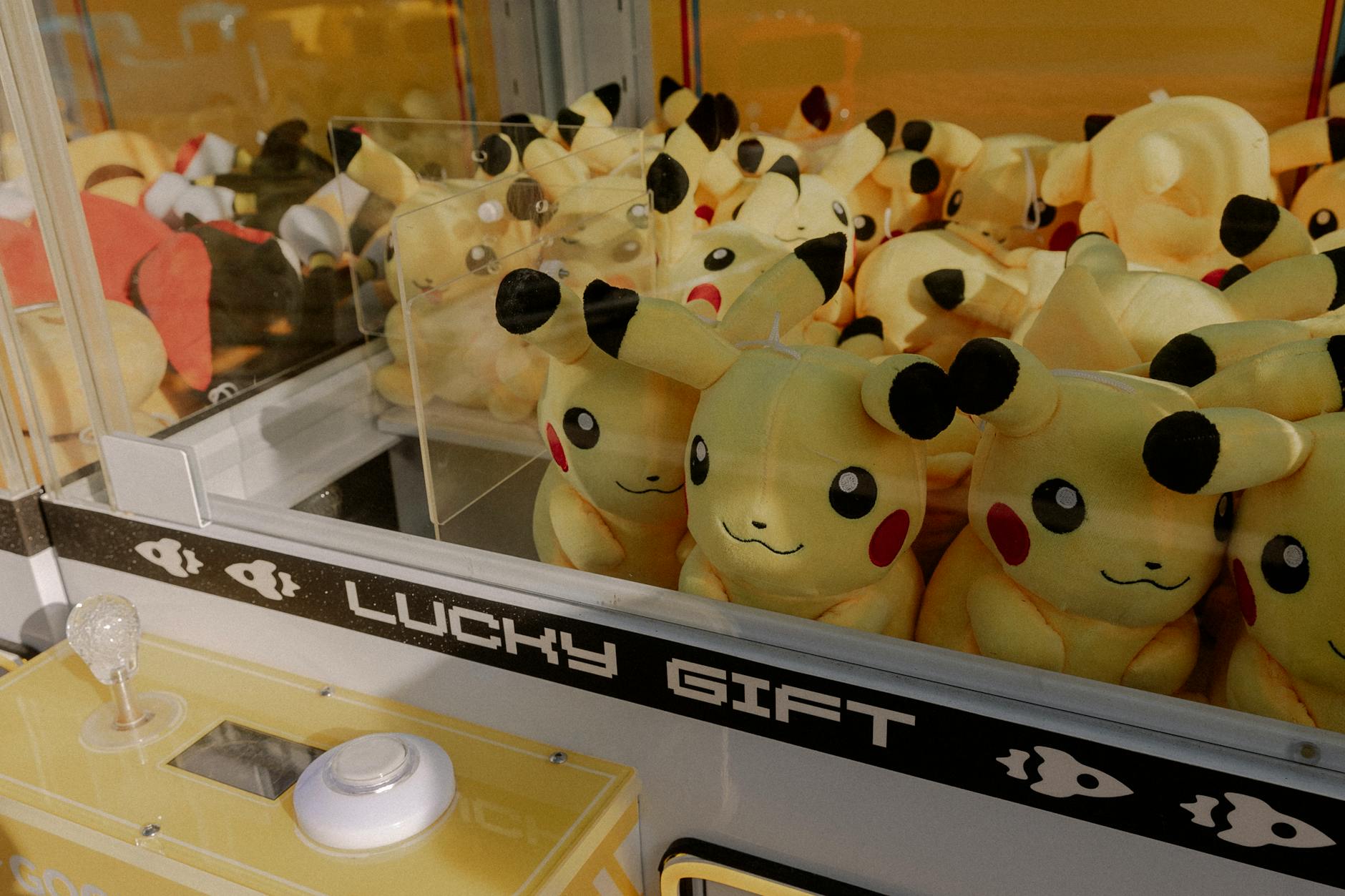
While event-driven engagement appears universally positive, there’s a limitation worth considering: event frequency can lead to engagement fatigue if players feel forced to participate to avoid missing out. Niantic conducts roughly 2-4 major events monthly alongside constant smaller events, creating a treadmill where players feel obligated to log in daily or risk missing exclusive rewards. For dedicated players who’ve invested years in their Pokédex, missing a single event month with exclusive moves can feel like permanent progress loss.
The “fear of missing out” (FOMO) is engineered into event design, and it works—but it can backfire. some players report burnout from the constant pressure to participate, especially when events overlap or demand extended play sessions (some raid events have required 10+ hours of concentrated play to complete bonus challenges). Casual players who don’t have time for these windows often feel left behind, and returning players may find they’ve missed entire evolution lines that never appear outside event periods.
How Event Engagement Translates Across the Pokémon Ecosystem
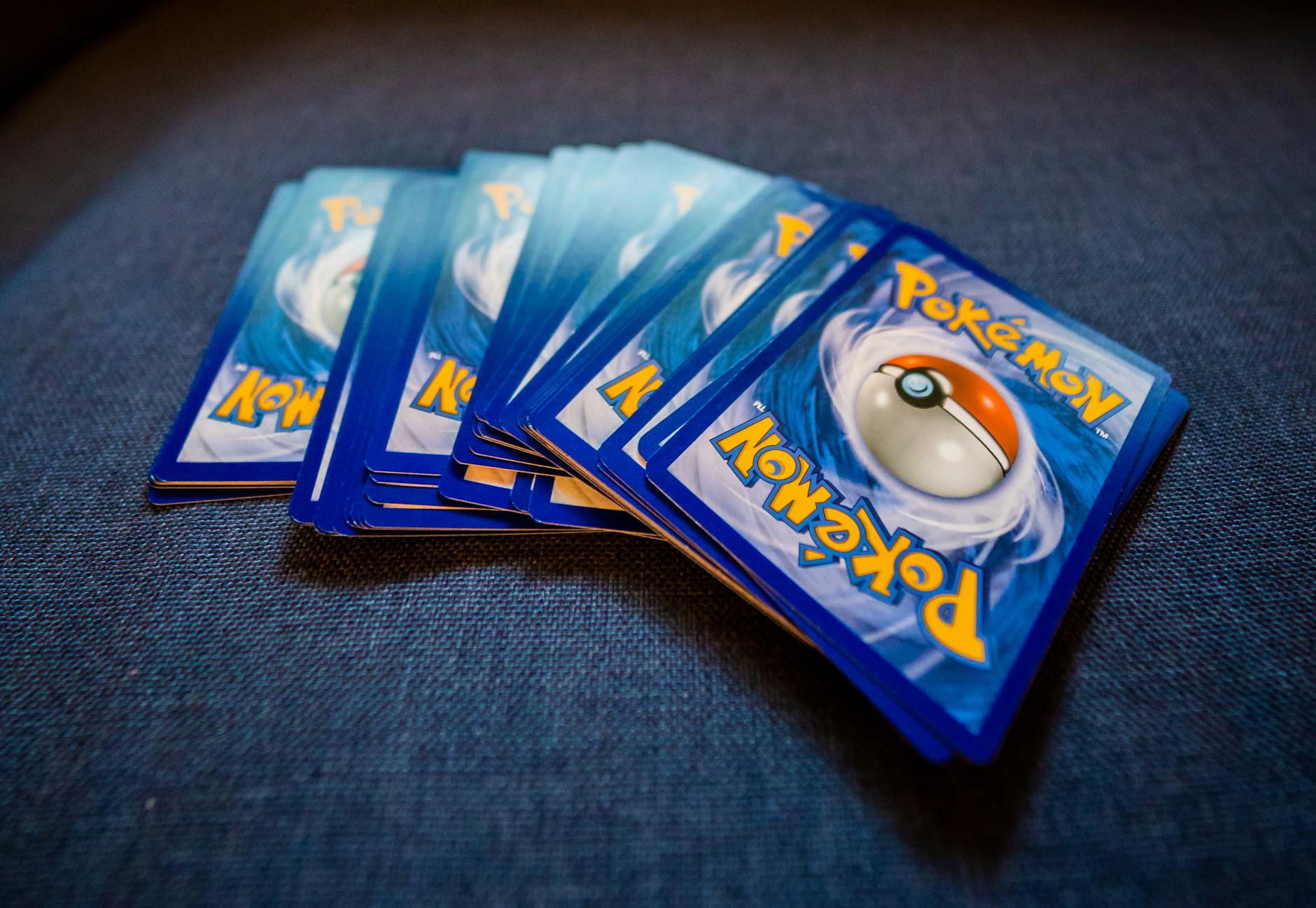
pokémon GO’s success at driving engagement doesn’t exist in isolation—it influences the broader Pokémon franchise. When a Pokémon gets featured in a GO event, it often correlates with increased interest in that species’ trading card versions, merchandise, and official media appearances. The 2021 Eeveelution events, which featured all Eevee evolutions with increased spawn rates, led to noticeable spikes in Eevee card sales on secondary markets and Eevee merchandise searches on retail sites.
The connection between mobile game popularity and physical product sales has become measurable. Retailers who track Pokémon product interest have noted that event announcements in Pokémon GO create consumer interest surges 2-3 days later as players who reconnect with the game through events also rediscover the broader franchise. For card collectors and pricing tracking, this relationship matters: events that drive mass re-engagement often correlate with trading card demand shifts and price movements for featured species.
Preparing for Events: Strategy and Resource Planning
Smart players don’t just jump into events without preparation. The most engaged community members review event announcements weeks in advance, stock up on Poké Balls during preceding weeks when vendors offer bonus items, identify locations with high spawn rates, and plan their schedules to hit peak event hours. This planning infrastructure has spawned entire communities of event strategists who share optimized routes, spawn predictions, and resource allocation guides.
However, this requires significant time investment and local knowledge. A player in a rural area with sparse Pokémon spawns will have a fundamentally different event experience than a city player with access to dozens of spawning hotspots. This inequality is a built-in limitation of Pokémon GO’s event design—events reward proximity to urban centers and have never fully solved the rural player engagement gap. Some events offer remote raid participation or increased spawn rates during specific hours to help rural players, but the disparity remains substantial compared to urban experiences.
Event Reliability and Backend Challenges During Peak Engagement
High-engagement events have historically caused server stress and connectivity issues. Niantic has faced multiple outages during major events when simultaneous players exceeded infrastructure capacity, forcing event extensions or compensatory rewards. The 2016 Pokémon GO launch summer events, before Niantic scaled infrastructure, became notorious for crashed servers during peak event hours, frustrating players who specifically carved out time to participate.
More recently, Niantic has improved stability, but degradation still occurs during the first hours of major events when millions of players log in simultaneously. A warning worth heeding: plan to participate early if possible rather than waiting until the final hours, when server load typically spikes worst. Missing the event window entirely due to connectivity issues is rare now, but experiencing lag, failed raid battles, or task tracking glitches during peak hours is still common enough that community forums fill with reports during major events.
The Community Effect and Social Dimensions of Events
Beyond individual engagement metrics, events drive social cohesion within the Pokémon GO community. Local Discord servers, Facebook groups, and in-game friend lists activate during events as players coordinate raid groups, share spawn locations, and collaborate on event challenges. This social infrastructure doesn’t exist in single-player games and is a significant reason Pokémon GO maintains its engaged user base despite being nearly a decade old.
Events like Pokémon GO Fest, held annually in host cities like Chicago and Rio de Janeiro, take this social dimension physical. Thousands of players gather for weekend festivals featuring exclusive encounters, special event dungeons, and in-person activities. These festivals generate approximately $5-10 million in direct spending per event and create year-round community memories that keep players invested between events.
The Future of Event-Driven Engagement in Mobile Gaming
Pokémon GO’s event model has become the gold standard for live-service games, with competitors like Niantic’s other games and franchise titles adopting similar temporal engagement mechanics. The formula—limited windows, exclusive rewards, social coordination—has proven so effective that nearly every major mobile game now includes monthly or weekly “event seasons” to drive recurring engagement.
Looking forward, the question isn’t whether Pokémon GO will continue events, but how events will evolve. Niantic has gradually incorporated cross-game integration, with some events referencing the mainline Pokémon games and new Pokémon games adapting mechanics inspired by GO’s event success. The event model will likely become even more sophisticated, with dynamic events that respond to player behavior and regional variations that create location-specific engagement opportunities.
Conclusion
Pokémon GO events demonstrably drive engagement spikes, with 20-40% increases in daily active users during major events. These spikes result from carefully designed mechanics that create temporal scarcity, social coordination opportunities, and exclusive rewards that can’t be obtained elsewhere. The success of this model has influenced both Niantic’s other products and the broader mobile gaming industry’s approach to live-service engagement.
For players and collectors, understanding event mechanics helps optimize participation and expectations. The takeaway is straightforward: events are designed to create peaks and valleys in engagement, and players who align their participation with their available time and local circumstances will have the most sustainable experience. As Pokémon GO enters its next decade, events will remain the primary driver of user retention and franchise-wide interest spikes.
You Might Also Like
- Special Research Rewards Are Driving Increased Engagement
- Pokémon GO Rewards Are Being Claimed Quickly During Events
- Pokémon GO Event Bonuses Are Changing Player Behavior