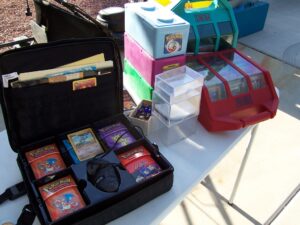
Why Pokemon Card Listings Are Not the Same as Sold Comps
Learn to match exact cards, filter weak sales data, and turn sold results into a realistic Pokémon card value range.
Read more →Learn to match exact cards, filter weak sales data, and turn sold results into a realistic Pokémon card value range.
Read more →
Build a defensible Pokémon card price range from near-comps, condition adjustments, and verified sold listings.
Read more →
Learn how filters, shipping, outliers, and low sales volume can separate a Pokémon card's Market Price from its last sale.
Read more →
Learn when Pokémon card sales stop reflecting today's market and how to adjust older comps without overpricing.
Read more →
Separate quick-sale value from patient retail pricing by judging sale format, card match, visibility, and outliers.
Read more →
Turn auction fees, condition notes, and comparable sales into a defensible all-in bid ceiling.
Read more →
Learn how demand, grading patterns, and completed sales reveal whether a low-pop Pokémon card deserves a premium.
Read more →
Learn to read grade counts, spot misleading low populations, and judge when the data supports a card decision.
Read more →
Learn which visual differences can separate prices for Pokémon cards carrying the same professional grade.
Read more →
Learn which scratches threaten a Gold Star card's grade and how to inspect the foil safely before submitting it.
Read more →
Learn when authentication and protection justify grading costs—and when a damaged Gold Star is better kept raw.
Read more →
Learn which print, foil, edge, and layout details reveal fake or altered Pokémon Gold Star cards before buying.
Read more →
Learn how rarity, character demand, condition, and comparable sales make Gold Star Rayquaza a high-end market reference.
Read more →
Use this 10-release checklist to identify all 27 original English Gold Stars and avoid confusing later printings.
Read more →
Find the identifying star, distinguish it from the rarity mark, and avoid relying on its location alone to authenticate a card.
Read more →
Learn to separate true card-and-grade scarcity from temporary shortages before judging a Pokémon card's price.
Read more →
Use reprint risk, buyer motives, play rotation, population data, and completed sales to test whether demand can outlast hype.
Read more →
Learn to separate seller expectations from completed sales before buying, listing, or valuing a Pokémon card.
Read more →
Learn how to test a claimed Pokémon card price floor using sales, volume, condition, scarcity, and supply risk.
Read more →
Verify a Pokémon card price retrace using comparable sales, volume, condition, grade, and supply context.
Read more →