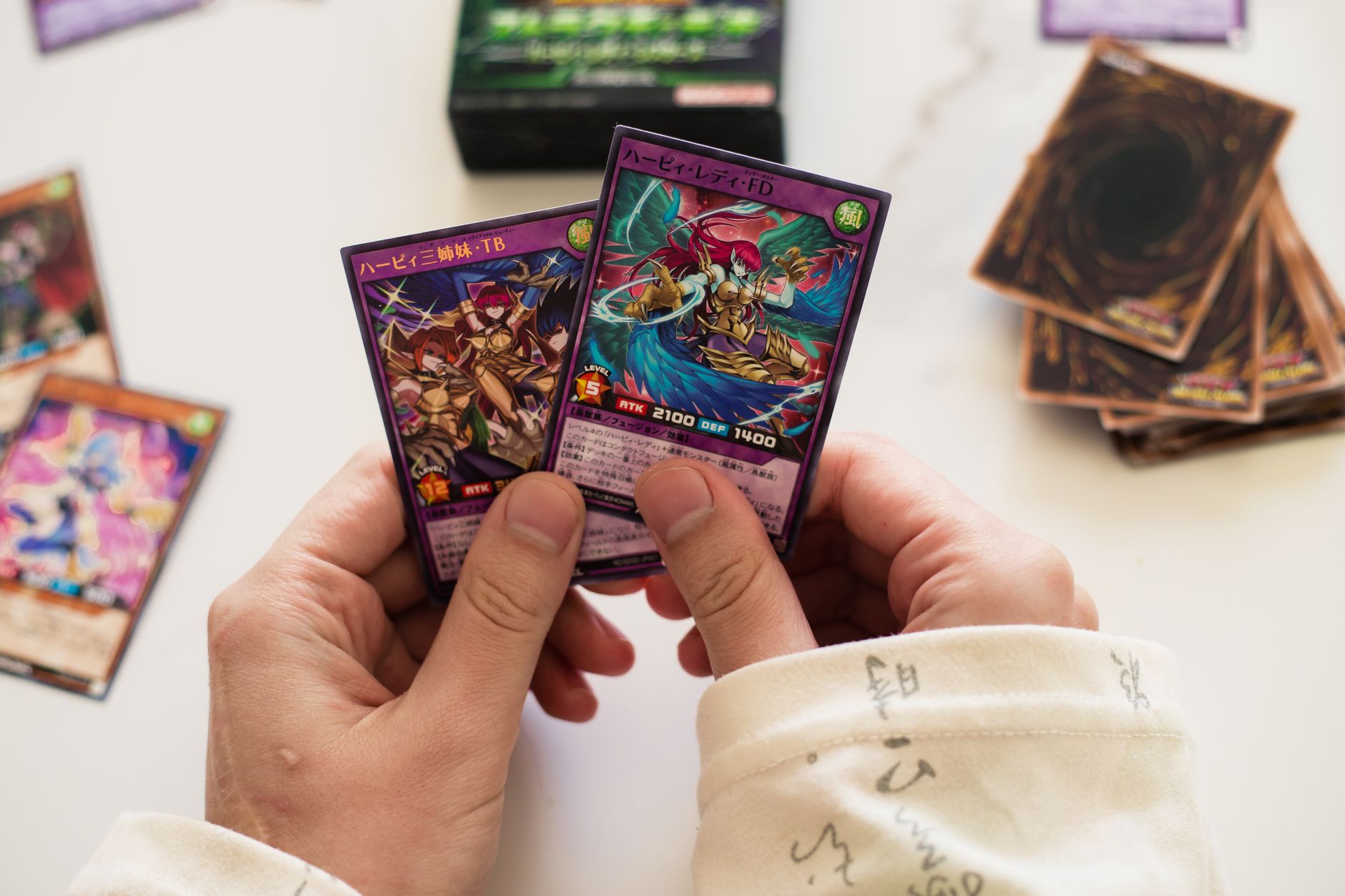
In Pokémon card pricing, a low graded population means few copies appear in a grader's census at a particular grade, limiting visible supply. When many willing buyers chase those copies, competition can push prices sharply higher—but no universal formula makes that outcome automatic. Price depends on the exact card, grade, available copies, and active buyers. Scarcity without demand may produce few sales, while strong demand for abundant cards may not create lasting price pressure.
Table of Contents
- What Does a Low Population Actually Measure?
- How Does Demand Turn Scarcity Into Price Pressure?
- What Does the Pikachu Illustrator Record Prove?
- Can Reprints Reduce the Scarcity Premium?
- How to Evaluate a Low-Population Card
What Does a Low Population Actually Measure?
A population report counts cards graded by a particular company at each grade. It does not reveal how many ungraded copies exist, how many another company graded, or how many survive altogether. Original supply and graded population are different forms of scarcity.
Heritage Auctions reports that only 39 Pikachu Illustrator cards were distributed across three contests, establishing limited original supply before condition enters the discussion. Heritage Auctions documented the contest distribution Grade can make an already scarce card much harder to replace. Compare the population for the exact card and grade rather than relying on the set's total population or the card's overall reputation.
How Does Demand Turn Scarcity Into Price Pressure?
Demand means more than widespread interest. Buyers must be willing and able to compete for the copies available at a particular time. The buyer pool includes players, collectors, and investors. Axios reported that nearly one in five adults bought Pokémon cards for themselves, while only one quarter played the game.
Axios cited Circana's findings on collector demand When several committed buyers pursue one available copy, bidding can rise until all but one withdraw. A low population magnifies that competition because losing bidders may not know when another comparable copy will appear. Demand can also be narrow. A popular character, rare grade, or exceptional card may attract intense competition even when nearby grades or related cards sell for much less.
What Does the Pikachu Illustrator Record Prove?
The strongest example is Logan Paul's 1998 Pikachu Illustrator. PSA lists it as Gem Mint 10 with a population of one and reports its February 2026 Goldin sale at $16.492 million. PSA provides the grade, population, and sale record That result shows what can happen when top-grade scarcity meets extraordinary bidder interest.
It does not establish a multiplier that collectors can apply to every population-one card. A population of one describes supply within that grader and grade. It does not guarantee multiple buyers, repeatable auction results, or the same price if the card returns to market.
Can Reprints Reduce the Scarcity Premium?
Reprints can increase the supply of affected modern products. The Pokémon Company said very high demand had limited availability for some products and that it was printing at maximum capacity and reprinting impacted products. Pokémon Support explains its availability response That response can ease a sealed-product shortage.
It cannot create more copies of an old contest prize or increase the number already qualifying for a scarce top grade. Collectors should therefore separate product scarcity from card-and-grade scarcity. A difficult-to-find box may become easier to buy after reprints, while an older prize card remains unaffected.
How to Evaluate a Low-Population Card
Start with evidence tied to the exact version. Do not substitute asking prices, another language, a different grading company, or a nearby grade without accounting for the difference. Use this sequence: If a population report looks impressive but completed sales show little competition, treat the card as scarce—not necessarily valuable.
- Confirm the exact card, set, language, variation, grader, and grade.
- Check the population at that grade and the number graded higher.
- Review recent completed sales, noting auction dates and sale conditions.
- Look for multiple active buyers rather than one ambitious asking price.
- Decide whether scarcity comes from the card itself, its grade, or temporary product availability.
You Might Also Like
- How to Separate Pokemon Card FOMO From Durable Collector Demand
- What Pokemon Card Collectors Mean by a Price Retrace
- Pokemon Card Price Floor Explained: Useful Signal or Collector Myth?