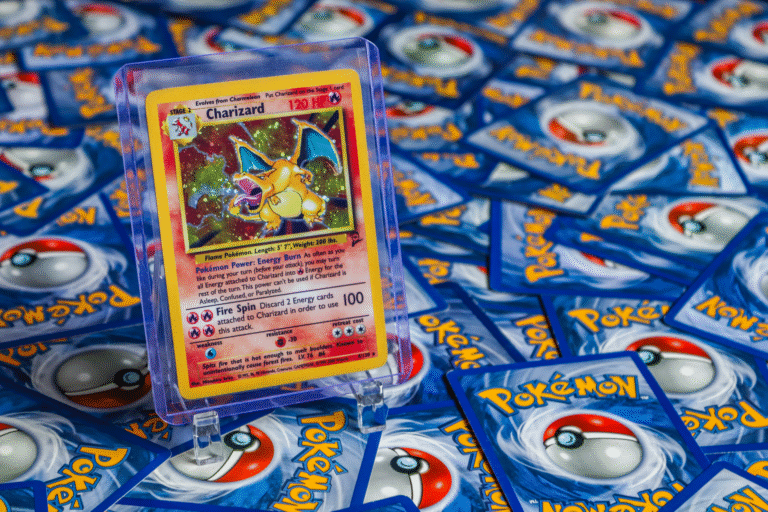
Most misprint Pokemon cards are collector curiosities with minimal financial value, but a select few have proven themselves as legitimate investments capable of generating extraordinary returns. The clearest example is a PSA 10 Prerelease Raichu that sold for $550,000 at Heritage Auctions in late 2025, becoming one of the highest-priced English Pokemon cards ever auctioned. This card exists because an accidental “Prerelease” stamp appeared on Base Set Raichu cards during a Clefable print run—only 8-11 copies are believed to have slipped through quality control. The $550,000 price tag wasn’t driven by nostalgia or speculation; it was determined by extreme scarcity, documented authentication, and the intersection of Pokemon popularity with printing error rarity.
The investment distinction hinges on three factors: scarcity (how few copies exist), authentication (graded certification from reputable firms), and market demand (which Pokemon and which era). A misprint card sitting in a collection drawer with no grading and hundreds of known copies will likely never appreciate. A properly graded error on a beloved Pokemon from the late 1990s or early 2000s, with only a handful of known specimens, can command five or six figures at auction. Understanding which category your cards fall into is the difference between holding a genuine investment and owning a novelty.
Table of Contents
- What Makes a Misprint Card an Investment versus a Curiosity?
- Record-Breaking Sales and the Authenticity Premium
- Modern Errors versus Vintage: Understanding the Market Tier
- How to Evaluate Misprint Investment Potential
- The Grading and Authentication Challenge
- Corrected Versus Uncorrected Errors: The Production Factor
- Market Volatility and the Future Outlook for Misprint Collecting
- Conclusion
- Frequently Asked Questions
What Makes a Misprint Card an Investment versus a Curiosity?
The line between investment and curiosity is defined by scarcity and verifiability. Investment-grade misprints meet three criteria: fewer than 50 known copies exist (ideally far fewer), they have been authenticated and graded by a reputable third party like PSA or CGC, and they feature a pokemon with strong collector demand. The $550,000 Prerelease Raichu meets all three. Conversely, a misprint that exists in hundreds of copies, has never been professionally graded, or involves an obscure Pokémon like Shellder will almost certainly remain a curiosity—valued by that individual collector but offering no path to appreciation or resale at a meaningful premium.
Volatility reveals the thin difference between investment and speculation. According to data from misprint tracking communities, prices for misprint cards can swing 99% or more in short timeframes. A misprint card valued at $100 one day might drop to $2 within days as market sentiment shifts or similar errors surface. This isn’t the behavior of an investment asset; it’s the behavior of a speculative collectible with unpredictable demand. True investments—the ultra-rare, heavily authenticated cards—show more stability because their rarity and documentation create a durable floor.
Record-Breaking Sales and the Authenticity Premium
Three sales illustrate the upper tier of misprint value. The PSA 10 Prerelease Raichu at $550,000 remains the flagship example of an error card reaching six-figure territory. At Heritage Auctions, a test print English pokemon card bearing the back of a Magic: The Gathering card sold for $324,000—only three copies of this particular variant are known to exist, making it exponentially rarer than the Raichu. A 2007 Mew error card valued at approximately $20,000 shows that investment-grade misprints exist across multiple eras, not just Base Set. Each of these sales shared one trait: professional grading and certification that confirmed authenticity and condition.
The authentication piece cannot be overstated. Misprints are increasingly becoming targets for counterfeiters, as interest in error cards grows and prices climb. The counterfeiting risk is real and emerging—high-value misprints are now being faked with enough sophistication to fool casual collectors. This is precisely why PSA, BGS, and CGC grading has become nearly mandatory for investment-tier misprints. The grading cost (typically $50–$500 depending on card value and service tier) is almost always worth the investment, because it provides the provenance and authentication that justifies the asking price and enables future resale at the premium value.
Modern Errors versus Vintage: Understanding the Market Tier
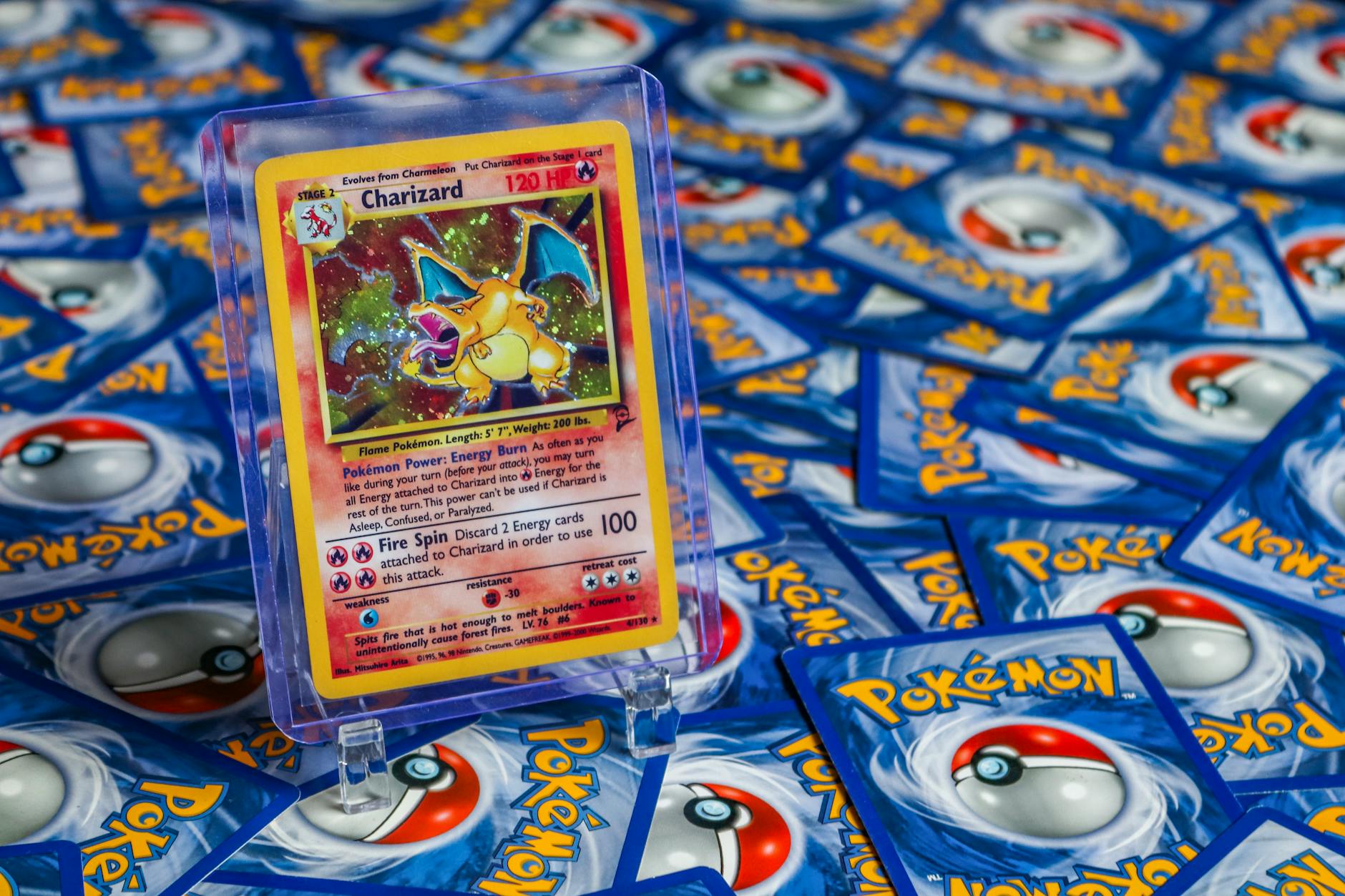
Vintage WOTC-era error cards (1999–2001) command significantly higher prices than modern misprints, largely because print runs were smaller and error detection processes were less automated. A printing error on a Base Set Charizard from 1999 is worth orders of magnitude more than a similar error on a 2020s card. The 1999 error slipped through manual quality control in limited quantities; the 2020s error likely exists in hundreds or thousands of copies before detection and correction. Modern printing technology and quality assurance have made serious misprints rarer than they were in the early TCG era, though they still occur.
Prismatic Evolutions, released in 2025, has produced what collectors describe as “the most errors and most interesting errors of any modern set,” with new textures introducing shifted holo errors and other visual defects. This influx of modern misprints may eventually produce investment-grade cards, but for now, most are still appreciating slowly or remaining flat in value. The long-term trajectory is uncertain. Collectors gambling on modern misprints are betting that today’s novelties will become tomorrow’s rarities—a possibility, but far less certain than buying already-scarce vintage errors with three decades of price history behind them.

How to Evaluate Misprint Investment Potential
The Pokemon on the card is the single largest variable in misprint valuation. Errors on iconic, popular Pokemon—Charizard, Pikachu, Raichu, Blastoise—command multiples higher than errors on forgettable creatures. A Charizard misprint with 20 known copies will vastly outprice an equally rare Pidgeot misprint. This isn’t rational in a pure rarity sense (both have 20 copies), but it reflects genuine collector demand. Rarity alone is not enough; you need rarity plus desirability.
Scarcity thresholds vary by era. For WOTC-era cards, fewer than 15 known copies is a strong indicator of investment potential, assuming the card is graded and depicts a collectible Pokemon. For modern cards, that threshold doesn’t yet apply because the long-term demand pattern is unknown. You can compare a modern misprint with 50 known copies to a vintage misprint with 5 known copies and see the gap in value maturity. The vintage card has had decades to establish its scarcity narrative; the modern card is still an emerging story.
The Grading and Authentication Challenge
PSA grades command the highest premiums for WOTC-era errors, a legacy of PSA’s dominance in that market segment during the original collecting boom. CGC has been gaining ground, particularly for modern errors, and their gradings are increasingly accepted by serious collectors and auction houses. BGS (Beckett Grading Services) holds a smaller but loyal following. What matters is that the card is graded by one of these three firms—not by unknown or regional graders, which add little value. The condition rating affects value dramatically.
A PSA 9 Prerelease Raichu sells for less than a PSA 10; the jump in price is often non-linear. Higher grades are exponentially more valuable because they indicate the card survived decades without wear, fading, or staining. For misprints with few known copies, condition variation can determine whether the card qualifies as investment-grade or remains a mid-tier collectible. This is why re-grading services exist: if you believe a card in a PSA 8 holder is actually a 9 or 10, the cost of cracking it and resubmitting can be justified by the potential gain. Proceed with caution, though—cracking and resubmitting is also where many collectors lose money on failed gambles.
Corrected Versus Uncorrected Errors: The Production Factor
When a printing error is discovered mid-production, publishers face a choice: halt the run and correct the error (short-run error cards), or continue printing the error until supplies run out (uncorrected error cards). Corrected errors typically command higher prices because they were caught quickly, resulting in fewer copies reaching circulation. Uncorrected errors remained in production longer, meaning more copies exist in the wild, reducing individual card value. This distinction directly affects whether a misprint card appreciates or stagnates.
The Base Set Prerelease Raichu is an uncorrected error that was caught too late—the wrong stamp was applied, printing continued, and by the time the mistake was noticed, 8-11 copies had already entered the supply chain. The mistake was never corrected during the original print run; it became a historical artifact. This rarity (not by correction, but by fortunate early detection of a batch that shouldn’t have been printed) is what drives value. Compare this to an error that was caught after 500 copies printed and corrected immediately; far more copies exist in the wild, and investment potential evaporates.
Market Volatility and the Future Outlook for Misprint Collecting
The 99% price swings documented in misprint markets reveal a speculative rather than stable investment environment. When a new batch of misprints from a rare set surfaces at auction, prices can spike temporarily. When counterfeit versions begin circulating, or when a grading company downgrades a card’s authentication, prices crater. This volatility is the cost of investing in an illiquid, specialist market with limited transaction history. Compare it to rare baseball cards or vintage coins, which have deeper markets and longer price documentation—misprints lack that historical stability.
Prismatic Evolutions has reintroduced the possibility of modern errors becoming future investments. If specific error variants from that set remain scarce, are properly graded, and receive sustained collector interest over the next 5-10 years, some may eventually reach five-figure values. But this is speculative. Most modern misprints will likely remain novelties or affordable curiosities, worth $10–$500 to specific collectors but not appreciating further. The investment thesis for modern misprints requires patience, selective buying of the rarest variants, and acceptance that you may be holding speculative inventory for years before any potential payoff.
Conclusion
Misprint Pokemon cards occupy two distinct markets. Rare, authenticated errors on popular Pokemon from the WOTC era have proven themselves as genuine investments, with some reaching six-figure auction prices and maintaining or growing value over decades. The PSA 10 Prerelease Raichu at $550,000 is the ceiling, but even five-figure errors are not unusual for cards meeting the rarity, grading, and desirability criteria. For most collectors, however, misprints are collector curiosities—fun variations to pursue, trade, and discuss, but without meaningful investment potential.
The difference is scarcity (usually fewer than 15 known copies), professional grading, and Pokemon popularity. If you’re evaluating a misprint in your collection, ask three questions: How many copies are confirmed to exist? Has it been graded by PSA, CGC, or BGS? Does the featured Pokemon have mainstream collector demand? If all three answers are favorable, you may hold an investment asset. If any answer is uncertain or negative, treat it as a collectible curiosity—valuable to you personally, but not a financial asset. Even then, having it professionally graded is worth the cost, because authentication is the foundation of any future resale, whether the card appreciates or not.
Frequently Asked Questions
Can I invest in modern misprints like those from Prismatic Evolutions?
Possibly, but with significant uncertainty. Modern misprints are emerging as potential collector assets, but their long-term value trajectory is unproven. Only the rarest variants (fewer than 50 known copies, preferably fewer than 20) have any reasonable chance of appreciating. Most modern misprints will likely remain low-value curiosities.
How much does grading cost, and is it worth it for a misprint I think is valuable?
PSA grading ranges from $50–$500 depending on card value and turnaround time. For a misprint you believe is investment-grade (ultra-rare, iconic Pokemon, good condition), grading is almost always worth the cost. For a common misprint, grading fees will exceed any potential gain.
What’s the difference between a misprint and a printing defect everyone’s card has?
True misprints are errors that affected only a fraction of a print run—wrong stamp, card back variant, shifted hologram. Common printing defects (slight color variation, minor centering issues) affect thousands or millions of cards and have no special value. The rarer the error, the more investment potential.
Is counterfeiting a real risk for misprints I own?
Yes. As misprint values climb, counterfeits are increasingly entering the market. Professional grading from PSA, CGC, or BGS is the only reliable protection. Never buy ungraded high-value misprints, especially from unfamiliar sellers.
Why does the same misprint card sometimes cost $100 and sometimes $20?
Misprint markets are highly illiquid and speculative. Price depends on who’s selling, current collector sentiment, whether similar cards recently sold, and market hype cycles. Don’t expect misprint prices to be stable—99% swings are documented and real.
Should I hold misprints as long-term investments or flip them for quick profit?
True investment-grade misprints (ultra-rare WOTC-era errors) appreciate slowly over years and decades. Flipping for quick profit is speculative and risky in a thin market. Modern misprints are too new to have proven appreciation, so holding them is a bet on future demand. Decide based on your risk tolerance and collecting timeline.