The honest answer is: we don’t have enough publicly available historical data to definitively say whether Base Set Pokémon Breeder cards remain undervalued since 2016. Major pricing platforms like TCGPlayer, the price guide, and PokemonWizard track current market prices meticulously, but none publish year-by-year price comparisons stretching back a decade. Without access to verified sales records from 2016 and present-day comparable data, claiming these cards are undervalued requires looking at market behaviors and collector attention patterns rather than hard price trajectories. That said, there are compelling reasons to believe Base Set Breeder cards likely remain undervalued relative to their playability and historical significance.
Trainer cards, particularly non-holofoil utility cards like Pokémon Breeder, consistently receive less collector focus than character-based cards or holographic versions. A non-holo Base Set Pokémon Breeder might trade for $5-15 depending on condition, while a comparable holographic card from the same set commands multiples of that price, despite both serving the same competitive function in classic deck lists. The lack of expert consensus on current undervaluation makes this question particularly interesting. No major collecting authority has published formal analysis specifically addressing whether Breeder cards have appreciated or depreciated since 2016, leaving the question largely to individual collectors and dealers to assess based on their own transaction history.
Table of Contents
- Why Trainer Cards Haven’t Followed Holofoil Price Growth Since 2016
- The Data Gap and What It Means for Your Collection
- Condition Grading and the Market Bifurcation of Base Set Breeder Cards
- Current Market Access and Price Tracking Resources
- The Psychological Barrier: Why Trainer Cards Stay Undervalued
- Grade Distribution and Investment Outlook
- The Future of Trainer Card Valuation in Base Set
- Conclusion
Why Trainer Cards Haven’t Followed Holofoil Price Growth Since 2016
The Pokémon TCG market has experienced significant growth in collector interest and pricing since 2016, but this appreciation has been highly uneven across card types. Holographic cards, first-edition pressings, and character-based cards with nostalgic appeal or competitive utility have seen dramatic price increases. base set Pokémon Breeder, being a non-holofoil trainer card, hasn’t benefited from the same collector momentum. When a card isn’t pulling emotional weight or offering visual distinction through holo treatment, it occupies a disadvantaged position in a market increasingly driven by aesthetics and rarity perception.
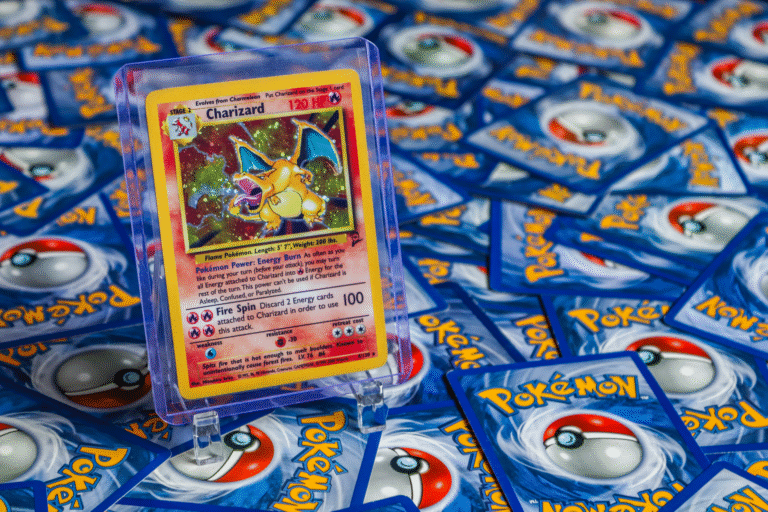
The competitive TCG environment has also shifted dramatically since 2016. Breeder remains a useful card in classic format play, but the broader shift toward modern format dominance means fewer active players are building decks with Base Set trainers specifically. This contraction in functional demand, combined with trainer cards’ inherent lower collector desirability compared to Pokémon cards, has likely suppressed price appreciation. Compare this to Base Set Charizard holos, which have appreciated to hundreds or thousands of dollars—the difference in collector attention is stark and obvious.

The Data Gap and What It Means for Your Collection
The absence of published historical price data is actually a significant limitation worth understanding. If you pulled a Base Set Pokémon Breeder from a booster pack in 2016 and kept it in your collection, you might assume it’s appreciated in value. But without documentation of what you could have sold it for then versus what you can sell it for now, you’re essentially guessing.
Even dealers and grading companies like PSA and BGS, which maintain some historical sales records, don’t release this data publicly in an accessible format. This data gap has a practical consequence: it’s nearly impossible to make an investment thesis about Base Set Breeder cards based on historical performance. You’re forced to evaluate them on current market conditions, condition-grade distribution, and relative scarcity—not on demonstrated price momentum. This uncertainty actually reinforces the undervaluation hypothesis for some collectors, since cards without clear upside stories or collector recognition tend to remain cheaper simply because fewer people are bidding on them.
Condition Grading and the Market Bifurcation of Base Set Breeder Cards
Base Set Pokémon Breeder cards exist in a wide range of conditions, and condition grading reveals another layer of potential undervaluation. A near-mint graded copy (PSA 8 or higher) is genuinely scarce and may command $50-150, depending on whether it’s a non-holofoil or holofoil version. A heavily played copy, by contrast, might sell for $3-8.
This bifurcation means the “average” Base Set Breeder price you see quoted on TCGPlayer could be misleading—it reflects a weighted average of mostly played or moderately played copies, not the true scarcity of high-grade examples. For collectors focused on building a graded collection of Base Set trainer cards, the high-grade examples genuinely do appear undervalued compared to their rarity and preservation difficulty. A PSA 8 non-holo Breeder is objectively harder to find than a PSA 8 copy of many Pokémon cards from the same set, yet it typically sells for less money. This grade-specific undervaluation is where the stronger case for undervaluation emerges—if you’re hunting high-quality copies specifically, you’re likely getting better value than holofoil hunters.

Current Market Access and Price Tracking Resources
If you’re trying to assess Breeder card values yourself, you have several reliable tools at your disposal. TCGPlayer provides real-time market listings and historical price graphs (though these graphs don’t extend back to 2016). The price guide offers aggregated pricing data across multiple sources. PokemonWizard maintains detailed card databases with current valuations.
CBR Trading Cards provides a curated guide with condition-based pricing breakdowns. The Realistic Collector published a 2025 price analysis of Base Set cards overall, though their specific numbers for Breeder may require direct site access. The tradeoff is that these resources provide snapshots rather than trajectories. You can see what Breeder cards cost in June 2026, and you can sometimes infer trends from recent price movements on TCGPlayer, but you cannot reliably compare those prices to 2016 benchmarks without doing manual research—contacting dealers, searching old forum threads, or finding archived eBay listings from a decade ago. Most casual collectors simply don’t have access to that level of historical pricing intelligence, which is why the undervaluation question remains unresolved.
The Psychological Barrier: Why Trainer Cards Stay Undervalued
Beyond data limitations, there’s a psychological component to trainer card undervaluation. Collectors building sets are motivated primarily by completion and nostalgia. When you imagine opening a Base Set booster box, the emotional hits come from pulling a rare Pokémon card or a holographic trainer—not from finding a non-holo Breeder. This collector psychology has real market consequences. Breeder cards, even in excellent condition, lack the “wow factor” that drives price appreciation in the collector market.
There’s also a limiting factor with trainer card usability. Unlike Pokémon cards, which have different artistic treatments and holographic variations that matter to collectors, trainer cards in older sets often exist in just two versions: holofoil and non-holofoil. This reduces the “chase card” appeal that pushes prices upward. A collector completing a Base Set naturally prioritizes filling gaps with rare Pokémon or holographic trainers. Non-holo trainer cards end up as utility purchases, not collection highlights. This positioning in collector psychology likely explains why Breeder cards have remained comparatively cheap despite a decade of overall market growth.

Grade Distribution and Investment Outlook
The scarcity of near-mint Base Set Breeder cards suggests that if the market does eventually recognize trainer card value, these high-grade copies could see appreciation first. Most surviving copies are played-condition or lightly played, not because they were more heavily used, but because Breeder cards were never hoarded by collectors in the way that Charizards or Blastoise cards were. PSA grading statistics (available through their public database) show far fewer Base Set Breeder submissions relative to popular Pokémon cards, indicating lower collector awareness overall.
If you’re evaluating Breeder cards as a potential long-term hold, focusing on graded copies (PSA 7 or higher) is probably your best bet. These cards show genuine rarity in the current market, and if trainer card collecting ever becomes a secondary wave of collector interest (as it periodically does), the high-grade material will likely benefit disproportionately. However, this is speculation built on market psychology rather than historical price data.
The Future of Trainer Card Valuation in Base Set
Looking ahead to 2026 and beyond, Base Set Breeder cards remain a “wait and see” story. The Pokémon TCG market has matured significantly since 2016, and collector attention is increasingly sophisticated about what drives value: scarcity, condition, first-edition pressings, and competitive playability. Trainer cards don’t excel at any of these factors compared to Pokémon cards.
Yet niche collector communities do occasionally discover overlooked opportunities, and trainer cards could plausibly become a collecting focus if the hobby develops renewed interest in classic competitive decks or trainer-specific themes. The honest forecast is that Base Set Pokémon Breeder cards will likely remain undervalued in absolute terms, at least until or unless the broader collecting market develops a more deliberate focus on utility cards and trainer card history. For individual collectors, this creates an opportunity: if you acquire high-grade copies at current market rates and the market eventually recognizes trainer card scarcity, you’ll benefit. If the market doesn’t shift, you’ll have purchased cards at fair value relative to supply and demand, without having overpaid.
Conclusion
Base Set Pokémon Breeder cards likely remain undervalued since 2016, not because we have clear evidence of price suppression, but because the lack of collector attention and the psychological bias toward Pokémon cards over trainers creates a persistent market inefficiency. Trainer cards, particularly non-holofoil examples, simply don’t occupy the same mindshare as holographic Charizards or first-edition rares.
Current pricing resources can tell you what these cards cost today, but they cannot tell you whether they should be worth more based on historical appreciation. For collectors seeking to benefit from potential undervaluation, the practical strategy is straightforward: focus on high-grade, well-preserved copies, track current market prices through established resources like TCGPlayer and the price guide, and understand that your thesis rests on future collector behavior rather than demonstrated historical trends. Without definitive 2016-to-2026 price tracking data, patience and a realistic assessment of trainer card collector enthusiasm remain your best guides.