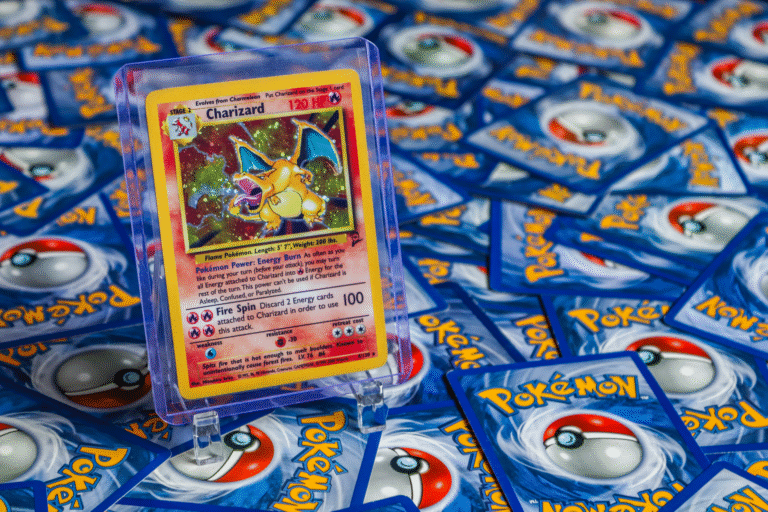
Base Set Pokémon Breeder cards are proving to be an underutilized pathway into the vintage market rebound that has gripped the Pokémon Trading Card Game hobby since early 2026. These trainer cards—support cards that enhance gameplay but lack the iconic appeal of holographic Pokémon—sit at price points that make the Base Set era accessible to collectors who might otherwise be priced out of the current market surge. A Base Set Breeder card in good condition typically costs $25-$50, compared to $150-$500+ for equivalent condition Base Set Pokémon cards, which means new vintage buyers can build collections during the rebound without depleting their budgets on single purchases.
The timing of this entry point matters. The 30th Anniversary set release on February 27, 2026, triggered a nostalgia-driven wave that lifted vintage Base Set, Jungle, and Fossil cards by an average of 18-30% year-over-year. Within that broader rebound, the market has matured significantly—the speculation bubble of 2020-2021 has settled, and genuine collectors are now the primary price drivers rather than investors chasing quick returns. Breeder cards, long overlooked by speculators hunting for high-grade holos, have become a legitimate entry vehicle for serious collectors entering the vintage space.
Table of Contents
- What Makes Breeder Cards Different in the Vintage Market?
- Entry-Level Pricing and the Current Market Structure
- How the 30th Anniversary Rebound Created Space for Trainer Cards
- Building Collections: Breeder Cards vs. Premium Pokémon Cards
- Grading, Authentication, and the Ungraded Risk
- Seasonality and Collector Show Pricing
- The Future of Trainer Cards in the Vintage Market
- Conclusion
What Makes Breeder Cards Different in the Vintage Market?
Breeder cards occupy a unique niche in the base Set era. Unlike Pokémon cards, which are graded, displayed, and heavily collected, Breeder cards are trainer support cards that players used for their gameplay function. In Base Set, Breeder is a trainer card that allowed players to reduce the retreat cost of their Benched Pokémon—mechanically useful but visually unremarkable compared to the holographic creatures that drive mainstream collecting interest. This lack of appeal to casual or investment-focused buyers created a secondary market gap where supply often outpaced demand, keeping prices depressed even as comparable Pokémon cards appreciated significantly.
Today, that dynamic has reversed for savvy collectors. The same market forces lifting Base Set Pokémon cards are lifting all era-appropriate trainer and support cards, but the percentage gains are flattening out at lower price floors. A Base Set Breeder card that sold for $15-$20 in 2024 now commands $30-$45, a meaningful appreciation but still a fraction of the gains seen in Base Set Charizard (up 25-30% in the same period) or even uncommon Pokémon cards. For a new collector with $500 to deploy into vintage, purchasing ten different Base Set Breeder cards offers immediate diversification and exposure to the rebound without the concentration risk of a single expensive purchase.

Entry-Level Pricing and the Current Market Structure
Budget-friendly entry points for vintage cards exist at $20-$40 for ungraded vintage cards at collector shows and online marketplaces, with mid-range cards ($50-$500) available in good condition across platforms. Breeder cards fit squarely into that accessible tier, making them practical for collectors who are building a collection methodically rather than hunting for grails. The availability is genuine—Breeder cards were printed in substantial quantities and see less collector demand, so finding examples at collector shows, eBay, or TCGPlayer at consistent price levels is straightforward. The limitation here is grading and certification.
The heavily collected Pokémon cards in Base Set have been graded by PSA, BGS, and other services, giving collectors clear pricing benchmarks and provenance. Breeder cards see minimal grading activity, which creates both opportunity and uncertainty. An ungraded Base Set Breeder in “near mint” condition might be underpriced relative to its true condition because there is no third-party verification, but it also means less competition from grading-focused collectors. A practical warning: if you’re buying ungraded vintage Breeder cards online, expect variance in the condition assessment between seller description and what arrives—the lack of grading standards makes subjective grading more common.
How the 30th Anniversary Rebound Created Space for Trainer Cards
The 30th Anniversary set release created a dual effect in the vintage market. Newer players returning to the hobby or entering it for the first time were exposed to reissued Base Set-style cards, which rekindled interest in the original printings. That initial wave of demand hit the obvious cards first—holographic Pokémon, rare cards, and chase holos. However, the returning players and serious collectors quickly realized that a complete vintage collection requires all card types, including trainers and support cards.
Base Set Breeder cards began moving off shelves not because they became famous or desirable in isolation, but because collectors building complete or near-complete sets needed them, and prices were still reasonable. The market data supports this: Base Set era cards, E-Series, and early ex-era products have appreciated 15-25% heading into 2026, a broad-based gain that includes support and trainer cards alongside Pokémon. This suggests the rebound is being driven by collection completion and genuine gameplay restoration rather than pure investment hype. Breeder cards rode that wave upward, gaining credibility and visibility as collectors realized their actual scarcity relative to demand in a maturing market.

Building Collections: Breeder Cards vs. Premium Pokémon Cards
A practical comparison illustrates the strategic value of Breeder cards in vintage collection building. A collector with $2,000 to invest in Base Set could purchase a single graded Base Set Charizard or similar high-end card, or roughly 50-60 ungraded but quality Base Set Breeder cards. The second approach delivers immediate exposure to the vintage rebound, direct participation in the market’s appreciation, and reduced single-card risk. If one Breeder card’s condition disappoints or future market pressure hits the trainer card segment, the impact is distributed.
If that single Charizard experiences a price correction, the damage is concentrated. The tradeoff is obvious: a single Charizard may appreciate faster on a percentage basis and carries more cultural prestige. Breeder cards offer steadier, distributed gains and broader market exposure. For collectors entering the vintage space during the rebound, the distributed approach allows faster learning about condition grading, marketplace dynamics, and personal preferences without committing heavily to a single asset. Many collectors report that building a diverse base with cards like Breeder allows them to later invest in premium holos with better intuition about their true value and condition.
Grading, Authentication, and the Ungraded Risk
The lack of third-party grading for most Breeder cards introduces a real friction point for serious collectors. When you purchase a graded Base Set Charizard, the PSA number tells you the exact condition, the market price reflects that grade, and you have recourse if authentication proves false. Ungraded Breeder cards depend on seller assessment and your own evaluation, which means misrepresentation is possible and disputes are harder to resolve. A seller listing a Base Set Breeder as “near mint” might have different standards than a grading company, resulting in disappointment.
A practical warning: if you plan to eventually sell or trade your Breeder cards, keep documentation of the condition when you purchased and received them. Photograph the cards in consistent lighting, note any edge wear or print defects, and maintain records. This protects you if condition is later disputed and helps you make more accurate assessments of future purchases. As the market for these cards matures and more collectors take them seriously, grading services may eventually offer it as an option, which would change the value dynamic significantly. For now, ungraded purchasing requires more care and diligence.

Seasonality and Collector Show Pricing
Base Set Breeder cards are commonly available at collector shows and card conventions, where pricing is often lower than online marketplaces because overhead is minimal. During spring and summer card shows (March through August in the Northern Hemisphere), Breeder card availability peaks, and prices tend to stabilize or dip slightly due to supply. During late-year convention season (September-November), demand often exceeds supply and prices trend upward. A collector actively building with Breeder cards can strategically time purchases around convention seasons, potentially acquiring 10-15% more cards with the same budget by shopping shows in peak supply months.
An example: A Breeder card priced at $40 on TCGPlayer in November might sell for $32-$35 at a well-attended card show in June. Over a 50-card purchase, that 10% difference translates to $200-$400 in savings. Conversely, waiting until October to buy may mean paying premium prices. The caveat is that condition variance at shows is higher than online purchases with photos and detailed listings, so in-person inspection is essential.
The Future of Trainer Cards in the Vintage Market
As the current vintage rebound matures and speculators exit, the market is likely to segment further. Pokémon cards will remain the primary driver of collector interest and media coverage, commanding premium pricing. But trainer and support cards like Breeder will establish legitimate secondary markets based on genuine demand from players restoring vintage decks and collectors completing sets.
The market has already stabilized after the 2020-2021 speculation bubble, with genuine collectors driving prices, which suggests that Breeder cards have found a stable price floor. The outlook for Breeder cards is measured but positive. They’re unlikely to appreciate as rapidly as rare holos, but they’re also unlikely to crater because their demand is tied to collection completion and gameplay restoration rather than speculation. For new vintage buyers, this predictability is valuable—you’re not chasing volatile assets, you’re building a foundation in a stable market segment during a genuine industry rebound.
Conclusion
Base Set Pokémon Breeder cards offer new vintage buyers an accessible, practical entry point into the Base Set era rebound triggered by the 30th Anniversary release. At $25-$50 per card, they allow collectors to deploy capital efficiently, build diversified collections quickly, and participate in the 15-25% year-over-year appreciation currently lifting vintage cards across the market. The lack of speculative interest and third-party grading has kept Breeder cards undervalued relative to comparable Pokémon cards, creating a legitimate opportunity for disciplined buyers.
Start your vintage entry by identifying 5-10 Base Set Breeder cards in good condition from reputable sellers or collector shows, then expand from there as you develop a sense of the market and your personal collecting goals. The rebound is real, the entry point is affordable, and the market has matured enough that you’re joining collectors driven by genuine interest rather than price prediction. That’s a solid foundation for a vintage collection.