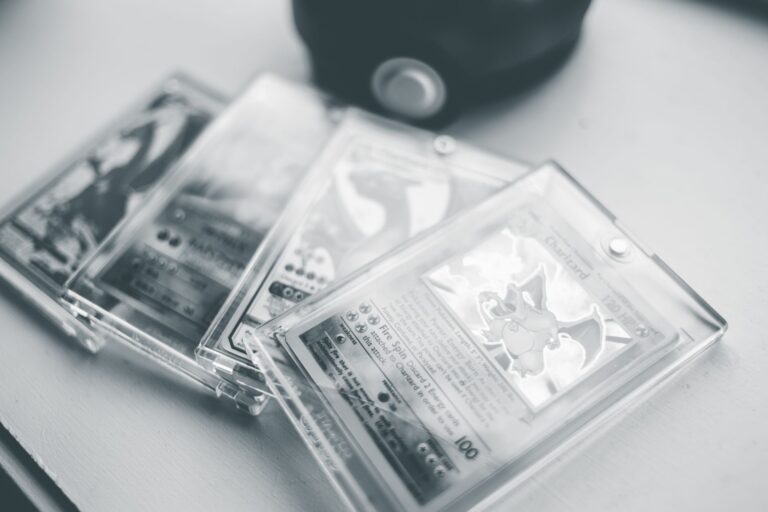
Silver Tempest singles have demonstrated surprising staying power in the Pokemon card market, with several cards commanding prices that rival lower-tier vintage cards. However, they fundamentally cannot match the pricing, scarcity, and long-term stability of true vintage Pokemon cards. While Lugia VSTAR Secret Rare reaches $80–$120 and rainbow rare versions exceed $200 in mint condition, these prices pale in comparison to first-edition or shadowless vintage holos, which regularly command thousands of dollars. The gap widens when you consider that Silver Tempest was produced in massive quantities, whereas vintage cards from the late 1990s and early 2000s were printed in far smaller runs and many were lost or heavily played over decades.
The real story isn’t about whether Silver Tempest can catch up to vintage—it’s about understanding what each offers collectors and investors. Silver Tempest singles have proven valuable within their own ecosystem, with Rayquaza VMAX Character Super Rare nearly quadrupling in price during the 2026 market period, and Trainer Gallery subset cards showing significant appreciation. But this performance depends entirely on sustained collector demand and relative scarcity among modern cards, not the built-in scarcity advantage that comes with age and attrition. Vintage cards benefit from a natural survival filter: few near-mint copies remain, and their nostalgia factor is unmatched.
Table of Contents
- What Separates Silver Tempest From Truly Vintage Pokemon Cards?
- Production Status and Market Scarcity: Why Silver Tempest’s Availability Matters
- Market Performance in 2026: When Silver Tempest Cards Actually Appreciate
- For Collectors Deciding Between Silver Tempest and Vintage: A Practical Comparison
- The Sealed Product Wild Card: Why Availability Could Reshape Silver Tempest’s Future
- Artwork and Cultural Value: Where Silver Tempest Holds Its Own
- The Long-Term Outlook: Will Silver Tempest Ever Become Vintage?
- Conclusion
What Separates Silver Tempest From Truly Vintage Pokemon Cards?
The distinction between silver Tempest and vintage pokemon cards comes down to production volume and time in circulation. Silver Tempest was printed from 2022 through late 2023 in quantities designed to meet modern market demand—essentially, hundreds of millions of cards entered circulation. Vintage cards, by contrast, were produced in the 1990s and early 2000s when Pokemon was still establishing itself in the trading card market. Many of those early prints were much smaller; cards like Base Set Unlimited and Shadowless holos were printed in quantities we can only estimate, but the number of near-mint copies surviving today is a fraction of the original production. The age factor compounds this advantage dramatically.
A Lugia VSTAR Secret Rare from Silver Tempest, even in pristine condition, has existed for roughly three years. A first-edition Charizard from Base Set has existed for nearly thirty years. In that thirty-year span, countless Base Set cards were destroyed through play, wear, storage in basements, and general loss. The cards that survived in mint condition did so by accident or through early preservation—they were never played, stored properly, and fortunately never discarded. This scarcity through attrition is something no modern set can replicate. You cannot manufacture nostalgia or thirty years of natural selection; both come with time alone.

Production Status and Market Scarcity: Why Silver Tempest’s Availability Matters
Silver Tempest’s print run concluded in late 2023, and booster boxes are now increasingly scarce in retail stores. However, scarcity through discontinued production is fundamentally different from scarcity through age and attrition. Thousands of sealed Silver Tempest booster boxes and elite trainer boxes still exist in warehouse inventory, held by distributors, local card shops, and private collectors. These sealed products represent a ceiling on future price growth for most Silver Tempest singles—if prices climb too high, dealers will crack open sealed boxes to sell singles, flooding the market and dampening further appreciation. The format rotation sealed Silver Tempest’s fate as a competitive play set.
In April 2025, the set rotated out of Standard format and is no longer legal for official pokemon TCG tournaments. This removes one major driver of demand from the equation: tournament players no longer need to acquire Lugia VSTAR or Rayquaza VMAX to remain competitive. What remains is pure collector demand. For vintage cards, format rotation is irrelevant—a 1999 base Set Charizard was never legal for Standard play and never will be, yet it maintains steady demand from collectors, investors, and casual players who simply want the cultural icon. Vintage cards have already survived decades of format changes without losing their appeal; Silver Tempest’s appeal is now entirely dependent on the sustained nostalgia and collecting interest in modern-era Pokemon.
Market Performance in 2026: When Silver Tempest Cards Actually Appreciate
The 2026 market period offered a rare window into how well certain Silver Tempest cards can perform under favorable conditions. Lugia V Alternate Art and Rayquaza VMAX Character Super Rare led market value growth, with Rayquaza VMAX’s price nearly quadrupling during this timeframe. Trainer Gallery subset cards also showed significant appreciation. These aren’t trivial gains, and they demonstrate that modern cards can attract substantial investment interest when the conditions align—strong artwork, competitive playability, and collector appeal all converge. Yet this performance carries an important caveat: it depends on active buying pressure and sustained hype.
Vintage cards appreciate through a combination of nostalgia, shrinking supply, and cultural cachet. Silver Tempest cards appreciate when collectors actively want them, prices climb, and new buyers enter the market betting on further gains. The moment demand softens, prices can reverse quickly. A Rayquaza VMAX that quadrupled in value could drop 30 percent in six months if a newer, more exciting set captures collector attention. Vintage cards, by contrast, have weathered countless market shifts, new set releases, and competing investment opportunities over thirty years, and they’ve maintained their core value. The difference is the equivalent of a stock with a strong fundamentals-based business case versus a stock riding pure momentum.

For Collectors Deciding Between Silver Tempest and Vintage: A Practical Comparison
If your goal is short-term appreciation and trading within the modern Pokemon card market, Silver Tempest singles make sense. Cards like Alolan Vulpix VSTAR ($60–$90), Serperior VSTAR Secret Rare ($45–$70), and Full Art Serena #193 ($25–$84) are affordable entry points with demonstrated price movement. You can build a collection of high-quality Silver Tempest singles for the price of a single mid-tier vintage card. You’ll be investing in artwork and modern Pokemon lore that resonates with current collectors, and you have the potential for solid short-to-medium-term gains if the set continues to appreciate or if specific cards become scarcer. If your goal is long-term wealth preservation and a store of value that has proven itself across decades, vintage cards are the superior choice—but they require a significantly higher capital investment.
A near-mint first-edition Charizard can cost $5,000 or more. A near-mint Lugia VSTAR Secret Rare costs $80–$120. The vintage card might appreciate slowly but steadily, unaffected by format changes, new set releases, or fluctuating collector whims. Silver Tempest cards might appreciate faster in the short term, but they carry the risk of becoming less desirable as the Pokemon card meta evolves and newer sets enter circulation. You’re essentially betting on the staying power of nostalgia for cards that are barely five years old.
The Sealed Product Wild Card: Why Availability Could Reshape Silver Tempest’s Future
One often-overlooked factor in Silver Tempest’s long-term pricing is the continued existence of sealed products. As long as sealed Silver Tempest booster boxes remain available at reasonable prices, the ceiling on single-card prices is constrained. If a Lugia VSTAR Secret Rare reaches $150 and sealed boxes are still selling for $100–$120, card shops have an incentive to crack boxes and sell the singles. This supply pressure acts as a natural price brake. Vintage cards don’t face this problem—you can’t crack a thirty-year-old sealed box because any that still exist are owned by collectors, not distributors.
The sealed product scarcity itself becomes part of the collectibility. Over time, as remaining Silver Tempest sealed inventory decreases (through sales, storage degradation, or collectors holding rather than selling), this brake will loosen. If we reach a point where sealed Silver Tempest booster boxes are nearly impossible to find outside of private collections, then and only then will Silver Tempest singles be truly scarce in the way vintage cards are now. That could happen, but it requires years or decades of thinning inventory. In the meantime, Silver Tempest prices are more volatile and more constrained by the knowledge that supply can be released at any time. Vintage cards have already passed this threshold; the sealed boxes have been gone for twenty-plus years.

Artwork and Cultural Value: Where Silver Tempest Holds Its Own
One genuine strength of Silver Tempest singles is the quality and appeal of the artwork and card design. Full Art Serena #193 ranges from $25–$84 depending on condition and demand, and much of that demand is driven by the card’s visual appeal and the popularity of the character. Trainer Gallery cards, which feature character artwork, showed significant appreciation in 2026 partly because collectors are drawn to the aesthetic. This is not trivial—artwork and character design are legitimate drivers of collector interest, and they’re something Silver Tempest does extremely well compared to vintage sets with simpler, flatter card designs.
Vintage cards have cultural and historical value; Silver Tempest cards have artistic and aesthetic value. Some collectors care deeply about the latter and are willing to pay accordingly. If you’re building a collection around Serena or specific Pokemon that appeal to you visually, Silver Tempest offers superior artwork and character representation compared to what vintage sets can offer. The risk is that this aesthetic value is subjective and can fade as design trends shift. A Serena card might seem iconic now, but in ten years, newer card designs could overshadow it.
The Long-Term Outlook: Will Silver Tempest Ever Become Vintage?
The honest answer is that Silver Tempest cards could eventually become valuable vintage cards, but only if the collector base continues to value them decades from now. Cards from the Base Set and early modern era (2000–2010) have appreciated significantly as they’ve aged and nostalgia has kicked in. Silver Tempest could follow a similar trajectory if today’s younger collectors maintain interest in these cards throughout their lives and pass that interest to future generations. That’s a big “if,” and it’s an uncertain bet compared to investing in cards that have already proven thirty years of market stability.
For now, Silver Tempest cards are best viewed as modern collectibles with good appreciation potential, not as vintage cards with guaranteed long-term value. They can keep up with budget vintage cards and may outpace them in short-term gains, but they lack the fundamental scarcity and proven staying power of true vintage. The best outcome for Silver Tempest collectors is that the set becomes the next generation’s vintage—deeply loved, heavily played, and eventually scarce. That outcome is possible but far from guaranteed.
Conclusion
Silver Tempest singles can keep up with vintage Pokemon cards in the short term and can even outpace budget vintage options in specific cases. Rayquaza VMAX’s nearly fourfold price appreciation in 2026 and steady growth in high-demand cards like Lugia VSTAR demonstrate that modern cards can deliver real returns. However, Silver Tempest cannot match vintage cards’ fundamental advantages: built-in scarcity through age and attrition, proven decades of stable value, and cultural cachet that transcends current collecting trends. A Lugia VSTAR Secret Rare at $120 is a solid modern card with growth potential; a first-edition Charizard at $5,000 is a store of value that has already weathered thirty years of market cycles.
Your choice depends on your goals and timeline. For short-to-medium-term appreciation and building an affordable collection of high-quality modern cards, Silver Tempest is excellent. For long-term wealth preservation and a store of value that will likely maintain its appeal for decades, vintage cards remain superior—if you have the capital to invest. The smartest approach may be a mixed strategy: build a Silver Tempest collection around cards you genuinely love and believe in, accept the uncertainty inherent in betting on modern cards, and view any short-term gains as bonus rather than guaranteed returns.