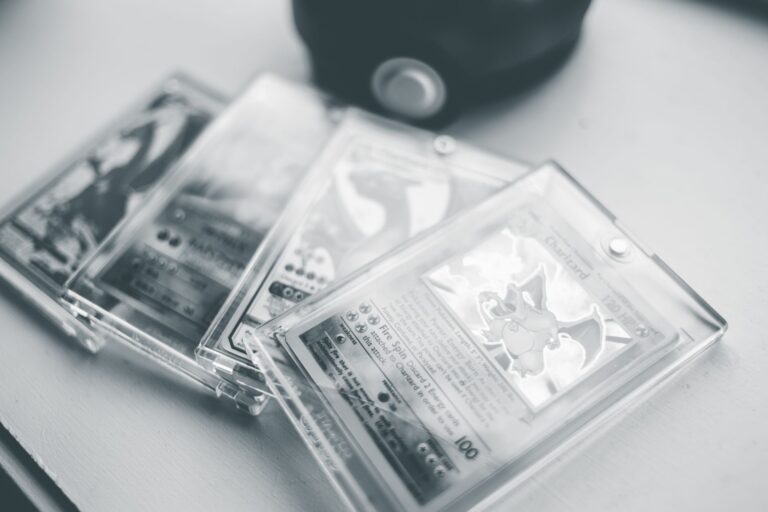
Silver Tempest is transitioning from a hype-driven speculative set to a genuine long-term hold—but only for select cards. The set’s print run ended in late 2023, booster boxes are increasingly scarce, and certain cards have shown sustained value appreciation rather than the typical post-hype collapse. However, not every Silver Tempest card is worth holding. The difference between a legitimate long-term investment and temporary hype comes down to which specific cards you’re targeting and understanding the mechanics driving their value.
The distinction is clear when you look at the numbers. Rayquaza VMAX Character Super Rare has nearly quadrupled in value to $100.38 over the past year, while Lugia V Alternate Art has doubled. These aren’t flash-in-the-pan price spikes—they reflect sustained demand from serious collectors combined with dwindling supply. Yet simultaneously, countless common and uncommon Silver Tempest cards remain near bulk prices, trapped in the “hype set” category where most sealed product speculations ultimately land.
Table of Contents
- What Makes Silver Tempest Different From Previous Hype Sets?
- The Reality Check: Not All Value Appreciation Is Sustainable
- The Trainer Gallery Subset: Where the Real Collector Demand Lives
- Sealed Products Versus Chase Singles: Making the Right Investment Choice
- The Format Rotation Caution: When Competitive Relevance Disappears
- Scarcity as the Real Long-Term Driver
- The Broader TCG Investment Landscape and Silver Tempest’s Place
- Conclusion
What Makes Silver Tempest Different From Previous Hype Sets?
Silver Tempest released on November 11, 2022, which means it’s now nearly three and a half years old. By this point in a typical Pokémon TCG set’s lifecycle, you’d expect hype to have evaporated entirely and prices to have crashed across the board. Instead, certain Silver Tempest cards have moved in the opposite direction, appreciating significantly since the initial release window. This defies the standard pattern where early-set hype leads to oversupply, followed by inevitable price declines as the market becomes saturated. The key difference is scarcity.
With print run production ending in late 2023, booster boxes are no longer readily available at retail. This artificial limitation creates a ceiling on how much sealed product can flood the market in the future. Compare this to sets that remained in print for 18+ months—those continued supply introductions flatten speculative demand. Silver Tempest, locked in the past, now behaves more like a vintage or semi-vintage set where supply constraints matter. A booster box from 2023 is far rarer than a booster box from an actively printed set, which fundamentally changes the investment thesis.

The Reality Check: Not All Value Appreciation Is Sustainable
Before you assume all Silver Tempest holdings will appreciate, understand that format rotation has already impacted competitive relevance. Cards rotated out of Standard format in April 2025, meaning they’re no longer legal in the primary competitive format. This matters because competitive viability historically drives TCG demand—players need new cards for tournaments, which supports chase card prices. However, Silver Tempest cards remain legal in Expanded format and casual play, which doesn’t entirely solve the problem.
Expanded has a much smaller competitive audience than Standard. You’re primarily relying on casual collectors and investors to drive sustained demand, not active players who need the cards for tournaments. The Rayquaza VMAX increase to $100.38 happened without Standard legality, which suggests collector demand and aesthetic appeal are carrying the value. The limitation here is real: if Pokémon releases a superior or more visually appealing alternative in future sets, demand could shift and erode the value you’re holding.
The Trainer Gallery Subset: Where the Real Collector Demand Lives
The Trainer Gallery subset within Silver Tempest has emerged as the primary driver of sustained value increases. These cards, featuring alternate art treatments with human trainers alongside Pokémon, have shown significant appreciation driven by collector demand and the pack scarcity that comes with being a harder-to-pull subset. When you see a Silver Tempest card appreciating substantially, it’s often a Trainer Gallery card rather than a standard full art or rainbow rare. This matters because it reveals what actually captures long-term collector interest.
Trainer Gallery cards have aesthetic and design appeal beyond raw Pokémon nostalgia or competitive playability. Collectors keep these cards long-term because they look good in a binder or display case. Compare this to a random holo uncommon from Silver Tempest—nobody is looking at those cards five years from now with any sense of attachment. The Trainer Gallery effect demonstrates that Silver Tempest’s long-term viability depends entirely on targeting the right subset and card aesthetics, not just owning random sealed products hoping for generic appreciation.

Sealed Products Versus Chase Singles: Making the Right Investment Choice
This is where the hype-versus-long-term distinction becomes entirely practical and financial. Booster box prices for Silver Tempest are trending upward and remaining above weekly trend averages, which sounds promising. However, there’s a crucial limitation: booster box appreciation is inherently limited. A sealed product can only appreciate so much before it reaches a ceiling where the risk of opening it for chase cards becomes financially rational instead of the sealed product sitting in storage.
Chase singles like Rayquaza VMAX and Lugia V Alternate Art are recommended over sealed products specifically because individual card appreciation has no practical ceiling. A card can double, triple, or quadruple in value without the arbitrage pressure that exists with sealed boxes. When a booster box appreciates to $200, $300, or $400, the economic incentive to open it and sell individual cards increases substantially. With singles, you eliminate this tension entirely. You’re holding the actual assets collectors want to display and preserve, not a container they might crack open the moment value exceeds a certain threshold.
The Format Rotation Caution: When Competitive Relevance Disappears
Silver Tempest’s April 2025 rotation out of Standard format represents the set’s transition point from actively played cards to collector-focused cards. This shift carries both benefits and risks. The benefit is that collector demand becomes detached from competitive metagame shifts—a card doesn’t suddenly tank in value because a new counter-card was printed in the latest set. The risk is the opposite: without competitive demand replenishing collector attention, value can stagnate if no new collector interest emerges.
The warning is specific: do not assume cards legal only in Expanded format will sustain competitive demand equivalent to Standard-legal cards. Expanded tournaments occur less frequently, attract smaller player bases, and receive less content coverage and discussion in the Pokémon TCG community. If you’re holding Silver Tempest expecting future competitive relevance to drive value, you’re holding the wrong cards. Focus instead on cards with intrinsic collector appeal—the artwork, the rarity, the nostalgia factor—because that’s now the only demand engine these cards have.

Scarcity as the Real Long-Term Driver
The late 2023 end of Silver Tempest production is the single most important factor in distinguishing genuine long-term holds from hype cards. Booster boxes are increasingly difficult to find at reasonable prices, which means sealed supply will only tighten further as time passes and existing stock either gets opened or held longer by investors. This is not hype—this is basic supply economics.
Consider a specific example: a booster box from Scarlet & Violet, actively printed into 2025 and beyond, will always have fresh supply entering the secondary market. A booster box from Silver Tempest, printed for roughly 13 months and then discontinued, has a fixed population of sealed products that only decreases as boxes get opened or stored indefinitely. This distinction is fundamental to long-term holding, and it’s why Silver Tempest behaves differently from the typical hype set that gets printed until demand dies completely.
The Broader TCG Investment Landscape and Silver Tempest’s Place
Silver Tempest is establishing itself as a semi-vintage set in the modern Pokémon TCG era, occupying the space between actively printed sets and true vintage (pre-2016) era cards. This positioning, combined with its limited edition status and collector-focused subset appeal, suggests long-term appreciation potential that extends beyond typical set cycles. However, external factors matter: if Pokémon releases a set with visually superior Trainer Gallery or alternate art treatments, demand could shift to newer products.
The future outlook depends on sustained collector interest in these specific cards and continued scarcity. Silver Tempest is not becoming a hype set second time around—it’s consolidating into a legitimate long-term hold category, similar to how Hidden Fates or Vivid Voltage have performed. But this requires holding the right cards: chase singles with lasting aesthetic appeal, not bulk inventory or commons hoping for generic appreciation.
Conclusion
Silver Tempest is becoming a long-term hold, but with critical caveats. The set’s ended print run, booster box scarcity, and Trainer Gallery collector demand create genuine long-term holding potential that extends beyond typical hype cycles. Rayquaza VMAX, Lugia V, Blaziken VMAX, and similar chase cards have demonstrated sustained value appreciation over months and years, not the sharp spike-then-crash pattern that defines hype sets. Format rotation removed competitive demand, but this actually solidifies the collector-focused value proposition by removing external metagame variables that could tank prices.
Your next step is identifying which specific Silver Tempest cards align with long-term holding criteria: chase singles with strong artwork and collector appeal, not sealed products or bulk commons. If you’re already holding the right cards, the scarcity timeline works in your favor. If you’re holding booster boxes or random holos, consider whether appreciation potential justifies storage space and opportunity cost compared to other modern sets or investments. The distinction between long-term hold and hype set boils down to which Silver Tempest cards you own, not whether the set itself has long-term viability.