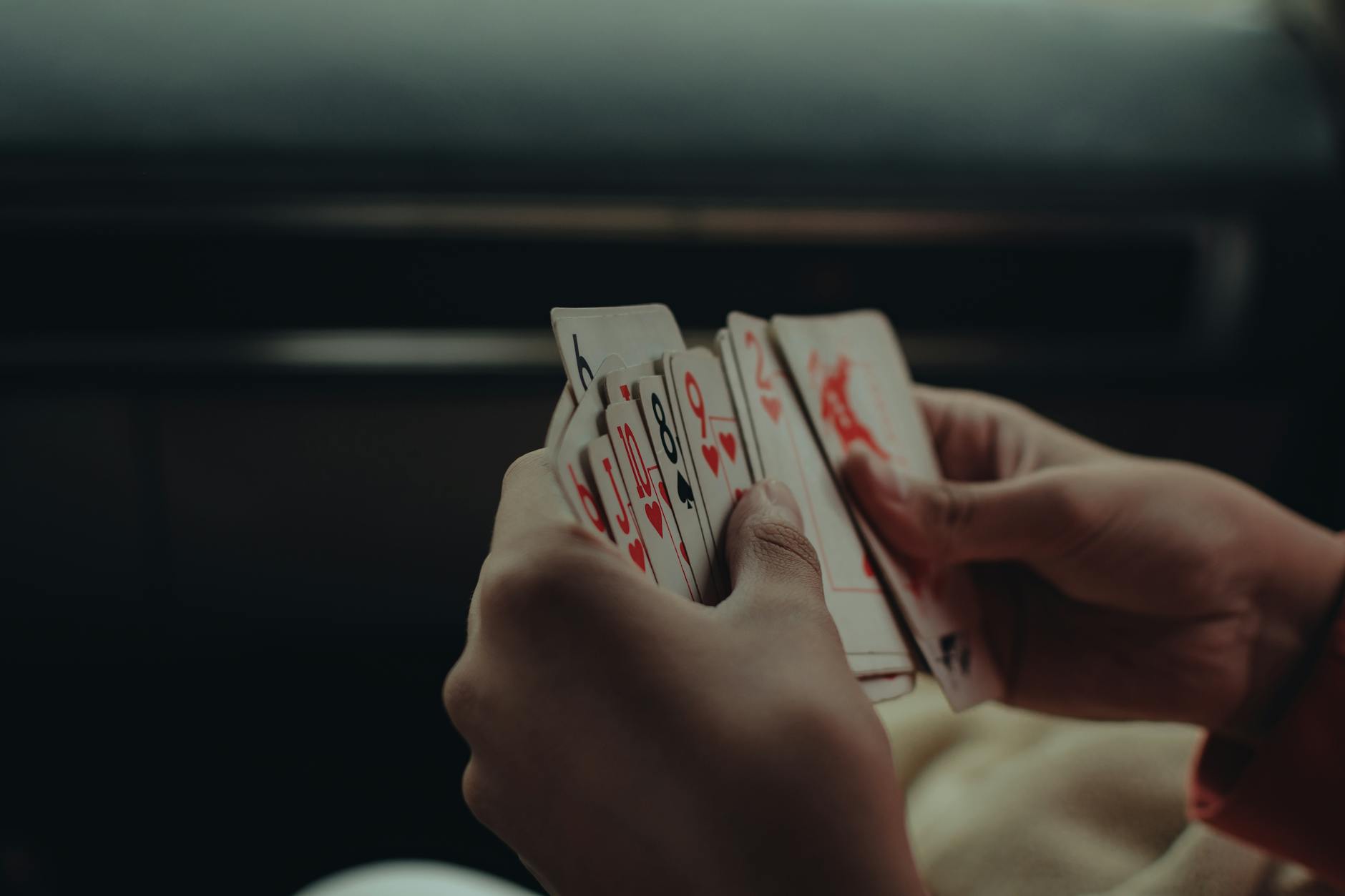
Pokémon’s original cards from the late 1990s and early 2000s have the potential to become far more valuable than they are today. The data is compelling: since 2004, the Pokémon card market has grown 3,821 percent while the S&P 500 returned just 483 percent over the same period. This isn’t speculation. In February 2026, Logan Paul’s PSA 10 Pikachu Illustrator sold for $16.49 million at Goldin Auctions, earning Guinness recognition as the most expensive Pokémon card ever sold. The same market forces that created this record will likely push original cards even higher as supply dwindles and demand from collectors, investors, and international markets continues to grow.
The primary reason is mathematical: supply is fixed while demand continues climbing. Pokémon will never reprint cards from the Base Set or early Wizards of the Coast expansions, meaning every damaged card that leaves the market is gone forever. High-grade specimens—those professionally graded as near-mint or gem mint—become progressively rarer as time passes. A 1st Edition Charizard in PSA 10 condition currently valued around $264,000 represents just one of approximately 124 known copies in that grade. These scarcity dynamics, combined with growing wealth in international markets and increased recognition of cards as legitimate investments, point toward substantial future appreciation for the best-preserved examples.
Table of Contents
- What Historical Returns Tell Us About the Future
- The Critical Role of Card Condition in Future Value
- Supply Scarcity and the Never-Again Moment
- International Demand and Emerging Markets
- Grading Inflation and Re-Evaluation Risk
- The Role of Artwork Quality and Rarity Evolution
- Future Outlook for Original Cards
- Conclusion
What Historical Returns Tell Us About the Future
The track record speaks clearly. The Pokémon card market appreciated an average of 46 percent per year based on graded card data, vastly outpacing the S&P 500’s typical 12 percent annual return. Even more telling, Wizards of the Coast vintage cards—those produced between 1999 and 2003—have demonstrated compound annual growth rates between 20 and 40 percent over multi-year periods. These aren’t anomalies or temporary spikes. They reflect consistent, year-over-year appreciation driven by fundamental scarcity and broadening collector interest.
Looking forward, market analysts project the Pokémon card market will grow from $52.1 billion in 2026 to $90.2 billion by 2034, representing a 7.1 percent compound annual growth rate. While lower than the historical average, this projection assumes the market will mature and stabilize—a realistic expectation as high prices naturally slow appreciation rates. For original cards, however, the dynamics differ from the broader market. As modern booster boxes flood supply channels and lose 20 to 30 percent of their value within 60 days of release, the relative scarcity and stability of original cards becomes increasingly valuable. Collectors seeking investments that hold value over decades will continue redirecting capital toward vintage assets, which should support continued appreciation.
The Critical Role of Card Condition in Future Value
Condition is perhaps the single most important determinant of future appreciation potential, and this factor will likely become even more important as prices rise. A professionally graded card in pristine condition can be worth 10 to 100 times more than the same card in poor condition. This multiplicative effect means that a near-mint 1st Edition base Set Charizard has fundamentally different growth prospects than a played-with copy, even though both are the same card.
However, condition-based valuation also introduces risk. The grading standards used by services like PSA can shift over time, and disagreements about whether a card truly deserves a 9 versus a 10 can represent hundreds of thousands of dollars in value. A collector who purchases a card expecting it to maintain its grade could face challenges if re-grading becomes necessary or if the card’s assigned condition comes into question. Additionally, not all cards respond equally to condition. A rare first edition in any readable condition holds value, but for more common printings, condition becomes absolutely paramount—the difference between investable and worthless.
Supply Scarcity and the Never-Again Moment
The phrase “they’re not making more” takes on profound meaning with original Pokémon cards. Unlike stocks, real estate, or even other collectibles that can theoretically be reproduced, Pokémon’s original cards exist in a fixed quantity. Every card that’s damaged, lost, or destroyed represents a permanent reduction in the total remaining supply. When a collector’s card gets water-damaged or fades in sunlight, the global population of pristine copies decreases forever.
This dynamic has already created jaw-dropping price changes at the rare end of the market. The 1st Edition Blastoise, one of the other “big three” holo rares from Base Set alongside Charizard and Venusaur, has sold in the $88,000 to $138,000 range for psa 10 copies in recent years. With approximately 100 top-grade copies known to exist globally, the scarcity ceiling keeps tightening. In May 2026, a complete 1st Edition Base Set with all cards graded PSA 10 sold for $911,629.69, underscoring how the market values the rarest, best-preserved examples of these original cards. As more cards are damaged, lost in storage, or consumed by newer collectors who don’t prioritize grading, the remaining gem-mint copies become more valuable simply through attrition.

International Demand and Emerging Markets
Pokémon collecting remains concentrated in North America and Japan, but this concentration is beginning to shift. Growing wealth in Europe, South Korea, and other regions has started directing capital toward high-grade Pokémon cards. In Japan specifically, recent market activity underscores this trend: in May 2026, Japanese booster pack prices increased from ¥180 to ¥200, while booster boxes jumped from ¥5,400 to ¥6,000—an 11.1 percent price increase. This marks the second significant price increase in four years for the Japanese market.
As disposable income grows globally and Pokémon nostalgia extends to new generations of older collectors with significant capital, demand for original cards from international markets will likely accelerate. This geographic expansion doesn’t just increase total demand—it creates the potential for regional price appreciation cycles. A card that commands $100,000 in a primarily North American market could eventually command more as wealthy Japanese, Korean, and European collectors compete for the same limited inventory. The investment implication is clear: original cards from the 1999-2003 window possess appeal that transcends a single market or demographic, making them more resilient to localized economic downturns.
Grading Inflation and Re-Evaluation Risk
One of the least discussed risks for vintage card investors is grading company inflation—the tendency for standards to shift over time. A card graded PSA 10 in 2010 might not receive the same grade under 2026 standards. While major grading companies maintain quality control, subtle shifts in how centering, corners, and surface quality are evaluated can occur. Some collectors have experienced the disappointment of re-submitting cards only to receive lower grades, effectively destroying their investment thesis. Additionally, the concentration of value in a small number of cards creates concentration risk.
The massive appreciation of the top tier—particularly 1st Edition holos and Illustrator cards—has outpaced lower-tier vintage cards. A modestly graded or lower-condition original card may not appreciate at the same rates as a gem-mint equivalent. Investors should be cautious about assuming all original cards will track the same trajectory. A worn 1st Edition Blastoise may appreciate gradually, but it will never command the premium prices of a PSA 10 example. Diversifying across multiple cards and conditions is more prudent than betting heavily on a single copy.
The Role of Artwork Quality and Rarity Evolution
The market for Pokémon cards has evolved significantly in recent years. While character popularity—particularly Charizard and Pikachu—remains important, artwork quality and intrinsic rarity have emerged as more significant value drivers. This shift matters because it suggests future value appreciation will reward cards based on artistic merit and scarcity rather than just which Pokémon appears on them. A beautifully illustrated original-era card with lower initial print runs may outperform a common character card printed in higher quantities.
This evolution also means that collector education and market maturity will drive future prices. As newer collectors enter the market with investment capital, they’ll increasingly understand that rarity and condition trump nostalgia. The cards that will appreciate most aggressively are those that combine all three factors: iconic characters, exceptional artwork, and extremely limited print runs. First Edition shadowless cards, particularly those from the earliest runs, fit this profile perfectly and should command premium appreciation as the market refines its valuation approach.
Future Outlook for Original Cards
The trajectory for original Pokémon cards appears favorable for the foreseeable future. The combination of fixed supply, growing global wealth, and increasing market maturity creates structural support for continued appreciation. As the market normalizes from the explosive growth of recent years, annual appreciation rates may settle into the 15 to 25 percent range for vintage cards and sealed products rather than the historical 46 percent average—but that would still substantially outpace traditional investments like the S&P 500.
Looking ahead to 2034 and beyond, the Pokémon card market is projected to reach $90.2 billion, up from $52.1 billion today. Original cards, despite representing a small fraction of total market volume, will likely command an outsized share of this value growth. The oldest, rarest, and best-preserved examples will become increasingly positioned as alternative investments alongside fine art and collectible vintage goods rather than toys. This transition in market perception, more than any single price spike or celebrity purchase, may drive the most significant appreciation in coming years.
Conclusion
Pokémon’s original cards are worth far more in the future because the fundamental drivers of their value—limited and permanently declining supply, growing global demand, and increasing recognition as legitimate investments—only strengthen over time. The $16.49 million Pikachu Illustrator sale, the $550,000 1st Edition Charizards, and the hundreds of thousands of dollars commanded by high-grade original cards are not market peaks but signposts marking the early stages of recognition for these assets. As more collectors and investors understand that original Pokémon cards combine the scarcity of fine art with the accessibility of a mass collectible, price floors should rise even as price ceilings reach new extremes.
For collectors holding original cards, particularly those in near-mint to gem-mint condition, the path forward suggests patience and preservation will be rewarded. For those considering acquisition, focusing on the highest-condition examples of the rarest cards—particularly 1st Editions and shadowless cards from the Base Set era—offers the most compelling appreciation potential. The Pokémon card market has grown dramatically in the past two decades, but the structural factors supporting future growth remain largely in place, making original cards a legitimate long-term holding for those with the capital and discipline to preserve them properly.
You Might Also Like
- Why Base Set Pokémon Cards May Be More Than 1990s Nostalgia
- Why PSA 10 Base Set Cards May Become the Most Important Pokémon Assets Ever
- Why Base Set Pokémon Cards May Become the 1952 Topps Mickey Mantle of a New Generation