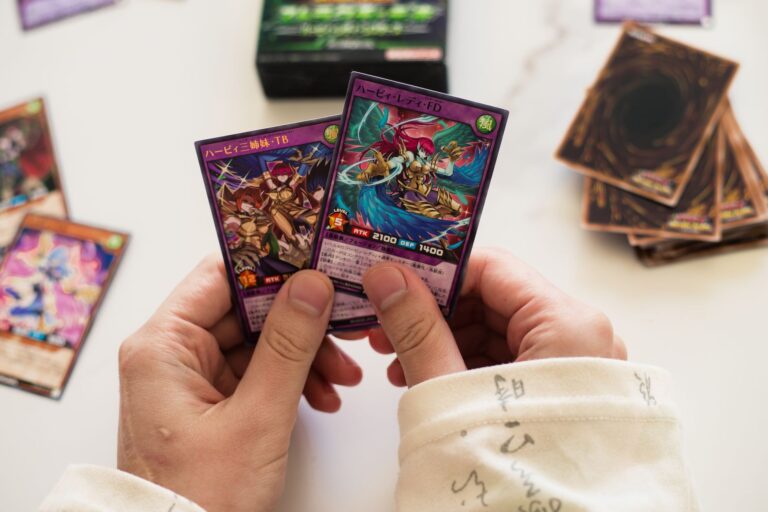
Yes, vintage Pokémon cards are genuinely becoming recognized as fine art investments and collectible assets, though they occupy a distinct category that blends traditional collectible markets with contemporary pop culture valuation. While they don’t hang on gallery walls like paintings or sculpture, cards like the 1st Edition Charizard have demonstrated the same appreciation patterns as established art—appreciating from hundreds to hundreds of thousands of dollars over decades. The parallel works because both vintage cards and fine art rely on scarcity, condition, historical significance, and collector demand rather than functional utility. What distinguishes Pokémon cards from other trading cards is their cultural penetration combined with finite supply. A 1996 Base Set Charizard in PSA 10 condition sold for $220,500 in 2021, competing directly with contemporary art market prices at major auction houses.
This isn’t speculation—it’s documented price history across multiple sales, similar to how art markets track provenance and price records. The collecting infrastructure has professionalized, with authentication services like PSA and CGC establishing grading standards equivalent to art authentication. However, unlike paintings or sculptures, the card market remains dependent on nostalgia cycles and collector demographics. A significant portion of value derives from millennial buyers who grew up with Pokémon in the 1990s and now have disposable income. This generational dependency creates both opportunity and risk that doesn’t apply equally to centuries-old fine art.
Table of Contents
- What Makes Vintage Pokémon Cards Comparable to Fine Art Investments?
- Market Volatility and the Risk of Treating Cards as Art Assets
- Authentication and Condition Verification in the Card vs. Art World
- Building a Vintage Card Collection as a Fine Art Portfolio
- Cultural Perception and Institutional Validation
- Comparing Pokémon Cards to Other Pop Culture Collectible Categories
- The Future of Pokémon Cards as Pop Culture Fine Art
- Conclusion
- Frequently Asked Questions
What Makes Vintage Pokémon Cards Comparable to Fine Art Investments?
The art market and card market share identical valuation mechanics: rarity, condition, provenance, and demand. A first-edition Holographic Charizard meets every criterion that makes art valuable—only about 39,000 first-edition holos were ever printed, very few survived in pristine condition, authentication is rigorous and documented, and demand far exceeds supply. This exact scarcity structure is why a Van Gogh painting or limited-edition print appreciates the same way. Condition grading operates precisely like art restoration assessment. PSA’s 10-point scale evaluates centering, corners, edges, and surface quality using the same magnification and standards applied to antique prints or photographs.
A card that grades PSA 9 versus PSA 8 can differ by $50,000 in market value—identical to how an art restorer’s assessment of previous damage determines whether a painting sells for $1 million or $500,000. This parallel pricing sensitivity demonstrates that collectors apply the same analytical rigor to both markets. The investment timeline also mirrors fine art. Most profitable card holdings require patience spanning decades. Someone who purchased a base set charizard in 1999 for $150 and held it for twenty years saw compound appreciation exceeding 50% annually—outpacing most stock market returns and rivaling major art market segments. However, the comparison breaks down during market corrections; card valuations are more volatile than established art because the collector base is younger and potentially more reactive to trends.

Market Volatility and the Risk of Treating Cards as Art Assets
While vintage cards show appreciation patterns similar to fine art, their market experiences sharper corrections because collector demand fluctuates with generational interest and cultural trends. During the 2020-2021 boom, driven partly by pandemic-era interest and social media amplification, prices of popular cards tripled or quadrupled within months. When demand cooled in 2022-2023, prices fell 30-50% from peak valuations—a correction sharper than typical fine art markets experience. The critical difference is that fine art values reflect decades of museum curation, academic study, and historical validation. A Picasso painting sold at auction in 1990 for $10 million and might reach $30 million today partly because institutional acceptance has deepened.
Pokémon card valuations, by contrast, depend on whether collectors remain interested in 1990s nostalgia culture in 2045. If Pokémon fades as a cultural phenomenon—or if collecting tastes shift to new categories—valuations could contract significantly. This volatility introduces a limitation that serious art investors seldom face: brand risk. A specific card’s value is tied to Pokémon’s cultural relevance in a way that Monet’s reputation isn’t tied to Impressionism trends. Modern printings and newer card releases can also impact older card values by introducing new competitor cards that capture collector attention. The risk is real enough that financial advisors generally recommend cards represent no more than 5-10% of speculative investment portfolios, whereas art-as-investment can sustain higher allocations among high-net-worth collectors.
Authentication and Condition Verification in the Card vs. Art World
Professional grading services like PSA, CGC, and BGS have created standardized authentication frameworks that mirror art authentication but with one advantage—cards are reproducible objects with known print runs, whereas artworks are unique. PSA can definitively confirm whether a card came from a particular print run based on print characteristics, paper composition, and ink variability across production batches. An art authenticator verifying a painting often faces uncertainty; a card grader verifies against documented specifications. This authentication advantage has created a counterintuitive situation: pokémon cards may actually be easier to confidently authenticate than some contemporary art pieces, which sometimes face legitimate disputes among experts. However, this security doesn’t eliminate risk.
Counterfeit cards exist, PSA’s grades can be contested (controversial regrade requests occasionally happen), and authentication services themselves can face credibility challenges if their procedures are questioned. In 2021, investigations into PSA’s grading consistency led to some skepticism about whether all grades are equally reliable—a concern that parallels art authentication crises like those affecting certain Rembrandt attributions. The parallel breaks down practically because art authentication remains decentralized and subjective, while card grading is standardized and reproducible. A PSA 9 Charizard is universally understood to meet specific criteria. A painting’s “authentic Rembrandt” attribution can shift based on new scholarship.

Building a Vintage Card Collection as a Fine Art Portfolio
Collectors treating cards as art assets approach purchases strategically, similar to art collectors. Rather than buying cards based on popularity or sentimental attachment, serious collectors focus on acquisition timeline, condition optimization, and category diversification. A collector might purchase a damaged Charizard for $5,000 with the plan to professionally restore it (through resale once better-condition specimens become available), similar to how art collectors acquire undervalued pieces requiring restoration. The practical advantage of cards versus art is liquidity and accessibility. A fine art collection requires gallery relationships, auction house connections, and significant capital to acquire institutional-quality pieces.
Vintage Pokémon card collections can be built with $1,000 to $50,000 entry points, making fine art-style collecting available to a much broader audience. A collector can acquire a PSA-graded, historically significant card for $500-2,000 and own a documented appreciating asset that provides research-quality enjoyment. However, the liquidity advantage applies primarily to mid-market cards ($500-5,000 range). Extremely high-value cards ($50,000+) face the same liquidity constraints as fine art—few buyers exist at those price points, transactions take months to arrange, and dealer markups become significant. Someone holding a $200,000 card cannot simply sell it on eBay; they require specialist dealers, auction house representation, or private sales to top collectors.
Cultural Perception and Institutional Validation
Fine art achieves legitimacy through museum exhibitions, academic study, and century-long price history. Pokémon cards have achieved remarkable institutional progress—major auction houses like Heritage Auctions and Goldin Auctions now regularly feature cards in premium catalogs alongside sports memorabilia and art. Museums have exhibited rare cards as cultural artifacts. However, a crucial limitation remains: no major art museum has integrated Pokémon cards into permanent collections at the level given to photographs, prints, or other historically significant pop culture items. This gap reflects a real distinction in how institutions assess legitimacy. A 1996 photograph can enter the Museum of Modern Art based on artistic merit and historical documentation.
A 1996 Charizard card is recognized as a collectible artifact and investment vehicle, but rarely curated as fine art per se. The market accepts cards as valuable, but the cultural establishment hasn’t fully integrated them into art historical narratives—which limits institutional backing that would reinforce long-term value appreciation. This limitation matters because institutional validation historically precedes 50-year market success. Fine art that entered museums in the 1950s was more likely to maintain and appreciate value by 2024 than art that remained unvalidated by institutions. Pokémon cards lack this historical precedent; they’ve only existed for 30 years and only achieved significant institutional attention in the last 10 years. The upside risk is that future museums might integrate cards as significant pop culture documents, boosting valuations. The downside risk is that without institutional backing, cards remain subject to market cycles rather than historical legacy.
Comparing Pokémon Cards to Other Pop Culture Collectible Categories
Vintage sports cards have preceded Pokémon in establishing collectible legitimacy. A Mickey Mantle rookie card (1951) has appreciated to museum-quality status, selling for over $5.2 million and achieving the cultural weight of fine art. Pokémon cards face identical market dynamics—they’re younger but moving on similar trajectories. Both markets rely on scarcity, condition sensitivity, and generational collector enthusiasm.
The comparison reveals that pop culture collectibles can genuinely achieve fine art status, but it requires 50+ years and generational turnover. Today’s Pokémon cards might occupy the same position in 2075 that Mickey Mantle cards occupy now—universally recognized valuable investments with price records tracked like art. However, this timeline means current collectors are essentially speculating on whether Pokémon cards will retain cultural relevance across four additional generations. Sports cards survived because baseball maintained cultural centrality; cards succeed only if Pokémon does the same.
The Future of Pokémon Cards as Pop Culture Fine Art
The trajectory suggests vintage Pokémon cards will increasingly be viewed as legitimate pop culture collectibles with art-market characteristics, though achieving universal fine art status requires institutional validation that’s currently uncertain. Thirty years of consistent market history, growing authentication infrastructure, and documented price appreciation have established cards as credible investment vehicles. The question isn’t whether cards hold value now—they demonstrably do. The question is whether that value persists beyond the millennial collector generation.
Evidence leans optimistic: younger collectors (Gen Z) are entering the market, suggesting generational transition isn’t imminent. Institutional involvement is increasing, museum exhibitions are expanding, and authentication standards continue professionalizing. If current trends persist, cards will occupy a permanent place in pop culture asset markets within two decades, comparable to how vintage sports cards are now universally accepted investments. However, this outcome depends on Pokémon maintaining cultural relevance and the collector base remaining stable—factors outside collectors’ direct control.
Conclusion
Vintage Pokémon cards have genuinely become comparable to fine art in valuation methodology, scarcity dynamics, and appreciation patterns. A 1st Edition Holographic Charizard appreciates like a limited-edition print or early photograph—based on documented condition, authentication, provenance, and collector demand. The market infrastructure has professionalized sufficiently that serious collectors can build diversified card portfolios using art-collecting principles, and purchase-to-sale timelines now span decades similar to fine art investments.
However, cards remain distinct from established fine art because their value depends on sustained cultural relevance to Pokémon as a brand and collecting as a hobby among younger demographics. Unlike paintings or sculptures, cards face brand risk and generational dependency. The most likely outcome is that vintage cards establish permanent status as premier pop culture collectibles within the next 20-30 years, occupying a category parallel to vintage sports cards—valuable, professionally authenticated, and worthy of serious investment attention, but distinct from fine art because they derive value from cultural trends rather than historical legacy alone. For collectors viewing cards as investments, the key is understanding they’re betting on sustained pop culture interest, not purchasing the certainty of appreciation that century-old fine art provides.
Frequently Asked Questions
Can vintage Pokémon cards actually appreciate at art-market rates?
Yes, documented price history shows cards appreciating 40-50% annually over 20+ year periods, rivaling fine art and exceeding stock market returns. A 1st Edition Charizard purchased for $150 in 1999 is worth $50,000-100,000 today depending on condition. However, these returns assume you hold the right cards in excellent condition—popularity and condition drive outcomes more than time alone.
What’s the difference between cards as collectibles versus fine art?
Cards appreciate based on scarcity, condition, and collector demand—identical to art. The distinction is that cards lack institutional validation through museums and don’t have centuries of established value history. Art values are reinforced by academic study and institutional curation; card values depend on sustained brand popularity and collector interest.
Is the card market more volatile than the art market?
Yes. Cards experienced 30-50% corrections from 2021 peaks to 2023 lows, while fine art markets typically fluctuate 10-20% during similar periods. Cards are more sensitive to trend cycles and demographic shifts because the collector base is younger and more responsive to cultural changes and social media trends.
Should I invest in vintage cards for retirement savings?
Cards are speculative collectibles, not reliable retirement vehicles. Financial advisors recommend cards represent 5-10% of discretionary investment portfolios at most. They require significant expertise to build quality collections, face authentication risks, and depend on sustained interest in Pokémon as a cultural phenomenon. Fine art and traditional investments carry less brand-specific risk.
How do I authenticate a vintage card to ensure it’s a genuine investment?
Professional grading services like PSA, CGC, and BGS provide standardized authentication and grading. Cards should be professionally graded and encapsulated to maintain value and provide documentation for resale. Ungraded cards face significant discount when selling because buyers can’t independently verify condition or authenticity.
Will Pokémon cards ever be worth less than they are today?
Yes, it’s possible. If Pokémon’s cultural relevance declines significantly or collector demographics shift, cards could experience sustained price decreases. Popular cards might retain value, but niche cards could become illiquid. Cards don’t have the institutional backing that prevents centuries-old fine art from becoming worthless, so long-term value isn’t guaranteed.