Since 2019, Base Set Mewtwo Holo cards have become one of the most scrutinized and volatile segments of the Pokemon trading card market. What buyers should understand first is that the price of a single Mewtwo card can vary wildly—from under $50 to over $7,000—depending almost entirely on its grading designation and print variation. A PSA-graded Mewtwo card in near-mint condition (#10/102 from the original 1999 release) has experienced steady demand driven by nostalgia, cultural significance, and increasing treatment of vintage cards as alternative investments, but the market remains heavily influenced by authentication status and condition nuances that most casual buyers overlook.
The most important lesson from the past six years is that owning a Base Set Mewtwo—even one in good condition—is not automatically valuable. A Mewtwo card graded PSA 7 might sell for anywhere between $31 and $115 depending on market timing and specific lot characteristics, while the same card without professional grading could fetch a fraction of that. For buyers entering this market in 2024-2025, understanding these price ranges and the factors driving them is essential to avoiding overpayment and recognizing genuine collector value from inflated speculation.
Table of Contents
- WHAT DETERMINES PRICE VARIATION IN BASE SET MEWTWO HOLO CARDS?
- THE CRITICAL ROLE OF GRADING STANDARDS AND HOW THEY AFFECT YOUR PURCHASE
- INVESTMENT TRENDS AND SOCIAL MEDIA’S IMPACT ON MEWTWO VALUES
- COMPARING MEWTWO TO OTHER BASE SET HOLOGRAPHICS—WHAT MAKES IT UNIQUE?
- COMMON PITFALLS—AUTHENTICITY, REPRODUCTION CARDS, AND ALTERED COPIES
- REAL-TIME PRICING TOOLS AND HOW TO TRACK MARKET VALUE
- THE LONG-TERM OUTLOOK FOR BASE SET MEWTWO COLLECTORS
- Conclusion
WHAT DETERMINES PRICE VARIATION IN BASE SET MEWTWO HOLO CARDS?
The most critical price driver in the base Set Mewtwo market is the distinction between First Edition, Shadowless, and Unlimited printings. First Edition and Shadowless variants command considerably higher prices than their Unlimited counterparts because fewer copies were produced during those initial print runs. A First Edition Mewtwo represents peak scarcity, while Unlimited versions—despite being the same card—sold in vastly larger quantities and therefore carry significantly lower market values even in identical condition grades. This variation exists across all Base Set holographic cards, but Mewtwo’s cultural significance as a psychic powerhouse and central figure in Pokemon lore has made the distinction between printings especially pronounced in pricing.
Professional grading introduces another layer of price stratification that buyers must grasp. A PSA 8-graded Mewtwo reported at $69 in November 2024 represents a middle-ground card—not quite gem mint, but substantially above average condition. The same card ungraded could sell for $20-30, while a PSA 9 (gem mint) version of the same 1999 card can reach $50-$178.50, depending on recent market activity. These aren’t arbitrary numbers; they reflect actual auction prices tracked by PSA’s own historical data, showing how professional certification alone can multiply a card’s value by 3-9 times compared to an ungraded equivalent.
THE CRITICAL ROLE OF GRADING STANDARDS AND HOW THEY AFFECT YOUR PURCHASE
Understanding grading standards is non-negotiable for serious buyers. PSA uses a 1-10 point scale where a 10 represents Gem Mint condition (nearly perfect card), while a 1 represents Poor condition. The scale evaluates four key factors: centering (how the image aligns within the card border), corners (sharpness and wear), edges (print line clarity), and surface (ink quality and scratches). A PSA 7 card will show noticeable wear—perhaps soft corners or slight centering imperfection—but remains collectible and sellable.
The trap many new buyers fall into is assuming that small visual differences between grades (say, a 7 versus an 8) translate to small price differences; in reality, the jump from PSA 7 to PSA 8 can represent a 50-100% price increase. BGS (Beckett Grading Services) offers an alternative certification using half-point increments and subscores for each evaluation category, providing more granular condition assessment than PSA’s whole-number system. A BGS 8.5 card, for example, breaks down exactly which attributes achieved that score—cornersa 8, centering 9, etc.—which some collectors find more transparent. However, the Pokemon market has historically favored PSA grading for vintage cards, meaning a BGS-graded Mewtwo may sell at a discount compared to an identically-conditioned PSA card, even though the actual quality is equivalent. This is a crucial limitation: grading service reputation affects your card’s resale potential more than you might expect.
INVESTMENT TRENDS AND SOCIAL MEDIA’S IMPACT ON MEWTWO VALUES
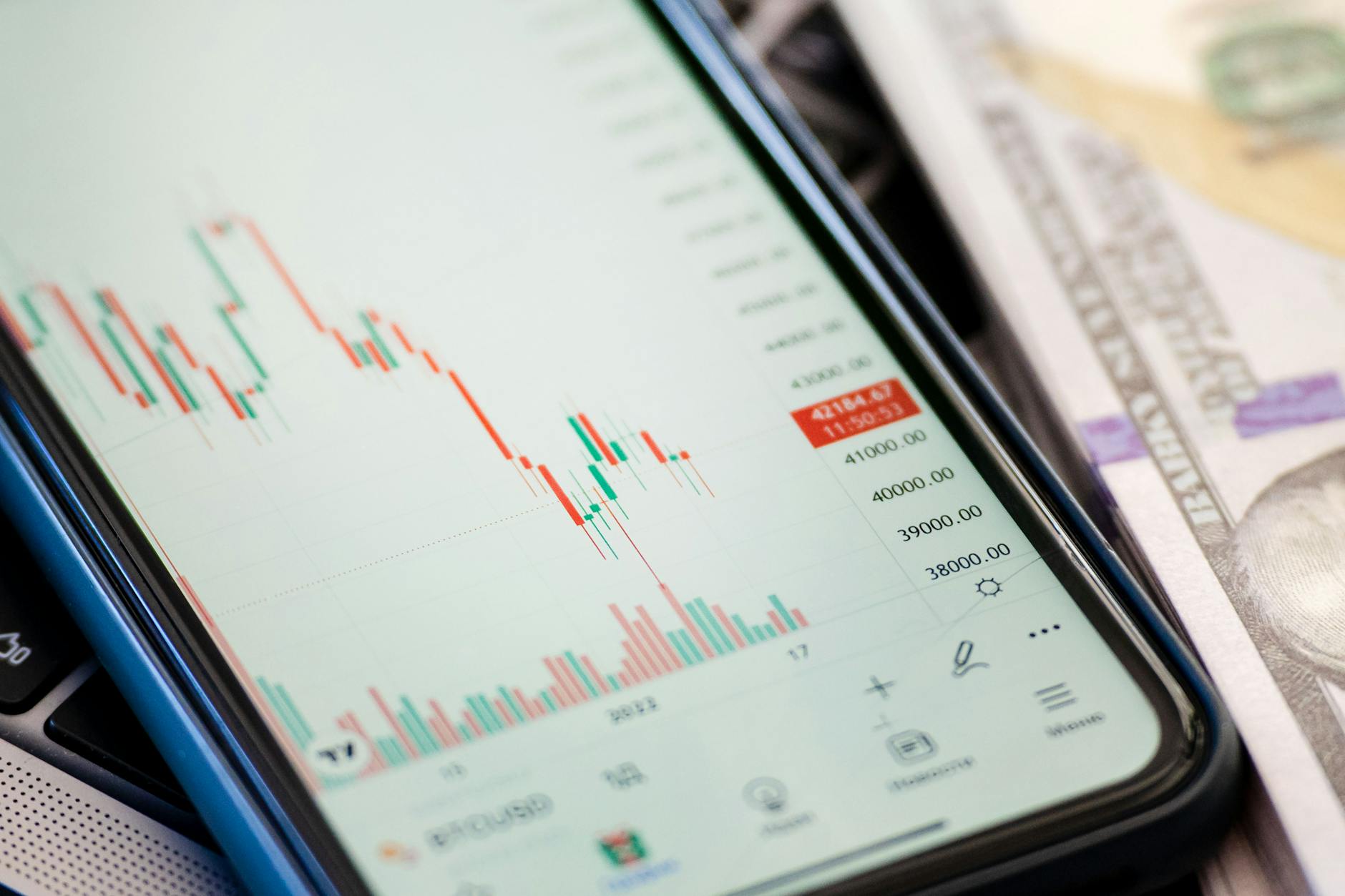
The Mewtwo market since 2019 has been shaped by three interconnected forces: nostalgia, rarity, and social media influence. The combination of players who grew up with Base Set in the 1990s now having disposable income, combined with the reality that mint condition copies are genuinely scarce, created legitimate collector demand. But this legitimate market was turbocharged starting around 2020 when YouTube unboxing content and market analysis channels began highlighting Pokemon cards as alternative investments, flooding the market with speculators rather than collectors. This influx drove prices upward rapidly but also introduced volatility—spikes and corrections that have made Mewtwo pricing less predictable than during pre-2020 years.
Real-world example: in late 2020 and early 2021, PSA 9 Mewtwo cards spiked to all-time highs partly due to viral unboxing videos and FOMO buying. Those same cards available today in the 2024-2025 range ($50-$178.50 for PSA 9 grades) represent a more stabilized, post-speculation market. Buyers who purchased at the 2021 peaks have experienced significant losses, while those who waited have found more reasonable entry points. This pattern teaches an important lesson: spikes driven by social media hype tend to correct, and patient buying during periods of lower social media attention often yields better long-term value.
COMPARING MEWTWO TO OTHER BASE SET HOLOGRAPHICS—WHAT MAKES IT UNIQUE?
While all Base Set holos have appreciated since 2019, Mewtwo occupies a unique middle ground in terms of relative value and accessibility. It’s not as scarce or expensive as Charizard (#6/102), the crown jewel of Base Set, which regularly commands thousands of dollars even in moderate grades. But Mewtwo is significantly rarer and more sought-after than mid-tier holos like Machamp or Magneton, which means buyers get genuine collectible value at a more realistic price point. A PSA 7 Charizard might cost $2,000+, while a PSA 7 Mewtwo is accessible at $31-$115—a 15-20x difference that allows budget-conscious collectors to build a quality collection without overspending.
The practical tradeoff is that Mewtwo’s “sweet spot” pricing makes it a crowded market. More buyers are competing for Mewtwo cards at every grade level compared to more expensive holos, which can create bidding wars and reduce negotiating power if you’re selling. Conversely, if you’re buying, you benefit from steady supply; Base Set Mewtwo cards come to market regularly enough that you shouldn’t feel pressured to overpay. This is dramatically different from ultra-rare cards where a single listing might disappear within hours, forcing buyers to act immediately or miss the opportunity.
COMMON PITFALLS—AUTHENTICITY, REPRODUCTION CARDS, AND ALTERED COPIES
One of the most dangerous misconceptions among newer buyers is that all Mewtwo cards listed as “Base Set” are genuine originals. Reproduction Base Set cards—unauthorized reprints that mimic the original artwork and design—have flooded the market since 2015, particularly through online marketplaces. These reproductions can fool casual observers but will fail under any professional examination. PSA and BGS will not grade reproductions; they’ll reject them or, if the seller knowingly submitted counterfeits, flag the account. The warning here is absolute: never buy an ungraded Base Set Mewtwo for more than $30-50 unless you can inspect it in person or have reason to trust the seller’s expertise.
A related risk is altered cards—genuine Base Set cards that have been restored, bleached to appear lighter, or had damage professionally concealed. PSA occasionally encounters these and will issue “Authentic” labels without a numerical grade, which signals that the card is genuine but has major flaws or history of alteration. Such cards trade at severe discounts compared to non-altered versions of identical condition. The practical takeaway: if a card is unusually inexpensive for its claimed condition and from a non-verifiable seller, authentication risk is likely why. Prioritize purchasing from established dealers or directly through PSA auctions where authentication is guaranteed.

REAL-TIME PRICING TOOLS AND HOW TO TRACK MARKET VALUE
Monitoring Mewtwo prices in real time has become far easier since 2019 with platforms like the price guide and PokeData.io providing live market data. The price guide aggregates completed sales for Base Set Mewtwo and its variants, showing historical trends and current average prices broken down by card version and condition estimate. PokeData.io offers a similar service with additional features for tracking grade-specific values. These tools don’t replace PSA auction data (which is the absolute authority for graded card pricing), but they provide a quick reality check when evaluating a listing.
If a seller is asking $200 for a “PSA 7” Mewtwo and the price guide shows the 90-day average for PSA 7 cards at $60, that’s an immediate red flag. TCGPlayer, another established marketplace, lists both graded and ungraded Base Set Mewtwo cards, allowing buyers to compare asking prices across thousands of listings. However, asking prices on TCGPlayer frequently exceed actual completed sale prices—people list cards optimistically and adjust downward when they don’t sell. Real pricing authority comes from what cards actually sold for, not what vendors hope to receive. This is why tracking PSA auction data remains the gold standard for high-value cards, even though it requires more effort than checking a single marketplace.
THE LONG-TERM OUTLOOK FOR BASE SET MEWTWO COLLECTORS
The Base Set Mewtwo market has matured significantly since the wild speculation of 2020-2021. Prices have stabilized into ranges that reflect genuine scarcity and condition rather than pure hype, which is actually positive news for serious collectors. The original 1999 release will never be reprinted, creating a permanently finite supply. As original card stock continues to age and deteriorates—cards get damaged, lost, or thrown away—the population of mint condition examples should theoretically increase in relative value over the long term.
Forward-looking buyers should expect continued steady appreciation rather than explosive spikes. The market is driven now by collectors who understand value rather than speculators chasing viral moments. Mewtwo’s cultural significance in Pokemon canon ensures consistent demand, and its position as an accessible (but not cheap) entry point to serious Base Set collecting means it will remain relevant as new collectors enter the hobby. The key strategic insight: buy Mewtwo cards you genuinely want to own and study, not cards you expect to flip for quick profit. The long-term odds favor patient collectors, but short-term speculation is a losing game in a mature market.
Conclusion
Base Set Mewtwo Holo cards remain one of the most important barometers of the vintage Pokemon market because they sit at the intersection of cultural significance, genuine scarcity, and accessibility. Buyers should approach the market with clear understanding of how grading systems work, the dramatic price differences between print variations (First Edition versus Unlimited), and the critical importance of authentication.
Real prices range from $31 for lower-grade examples to $7,000+ for exceptional specimens, and these ranges are determined by verifiable market data, not speculative hope. Your next step should be to define your collecting goal clearly: are you building a collection for personal enjoyment, seeking an investment hedge, or hunting a specific card for nostalgia? Once you answer that, use PSA auction data and real-time pricing tools to establish realistic offer ranges, verify authentication status through professional certification, and remember that patience in this market is a financial advantage. The Mewtwo market has matured past hype cycles, which means opportunity for thoughtful buyers now exceeds risk for informed purchases.
You Might Also Like
- What Buyers Should Know About UK 1999 to 2000 Base Set Cards Since Summer 2024
- What Buyers Should Know About Australian Base Set Cards Since Early 2025
- What Buyers Should Know About Portuguese Base Set Cards After the 25th Anniversary