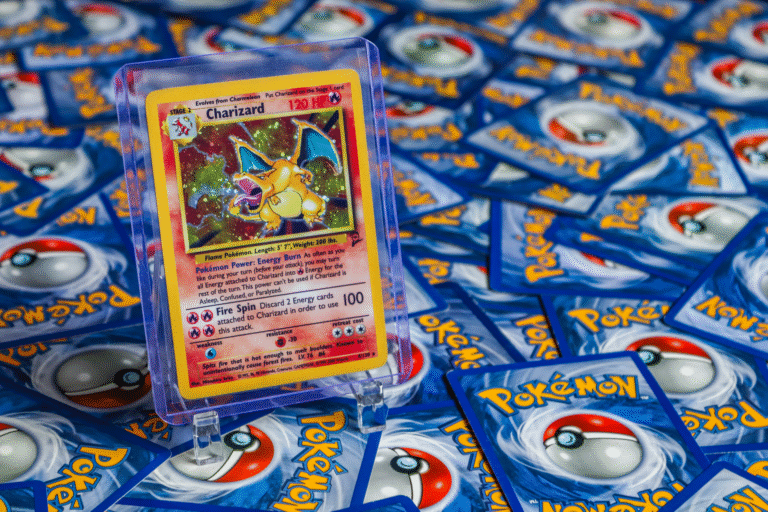
Pokémon’s 30-year run remains unmatched because it has accomplished something no other franchise has: sustained cultural relevance while scaling to impossible proportions. Since its 1996 debut in Japan, Pokémon has become the highest-grossing media franchise of all time with $115 billion in total revenue—nearly double Mickey Mouse’s $61.2 billion. In fiscal year 2024-2025 alone, the franchise generated ¥410.932 billion ($2.9 billion USD), a 38.1% increase, all while maintaining the credibility and excitement that drives collectors to hunt vintage cards and new fans to spend $1 billion on mobile games within months of launch.
What separates Pokémon from other long-running franchises isn’t just its revenue scale, though that’s staggering. It’s the genuine engagement across seemingly incompatible audiences—children, adults, competitive players, casual collectors, and investors all participate in an ecosystem where a 1999 holographic Charizard can sell for six figures while a new card released this month might fund someone’s retirement. Pokémon has achieved what Disney, Marvel, and Zelda have not: consistent growth and cultural penetration across three decades without a catastrophic misstep that forced a reset.
Table of Contents
- How Has Pokémon Sustained Growth Across Three Decades?
- The Trading Card Game’s Unprecedented Dominance
- Why Video Games Keep Becoming Cultural Events
- Understanding the Collector’s Advantage
- The Risks in Pokémon’s Rapid Acceleration
- Cultural Penetration at Scale
- What Pokémon Legends: Z-A Signals About the Future
- Conclusion
How Has Pokémon Sustained Growth Across Three Decades?
The franchise’s ability to grow while aging is its most impressive feat. The pokémon Company printed 85 billion cards between March 2025 and March 2026 alone—and that still couldn’t meet demand. To put this in perspective, 11.7% of all Pokémon cards ever printed in the franchise’s history came out in just one fiscal year. This isn’t nostalgia selling to Gen X millionaires; this is active, accelerating production to meet rising demand from new players discovering the game on platforms like Pokémon TCG Pocket, which exceeded 100 million downloads in its first four months and generated over $1 billion in spending in seven months.
The video game side operates under similar pressure. Pokémon Scarlet and Violet sold over 26 million units by the end of 2024, with 10 million copies moving in the first three days alone. These aren’t niche success stories—they’re mainstream culture events. Meanwhile, the anime, which first aired on April 1, 1997, now holds the Guinness World Record for longest-running anime series based on a video game, with 1,216+ episodes to its name. Each medium reinforces the others, creating a self-sustaining ecosystem that other franchises have tried but failed to replicate.

The Trading Card Game’s Unprecedented Dominance
The TCG became the franchise’s financial engine in the past five years, and its trajectory is where you see Pokémon’s unmatched position most clearly. The cards are now printed in 16 languages across 90 countries and regions, making it the first card game with truly global reach at this scale. But the real story isn’t geographic expansion—it’s the collision of supply and demand that’s happening in real time.
The challenge, however, is real: scaling production to meet demand while maintaining card quality and protecting the integrity of the market. Counterfeit cards have become sophisticated enough to fool casual buyers, and rapid reprints of popular cards can destabilize secondary market prices that collectors depend on. The franchise has shown it can manage these risks better than most, but the sheer production volume—85 billion cards in a single year—creates friction points that no company has faced at this scale before. Maintaining trust while printing that volume is Pokémon’s current test.
Why Video Games Keep Becoming Cultural Events
Every mainline Pokémon game becomes a news story, not because of marketing but because people genuinely want to know what’s coming. Pokémon Legends: Z-A is scheduled for late 2025, and that announcement alone will shape the hobby calendar for millions of players. The original Pokémon Red, Green, and Blue set the Guinness World Record for best-selling RPG ever with 31.38 million units sold, a record that still stands despite decades of competition from Final Fantasy, Elder Scrolls, and Baldur’s Gate.
The franchise has managed the tricky balance of releasing games frequently enough to feel fresh without cannibalizing the player base. New generations arrive roughly every three to four years, giving players time to invest in current content while maintaining anticipation. This cadence would fail for most franchises, but Pokémon’s cultural position makes it work. The franchise isn’t competing against other games for Pokémon players—it’s competing against time itself, trying to stay relevant to players aging through different life stages.
Understanding the Collector’s Advantage
For card collectors specifically, Pokémon’s scale is both an opportunity and a risk that’s worth understanding. The sheer volume of cards printed means there are more avenues for investment—limited printings, special editions, and regional variants create premium versions alongside standard releases. A booster box from a first edition set might represent a genuine investment, while newer printings serve the casual player without the same long-term appreciation potential.
The tradeoff is transparency and pricing discovery. With 85 billion cards produced annually and prices fluctuating based on print runs, demand spikes, and market sentiment, it’s harder to identify genuine value than it was in 2020-2021 when supply constraints made pricing straightforward. You need to understand whether a card’s value comes from scarcity (original printings), gameplay relevance, or speculative enthusiasm. This requires more research than it used to, but it also means there are genuine opportunities for informed collectors who understand the difference.
The Risks in Pokémon’s Rapid Acceleration
Rapid growth creates vulnerability, even for the world’s largest franchise. The TCG market expanded so fast in 2020-2023 that quality control suffered in some print runs, leading to complaints about centering, texture issues, and inconsistent card stock. Pokémon has addressed these issues in recent productions, but the growing pains revealed that scaling at this speed carries real quality risks. A single major print run with widespread defects could damage the franchise’s reputation and destabilize the secondary market.
There’s also a sustainability question beneath the growth numbers. Pokémon generated $12 billion in revenue in 2024, up $1.2 billion year-over-year, but that growth assumes continued engagement across multiple age groups and geographies. If any major territory—Japan, North America, Europe—experiences a demand correction, the fragile supply-demand balance that justifies current production volumes collapses. The franchise is betting that the 30-year brand strength is durable enough to weather market corrections, and history suggests that bet will pay off. But nothing about Pokémon’s position is guaranteed forever.

Cultural Penetration at Scale
The franchise’s cultural reach extends beyond dedicated fans. Seventy-six percent of British adults can identify Pikachu as a Pokémon, according to YouGov research. This isn’t trivia—it’s a measure of how deeply the franchise has embedded itself in mainstream consciousness. You don’t need to be a player or collector to recognize Pokémon references, and that cultural foundation creates a buffer that keeps the franchise relevant even during quiet periods for games or cards.
This cultural penetration is what separates Pokémon from competitors that have equally impressive revenue numbers but narrower audiences. A player who stopped buying cards five years ago might return after seeing Pokémon news in mainstream media. A child watching the anime becomes an adult with disposable income who buys a vintage Charizard card. That pipeline of engagement, built over 30 years, is irreplaceable.
What Pokémon Legends: Z-A Signals About the Future
The announcement of Pokémon Legends: Z-A for late 2025 confirms that the franchise isn’t resting on past success. Each new game release becomes a moment where the entire franchise ecosystem—card products, merchandise, media—accelerates in alignment.
The precedent of Pokémon Legends: Arceus showed that players will embrace experimental changes within the franchise formula, which gives the developers room to innovate without losing the core audience. Looking at Pokémon’s current trajectory, the next five years will likely determine whether this 30-year run extends to 40 or whether growth plateaus and then shrinks. The franchise has the momentum, the cultural position, and the financial resources to sustain dominance, but it also faces the pressure that comes with being the world’s largest media franchise—every decision is watched, every product release is scrutinized, and any stumble is magnified by the sheer scale of attention.
Conclusion
Pokémon’s 30-year run remains unmatched because it has solved problems that killed other long-running franchises: it’s managed generational turnover without abandoning existing audiences, expanded globally without losing local relevance, and scaled production to impossible volumes while maintaining consumer trust and secondary market value. The franchise is simultaneously a children’s game, a competitive sport, a collectible investment vehicle, a video game series, an anime, and a cultural touchstone—and it succeeds in all those roles at once. For collectors and investors, this unmatched position creates both opportunity and obligation.
The market is mature enough to reward research and penalize speculation, which means the days of accidental fortune in Pokémon cards are mostly behind us. What remains is a fascinating, liquid market where genuine value exists for those who understand the difference between collectibility and speculation. That market exists precisely because Pokémon achieved what no other franchise has: sustained growth for 30 years while remaining fundamentally credible.