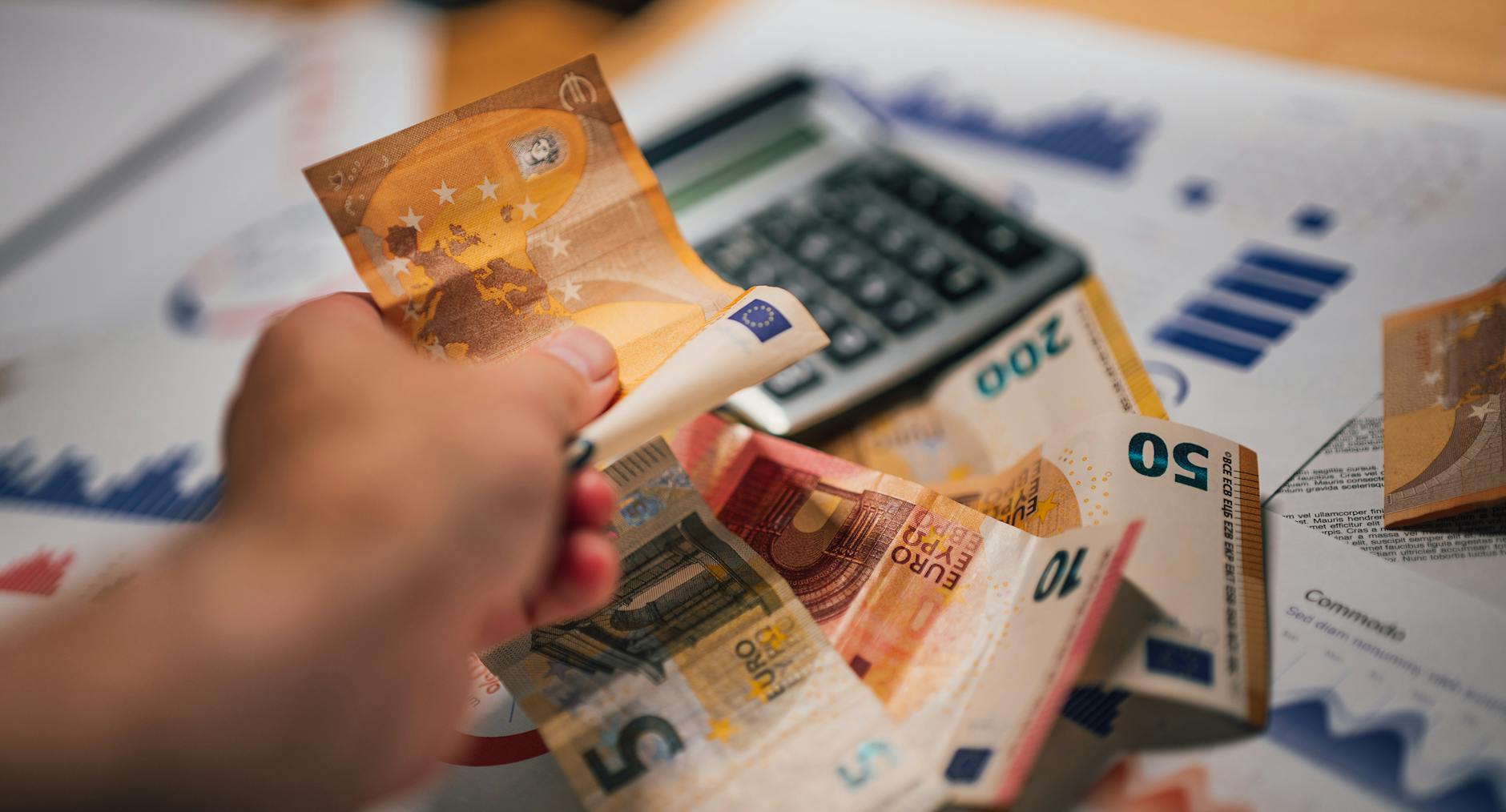
Grading fees fundamentally changed Pokémon card collecting from a hobby focused on volume and personal enjoyment into one increasingly driven by investment potential and careful financial calculation. Before the major price increases that began in 2021-2022, getting cards graded was an accessible option for collectors who wanted third-party verification of their cards’ condition. When PSA, BGS, and other grading companies charged $10-$20 per card, hobbyists could afford to send in entire collections or casual pulls from booster boxes. Today, with standard grading fees ranging from $30-$100+ per card depending on turnaround time and service, the economics of grading have completely inverted.
A collector who once might have sent in fifty cards from a set now carefully considers whether to grade five of their best cards, fundamentally reshaping which cards get preserved, authenticated, and entered into the market. The fee structure has created a two-tier collecting ecosystem where high-value cards get professional grading and low-value cards remain raw. This wasn’t an overnight shift—it happened gradually as demand for grading services exploded and grading companies raised prices to manage the backlog. A single Charizard or Trophy Card that might have cost $15 to grade in 2019 now costs $100 or more, making collectors actively debate whether a card is worth authenticating at all. The ripple effects have been profound: people grade fewer cards, hold onto graded cards longer because of the sunk cost, avoid grading bulk commons they once might have preserved, and increasingly focus their grading budgets on cards with proven market value.
Table of Contents
- Why Did Demand for Grading Overwhelm the Pricing Model?
- The Barrier to Entry for Budget Collectors
- How Grading Fees Created the Grade-Chasing Culture
- Strategic Decisions About Which Cards Are Worth Grading
- The Risk of Over-Grading and the Commons Trap
- Emerging Alternatives to Traditional Grading Services
- The Long-Term Evolution of the Grading Market
- Conclusion
Why Did Demand for Grading Overwhelm the Pricing Model?
The pokémon card market explosion of 2020-2021 created unprecedented demand for grading services at the exact moment when supply couldn’t scale. A hobby that had been relatively dormant for decades suddenly saw millions of new collectors, celebrity endorsements, and mainstream media attention. Everyone wanted their cards authenticated and graded—not just serious collectors, but casual players, investors, and speculators hoping to flip cards for profit. Grading companies that had been comfortable processing thousands of cards per month were suddenly facing backlogs of millions.
Grading companies responded to this pressure by raising fees significantly to reduce demand and incentivize people to be more selective about what they submitted. PSA, once the industry standard, went from a $10 standard service to fees starting at $20 and climbing based on turnaround speed, card value, and service type. BGS raised prices similarly, and newer competitors like Sportscard Grading entered the market with their own fee structures. The economic logic was sound: higher fees discourage casual submissions while generating more revenue to pay for expanded grading operations. But the unintended consequence was that grading became something only serious collectors and dealers could afford to do regularly.

The Barrier to Entry for Budget Collectors
Grading fees have fundamentally excluded budget collectors from the authentication market. A collector who enjoys building sets of 1990s base set cards or modern bulk lots now faces a difficult calculation: is paying $30-$50 to grade a $15-$30 card worth the investment? For most hobby collectors, the answer is no. This means collectors with smaller budgets or those focused on the joy of ownership rather than resale value often keep their best cards ungraded, which paradoxically can hurt their long-term value since buyers increasingly trust authenticated cards more than raw cards.
The cost structure particularly punishes collectors interested in lower-value modern sets or cards with sentimental rather than monetary value. A first edition card pulled from a booster box thirty years ago might have cost that collector $3 in booster pack form, but grading it today costs $50 or more. Some collectors have responded by storing cards in protective sleeves and albums without grading, creating a quality-of-life downside: they own cards they’re proud of but can’t easily verify their condition to others or sell them with confidence. Others have shifted to grading only their absolute best cards—a Holo Blastoise, a holographic Mewtwo—and leaving everything else raw.
How Grading Fees Created the Grade-Chasing Culture
As grading became expensive and deliberate, collecting behavior shifted from “acquire many cards” to “acquire the best versions of key cards.” Collectors now think strategically about which specific cards justify authentication spending. This created what the collecting community calls “grade-chasing”—the practice of hunting for raw cards in the best possible condition and then sending those specific copies for grading, since the cost is fixed regardless of the card’s raw condition. A collector might spend weeks finding a pristine raw copy of a popular card with perfect centering, sharp corners, and no surface wear, then grade it because they found an exceptional specimen.
This behavior has changed the secondary market dynamics significantly. Cards that would have been sold raw ten years ago now get graded before sale because sellers recognize that authenticated condition increases buyer confidence and resale value. The fee structure has inadvertently created an incentive for collectors to become more discerning about card quality, since they’re about to pay $50+ per card anyway—they might as well send in the best possible version. Some dealers now run grading-focused businesses where they specifically hunt for high-quality raw cards, grade them in bulk to reduce per-card costs, and resell the authenticated versions at a markup.

Strategic Decisions About Which Cards Are Worth Grading
Serious collectors now approach grading as a financial decision, not an automatic process. The threshold calculation is simple but varies by card: if a raw card sells for $50 and a graded version of the same card in excellent condition would sell for $80, is the $30-$50 grading fee worth it? For a rare holographic Charizard, the answer is likely yes. For a common reverse holo from a modern set, it’s almost certainly no. This has created a natural grading hierarchy where high-value vintage cards, first editions, chase holographics, and special editions get graded, while bulk commons and bulk non-holos remain raw.
The decision also depends on a collector’s intent. Someone building a personal set collection for enjoyment might never grade anything, since the cards aren’t for sale. A dealer building inventory for resale will be more selective, grading only cards with enough margin to justify the cost. A speculator holding cards hoping for future value appreciation faces the highest uncertainty—they’re paying to grade cards that might never be worth the investment, but they also lose the option to sell ungraded if the market cools. Some collectors have found middle ground by using lower-cost alternative grading services or waiting for promotional grading events when fees are reduced.
The Risk of Over-Grading and the Commons Trap
One significant downside of higher grading fees is the incentive they’ve created to avoid grading cards that should arguably be graded. Common cards, bulk holos, and cards with moderate value often don’t justify the $30-$50 grading cost, so collectors leave them raw. This creates a hidden market inefficiency: cards that are genuinely in excellent condition and would benefit from authentication remain ungraded because the fee is proportional to a card’s rarity, not its condition. A perfect-condition common card might be worth $3 raw, but even if a buyer would pay $5 for an authenticated version, the grading fee makes authentication economically irrational.
There’s also a trap for collectors who grade cards expecting big returns. Someone might spend $50 to grade a card hoping it grades at an 8 or 9, believing that authentication will unlock significant value. But if the card grades at a 6 or 7, they’ve overpaid relative to the card’s actual market value, and they now own a graded card that might be harder to move than if they’d kept it raw and flexible. This is particularly risky with vintage cards where condition can be unpredictable—a card that looks excellent to the naked eye might grade lower than expected due to wear that’s hard to spot without professional examination.
Emerging Alternatives to Traditional Grading Services
The fee structure at major grading companies has created opportunities for lower-cost alternatives and emerging services. SGC, which focuses on vintage cards, offers different fee tiers that can be more economical for certain collectors. Sportscard Grading and other newer entrants have positioned themselves as lower-cost alternatives, though often with less market recognition.
Some collectors have also explored using store credit with local card shops as a way to offset grading costs—buy cards from the shop, grade them through a partnership, and reduce out-of-pocket fees. Digital authentication and blockchain-based solutions have emerged as experimental alternatives, though they haven’t yet achieved mainstream adoption. Some collectors have also shifted to using higher-quality protective sleeves and card storage methods to preserve their cards without authentication, essentially accepting that raw cards will be harder to sell but saving the authentication fee. For bulk lots and lower-value cards, this has become the de facto standard—collectors grade their single best card and store the rest carefully without authentication.
The Long-Term Evolution of the Grading Market
Grading fees are likely to remain elevated for the foreseeable future, but the market is slowly finding equilibrium. The initial explosion of demand has cooled as many casual collectors exited the hobby or completed their initial purchases. Grading backlogs have cleared considerably, allowing turnaround times to improve even as fees remain high.
Some collectors predict that grading companies will eventually lower fees to attract more volume, while others believe that authentication fees will remain a permanent tax on the market, fundamentally changing collecting economics for the next generation. The long-term impact might be a bifurcated hobby: serious collectors and dealers who grade selectively and strategically, and a larger population of casual collectors who enjoy cards but never authenticate them. This could paradoxically create value for truly exceptional raw cards in an authenticated world, since a spectacular raw card might become a rarity worth seeking out. The Pokémon collecting community is still adjusting to these economics, and behavior patterns are still evolving as people realize that grading isn’t necessary to enjoy collecting—it’s a choice with real costs and real benefits that each collector needs to evaluate individually.
Conclusion
Grading fees have fundamentally changed Pokémon card collecting from an accessible authentication option into a strategic, expensive, and selective process. By raising prices dramatically in response to demand, grading companies have inadvertently created a two-tier market where only high-value and chase cards typically get authenticated, while bulk commons and lower-value cards remain raw.
This shift has pushed collectors toward more deliberate purchasing decisions, encouraged grade-chasing behavior, and excluded budget collectors from the authentication market. The practical takeaway for collectors is to evaluate grading strategically: only authenticate cards where the gap between raw and graded value exceeds the cost of grading, focus grading efforts on your most valuable and important cards, and recognize that ungraded cards remain perfectly valid for personal collecting enjoyment. The grading fee structure is unlikely to change dramatically, so the best approach is to understand your own collecting goals and make grading decisions based on whether authentication genuinely aligns with your intent to build, preserve, or resell your collection.
You Might Also Like
- What New Collectors Should Know Before Grading Pokémon Cards
- How Grading Turned Pokémon Cards Into a Serious Investment Market
- Why Pokémon Card Grading Is Officially Out of Control