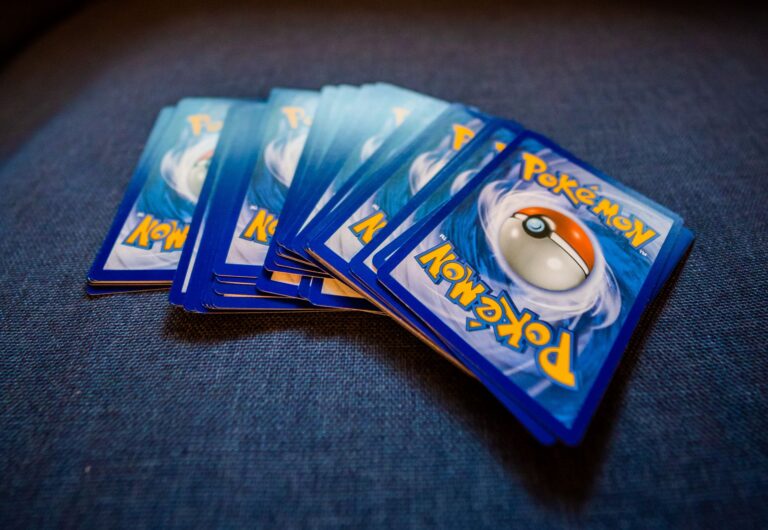
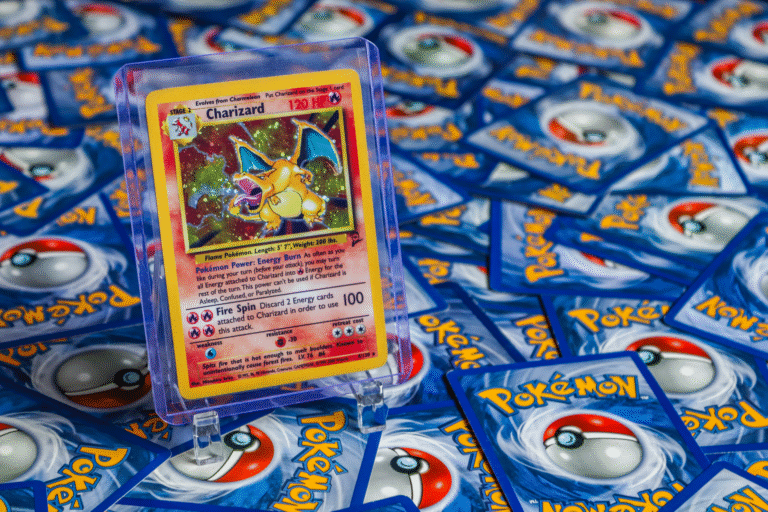
Grading transformed Pokémon cards from casual collectibles into measurable assets with standardized valuations. When professional authentication services like PSA, CGC, and Beckett began encasing cards in protective slabs with numerical grades, they essentially created a transparent secondary market where collectors and investors could buy and sell with confidence. A 1999 Charizard that might have sold for hundreds of dollars based on vague condition assessments now commands thousands when authenticated and graded PSA 10, with pricing explicitly tied to that certification. The numbers reveal how profound this shift has been.
In 2025 alone, authenticators graded 16.1 million Pokémon cards—representing 61 percent of all 26.8 million cards graded across all categories that year. This 32 percent jump in total grading volume from 2024 is not simply about more collectors participating. It reflects a fundamental market structure: graded cards have become the investment standard, not the exception. Without a grade from a recognized authenticator, even rare vintage cards now struggle to command premium prices.
Table of Contents
- What Makes Grading the Foundation of Pokémon Card Investment?
- The Investment Returns That Drove Market Expansion
- How Grading Standards Affect Card Value and Market Pricing
- Grading as a Market-Creation Strategy
- The Risk of Grading at Market Peaks
- How Grading Companies Consolidate Market Power
- The Future of Grading in an Expanding Market
- Conclusion
What Makes Grading the Foundation of Pokémon Card Investment?
Grading creates price transparency where none existed before. A PSA 10 base set Venusaur means something concrete to a buyer in Tokyo and a collector in Miami—they know the exact condition, the exact authentication, and can cross-reference comparable sales across multiple marketplaces. Before grading became standard, selling a high-value card required private negotiation, multiple expert opinions, and buyers accepting significant uncertainty about authenticity and condition.
The grading companies themselves have become competitive players in this ecosystem. PSA graded 19.26 million cards in 2025, maintaining market dominance, while CGC Cards exploded with 4.92 million cards—a stunning 121 percent year-over-year increase that signals collectors shifting to alternatives over quality concerns or turnaround time. Beckett, once the standard for sports cards, graded 824,000 pokémon cards, achieving its highest volume in the GemRate era. This competition matters because it keeps fees competitive and encourages faster turnaround times, making grading accessible to more collectors.

The Investment Returns That Drove Market Expansion
Historical performance data shows why investors treat Pokémon cards seriously. PSA 10 rookie cards delivered an 18.3 percent annualized return over one year, outperforming major equity benchmarks during a period when stock markets struggled. This isn’t theoretical—collectors who graded a high-quality Charizard or Blastoise in 2024 saw actual appreciation measured in thousands of dollars by 2025. Individual cards showed explosive growth: a Gray Hat Pikachu appreciated 397 percent year-over-year, while Giratina V jumped 122 percent and Magikarp surged 139 percent.
However, these returns mask significant risks and volatility. The graded modern card market shows clear speculative bubble signals, particularly in ungraded/graded cards and sealed products like Elite Trainer Boxes and Booster Boxes. Many collectors chasing the next Gray Hat Pikachu are buying into hype cycles, grading cards at peak valuations, and finding limited buyers at those prices when market sentiment shifts. The difference between a PSA 10 and a PSA 9 can cost thousands of dollars, but that premium exists only if demand remains high. Modern cards lack the scarcity and historical prestige of vintage cards, making them vulnerable to correction.
How Grading Standards Affect Card Value and Market Pricing
Different grading companies issue the same card at different grades, creating meaningful pricing disparities. A PSA 10 commands approximately 28 to 15 percent premiums over a CGC 10 of the same card on secondary markets, and 12 to 22 percent premiums over a BGS 9.5. These spreads persist despite all three companies using similar numerical scales, reflecting collector perception that PSA grades more consistently or that PSA slabs hold resale value more reliably.
This creates strategic decisions for investors: should you pursue a PSA 10 that costs 20 percent more, or a CGC 10 that might be equally well-preserved? The premium structure incentivizes collectors toward PSA, but it also creates opportunity. Savvy investors sometimes buy well-centered CGC 10 cards, recognize they are visually equivalent to PSA 10 examples, and hold them knowing that a potential shift in collector preference could narrow the premium gap. Alternatively, some collectors sell PSA cards before the slab ages, since vintage PSA slabs from the 1990s and 2000s are now themselves collectible artifacts that command premiums over newer slabs.

Grading as a Market-Creation Strategy
Grading transformed sealed products and modern sets into investable assets almost overnight. Before authentication standardization, an unopened Pokémon booster box from 2021 had no established market price—it was novelty, not investment grade. Today, sealed products are graded by companies like CGC and PSA, creating transparent pricing that allows collectors to treat a Graded Gem Mint box as a store of value comparable to vintage cards. The global trading card market is projected to reach $58.2 billion by 2034, up from $21.4 billion in 2024, and grading is central to that expansion because it legitimizes the category as investment-worthy.
The practical tradeoff is cost and timing. Grading a card costs $20 to $100+ depending on the turnaround time and authentication tier you select. If you submit a card worth $150 for a $50 grading service, you’ve reduced your margin significantly, and you’re betting that the grade will add enough value to justify the expense. For valuable vintage cards, this math works—a Charizard grading PSA 8 instead of an ungraded condition estimation can add $5,000 to its price. For modern bulk cards valued under $50, grading is economically senseless unless you believe the card will appreciate substantially.
The Risk of Grading at Market Peaks
Collectors frequently make the mistake of grading cards at peak market valuations, then watching prices decline faster than they anticipated. A player who bought a Giratina V at its +122 percent peak and immediately submitted it for grading paid $60 to authenticate and slab a card that might have appreciated 60 percent by the time the slab arrived. Grading turnaround times—often 30 to 60 days for standard services—mean your card is locked in a protective slab during market movements you cannot capitalize on.
Another limitation is that grading is nearly irreversible. Once a card is graded and slabbed, removing it damages the slab’s integrity and typically voids any future resale premium that depends on that original grading company’s seal. This means if you mis-time the market and grade a card that depreciates, you’re holding an asset that’s harder to liquidate than an ungraded version would be. The slab that was supposed to increase confidence in your investment instead becomes a liability if the market moves against you.

How Grading Companies Consolidate Market Power
The concentration of grading power among PSA, CGC, and Beckett creates ecosystem effects that benefit these companies and complicate collector choices. PSA’s historical dominance means most collector forums, price guides, and investment benchmarks default to PSA grades when discussing value. This becomes self-reinforcing: because everyone assumes PSA 10s are the standard, demand for PSA 10s increases, the premium widens, and collectors prioritize submitting cards to PSA.
CGC’s aggressive expansion in 2025 signals a challenge to this status quo, but PSA’s lead remains substantial. The competitive dynamic has accelerated turnaround times and innovation—CGC introduced new slab designs, PSA expanded service tiers, and Beckett repositioned itself. Collectors benefit from faster processing and premium alternatives, but the system still relies on trusting these private companies to maintain standards. If a grading company ever faced widespread authenticity failures or accusations of inconsistent grading, it could trigger a confidence crisis that undermines the entire market structure that grading created.
The Future of Grading in an Expanding Market
As Pokémon cards mature as an investment category, grading standards will likely become even more sophisticated. Collectors already debate whether current numerical grades (1-10) capture enough nuance about centering, print lines, and surface quality. Future iterations might include sub-grades or digital authentication tied to blockchain verification, creating additional price segmentation and transparency.
The projected $58.2 billion trading card market by 2034 suggests room for multiple grading companies and emerging authentication methods to coexist. The long-term viability of grading depends on maintaining collector trust and preventing authentication fraud. Major graders have survived scrutiny by investing in security features and transparent grading standards, but the stakes increase as card values climb. A single major authentication scandal—evidence that slabs were tampered with or grades inflated—could collapse confidence in the entire system that grading created.
Conclusion
Grading turned Pokémon cards into investment-grade assets by solving the fundamental problem of trust and standardization. When you can compare a card’s grade, condition, and authentication across different sellers and markets, investing in Pokémon cards becomes analogous to investing in any other measurable asset. The market responded explosively: 16.1 million Pokémon cards graded in 2025 alone, with some PSA 10 rookie cards returning 18.3 percent annually and delivering premiums of 28 percent over competing graders’ equivalent grades.
Understanding grading’s role in the market means recognizing both its power and its risks. Grading created the secondary market that made Pokémon cards investable, but it also introduced new vulnerabilities—timing risk, speculative bubbles in modern cards, and concentration of market power among three major authenticators. Collectors and investors who want to participate should view grading as a tool for serious, valuable cards, not as a way to guarantee appreciation on bulk inventory or modern speculation. The market exists because grading made it possible, but grading itself guarantees nothing about future value.