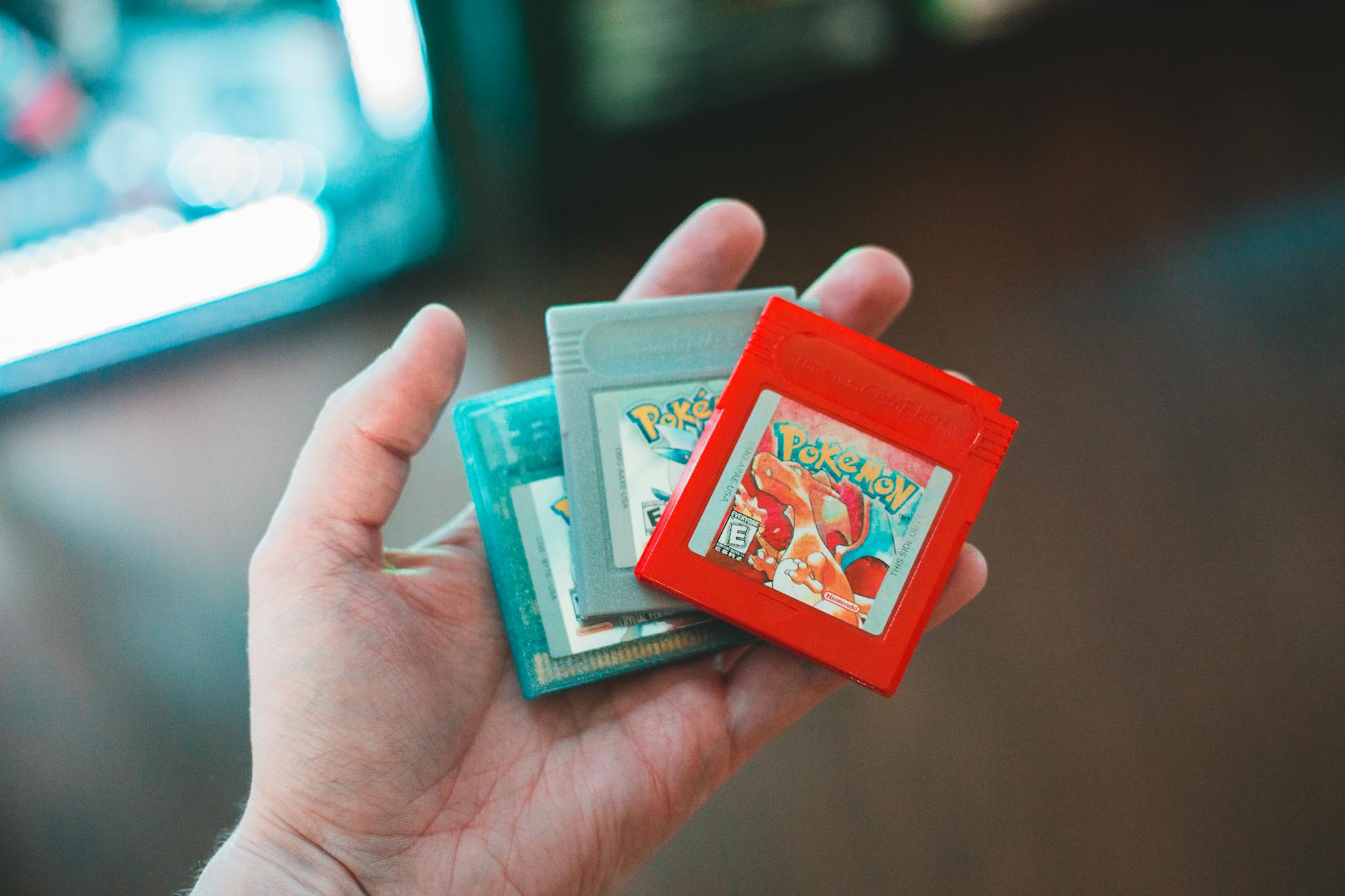
First Edition Pokémon cards have transformed into a legitimate wealth-building asset class, with record-breaking sales demonstrating that vintage WOTC holos can genuinely become multigenerational wealth if acquired and preserved strategically. The Pikachu Illustrator card sold for $16.5 million in 2026—achieving a Guinness World Record—while a 1st Edition Shadowless Charizard reached $550,000 at Heritage Auctions in December 2025, signaling that these collectibles are no longer novelty investments but serious alternative assets comparable to fine art or rare coins. For investors willing to navigate the grading system, condition requirements, and extended holding periods, first edition cards offer tangible appreciation potential that has outpaced traditional stock markets by a factor of nearly eight since 2004. The math is compelling. Pokémon cards have delivered a cumulative return of 3,821% since 2004, compared to the S&P 500’s 483% return over the same period.
Industry analysts project 15-25% compound annual growth through 2035 for graded cards, with an additional 30-50% appreciation expected through Pokémon’s 30th anniversary in 2026. Unlike stocks or bonds, physical first edition cards offer tangible scarcity—there are only 121 copies of the 1st Edition Base Set Charizard graded PSA 10 out of over 2,300 submissions since 1999—meaning legitimate rarity supports valuation rather than speculative sentiment. However, generational wealth requires understanding the specific mechanics that drive value. Condition premium alone creates an 8.5x price differential between an ungraded 1st Edition Charizard (~$1,900) and its PSA 10 counterpart (~$16,270). Entry costs, grading fees, storage requirements, and liquidity constraints mean this strategy demands patience, capital, and discipline—it is not a quick flip but a true buy-and-hold wealth accumulation play.
Table of Contents
- What Makes First Edition Pokémon Cards Store Generational Value?
- The Condition Premium and Grading’s Impact on Investment Returns
- Record Sales and Market Validation of Long-Term Value
- Building a First Edition Portfolio as an Alternative Asset Strategy
- Grading Risk, Market Volatility, and Authentication Concerns
- The 30th Anniversary Catalyst and Near-Term Appreciation Window
- Institutional Adoption and Market Maturation Driving Wealth Preservation
- Conclusion
- Frequently Asked Questions
What Makes First Edition Pokémon Cards Store Generational Value?
First edition pokémon cards achieve wealth storage because they combine three factors absent in most collectibles: extreme scarcity by grade, documented price appreciation over multiple decades, and a global market large enough to absorb multi-million-dollar transactions. A 1st Edition Blastoise Holo from Base Set (Shadowless, PSA 10) sold for approximately $88,000 in July 2025, not because of hype but because there are simply very few copies in perfect condition. The population report for PSA-graded Pokémon cards shows that 97 of the top 100 most valuable cards graded in the first half of 2025 were Pokémon—demonstrating market dominance and consistent demand.
The generational component lies in the non-correlated nature of these assets. While stocks and bonds react to interest rates and economic cycles, Pokémon card values have remained resilient during market downturns, with experienced collectors noting that nostalgia-driven demand and limited supply operate independently of macroeconomic conditions. A parent who purchased a 1st Edition Charizard for $100 in the late 1990s could pass it to their child as an asset worth over $10,000 today, with realistic potential to reach six figures within the next decade if condition is preserved and the market continues its current trajectory.

The Condition Premium and Grading’s Impact on Investment Returns
Condition is not a minor variable in Pokémon card investing—it is the primary value driver. A raw, ungraded 1st Edition Charizard carries roughly 8.5x less value than its PSA 10 equivalent, representing a $14,370 price difference on a single card. PSA 10 cards command a multiplier up to 20x compared to raw or lower-graded versions, meaning the same card in different grades exists in entirely different wealth tiers. This creates a critical limitation for casual collectors: the entry point to true generational wealth is not modest. To access cards positioned for serious wealth accumulation, you must either locate raw first editions in exceptional condition (increasingly rare and requiring expert eye), or purchase already-graded specimens. The latter option involves paying current market rates, which are elevated but justified by the scarcity verification that PSA grading provides.
Grading costs range from $19 to $300+ per card depending on turnaround time and declared value, so submitting 10 raw cards for grading can cost $300–$3,000 before any potential appreciation occurs. This capital-intensive approach filters out casual participants and concentrates holdings among serious collectors and institutional investors. The warning here is straightforward: a PSA 10-graded card carries significant sunk costs that must be recovered through appreciation. If a card appreciates modestly, the grading premium may not have been justified. Additionally, PSA grading standards and holder technology have evolved over decades, meaning some older slabs have been resubmitted to newer holders as standards tightened. This creates a grading hierarchy where earlier slabs are sometimes viewed with skepticism, requiring careful due diligence on older high-value cards.
Record Sales and Market Validation of Long-Term Value
The $16.5 million Pikachu Illustrator sale in 2026 represents more than a novelty headline—it is market validation that institutional capital is now treating pokémon cards as comparable to fine art or rare collectibles. Major auction houses like Heritage Auctions have dedicated card departments, and sales data is documented by platforms like PokemonPriceTracker and PokeInvest, providing transparency that builds investor confidence. These record sales establish floor prices and reference points for lower-tier first editions, strengthening the entire market structure.
The $550,000 Heritage Auctions sale of a 1st Edition Shadowless Charizard PSA 10 in December 2025 is particularly instructive for generational wealth planning. This card is neither a one-of-a-kind illustrator card nor an error variant—it is simply an exceptionally preserved specimen from a base set that sold millions of copies. Its value demonstrates that even “common” first editions, when properly preserved, command serious capital. A collector who purchased this specific card a decade ago likely paid $5,000–$15,000; the $550,000 valuation represents a 30-50x return depending on acquisition timing, illustrating the compounding effect over a 10–20 year hold period.

Building a First Edition Portfolio as an Alternative Asset Strategy
Experts recommend allocating 5-15% of total alternative-asset capital to Pokémon cards, positioning them as a satellite holding rather than a core wealth strategy. This allocation philosophy acknowledges the genuine appreciation potential while recognizing concentration risk—Pokémon cards should complement real estate, equities, precious metals, and other traditional or alternative assets rather than replace them. For a household with $1 million in alternative assets, a $50,000–$150,000 Pokémon allocation provides meaningful exposure without excessive risk concentration. The practical approach for generational wealth involves focusing on 1st Edition Base Set holograms (Charizard, Blastoise, Venusaur) in PSA 9–10 grades, supplemented by key cards from other early sets like Jungle and Fossil first editions. These cards have documented price history, transparent grading standards, and deep liquidity at auction.
Diversifying across multiple cards reduces idiosyncratic risk—if one card underperforms, others in your portfolio are likely to offset the weakness. A portfolio might include a 1st Ed Charizard as the flagship holding (highest ceiling, deepest liquidity), supported by lower-tier first editions, neo-vintage cards (Umbreon VMAX alt-art crossed $2,000 in September 2025), and selective higher-end modern cards in exceptional grades. The tradeoff is liquidity versus appreciation. While a $1 million stock portfolio can be liquidated in hours, selling a $500,000 Pokémon card may take weeks or months, requiring coordination with auction houses or dealer networks. For true generational wealth, this illiquidity is acceptable because the holding period is measured in decades, not quarters. Parents passing assets to children are not concerned about quarterly liquidity; they are focused on preservation and appreciation over 20–40 year horizons, where Pokémon cards’ historical performance becomes highly relevant.
Grading Risk, Market Volatility, and Authentication Concerns
Pokémon card markets have experienced sharp corrections when public enthusiasm wanes or when counterfeit supply enters secondary markets, creating periods of 20-30% price volatility within 6-12 month windows. The 2021–2022 Pokémon boom saw speculative buying at inflated prices; collectors who purchased during peak euphoria experienced 30-50% drawdowns. Generational wealth requires emotional discipline to weather these cycles without panic-selling during corrections. If you purchase a PSA 10 card for $50,000 and it trades at $35,000 six months later due to market saturation or sentiment shifts, the ability to hold for another decade of appreciation becomes critical. Authentication risk exists despite PSA’s market dominance. While PSA grades 97 of the top 100 cards, counterfeiting technology has improved, and some dealers have faced accusations of submitting “doctored” cards for grading.
Additionally, PSA itself has faced criticism for grade inflation in certain years and categories, particularly for cards graded in the 1990s and early 2000s. Collectors purchasing high-value vintage cards should independently verify authenticity through multiple expert assessments, particularly if acquiring cards graded before 2010 or from sources outside established auction houses. The limitation is that generational wealth accumulation requires trust in institutional grading and market mechanisms that are themselves imperfect. Unlike real estate, which can be physically verified, or precious metals, which have intrinsic material value, Pokémon cards derive value from collector consensus and grade verification. If the grading standard shifts, or if collecting culture experiences demographic decline, valuations could compress. Prudent approach: diversify among multiple high-value cards rather than concentrating 50% of allocation in a single card, and prioritize cards graded by PSA with documented provenance and auction history.

The 30th Anniversary Catalyst and Near-Term Appreciation Window
Pokémon’s 30th anniversary in 2026 represents a timing catalyst that analysts project will drive 30-50% appreciation for vintage cards across the board. Nostalgia cycles tend to spike around milestone anniversaries—the 25th anniversary in 2021 preceded the speculative bubble—and the 30th anniversary provides another narrative hook for mainstream media coverage and institutional attention. Cards already positioned in portfolios today could experience meaningful appreciation through late 2026 as anniversary celebrations drive collector engagement and FOMO-driven buying.
This creates a practical advantage for collectors entering the market within the next 6-12 months. While prices are elevated by historical standards, the 30th anniversary upside may justify current valuations. A first edition purchased today at $50,000 could reasonably reach $65,000–$75,000 by Q4 2026 if anniversary momentum develops, providing both appreciation and a natural exit point for collectors uncomfortable with extended holding periods. However, this also creates timing risk—if you purchase expecting anniversary appreciation and the market remains flat or declines, your entry price becomes a liability.
Institutional Adoption and Market Maturation Driving Wealth Preservation
The shift from speculative hobby to institutional investment vehicle has fundamentally transformed Pokémon cards’ utility as generational wealth. Ten years ago, cards were primarily bought and sold through online marketplaces and local hobby shops with limited price transparency and questionable authentication. Today, Heritage Auctions, major financial publications like Yahoo Finance and Reader’s Digest, and dedicated analytics platforms like PokemonPriceTracker provide institutional-grade market infrastructure. This maturation makes it plausible for a portfolio manager or wealth advisor to recommend Pokémon allocation to high-net-worth individuals without appearing frivolous.
Looking forward, the key question is whether this institutional adoption becomes durable or represents a temporary speculative phase. Early indicators suggest durability—enrollment in PSA grading services remains elevated, auction house catalogs include Pokémon sections, and financial media treats card investments with the same analytical framework as art or alternative collectibles. If this trajectory continues, first edition cards will remain viable generational wealth vehicles, with valuations supported by institutional capital rather than hobby enthusiasm alone. For collectors willing to deploy capital today and hold through market cycles, the combination of documented appreciation, institutional infrastructure, and genuine scarcity creates a compelling case for first edition Pokémon cards as a meaningful component of multigenerational wealth strategies.
Conclusion
First Edition Pokémon cards can realistically become generational wealth collectibles, supported by three decades of appreciated price history, demonstrated institutional market infrastructure, and genuine scarcity at high grades. The $16.5 million Pikachu Illustrator and $550,000 Charizard sales are not anomalies but rather validation that exceptional specimens command serious capital from collectors and institutional investors. For households with alternative-asset capital to deploy, a 5-15% allocation to graded first edition cards offers documented appreciation potential (3,821% cumulative return since 2004) that exceeds traditional equity returns, coupled with non-correlated asset behavior and tangible scarcity that support value through economic cycles.
The path forward requires disciplined capital deployment into PSA 10-graded first edition holograms, acceptance of illiquidity and multi-decade holding periods, careful attention to grading standards and authentication, and emotional fortitude to weather market corrections without capitulating to downside volatility. Entry costs are substantial—a meaningful portfolio typically requires $50,000–$300,000 in initial capital—but the potential to pass seven-figure assets to heirs justifies the commitment for collectors viewing this as true wealth transfer rather than speculative trading. Begin by researching population reports, studying price histories at major auction houses, and connecting with established grading and authentication resources to build informed decisions on acquisition strategy.
Frequently Asked Questions
What’s the minimum entry cost to build a generational wealth Pokémon portfolio?
A meaningful portfolio typically starts at $50,000–$100,000 for a diversified mix of 1st Edition Base Set holograms in PSA 9–10 grades. You could begin smaller with a single flagship card ($10,000–$30,000), but generational wealth requires multiple holdings to hedge idiosyncratic risk.
How do I verify a card’s authenticity before purchasing a high-value specimen?
Purchase only through established auction houses (Heritage Auctions, Goldin Auctions) or certified dealers, verify PSA population reports and grading dates, and consider hiring an independent authentication expert for cards graded before 2010. Avoid private sales without established provenance unless you have significant expertise.
Is it better to buy graded (PSA 10) or raw cards and grade them myself?
For generational wealth, purchase already-graded PSA 10 cards. Raw cards require expert eye to identify condition and grading potential; grading fees ($19–$300+) must be recovered through appreciation. Unless you are an expert with existing collection inventory, graded cards eliminate uncertainty and provide immediate market credibility.
What happens to Pokémon card values if collecting culture declines?
This is the primary risk. Valuations depend on sustained collector demand and institutional interest. Diversification across multiple cards and periodic reassessment of market fundamentals help mitigate this tail risk, but generational wealth in Pokémon assumes continued cultural relevance and collector participation over 20+ year horizons.
Should I sell cards during the 30th anniversary window in 2026?
If you purchased cards before 2024 at lower prices, anniversary appreciation provides a legitimate exit opportunity to lock in gains, particularly if you are uncomfortable with extended hold periods. However, if your goal is true generational wealth, anniversary appreciation is merely an interim milestone in a decades-long strategy.
How do I store first edition cards to preserve condition for generational transfer?
Use archival-grade storage materials (acid-free sleeves, acid-free boxes), maintain stable temperature (65–75°F) and humidity (40–50%), avoid direct sunlight, and store in secure locations (safe deposit boxes, home safes). Avoid touching graded cards, and periodically inspect for slab integrity. Consider climate-controlled private vault storage for ultra-high-value cards ($100,000+).
You Might Also Like
- Could First Edition Base Set Cards Become the Blue-Chip Pokémon Market?
- Could 1st Edition Pokémon Cards Become the Most Important TCG Assets Ever?
- Why First Edition Base Set Cards May Become Harder to Price in the Future