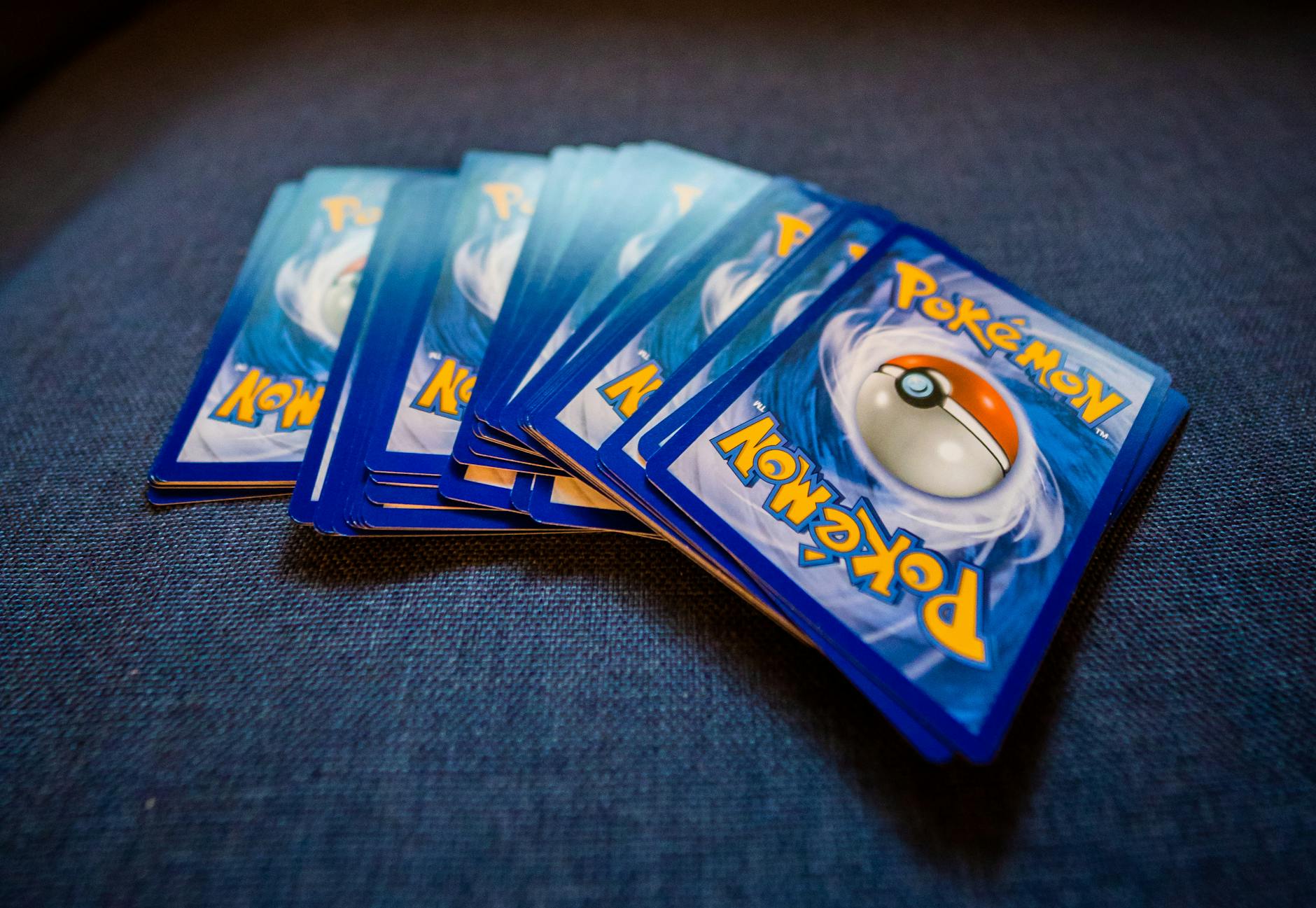
Pokemon Day has the potential to trigger a vintage card rally, but only under specific market conditions that aren’t guaranteed to align. Historically, Pokemon Day announcements and cultural moments have coincided with increased collector interest, but the causality is more complex than simply marking a date on the calendar. The 2021 vintage card boom saw multiple catalysts working simultaneously—including celebrity endorsements, social media virality, supply constraints, and mainstream media coverage—with Pokemon Day playing a supporting role rather than the main driver. A single Pokemon Day event in isolation would need to break through significant noise and market saturation to replicate those conditions.
The real question isn’t whether Pokemon Day could theoretically spark interest, but whether current market conditions would allow that interest to translate into a sustained price rally for vintage cards. The market has matured considerably since the pandemic surge, with PSA grading backlogs cleared, supply normalized, and investor attention shifted. A Pokemon Day announcement could move the needle on investment demand or media coverage, but collectors and investors today are more measured in their responses than the community was four years ago. Sustained rallies now depend less on hype cycles and more on fundamental shifts in available supply or collector demographics.
Table of Contents
- What Historical Patterns Show About Pokemon Day’s Market Impact
- Market Saturation and Why Hype Cycles Matter Less Now
- How Pokemon’s Broader Cultural Momentum Shapes Card Values
- Evaluating Which Vintage Cards Would Benefit Most
- Supply Constraints and Grading Queue Effects
- Comparing Pokemon Day Impact to Other Market Drivers
- Forward-Looking Outlook for Pokemon Day as a Market Event
- Conclusion
- Frequently Asked Questions
What Historical Patterns Show About Pokemon Day’s Market Impact
Pokemon day announcements have coincided with increased trading activity in the past, but tracking the direct influence requires separating correlation from causation. The February 2021 Pokemon Day announcement of the Pokémon Celebrations set generated anticipation, and collectors did hunt for both new releases and vintage inventory ahead of that launch. However, the broader vintage card boom of 2020-2021 was driven by a convergence of factors: Logan Paul’s YouTube video featuring a PSA 10 Charizard that sold for $220,000, retail supply shortages of modern booster boxes, and mainstream media stories about Pokemon card trading as an investment.
Pokemon Day rode that wave rather than created it. Compare that to more recent Pokemon Day events, which have generated announcement interest but haven’t translated into sustained vintage price increases. The February 2023 and 2024 Pokemon Days saw standard promotional activities—new tcgLive content, merchandise announcements, limited-time digital events—without corresponding spikes in vintage card market activity. The difference between 2021 and more recent years suggests that the novelty of Pokemon cards as an investment asset has worn off, and the market now requires either significant supply constraints or demographic shifts to drive meaningful rallies rather than temporary enthusiasm spikes.

Market Saturation and Why Hype Cycles Matter Less Now
The vintage card market has fundamentally changed since the 2021 surge. At that time, many collectors were new to the hobby and lacked detailed knowledge of card populations, PSA grade distributions, or fair market values. Social media algorithms amplified any positive price movement, creating feedback loops where rising prices attracted more buyers. Today’s market includes more experienced collectors who track price trends through sites like 130point and the price guide, understand that grade inflation distorts headline prices, and make purchasing decisions based on comparative value rather than FOMO. A significant limitation of relying on Pokemon Day for price momentum is the predictability factor.
The date repeats annually, so serious collectors and dealers already plan their inventory management around it. This removes the surprise element that occasionally drives sudden demand spikes. If a Pokemon Day announcement includes a genuinely unexpected element—such as a breakthrough in a long-stalled franchise initiative or a major partnership reveal—then the impact could differ. But standard Pokemon Day celebrations are scheduled six months in advance and widely anticipated, which reduces their shock value to the market. Investors learned expensive lessons during the 2021-2022 correction when they purchased inventory ahead of anticipated releases that failed to generate the projected demand.
How Pokemon’s Broader Cultural Momentum Shapes Card Values
The state of the broader Pokemon franchise matters more than any single date for driving vintage card interest. When major Pokemon games, shows, or movies generate widespread attention, that typically increases the entire collector base’s spending power and enthusiasm. The launch of Pokemon Scarlet and Violet in November 2022 did create increased interest in modern product and some spillover into vintage categories, particularly cards of featured Pokemon. But this interest was driven by game launch timing rather than Pokemon Day specifically. The vintage market responded to the franchise momentum, not to a calendar event.
An important distinction is between speculators and genuine collectors. Speculators chase rallies and are sensitive to hype cycles and announcements, while collectors tend to purchase cards they want for display and historical value. Pokemon Day alone appeals primarily to speculators, who now make up a smaller percentage of the market than during the 2021 surge. Genuine collectors continue to buy vintage cards year-round, regardless of promotional schedules, which creates a more stable but less volatile price environment. If Pokemon Day generated a 20% price spike, experienced collectors would recognize it as a temporary inefficiency and wait for the correction rather than buying in.
Evaluating Which Vintage Cards Would Benefit Most
If a Pokemon Day rally did materialize, it would likely target specific subsets of vintage inventory rather than across-the-board price increases. Cards with visible Pokemon prominently featured in Day promotional content would see the strongest response—essentially, whichever characters or artwork align with that year’s celebration. For example, if a Pokemon Day announcement centered on Pikachu-themed content (which seems likely given Pikachu’s status as the franchise mascot), then first edition Pikachu cards or Pikachu-heavy sets like Base Set would see more pronounced interest than cards from sets without Pikachu prominence. This specificity limits the scope of potential rallies compared to broad-based surges driven by general market enthusiasm.
The tradeoff for collectors is that targeted rallies create short-term arbitrage opportunities but carry higher risk. Buying Pikachu cards ahead of a hypothetical Pikachu-focused Pokemon Day works only if the announcement genuinely excites the market and if you can sell before the price correction. Buyers who hold those cards after the initial rally often find themselves sitting on inventory they overpaid for, waiting months for the next catalyst to recover value. Historical data from the 2021-2022 correction shows that cards purchased at the peak of a hype cycle frequently took 12-24 months to recover their purchase price, if they ever recovered fully.
Supply Constraints and Grading Queue Effects
A practical limitation many collectors overlook is the interaction between potential demand and grading services. During the 2021 surge, a sudden wave of vintage card purchases led to massive backlogs at PSA and other grading companies, stretching typical turnaround times from weeks to months. If a Pokemon Day announcement did trigger vintage card demand, collectors interested in grading their cards would face potential delays getting them back, which suppresses the price momentum because cards awaiting grades can’t be sold immediately. The correction in 2022 was partly driven by this friction—collectors couldn’t capitalize on high prices quickly enough because their cards were stuck in grading queues.
Modern grading services have improved capacity, but they’re still vulnerable to demand shocks. A sustained vintage card rally would immediately put pressure on grading queues again, particularly for popular grades like PSA 8 and 9 where most trading activity concentrates. Collectors looking to time a Pokemon Day rally would need to consider whether they have cards already graded and ready to sell, or whether they’d need to wait in queue before capitalizing on any price movement. This introduces timing risk that reduces the appeal of Pokemon Day as a rally catalyst.

Comparing Pokemon Day Impact to Other Market Drivers
Other events have moved the vintage card market more reliably than Pokemon Day. The announcement of upcoming PSA Special Edition sets with different label designs created measurable trading activity because it affected whether collectors needed to acquire cards before a specific cutoff date. Grading service shutdowns or dramatic changes to grading standards (like the 2022 shift in PSA’s assessment criteria) moved prices more than any Pokemon Day announcement. These events triggered trading because they created scarcity pressure or uncertainty about future grading conditions, whereas Pokemon Day is a celebration activity without direct market mechanics implications.
The strongest market drivers remain supply-side factors and demographic shifts. The emergence of youth Pokemon players transitioning to collecting vintage cards creates sustained baseline demand that persists regardless of promotional calendars. Similarly, when vintage card supply tightens—such as when bulk inventory holders decide to liquidate or when market-making dealers exhaust their stock—prices move meaningfully. A Pokemon Day announcement can amplify these existing factors but rarely creates them from scratch, which limits its potential to trigger a rally in isolation.
Forward-Looking Outlook for Pokemon Day as a Market Event
Pokemon Day’s role in the vintage card market will likely remain modest compared to the franchise’s performance in generating new collector interest. The franchise is increasingly focused on expanding its consumer base through games, animated content, and casual products, which benefits the tcgLive digital platform and modern booster box sales more than vintage cards. Vintage cards represent a premium collecting category that attracts a specific demographic—experienced collectors with disposable income—and that demographic is less influenced by single promotional events. As the vintage market continues to mature, price discovery relies increasingly on fundamentals like PSA population data, comparative historical sales, and macroeconomic factors affecting disposable spending rather than hype cycles triggered by annual events.
Future Pokemon Days might gain relevance to the vintage market if the franchise explicitly incorporates vintage card collecting into its promotional activities—for example, by announcing retro-themed sets or commemorating classic cards alongside the Day celebration. Currently, Pokemon Day functions as a celebration of the franchise’s general appeal rather than a directed effort to stimulate vintage card trading. If that positioning changes and future Days become occasions to highlight or re-release iconic vintage designs, the correlation between Pokemon Day and vintage price movement could strengthen. Until then, collectors should treat Pokemon Day as background context rather than a primary catalyst for purchase decisions.
Conclusion
Pokemon Day has the potential to influence vintage card prices but lacks the sustained catalytic power to trigger a major rally on its own. The market has matured beyond the hype-cycle sensitivity that characterized the 2021 boom, and most collector behavior is now driven by fundamental factors—available supply, card population data, comparative values, and long-term franchise momentum—rather than calendar events. A Pokemon Day announcement could create short-term trading activity or small price movements in specific cards aligned with promotional content, but these effects would likely be temporary and concentrated rather than creating the broad-based rallies that collectors recall from the pandemic era.
For collectors deciding whether to time purchases around Pokemon Day, the practical recommendation is to treat it as secondary information rather than a primary investment signal. If you’re already interested in acquiring vintage cards at current market prices, Pokemon Day doesn’t materially change that calculus. If you’re hoping to flip inventory ahead of the Day for profit, you’re betting on an effect that’s become increasingly unreliable as market participants have learned from the 2021 correction. The most sustainable gains in vintage cards come from building a collection around cards you value for their rarity, artwork, or historical significance rather than from trying to capture short-term sentiment-driven price movements.
Frequently Asked Questions
Could a major Pokemon Day announcement like a new game reveal trigger a vintage rally?
Potentially, but only if the announcement excites collectors enough to diversify their spending from modern products into vintage cards. Major game reveals are infrequent (typically every 2-3 years) and don’t coincide with Pokemon Day, so this overlap is rare. When it does happen, the vintage market response would depend on whether the new game features a Pokemon character significantly represented in vintage card sets.
Which vintage card grades are most sensitive to Pokemon Day hype?
Mid-grade cards (PSA 6-8) tend to see the largest percentage price movements during hype cycles because they balance affordability with presentation. High-grade cards (PSA 9-10) are less price-elastic because their scarcity already commands premium prices, while lower-grade cards lack the aesthetic appeal to attract speculative buyers. If a rally did materialize, graded PSA 7s and 8s would likely lead the movement.
Should I hold inventory ahead of Pokemon Day expecting a price rally?
No. Holding costs, grading fees, and the opportunity cost of capital tied up in speculative positions outweigh the potential gains from a temporary price bump. If a Pokemon Day rally does occur, it’s more efficient to liquidate inventory you’d already planned to sell rather than to specifically accumulate inventory for an uncertain event.
How do PSA population numbers affect whether Pokemon Day could trigger a rally?
High population numbers (millions of copies graded) make rallies less likely because abundant supply dampens price momentum. Cards with very low populations can rally on minimal speculative demand because even small purchasing volume represents a significant percentage of available inventory. Pokemon Day announcements move prices more easily for scarce cards than for common ones.
Is Pokemon Day still relevant to the vintage market, or has it become irrelevant?
It remains loosely relevant as background cultural context that occasionally aligns with collector interest, but it’s no longer a primary market driver. The vintage card market’s maturation means that structural factors (supply, grading population, card condition) now dominate price movement more than seasonal or promotional events.
You Might Also Like
- Will People Born Today Invest in Base Set Vintage Base Set Pokemon Cards When They Grow Up?
- Why Some Pokemon Card Prices Spike for Only One Week
- Why Character Popularity Still Controls the Pokemon Card Market