Yes, people born today will almost certainly invest in Base Set vintage Pokémon cards when they reach adulthood, assuming current market dynamics persist. The evidence is compelling: the overall Pokémon card market has grown 3,800% since 2004, vintage WOTC Base Set cards appreciated 300-500% between 2019 and 2024, and high-grade Base Set cards are projected to appreciate 15-25% annually going forward. A PSA 10 1st Edition Shadowless Charizard sold for $550,000 in December 2025—a price point that would have seemed absurd just five years ago. These aren’t speculative outliers.
They reflect a structural shift in how an entire generation treats vintage Pokémon cards: not as toys, but as legitimate investments. That said, the question isn’t whether they will invest—it’s whether those investments will perform as well as today’s collectors expect. The current generation growing up now (born in 2026) will enter an adult collector market that looks different than the pandemic-fueled boom of 2020-2024. Supply constraints remain the primary tailwind for Base Set values, but market saturation, grading inflation, and the emergence of competing investments could reshape returns over the next two decades.
Table of Contents
- Why Base Set Pokémon Cards Are Different From Other Vintage Collectibles
- The Generational Wealth Effect and Collector Demographics
- Historical Price Performance and Realistic Growth Projections
- The Grading Problem and How It Affects Investment Viability
- Liquidity, Storage, and the Hidden Costs of Card Ownership
- The Role of Nostalgia and Community in Sustaining Demand
- The Future Market: Base Set in 2045 and Beyond
- Conclusion
Why Base Set Pokémon Cards Are Different From Other Vintage Collectibles
Base Set cards occupy a unique position in the collectibles ecosystem. Unlike most vintage items, there is a fixed, documented supply. The Original Pokémon Trading Card Game Base Set was printed from 1999-2000, then not reprinted in its original form. This scarcity creates a mathematical advantage: as demand grows and supply stays constant, prices tend to follow. Compare this to vintage comic books or sports cards, where supply is often murky and reprints complicate valuation. With Base Set, you know exactly what you’re dealing with. The market has recognized this.
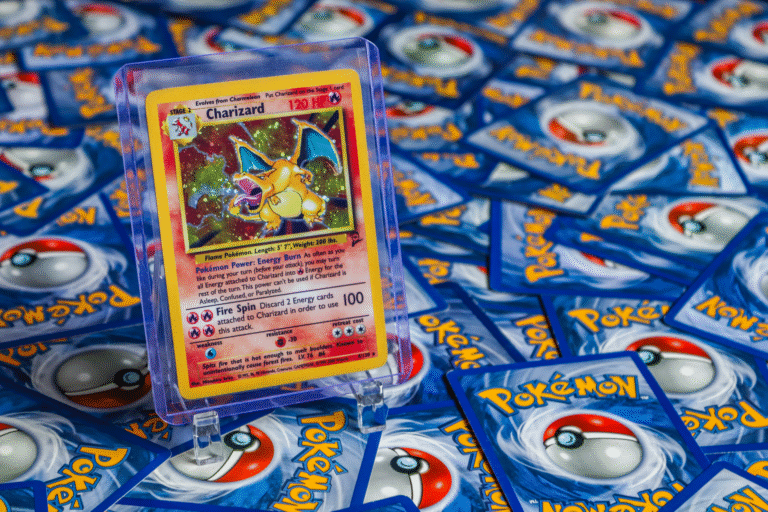
Shadowless and 1st Edition Base Set cards sell for 2-10x more than Unlimited versions, reflecting the severe supply constraints. An Unlimited Base Set charizard in Near Mint condition trades around $2,000, but the same card in a 1st Edition or Shadowless print commands significantly higher premiums. This tiered pricing structure gives future collectors multiple entry points, from attainable cards under $500 to rare specimens worth hundreds of thousands. A person born today could reasonably acquire lower-grade Base Set cards in 20 years for less than a new car, then watch them appreciate as they age into their 40s and 50s. The fixed supply argument has limits, though. Counterfeit Base Set cards exist and may proliferate if prices continue rising. Authentication through services like PSA (Professional Sports Authenticator) becomes more critical and more expensive as card values climb. A young collector in 2045 will likely need to budget for professional grading costs—potentially $50-200 per card, depending on card value and turnaround time—to verify authenticity and obtain the grading certification that drives prices.

The Generational Wealth Effect and Collector Demographics
Today’s collector base is aging up, and new generations are replacing them. The average Pokémon card collector is currently between 25-35 years old, but the largest purchaser group spans ages 25-45, with adults now accounting for over 60% of high-end Pokémon card purchases. Gen Z represents 45% of new TCG entrants since 2020, signaling that the demographic transition is already underway. Children born in 2026 will be Gen Alpha, and their relationship with Pokémon cards will be shaped by watching millennials and Gen X collectors treat them as serious assets. This intergenerational transfer of values matters more than raw nostalgia. A 35-year-old collector today who spent $10,000 on a graded Base Set lot five years ago and watched it double in value is likely to encourage their children to do the same.
They become advocates, educators, and wealth-preservers within their families. Pokémon cards shift from “collectibles I bought for fun” to “investments I’m passing to my kids.” That behavioral shift amplifies demand from younger cohorts. However, there’s a saturation risk embedded here. If too many people born today become Base Set investors because their parents were, the market could flood with demand when they reach peak earning years in 2040-2050. Increased demand for a fixed supply should drive prices higher, but only if new supply doesn’t emerge. Reprints, whether official or counterfeit, could undermine the fundamental scarcity argument. Additionally, psychological factors matter: a market driven by wealth transfer and inherited values may be less stable than one driven by organic passion for the hobby.
Historical Price Performance and Realistic Growth Projections
The numbers supporting Base Set investment are stark. Between 2019 and 2024, vintage WOTC cards appreciated 300-500%, driven largely by the 25th anniversary celebration and the pandemic boom in collectibles. Looking forward, analysts project 15-25% annual appreciation for high-grade Base Set cards, which would result in a $100,000 card becoming worth $500,000-$1 million in 20 years. The broader trading card game market is expected to reach USD 13.5 billion by 2035, up from USD 7 billion in 2025, indicating systemic growth beyond Pokémon alone. These projections assume continued collector interest and no major supply shocks. A person born today who invests $5,000 in well-selected Base Set cards at age 25 could see that grow to $25,000-$50,000 by age 45, depending on card selection, condition, and market conditions.
That’s better than many index funds over the same period, and it doesn’t require you to stare at a brokerage app. Real estate and equities offer lower volatility, though, and unlike Pokémon cards, they generate rental income or dividends. The risk is that past performance does not guarantee future results. The 300-500% appreciation from 2019-2024 included a once-in-a-decade pandemic, global supply chain disruptions, celebrity interest driving media coverage, and FOMO-driven buying. Younger collectors entering a normalized market may see slower appreciation. The projected 15-25% annual returns assume the market continues functioning smoothly, with adequate liquidity and consistent grading standards. Any disruption—regulatory changes, grading service failures, or economic recession—could compress returns significantly.

The Grading Problem and How It Affects Investment Viability
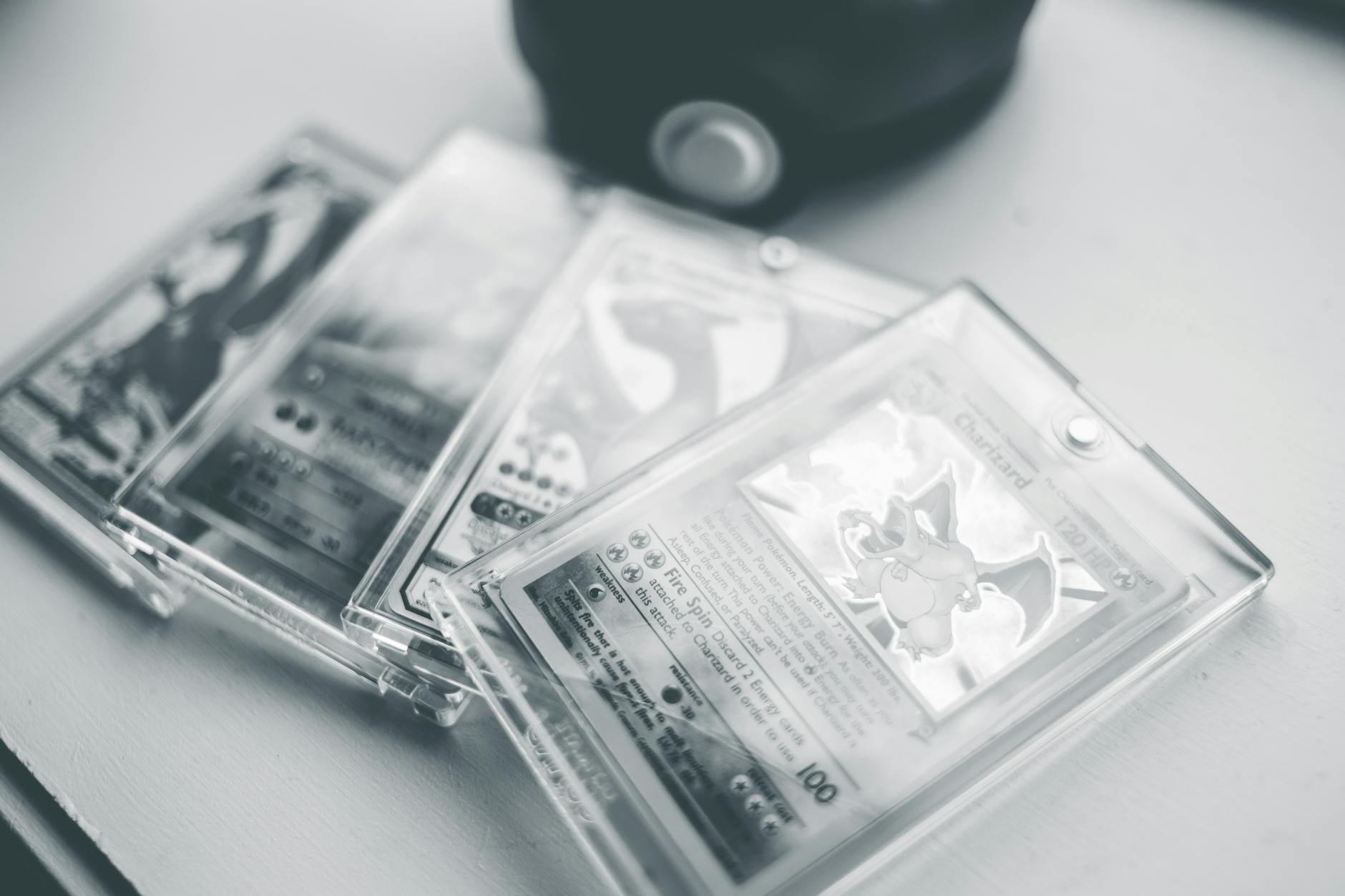
Professional grading is essential to Base Set investment but introduces both costs and risks. Cards submitted for grading can take weeks or months to return, depending on the service level selected. A PSA 10 (Gem Mint) Base Set card commands premiums of 300-500% over a PSA 8 (Near Mint-Mint) version of the same card. This creates an incentive to spend $200+ per card on premium grading services to chase the highest grades—but the supply of PSA 10 vintage cards is extremely limited. For a person born today planning to invest in Base Set cards in 2040, the grading ecosystem will likely have evolved significantly. New competitors may emerge.
Grading standards might tighten or loosen, affecting card valuations retroactively. If PSA ceases to exist or loses market trust, the certified cards it graded could lose 30-50% of their value immediately. There’s also grading inflation risk: if the bar for a PSA 10 has risen over time (meaning fewer modern cards achieve it relative to 10-15 years ago), then vintage cards graded in 2025 might be regraded lower in 2045, crushing your investment thesis. The alternative is buying ungraded raw Base Set cards, which are cheaper but harder to sell. A raw PSA 10-equivalent Charizard might cost $1,500, while the same card in a PSA 10 slab could fetch $4,000+. Young collectors need to decide whether they’re buying for graded appreciation or accepting the risk of illiquidity with raw cards. Neither option is risk-free.
Liquidity, Storage, and the Hidden Costs of Card Ownership
Owning valuable Base Set cards requires insurance, climate control, and secure storage. A $10,000 card held in a protective case at home faces risks: fire, theft, humidity damage, and accidental damage. Proper storage—acid-free holders, temperature-controlled safe or safe deposit box—adds hundreds of dollars in costs. Insurance can run 1-3% of card value annually, and many standard homeowner policies exclude collectibles. For someone born today who waits until age 30 to start investing, these costs will be built into their investment horizon. Selling Base Set cards also has friction. Unlike stocks, which execute in seconds, selling a $50,000 Base Set card might take weeks or months.
You need to find the right buyer, negotiate, and arrange secure shipping. Auction houses charge 10-15% in fees. Private sales avoid those fees but require finding a qualified buyer and verifying they’re legitimate. During economic downturns or periods of low collector interest, liquidity evaporates. You may own a card that’s theoretically worth $100,000 but can’t find a buyer at any price point. For younger collectors, this liquidity risk is manageable if they’re investing for the long term. But if they face a financial emergency and need to liquidate cards quickly, they could face 20-40% discounts to move inventory fast. Having 50% of your wealth tied up in illiquid assets is riskier than conventional investments.
The Role of Nostalgia and Community in Sustaining Demand
Nostalgia is the silent force behind collectible card values, and people born in 2026 will have a completely different nostalgia relationship with Pokémon cards than today’s 30-year-olds. Modern Pokémon cards, even vintage reprints, will feel commonplace to Gen Alpha. They’ll grow up seeing Pokémon cards in every Target and Walmart, watching YouTube unboxing videos, and potentially inheriting cards from millennial relatives. That ubiquity could either deepen passion or flatten it. The collector community itself sustains demand through online forums, TikTok communities, YouTube channels, and local tournament scenes. A young person born today who grows up watching content about Base Set cards from childhood will enter adulthood already socialized into the collector mindset.
The community effect compounds over time: as more people view Base Set cards as investments, demand increases, prices rise, and the story becomes more compelling to newcomers. This self-reinforcing cycle has driven much of the market appreciation since 2020. However, communities can also reverse course rapidly. If the dominant narrative shifts from “Base Set cards are great investments” to “the market is oversaturated and graded cards are overpriced,” sentiment could collapse. Younger collectors are also more environmentally conscious and may reject the plastic-heavy grading slab model in favor of raw or digital alternatives. The Pokémon TCG itself may evolve in ways that diminish Base Set appeal—new printing techniques, new rare cards, or format changes could reshape what collectors value.
The Future Market: Base Set in 2045 and Beyond
Twenty years from now, Base Set cards will have appreciated another one to two decades beyond today’s prices. A PSA 10 Charizard that costs $300,000 today could reasonably fetch $1.5-$3 million in 2045, assuming the 15-25% annual appreciation continues. That’s compelling wealth growth, but it assumes zero disruption to the market, continued collector interest from a growing global audience, and stable grading standards. None of those are guaranteed.
The broader context is that Pokémon as a brand will likely be stronger in 2045 than it is today. Forty-year-old millennials will be the dominant purchaser demographic, and they’ll have disposable income and nostalgic attachment. Their children may inherit cards, creating another wealth transfer cycle. The trading card game market will continue growing, according to projections, reaching $13.5 billion by 2035. Base Set, as the origin point of the Pokémon TCG, will retain historical significance regardless of what new cards or formats emerge.
Conclusion
People born today will almost certainly invest in Base Set vintage Pokémon cards when they grow up. The fundamentals are strong: fixed supply, documented rarity, growing global wealth, and intergenerational wealth transfer all support continued appreciation. Historical data shows 300-500% appreciation over five years, with 15-25% annual growth projected. However, the investment opportunity isn’t risk-free.
Grading service failures, authentication issues, liquidity challenges, regulatory changes, and market saturation could all compress returns or create sudden losses. For someone born in 2026, the strategy should be: enter the market thoughtfully in your mid-20s or early 30s when you have disposable income, focus on well-documented cards in strong grades, budget for storage and insurance, and understand that you’re making a 20+ year commitment. Base Set cards will likely remain a solid alternative asset class, but they should not be your entire investment portfolio. Treat them as one piece of a diversified approach to building wealth, not as a guaranteed path to riches.