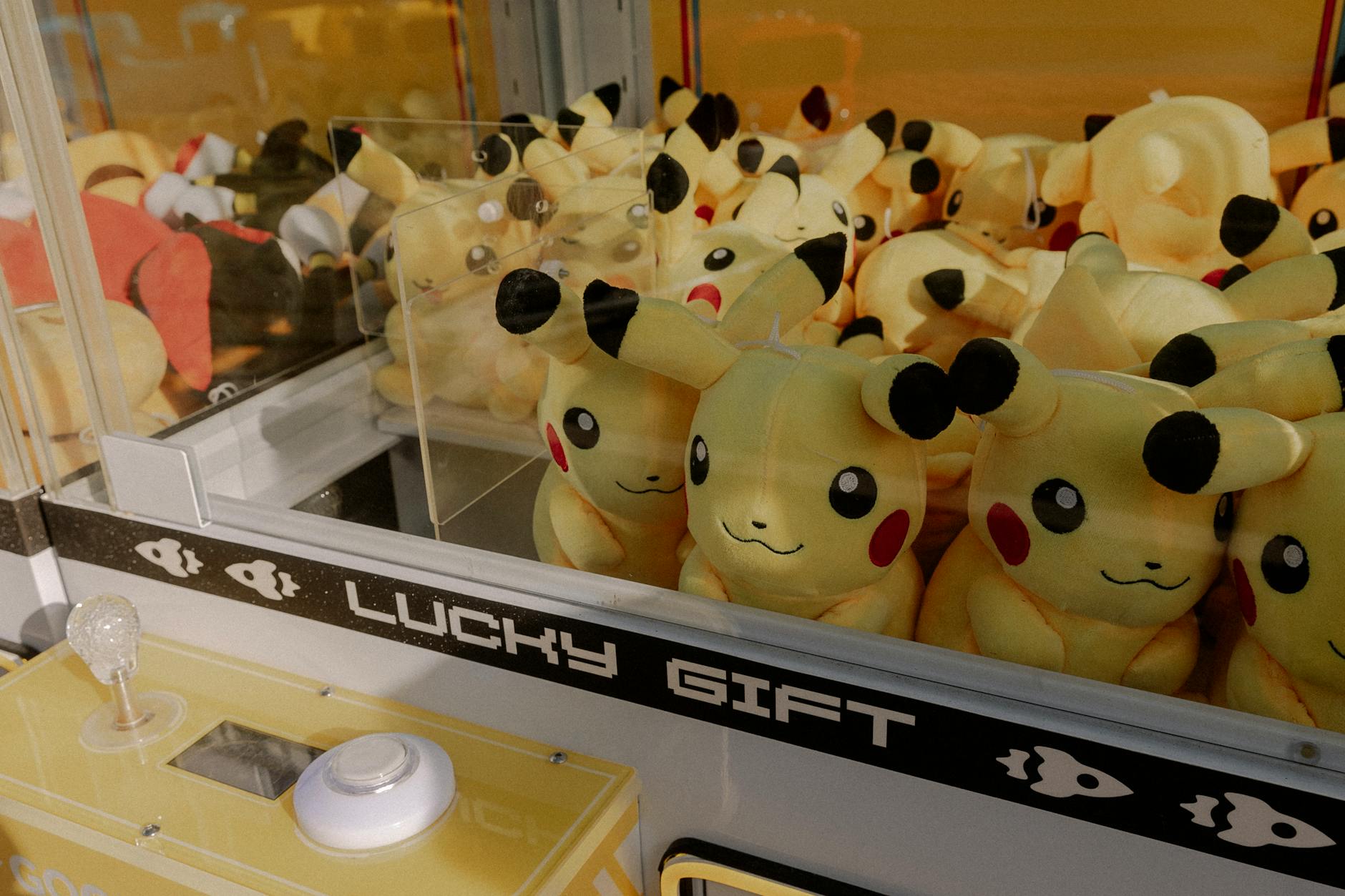
Sealed Pokemon products consistently outpace individual card singles in price appreciation during hype cycles because sealed inventory remains finite and irreplaceable, while the singles market expands with every box opened. When a new set releases or nostalgia drives collector demand upward, sealed products benefit from both scarcity and the psychological weight of “this is what it cost then”—a sealed 1999 Base Set booster box that sold for $50 at release is now worth $400,000 partly because so few remain untouched, while even the most valuable first-edition Charizard single can be reprinted or newly graded, diluting its uniqueness. During hype cycles, sealed products gain velocity because collectors and investors recognize that opening a box destroys its value trajectory permanently, creating an artificial brake on supply that drives prices upward faster than singles, which can always be pulled from circulation or sourced through secondary markets. The mechanics are straightforward: when demand spikes—whether from a viral TikTok moment, a Pokemon TCG World Championship announcement, or the launch of an anticipated set—sealed inventory acts like a finite asset.
A 1st Edition Base Set booster box has exactly one possible trajectory: stay sealed (appreciating) or get opened (permanently destroying its premium). Singles, by contrast, benefit from increased opening but also face perpetual supply refreshes. A player opening 100 booster boxes during a hype cycle floods the singles market with thousands of cards, including duplicates. This creates a two-tier market: sealed products climb because they’re disappearing from circulation, while the average single card actually drops in value as supply increases.
Table of Contents
- Why Does Sealed Always Outpace Singles When Collectors Get Excited?
- The Role of Rarity Tiers and Time Lock Premiums
- How Hype Cycles Create Two-Speed Price Movement
- The Investment Trade-off: Liquidity Versus Upside
- The Timing Risk and the Hype Cycle Trap
- Sealed Products From Weak Sets and the Graveyard Effect
- The Future of Sealed Product Value in a Changing Market
- Conclusion
- Frequently Asked Questions
Why Does Sealed Always Outpace Singles When Collectors Get Excited?
The answer lies in behavioral economics and scarcity perception. When hype cycles hit, new and returning collectors often arrive with purchasing power but limited knowledge. They see sealed booster boxes and feel they’re buying potential—the possibility that their box contains hidden value. This drives prices for sealed products upward faster than collectors can verify actual card values. A sealed Vivid Voltage booster box spiked to $150 in early 2021 when pokemon TCG exploded on social media, not because the set contained exceptional cards, but because demand outpaced perception of actual content value. Simultaneously, Vivid Voltage singles stayed relatively modest because the market could see exactly what was in the boxes: thousands of common Wurmple holos and bulk rares worth $0.25 each.
Sealed products also trigger a hoarding mentality. Investors and serious collectors buy sealed products with the explicit plan to hold them, removing inventory from circulation. This is different from singles, where people buy to collect, play, or flip. A sealed booster box bought by a long-term investor sits in a closet for five years; a single card pulled from that box might be traded, sold, or graded and flipped within months. The psychological commitment to sealed products creates artificial scarcity that drives prices upward in a way singles cannot match. During the 2020-2021 Pokemon boom, sealed Base Set booster boxes jumped from $3,000 to $10,000 in a matter of months, while the same-era singles saw more modest gains because casual players and collectors were actively trading, listing, and selling them.

The Role of Rarity Tiers and Time Lock Premiums
sealed products carry an inherent time-lock premium that singles never achieve. A sealed first-edition Base Set booster box from 1999 is not just rare; it’s a time capsule from a specific moment in manufacturing. The card stock, printing quality, and box condition all reflect the standards of 1999, which cannot be replicated. You cannot open a modern booster box and claim it contains “authentic 1999 product.” Grading companies recognize this distinction, which is why sealed products command massive premiums—a first-edition booster box in PSA 9 condition might sell for $500,000, while a single PSA 10 Charizard from the same box sells for $400,000. This feels counterintuitive until you realize the sealed box is valued as a collectible artifact, not as a container of cards. However, this dynamic has a critical limitation: sealed products are only worth their contents if they contain desirable cards.
A sealed 2022 Chilling Reign booster box appreciates slowly because the set has limited breakout hits. If you opened 20 of these boxes, you’d pull thousands of cards but few that would individually justify the box cost. Singles from weak sets underperform, but sealed products from weak sets underperform even more dramatically during normal market conditions. The premium only applies to sets with strong demand drivers—Base Set, Shadowless, early Wizards era sets. A sealed 8th Edition booster box purchased in 2008 might still be worth $100-150 today, whereas the same sealed Unified era product would be worth $30-40. The time-lock premium becomes a curse if the product contains weak cards and the hype cycle ends.
How Hype Cycles Create Two-Speed Price Movement
During explosive hype cycles, sealed and singles move at visibly different speeds. When Pokemon TCG exploded in early 2021, a sealed Evolutions booster box went from $80 to $180 in roughly six weeks, while Evolutions singles appreciated maybe 30-40% in the same window. The sealed premium accelerated because new money entering the market didn’t want to hunt for individual cards—they wanted to participate in the scarcity narrative, and “sealed booster boxes from the biggest boom in TCG history” sounded safer than “individual card X.” This psychology is powerful. By March 2021, sealed Evolutions boxes were commanding such premiums that actual return-on-investment buyers started selling their personal collections of singles to fund sealed box purchases. The divergence creates arbitrage opportunities for people with patience and dry powder.
In late 2021, as the Pokemon boom cooled, sealed products suffered first and sharpest—Evolutions booster boxes dropped from $180 to $90 within months. Singles held value longer because they could still be played in constructed formats, used for collection completion, or graded for long-term holding. This reveals the true relationship: sealed products are hype assets first, collectibles second. They amplify upward movement during bull markets but also magnify downward movement during corrections. An investor who bought a sealed Fusion Strike booster box at $120 in early 2022 watched it drop to $60 by late 2022; those same dollars invested in high-grade singles from the set would have dropped maybe 20-30%, cushioned by the practical utility of owning graded cards.

The Investment Trade-off: Liquidity Versus Upside
Sealed products offer asymmetric upside during hype cycles but come with significant downside liquidity risk. A sealed first-edition Base Set booster box bought for $5,000 today might be worth $8,000 in two years if the Pokemon TCG continues appreciating as a luxury collectible. But if the market cools, finding a buyer at $4,000 can be genuinely difficult—sealed product buyers are a smaller, more specialized group than singles buyers. A PSA 10 Charizard, by contrast, has thousands of potential buyers at any given time. You can move a single card relatively easily; a $10,000 sealed product requires finding a specific investor willing to write that check. This trade-off should be your decision framework.
If you have capital to deploy during a hype cycle and believe the wave will last 18+ months, sealed products offer superior upside. A sealed Scarlet & Violet booster box bought at $50 in 2023 might have been worth $80 by 2024 if the set maintained cultural momentum. That’s a 60% gain, which beats most single-card appreciation in the same window. However, if you need exits, singles are the better choice. A collection of high-grade Scarlet & Violet singles can be monetized in pieces—sell ten cards in January, ten more in March, ride momentum as prices move. With sealed, you either sell the whole box or none of it. The liquidity difference becomes acute if your timeline shortens or personal circumstances change.
The Timing Risk and the Hype Cycle Trap
The most dangerous aspect of sealed product investing is the timing dependency. Sealed products amplify returns on the way up but destroy value on the way down with brutal efficiency. The 2021 Pokemon boom peak illustrates this perfectly. In January 2021, a sealed Evolutions booster box was worth $60. By May 2021, the same box was worth $180—a 200% gain in four months. But the moment momentum reversed, the decline accelerated. By December 2021, those same boxes were worth $100.
Investors who bought at $140 and held until December lost 28% in a matter of months. The psychological element is crucial: sealed products attract momentum buyers and new entrants to the market, which sustains the bubble longer but also creates violent reversals when sentiment shifts. The warning here is structural: if you are not actively monitoring market sentiment and prepared to exit at the first sign of cooling, sealed products become liability. A professional player or investor might have sold Evolutions boxes in July 2021 when early warning signs appeared—slowing demand, inventory starting to accumulate, online resellers dropping prices. Amateurs held through the peak, convinced the momentum was permanent. Singles don’t entirely escape this trap, but they’re safer. A high-grade Evolutions single like a PSA 10 Pikachu might have dropped from $200 to $140 during the 2021 correction—a meaningful loss, but you didn’t see the 60% declines that sealed boxes experienced. With sealed products, you’re not investing in the card’s intrinsic value; you’re betting on sustained hype, and hype is inherently fragile.
Sealed Products From Weak Sets and the Graveyard Effect
Not all sealed products benefit equally from hype cycles, and the worst-performing sealed products are from sets that had temporary hype but no lasting appeal. Rebel Clash and Unified dominated headlines in early 2020 when players and collectors came back to TCG. Both sets produced sealed boxes with temporary premium pricing. But by 2024, sealed Rebel Clash booster boxes—if you could find them—were worth $40-50, barely above the $35-40 cost of opening-day pricing. The reason is that both sets lack breakout cards with long-term appeal. A sealed box is only valuable if the market believes the cards inside justify the price. When that belief fades, sealed products sink into a graveyard where they’re forgotten.
This stands in stark contrast to sets like Base Set, Jungle, or Fossil, where sealed products maintain value because every player, collector, and investor wants those cards. Even during downturns, a sealed Base Set booster box holds value because the worst-case scenario is you open it and get 10-15 solid vintage cards. The sealed premium persists because the underlying product is genuinely desirable. For modern sets, the hype dependency is extreme. A sealed Sword & Shield base set booster box bought in 2020 for $50 might be worth $30 today because the set has aged out of relevance, the format changed, and better sets came along. Don’t assume sealed products from recent sets will age like vintage sealed. They won’t unless the set contains generational cards or becomes a new “vintage standard” for a future generation.
The Future of Sealed Product Value in a Changing Market
The sealed versus singles dynamic is shifting as the Pokemon TCG matures and institutional investment enters the market. Ten years ago, sealed products were afterthoughts—collectors and players bought singles. Five years ago, sealed became the speculative vehicle of choice during hype cycles. Today, we’re seeing the market fragment into tiers. Institutional collectors and wealthy investors are hoarding sealed first-edition and shadowless products as luxury assets—these don’t trade often and appreciate steadily. Retail investors and hype-cycle traders cycle in and out of newer sealed product bets.
Singles have evolved into an ever-more-sophisticated market with grading, population reports, and specialized subsets like “PSA 8.5” commanding premiums. The outlook suggests sealed products will continue to beat singles during explosive hype cycles because scarcity mechanics always win during speculative manias. But the margin of outperformance will compress over time as more people understand the distinction between hype and fundamentals. Sets with poor intrinsic value won’t hold sealed premiums for long. Sets with strong long-term appeal—think any set that has stayed relevant for 10+ years—will continue to appreciate both as sealed and singles. For the next cycle, sealed products will likely outpace singles again, but only if you time the entry correctly and understand that sealed premium is a rate-of-change phenomenon, not a permanent characteristic.
Conclusion
Sealed Pokemon products beat singles during hype cycles because scarcity becomes the dominant price driver when demand spikes. Every sealed box that stays unopened removes inventory permanently, creating artificial pressure that accelerates price appreciation. Meanwhile, singles benefit from the supply created by opening, which cushions their price movements but also limits their upside. During explosive bull markets—like the 2021 Pokemon boom—sealed products can appreciate 2-3 times faster than individual cards, which attracts momentum capital and reinforces the cycle. However, this same mechanism inverts brutally during corrections, when sealed products decline faster than singles because they have no utility beyond investment. Your strategy should depend on your timeline and market conviction.
If you believe a hype cycle will sustain for 12+ months and you can exit decisively, sealed products offer superior returns during the bullish window. If you need flexibility, want to avoid timing risk, or prefer to own cards with some practical utility, singles are the safer choice. The real edge comes from understanding that sealed products are hype amplifiers—they magnify whatever direction the market is moving. Buy them when momentum is accelerating and sentiment is turning bullish. Avoid them when hype is cooling or when you’re uncertain about the underlying set’s long-term appeal. The sets that maintain value are the ones collectors actually want to own, sealed or not.
Frequently Asked Questions
Why don’t sealed products from all sets increase during hype cycles?
Sealed products only appreciate if the market believes the cards inside have value. Sets with weak card pools, limited playability, or poor competitive results don’t maintain sealed premiums. A sealed Rebel Clash booster box won’t appreciate meaningfully because the set has aged out of relevance, whereas a sealed Base Set box will always have appeal because those cards are universally sought.
Should I open my sealed box or hold it?
If you’re confident the set will maintain or grow in appeal, hold it. Opening destroys the time-lock premium permanently. However, if you need cards for actual play or collection completion, opening is the pragmatic choice. Don’t let the investment potential override your actual use case. An opened Base Set booster box worth $2,000 today would have been worth $400,000 sealed; this is why sealed is worth holding.
How do I know when a hype cycle is ending so I can sell my sealed products?
Watch for inventory accumulation (online retailers stocking up), declining reseller prices, and slowing demand on social media. The first sign is usually price flattening—sealed boxes stop rising and start consolidating. This is your cue to exit. By the time prices start declining, momentum has shifted, and you’ll fight to find buyers.
Can I invest in sealed products from modern sets, or only vintage?
Modern sealed can work, but only if the set has breakout cards or sustained competitive relevance. Scarlet & Violet booster boxes might appreciate if the set remains in the tournament meta for 2-3 years. Avoid sealed from sets you’re unsure about; the time-lock premium only applies to products people will regret not owning in 5-10 years.
What’s the difference between sealed booster boxes and sealed blister packs or theme decks?
Booster boxes are the most liquid and appreciate fastest because they contain maximum card potential. Sealed blister packs and theme decks have niche appeal and much slower appreciation. Stick with booster boxes for investment; the market for sealed blisters is too thin.
Is buying PSA-graded sealed boxes worth the premium?
Yes, if you’re buying vintage (Base Set, Shadowless, 1st Edition). Grading adds legitimacy and desirability for luxury-tier sealed products. For modern sealed, grading is unnecessary and adds cost without meaningful upside. The boxes themselves are factory-sealed, so condition grading doesn’t change the contents.
You Might Also Like
- Why PSA 9 Vintage Pokemon Cards Can Be Riskier Than They Look
- Can Cracking a PSA 9 Pokemon Card Ever Make Financial Sense?
- Can 4th Print Packs Contain Shadowless Pokemon Cards?