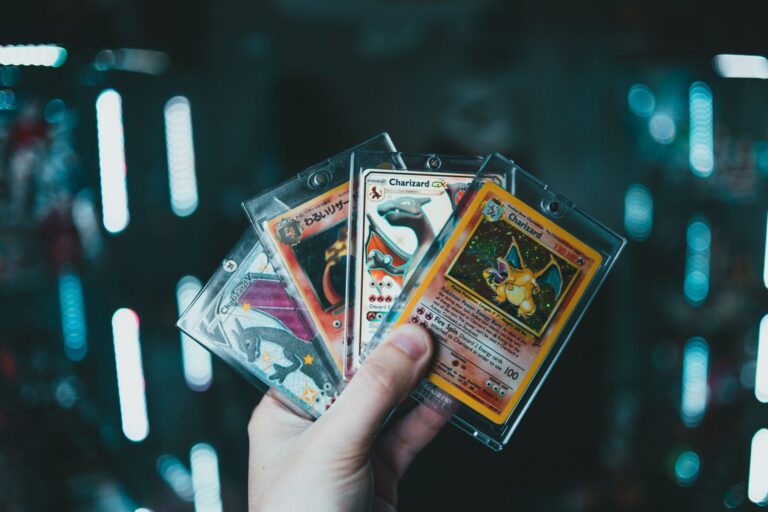
Modern sealed Pokemon boxes are unlikely to replicate the explosive value gains of vintage sealed products, but they do occupy a fundamentally different position in the collector market today. The 2020-2021 boom that saw Base Set booster boxes reach six figures was driven by scarcity, nostalgia, and a historic convergence of mainstream media attention with limited supply. Modern sealed boxes from sets like Scarlet & Violet or Crown Zenith operate in an entirely different ecosystem—one where print runs are measured in billions of cards, secondary markets are instantaneous, and the economic fundamentals that created vintage scarcity simply don’t exist. A sealed Scarlet & Violet Elite Trainer Box from 2023 might appreciate modestly over a decade, potentially doubling in value if the set becomes beloved in retrospective, but expecting it to rise to four or five times its original retail price is more speculation than precedent.
That said, modern sealed product does hold investment potential within realistic bounds. The key distinction is timing and selection. Pokemon Company has demonstrated it will reprint popular sets indefinitely, and recent releases have been produced in such abundance that supply destruction through opening, damage, and loss is a more meaningful scarcity driver than vault hoarding. A small percentage of sealed modern boxes will eventually appreciate—those from sets that become collector favorites, special editions with lower production runs, or products stored correctly in unchanging conditions for decades—but this appreciation will likely track more closely with general collectibles inflation than with the asset bubble dynamics that created vintage value.
Table of Contents
- What Makes Modern Sealed Different From Vintage Sealed?
- The Role of Print Runs and Supply Destruction in Modern Valuation
- Market Sentiment and the Role of “Vintage” Psychology in Modern Collecting
- Which Modern Sets Have Investment Potential?
- Storage, Condition Degradation, and the True Cost of Holding Modern Sealed Product
- The Relevance of Set Popularity and Long-Term Collecting Trends
- What the Long-Term Trajectory Actually Looks Like
- Conclusion
- Frequently Asked Questions
What Makes Modern Sealed Different From Vintage Sealed?
The fundamental difference between vintage and modern sealed products lies in production philosophy and market structure. A 1999 Base Set booster box was printed in limited quantities across a specific production window, then cycling ended and the product entered permanent scarcity. Pokemon Company literally could not reprint it. Contrast this with Sword & Shield-era releases and everything since, where the company has committed to maintaining “evergreen” availability of popular sets, running multiple print waves over months or years. Scarlet & Violet was available continuously for over a year at retail, with regular restock announcements that explicitly signaled market abundance. This structural difference means the scarcity that drove vintage appreciation can’t replicate for modern products through the same mechanism.
A sealed Base Set booster box from 1999 is finite—every surviving box represents a fixed fraction of an unchangeable total. A sealed Scarlet & Violet booster box from 2023 exists in a universe where identical boxes might still be printed next month. The collector premium that emerges decades from now will reflect nostalgia and cultural significance, not genuine supply scarcity, which is a smaller and slower appreciation driver. That’s not to say modern sealed boxes won’t increase in value—they almost certainly will, on average, given inflation and collectible demand trends. A box that costs $100 today might legitimately be worth $150-200 in 2045, but this is fundamentally different from a $5 booster box from 1999 becoming worth $40,000. The arithmetic changes entirely when appreciation is measured in percentage terms over 50 years rather than doubling or tripling in a five-year window.

The Role of Print Runs and Supply Destruction in Modern Valuation
Modern Pokemon sets exist in such overwhelming quantities that the real scarcity driver isn’t what was printed—it’s what gets destroyed or removed from circulation. A set that sold 10 billion cards worldwide will have a certain percentage of sealed boxes torn open by enthusiasts, suffered water damage in storage, or lost to landfills over decades. This passive destruction is the only mechanism creating genuine supply reduction for modern sealed product, and it operates much more slowly than the deliberate vault-building or speculative hoarding that characterized vintage markets. The challenge for modern sealed appreciation is that this destruction curve is unpredictable and doesn’t accelerate scarcity in meaningful ways for decades.
If Scarlet & Violet eventually sees 90% of printed sealed product destroyed or unsealed over 40 years, the remaining 10% becomes more valuable—but 10% of a billion boxes is still an enormous quantity compared to the few hundred thousand surviving base set boxes. The numerical math works against modern sealed as a scarcity investment relative to vintage products, even if appreciation rates are positive. A warning worth stating plainly: most collectors storing modern sealed boxes are not going to hold them untouched for 30+ years. It’s psychologically difficult to keep a collectible sealed when you could open and enjoy it, and market conditions may make it tempting to liquidate. The actual percentage of modern sealed boxes that remain sealed and in pristine condition through 2050 is likely lower than anticipated, but this also introduces a wildcard—if retention rates are extremely low, surviving boxes could appreciate more sharply than expected, purely through accidental scarcity creation.
Market Sentiment and the Role of “Vintage” Psychology in Modern Collecting
The vintage boom was powered by powerful narratives: nostalgia for 1999, the scarcity of products not reprinted in 20+ years, and the feeling that these items were artifacts of a bygone era. Modern sealed products have none of these psychological advantages working in their favor yet. Opening a booster box from last year doesn’t trigger the same cultural resonance as opening one from 1999, and collectors know that identical boxes are available at retail right now, which dampens the urgency and mystique. However, this could shift gradually. Scarlet & Violet, Crown Zenith, and other sets from the early-to-mid 2020s will eventually feel “vintage” to collectors who started with newer releases.
A collector in 2040 might look at early Scarlet & Violet boxes with something approaching the reverence that collectors today feel toward WOTC-era products. This psychological shift takes generational time to develop, but it’s not implausible. The question is whether this future sentiment translates to meaningful price appreciation or whether the sheer abundance of supply keeps prices anchored. Real-world precedent from other collectibles suggests that “new vintage” does eventually develop collector premiums—cards from the 1980s Junk Wax era, for instance, were worthless and derided for years, but nostalgia has gradually made certain sets valuable again, even though millions of packs were produced. Modern Pokemon might follow this trajectory, but the timeline is measured in 15-25 years minimum, not the 3-5 year window that appeals to short-term investors.

Which Modern Sets Have Investment Potential?
If modern sealed boxes do appreciate, certain sets are more likely candidates than others. Limited-edition products with lower print runs—special anniversary sets, collaborations, or restricted regional releases—have structural advantages over standard booster boxes. Crown Zenith, for example, had a deliberately shorter print window than typical sets, and sealed boxes have appreciated roughly 20-30% above retail over two years, suggesting that production constraints do create meaningful value dynamics even in the modern era. Conversely, abundant sets released during peak print runs have appreciated hardly at all. Scarlet & Violet booster boxes remain available near or below retail three years after release, and any investor who bought them at original price has seen no return.
This is the harsh reality of modern sealed investment: selection and timing matter enormously. Buying random modern sealed product is not a coherent investment thesis, but strategic purchases of limited-edition products or special sets have demonstrated modest but real appreciation potential. A practical comparison: investing $10,000 in sealed Scarlet & Violet boosters at retail would likely have been a losing proposition over three years. Investing $10,000 in sealed Crown Zenith or special edition boxes from that same window would have shown 15-25% appreciation, before accounting for storage costs or opportunity costs from capital tied up. This suggests that the “next vintage boom” won’t be a universal tide lifting all modern sealed boxes equally—it will be a selective market where specific sets appreciate and others depreciate or remain flat.
Storage, Condition Degradation, and the True Cost of Holding Modern Sealed Product
Investors often overlook the real costs associated with holding sealed modern product for appreciation. Proper storage requires consistent temperature control, humidity management, and protection from light damage. A sealed box stored in suboptimal conditions—a garage prone to temperature swings, a basement with humidity issues, or even a standard closet with sunlight exposure—will gradually degrade in eye appeal and psychological appeal, even if the contents remain technically sealed. Graded sealed cases exist for high-value vintage product, but they’re economically impractical for modern boxes costing $100-200.
A collector holding a dozen sealed Crown Zenith boxes is essentially betting that future collectors will value them enough to pay significantly above original retail, and that appreciation will exceed the opportunity cost of capital, storage overhead, and the psychological burden of not opening the product. For some collectors, this makes sense—for others, the math is less favorable. A critical warning: sealed product condition is subjective and markets can shift rapidly. A box that looked pristine five years ago might have developed visible edge wear, slight color shifts, or other minor degradation that meaningfully impacts its appeal to future collectors. Unlike graded vintage cards, which are professionally encased and protected from further degradation, modern sealed boxes are vulnerable to the passage of time in ways that aren’t always visible until listing photos are compared to the original product.

The Relevance of Set Popularity and Long-Term Collecting Trends
Sets that become cultural touchstones tend to appreciate more robustly than forgettable releases, and this dynamic should influence modern sealed selection. Scarlet & Violet resonated with competitive players and casual collectors alike, and this cultural ubiquity might support modest appreciation decades from now. Conversely, forgotten or poorly-received sets from modern eras have historically struggled to appreciate—even from the WOTC era, sets that didn’t capture collector enthusiasm remain undervalued relative to beloved flagship releases.
The challenge is predicting which modern sets will become beloved in retrospect. Competitive popularity, cultural moments tied to the set’s release, or unique cards that gain iconic status can all amplify future collector appeal. Scarlet & Violet has advantages on this front—it launched new competitive formats and included cards that defined the meta. A modern set that’s forgotten among competitive players but poorly received by collectors faces headwinds for future appreciation, regardless of production constraints.
What the Long-Term Trajectory Actually Looks Like
A realistic projection for modern sealed product suggests that the strongest performers will appreciate 2-4% annually above inflation, with highly selective limited-edition products potentially reaching 5-8% annual returns. This is not a boom by vintage standards—a sixfold return in five years is fantasy—but it’s respectable as a collectible asset allocation. Twenty-five years from now, a modern sealed box purchased at retail might be worth three times the original price in nominal dollars, which sounds impressive until you account for inflation, opportunity costs, and the psychological cost of not opening the product.
The “next vintage boom” almost certainly won’t happen because the structural conditions that created vintage scarcity—genuine supply constraints, permanent discontinuation, decades of separation from retail availability—cannot replicate in modern markets. What modern sealed product can achieve is slow, selective appreciation driven by scarcity destruction, cultural significance, and the passage of time. For patient collectors with realistic expectations and strategic product selection, this can generate modest but real returns. For speculators expecting explosive gains, modern sealed is unlikely to deliver.
Conclusion
Modern sealed Pokemon boxes will not become the next vintage boom in any meaningful sense, but they do represent a legitimate long-term collectible investment for patient collectors with moderate expectations. The key difference is structural: vintage scarcity was created by finite production runs and permanent supply cessation, while modern scarcity must develop through supply destruction and the passage of time. A strategically selected modern sealed box might appreciate 3-5% annually over decades, reaching two to three times its original retail price by 2050, but this is fundamentally different from the six-figure returns that vintage Base Set boxes have generated.
For collectors deciding whether to invest in modern sealed product, the honest answer depends on expectations. If you’re seeking meaningful capital appreciation similar to vintage booms, modern sealed is a poor allocation. If you’re willing to hold product for 20+ years, accept 2-5% annual returns, and select strategically among limited-edition and culturally significant sets, modern sealed can fit into a diversified collectibles portfolio. The most successful approach combines selective modern sealed purchases (Crown Zenith, special editions, culturally significant sets) with realistic hold periods and proper storage, understanding that your returns will be tortoise-speed rather than hare-sprint.
Frequently Asked Questions
Will Pokemon print modern sets forever, preventing scarcity?
Probably not forever—at some point, a set will be discontinued permanently, as all sets eventually are. The question is timing. Most modern sets remain available at retail for 12-24 months, and restocks occur regularly. True scarcity won’t emerge for 15+ years, when print runs have been exhausted and boxes destroyed through opening and damage.
Is Crown Zenith a better investment than standard booster boxes?
Crown Zenith has shown modest appreciation (15-25% over two years) compared to Scarlet & Violet’s flat performance, likely due to shorter print runs. Limited-edition and special-release products generally outperform standard booster boxes, but even Crown Zenith’s gains are moderate compared to vintage expectations.
How should I store modern sealed boxes for maximum appreciation?
Store in a climate-controlled environment with consistent temperature (65-75°F), low humidity (35-50%), and darkness. Avoid basements, garages, and attics. Avoid physical handling to minimize edge wear and box degradation. Grading sealed modern boxes is economically impractical, so invest in proper storage as your primary preservation method.
Could modern sealed boxes ever reach vintage-level prices?
Extremely unlikely. Vintage boxes appreciate due to genuine supply scarcity and decades of cultural separation. Modern sealed might reach 2-5x retail over 20-30 years, but reaching six-figure values would require fundamentally different supply dynamics and cultural positioning.
When should I open modern sealed product versus holding it sealed?
This depends on your collecting philosophy. If you value the experience of opening product, do it now. If you’re holding for appreciation, hold sealed in proper storage. The psychological cost of not opening product you own is real—only hold sealed if you’re genuinely committed to the investment timeline and can ignore the temptation to open.